
Georgian Tilt Top Breakfast Table
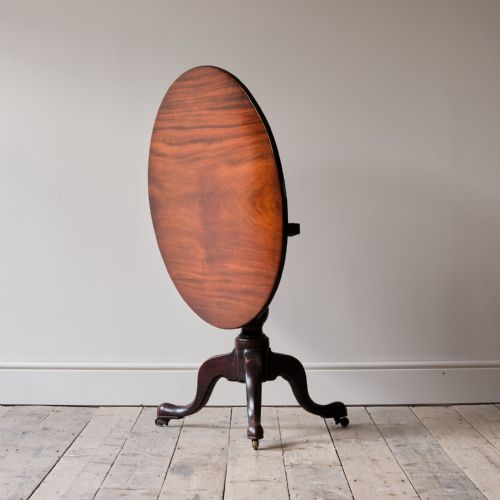
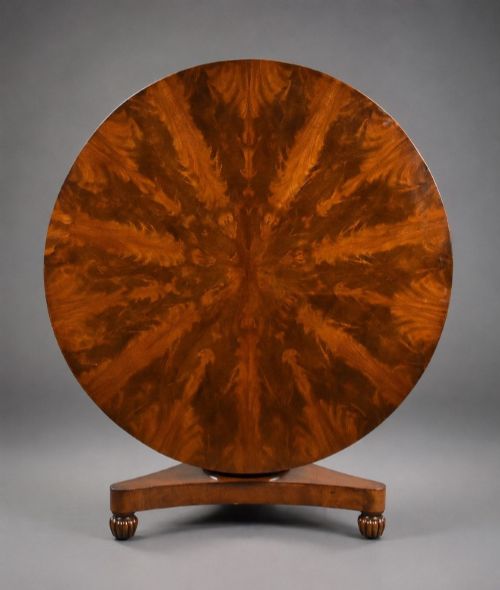
A georgian tilt top breakfast table combines clever mechanical design with the rich grain of native and exotic timbers to serve both dining and space-saving needs.
Georgian Tilt Top Breakfast Table
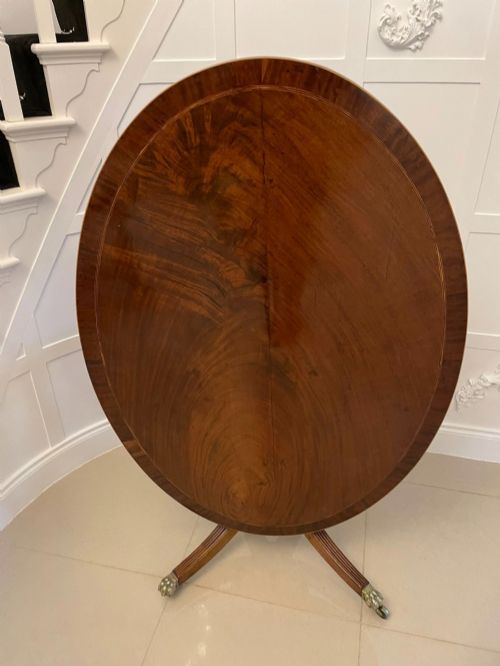
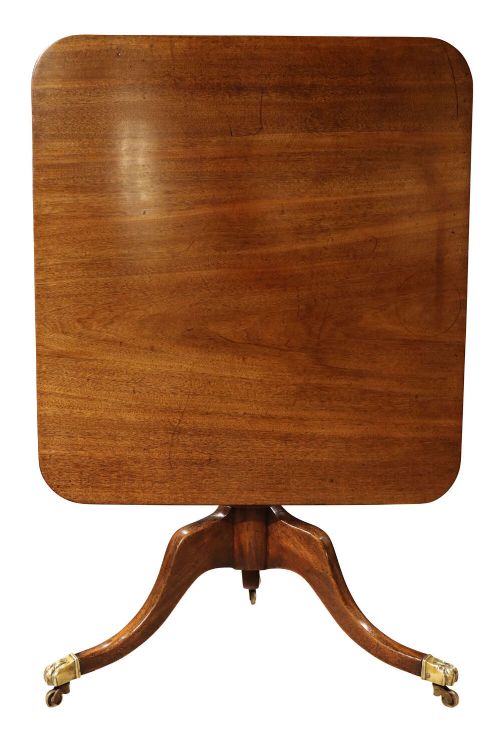
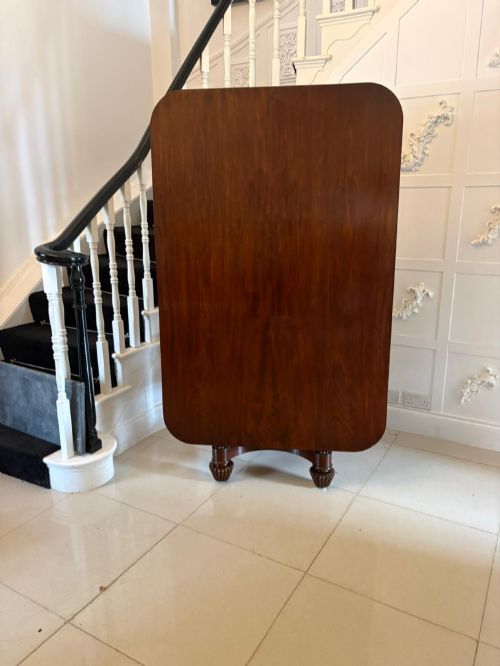
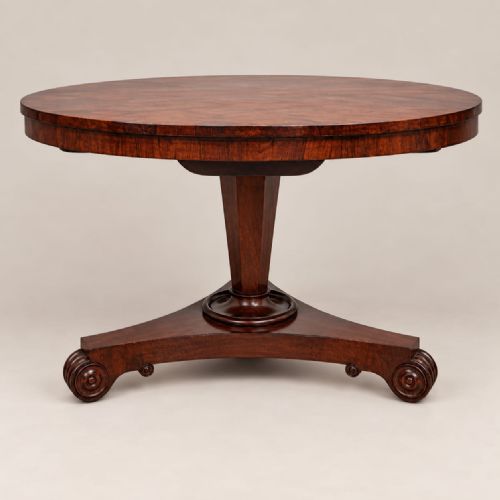
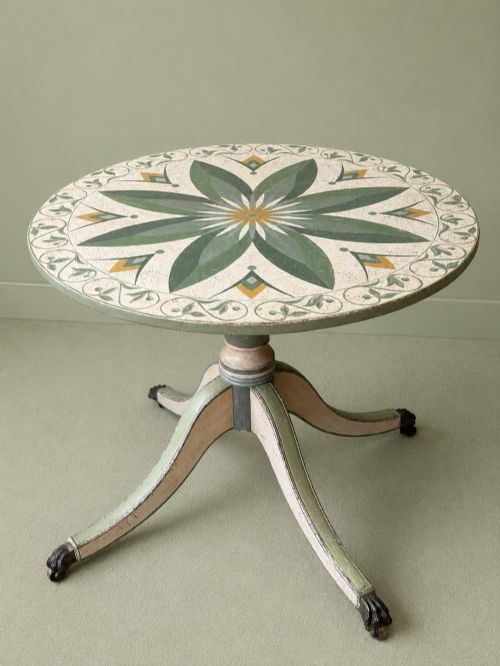
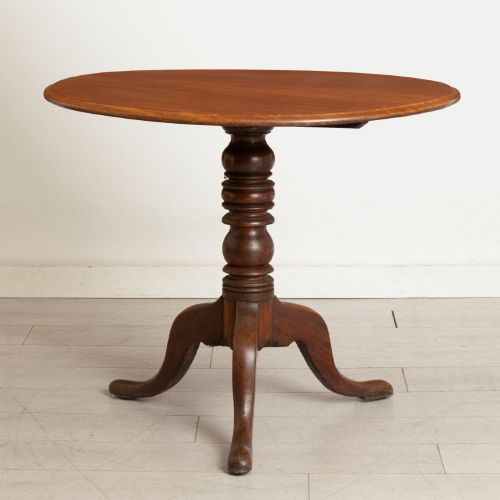
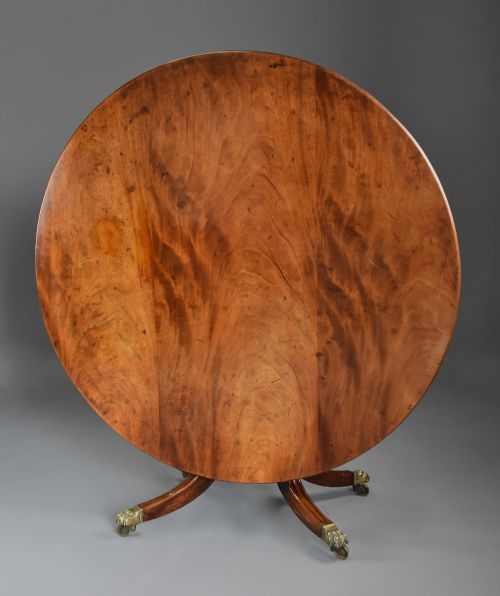
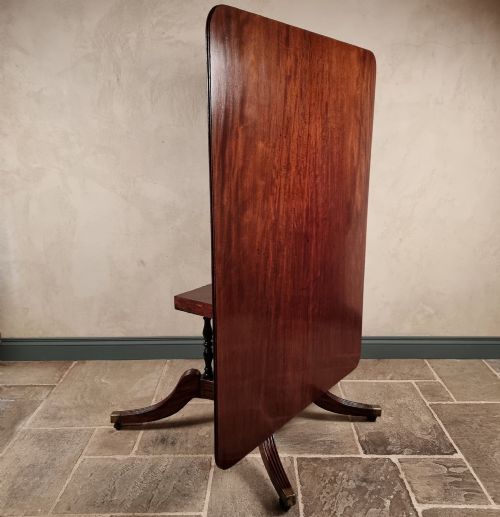
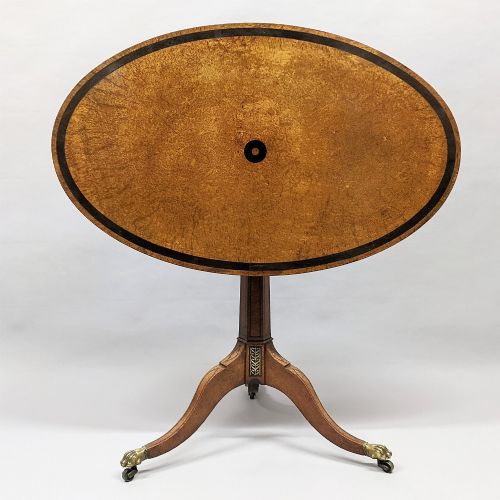
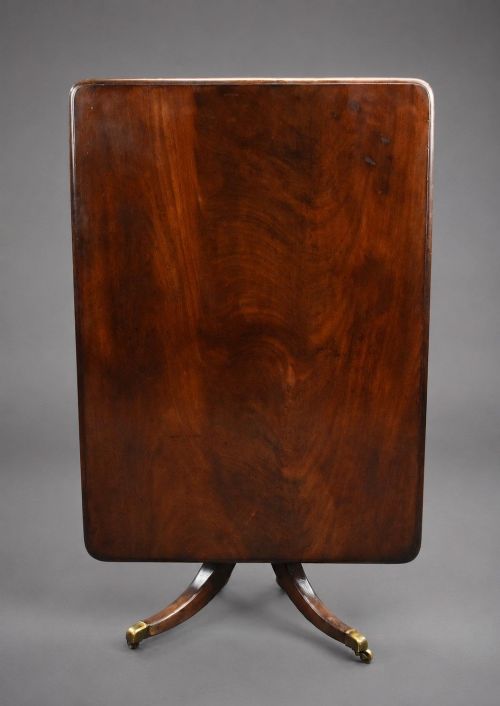
When searching for a georgian tilt top breakfast table, buyers encounter versatile pedestal pieces designed to pivot upright against a wall when not in use. The examples on this page span the eighteenth and nineteenth centuries, including George III, Regency, and William IV periods, alongside later Victorian interpretations.
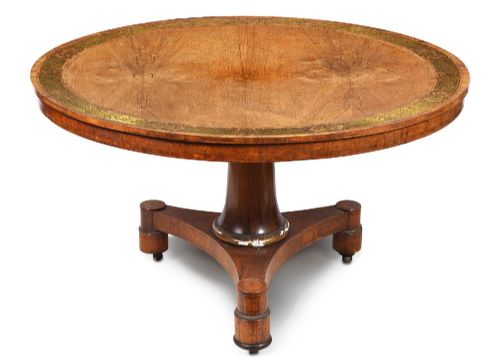
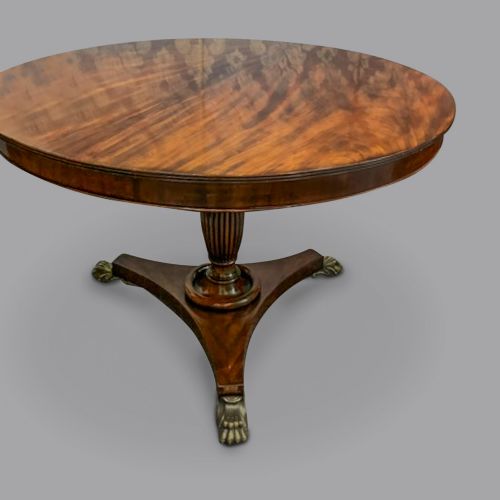
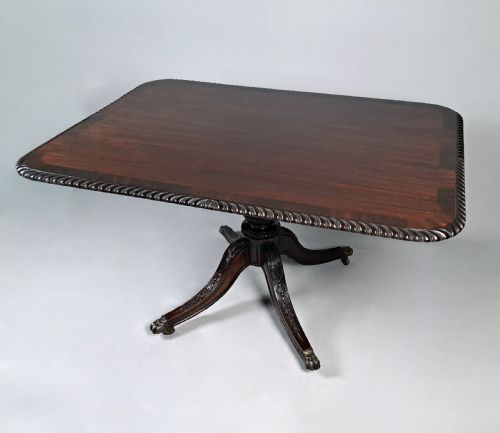
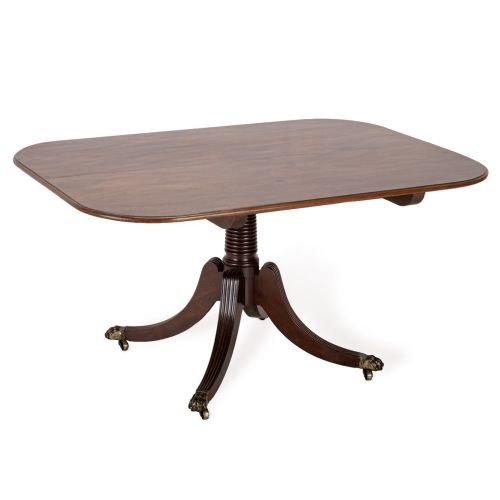
Most pieces met here take circular, oval, or rectangular forms resting on robust tripod or pedestal bases, often seating between four and eight diners. Makers of the period engineered these tables to function as large dining surfaces by day and compact occasional tables by night.
Materials and Construction
Cabinetmakers constructed these tables primarily from solid mahogany and figured veneers such as flame mahogany, rosewood, and satinwood, supported by brass mechanisms and castors. Artisans also utilised oak for structural framing and incorporated intricate stringing, crossbanded borders, and brass inlay to frame the timber tops.
The pivoting mechanism relies on a sturdy block and catch system fitted to a central pillar, allowing the heavy timber top to tilt securely. Tripod legs frequently terminate in brass castors, balancing mobility with the structural strength needed to hold dense hardwoods.
Listings feature woods including mahogany, rosewood, satinwood, and oak across eighteenth and nineteenth-century periods.
Assessing the Craftsmanship
Quality rests heavily on the selection of timber figures, such as plum pudding mahogany or burr elm, where highly decorative grains elevate the visual presence of the surface. Finer examples display precise crossbanding, delicate contrasting wood stringing, and well-proportioned pedestal turnings rather than plain, utilitarian construction.
The integrity of the tilt mechanism and the stability of the central pillar dictate the mechanical success of the piece. Superior workshops ensured that the top locked firmly into the horizontal position without wobble, maintaining a flat surface despite the inherent movement of timber over centuries.
Gillows·Walker-Lancaster·James Mein
The Georgian Tilt Top Breakfast Table Glossary
- Tilt top
- A table mechanism allowing the surface to rotate vertically for storage. This clever hinge design saved valuable floor space in period drawing rooms.
- Crossbanding
- A border of veneer laid around the perimeter of a tabletop with the grain running perpendicular to the central panel. This technique frames the primary timber with a neat, contrasting edge.
- Tripod base
- A support structure featuring three legs radiating from a central column. It provides steady contact on uneven floors.
- Patina
- The surface sheen and depth of colour developed by wood over years of use and polishing. It signals age and gentle care.
Georgian Tilt Top Breakfast Table: Frequently Asked Questions
Can these tables be used for daily dining?
Many of these pieces were built precisely for regular dining and entertaining in period homes. Their sturdy pedestal frames provide ample legroom for seated guests.
Protect the polished wood surfaces from heat and moisture by using appropriate table mats during meals.
How do I distinguish a George III table from a Regency one?
George III pieces typically showcase restrained classical proportions, straight or tapering pillars, and understated mahogany or oak grain. Regency examples often introduce bolder exotic veneers like rosewood, brass inlay, and more sculptural pedestal designs.
Examining the secondary woods and construction methods helps clarify the transition between these stylistic periods.
Where should I place a tilt top table at home?
These tables suit reception rooms, libraries, and large hallways where their dual function shines. Tilting the top upright allows the piece to act as a decorative screen against a wall when floor space is required.
Keep the wood away from direct sunlight and rapid temperature shifts to preserve the finish and prevent veneer warping.