
Brown Oval Dining Table
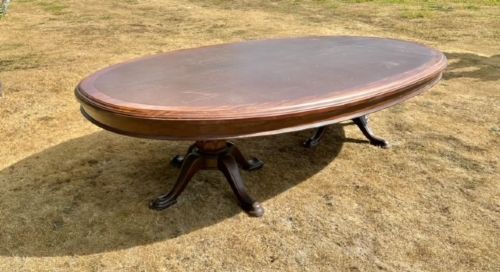
A brown oval dining table brings warmth and proportion to a room, offering a sociable surface crafted in timbers from the seventeenth century onwards.
Brown Oval Dining Table
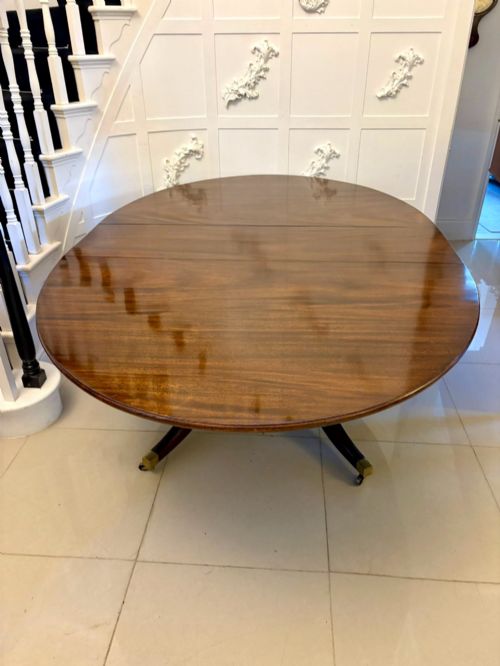
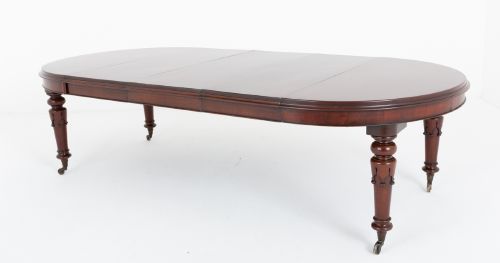
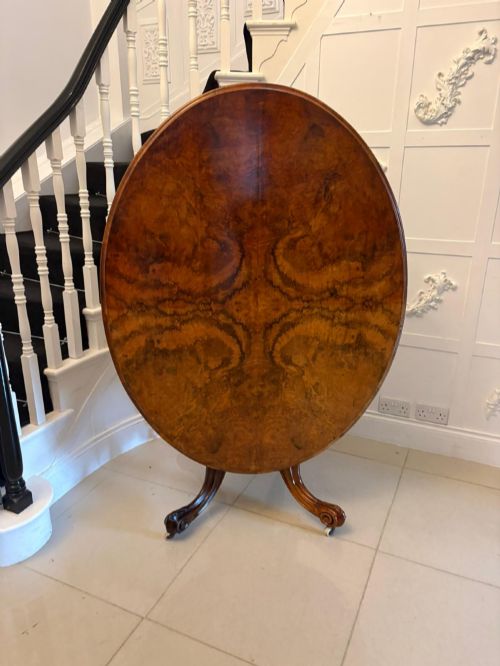
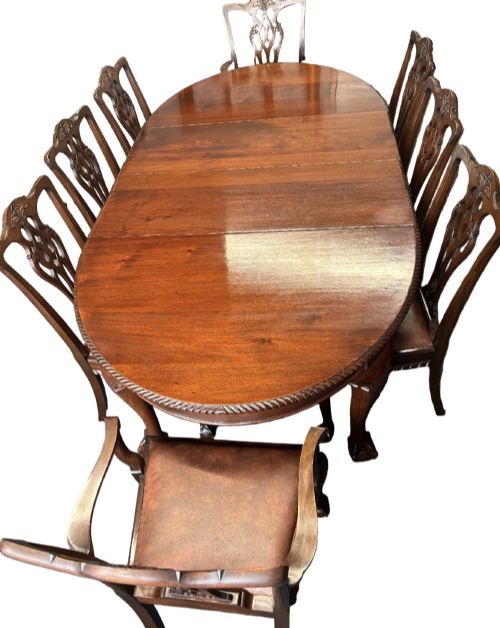
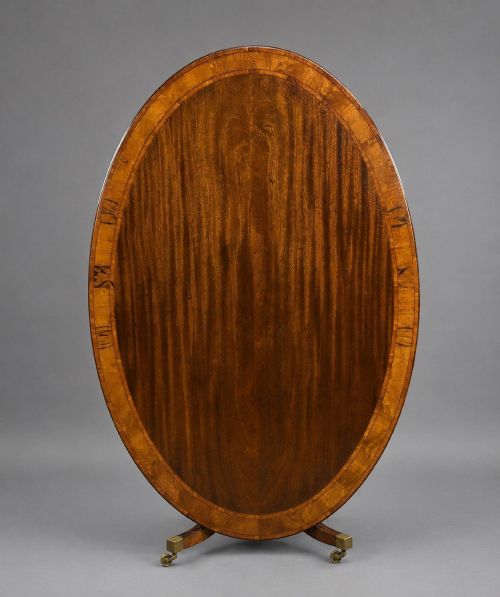
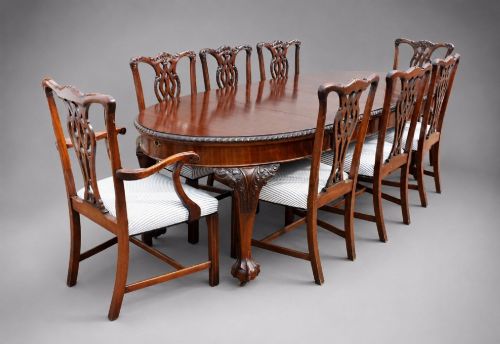
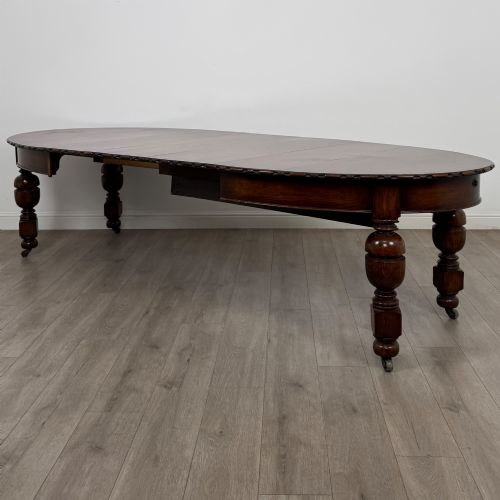
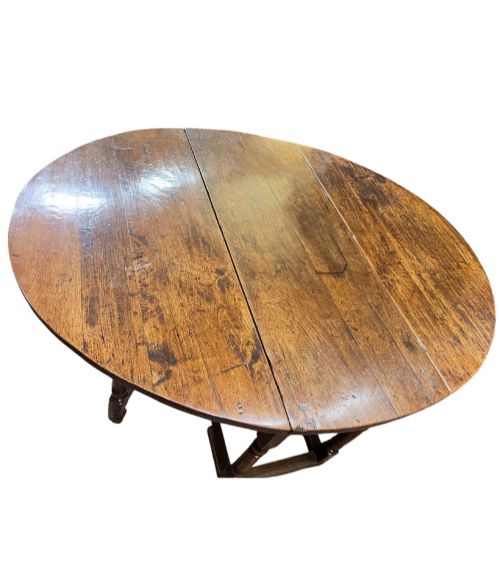
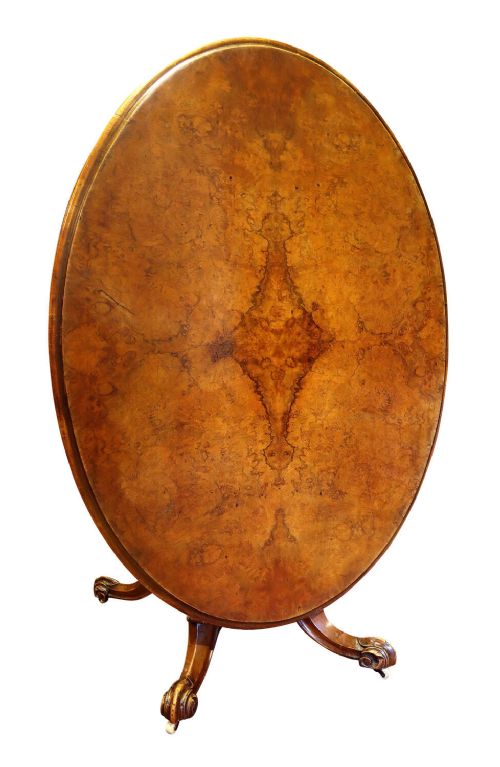
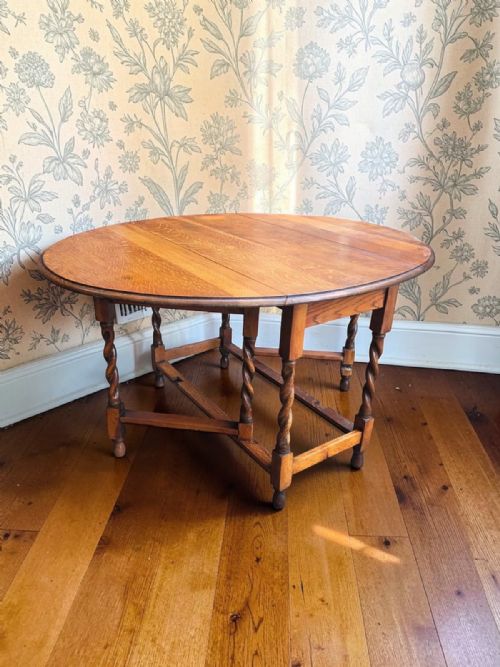
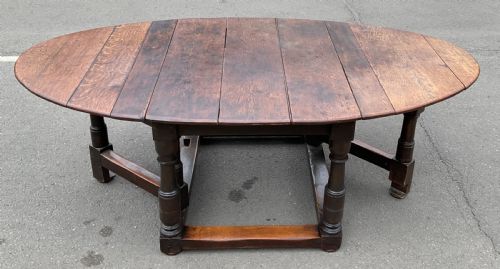
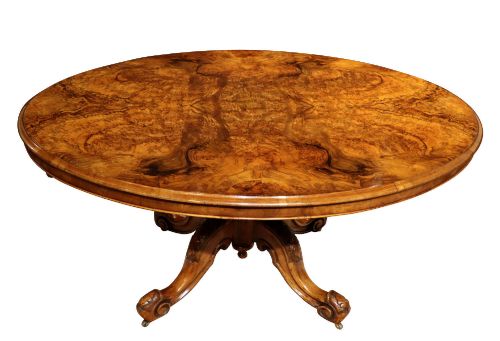
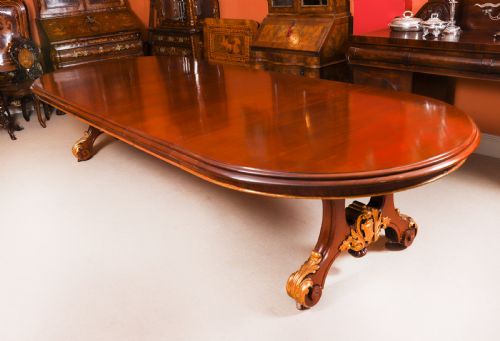
A brown oval dining table spans centuries of cabinet-making, appearing in formats ranging from substantial Victorian loo tables to expansive Edwardian extending boards. Buyers searching for a brown oval dining table encounter versatile drop-leaf gatelegs in oak alongside tilt-top centre tables in burr walnut.
The materials reflect traditional tastes, combining rich mahogany, figured walnut, and solid oak with brass fittings and leather accents. Pieces date from the seventeenth century through to the Edwardian era, encompassing Georgian proportions and Regency styling.
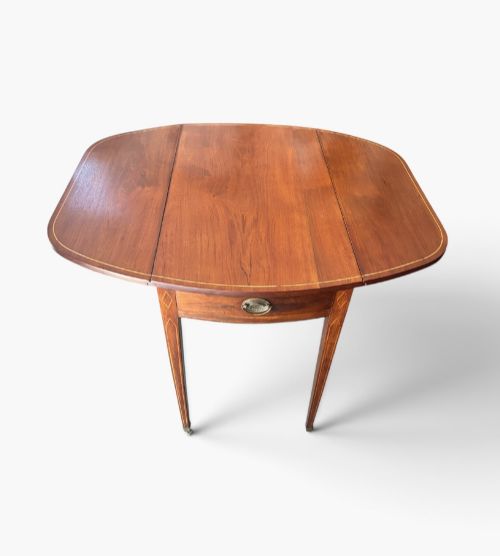
Forms vary from twin pedestal dining tables to French farmhouse designs and Pembroke tables with boxwood inlay. Each format serves the practical requirement of gathering people together while displaying the distinct grain of timber.
Assessing craftsmanship and condition
Quality rests in the selection of the timber and the crispness of the carving, distinguishing utilitarian items from high-status cabinet work. Figured mahogany and burr walnut display superior grain movement and rich patina developed over generations of use.
Structural integrity governs daily utility, seen in the smooth operation of extending leaves, tilt-top mechanisms, and sturdy pedestal bases. The handling of secondary woods and the precision of boxwood or satinwood inlay reveal the maker's competence.
Table forms span Pembroke tables, gateleg drops, twin pedestal dining sets, and large boardroom formats.
Wylie & Lochead
The Brown Oval Dining Table Glossary
- Gateleg table
- A drop-leaf table with hinged legs that swing out to support the opened leaves. This form dates back to the seventeenth century in oak.
- Tilt-top table
- A table designed with a mechanism allowing the top to pivot vertically when not in use. This clever design saved space in smaller rooms.
- Crossbanding
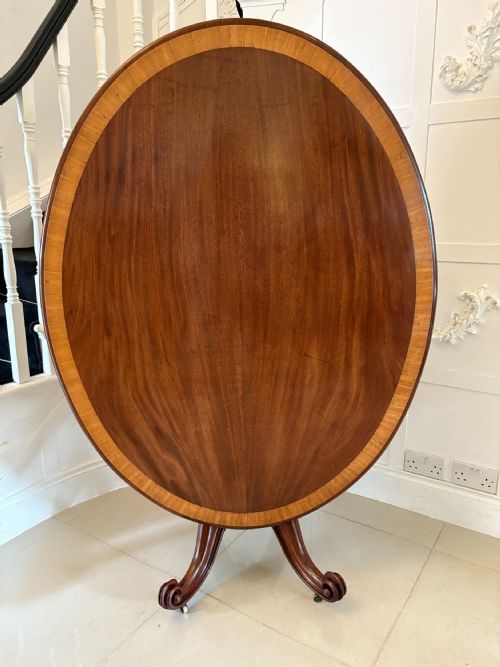
- A border of veneer laid around the edge of a table top so the grain runs perpendicular to the centre. Satinwood was frequently utilised for this decorative contrast.
- Quadrapod base
- A pedestal support resting on four carved legs or feet. Victorian breakfast tables often employed this configuration for stability.
- Patina
- The surface sheen and softened colour acquired by timber through age and polishing. It marks genuine historic furniture.
Brown Oval Dining Table: Frequently Asked Questions
How do I seat guests around an oval table?
An oval shape softens the corners of a room and allows flexibility in seating arrangements without sharp edges. Many examples include extending leaves to accommodate larger dinner parties.
Pedestal and gateleg designs provide ample legroom beneath the top, making it easier to position chairs comfortably.
Are these tables suitable for daily use?
Solid hardwoods like oak, mahogany, and walnut withstand regular domestic life when treated with reasonable care. Using heat mats and coasters protects the polished timber surface from marks.
Periodic wax polishing maintains the moisture balance of the wood and enhances the natural grain.
How do I identify the period of a dining table?
The timber species, construction joints, and decorative style indicate the era of manufacture. Seventeenth-century pieces typically feature heavy oak with gateleg frames, whereas Victorian examples often employ burr walnut and tilt-top mechanisms.
Stylistic revivals in the Edwardian period borrowed heavily from Georgian and Regency designs.
What is a tilt-top table used for?
A tilt-top table functioned as a versatile piece that could be stood against a wall when dining space was required. The mechanism allowed the heavy top to pivot and lock flat.
In parlours, these served as centre tables for display before being pivoted for use.