

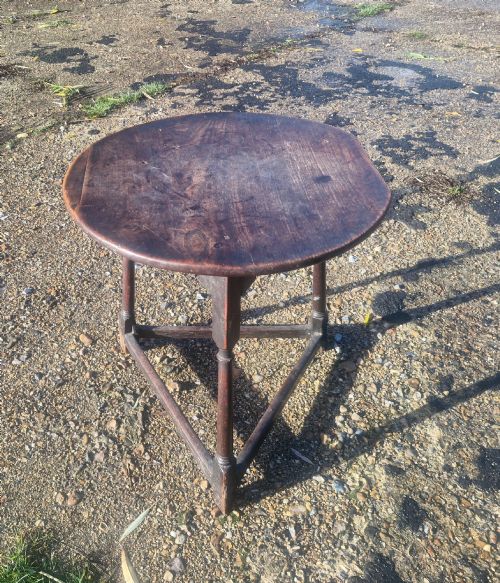
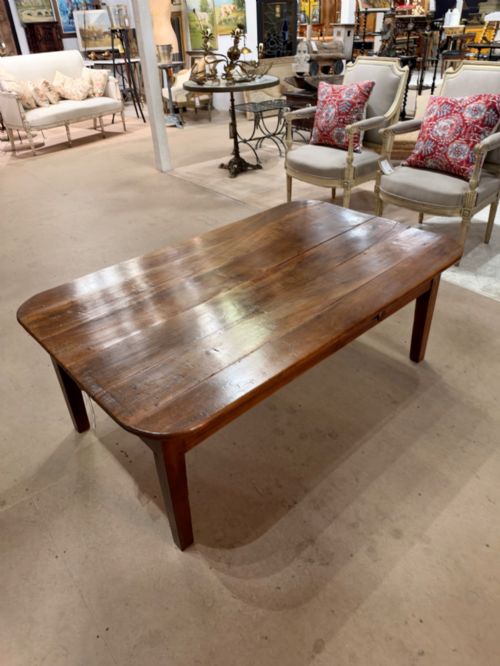
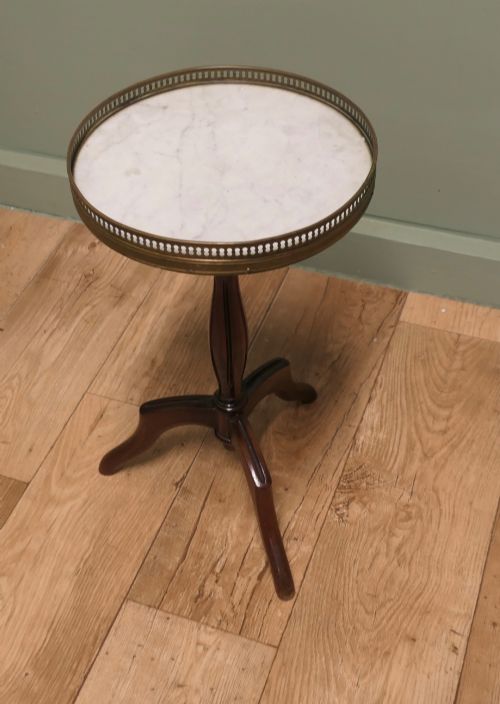
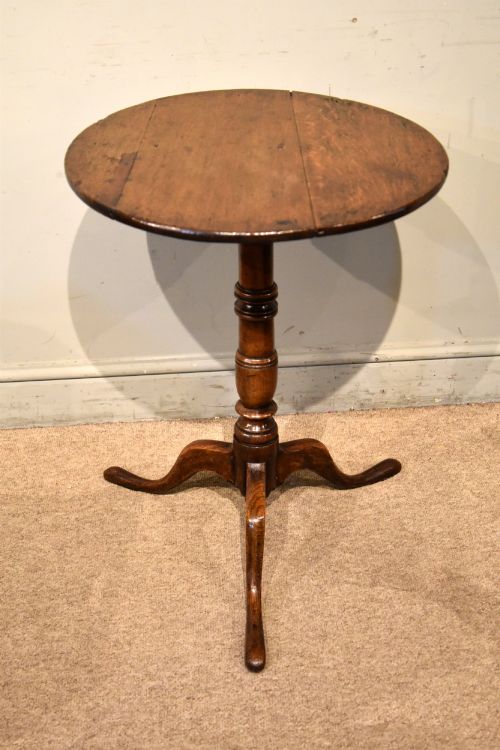
Antique Country Side Table
An antique country side table brings honest utility and vernacular warmth to a room, offering sturdy charm shaped by decades of domestic life.
Antique Country Side Table
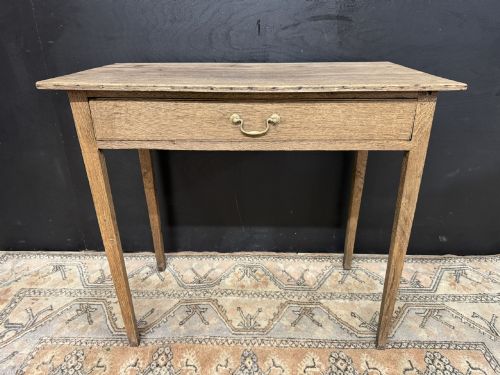
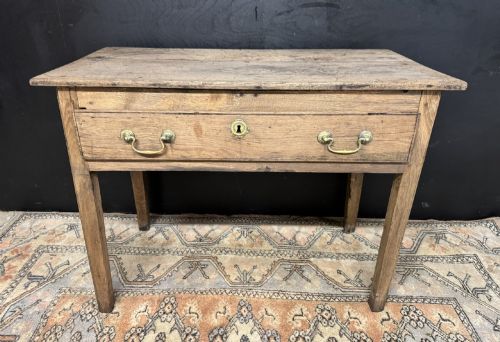
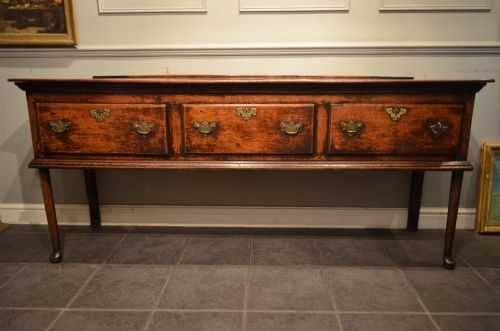
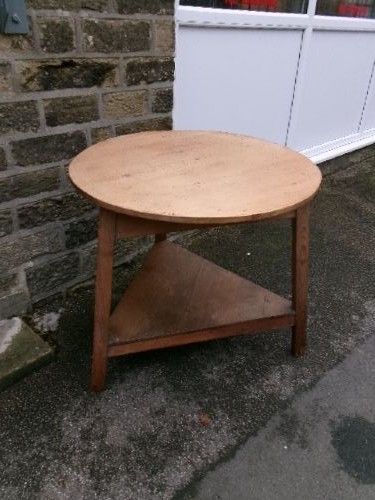
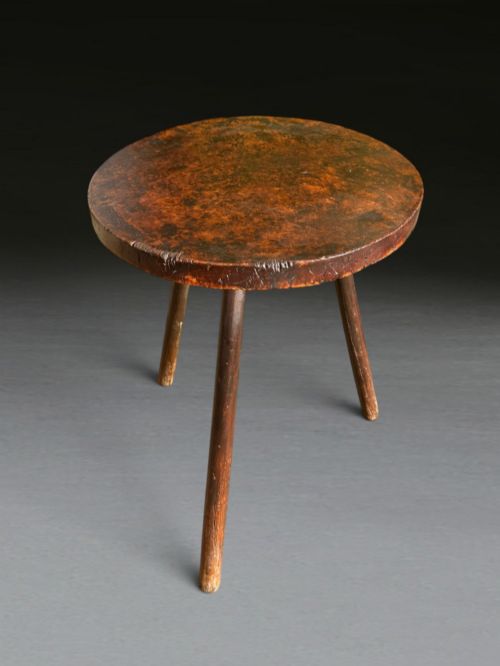
When you search for an antique country side table, you encounter lowboys, cricket tables, and simple drawer-fronted surfaces designed for everyday tasks in provincial homes. These tables span several centuries of regional craftsmanship, originating predominantly from English, French, and Swedish domestic traditions.
The version you are most likely to meet on this page is an oak or pine piece dating from the eighteenth or nineteenth century. Such tables served as practical work surfaces, hall furniture, or bedside stands before entering the antiques market.
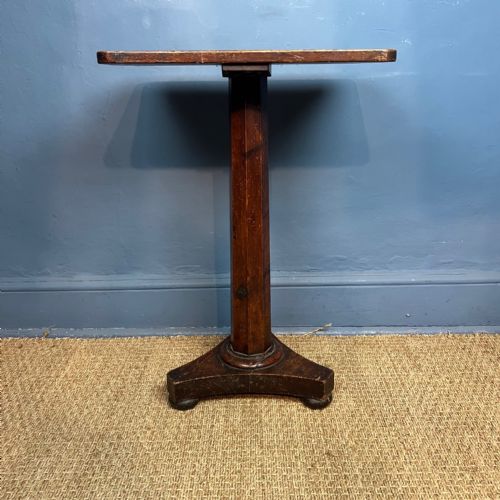
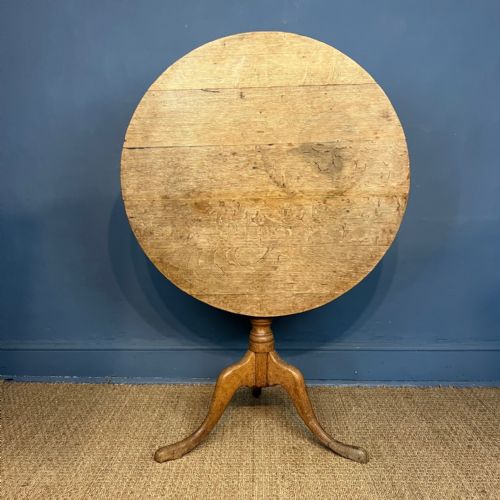
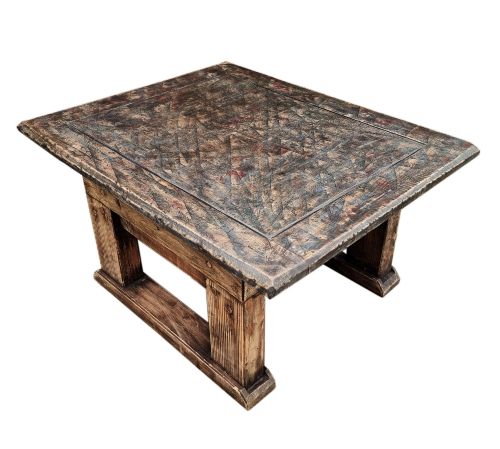
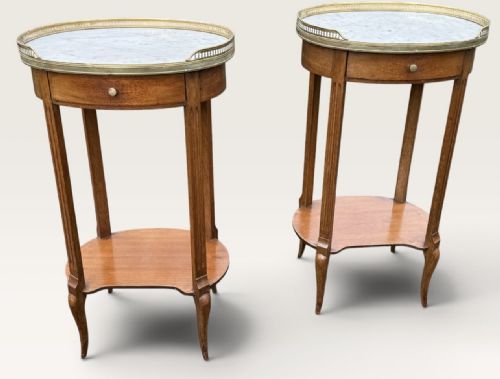
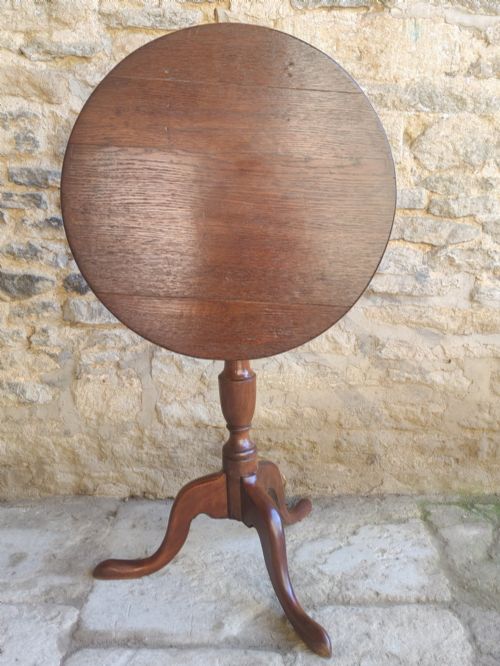
Forms range from tripod bases and drop-leaf mechanisms to rectangular console tables equipped with a single drawer. Their character derives from honest utility rather than courtly ornamentation.
How They Were Made
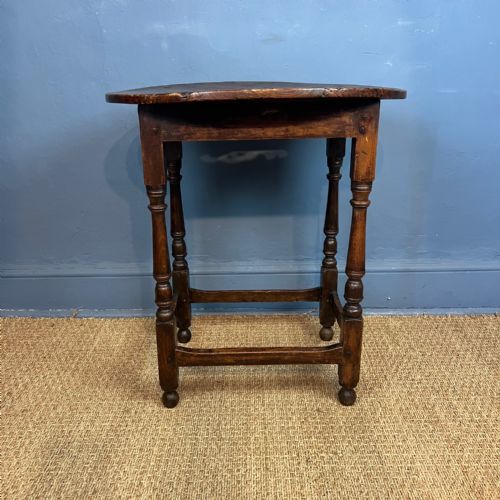
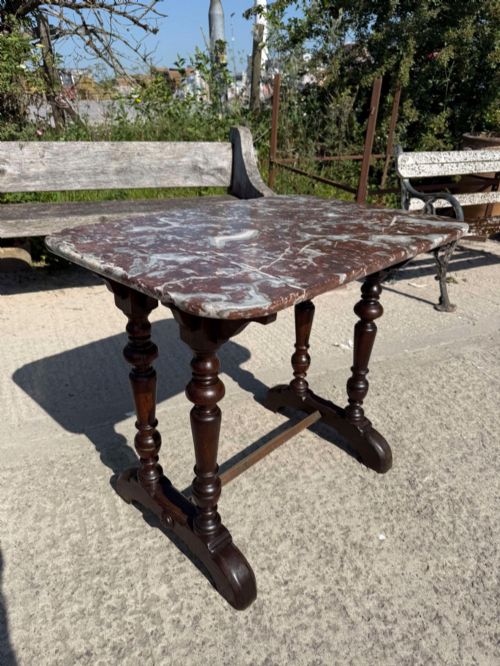
Makers relied on solid native timbers such as oak, elm, fruitwood, and pine, selecting woods for local availability and structural resilience. Boards were joined using traditional pegged mortise and tenon construction, while turned legs provided stable support under heavy daily use.
Surface treatments included clear wax to nourish the grain, or layers of early paint and scumble finishes that aged through natural wear. Metal fittings were restrained, often consisting of small brass drop handles or iron braces.
Antique Country Side Table Retail Price Guide 2026
Typical asking prices for country side table among the pieces listed under this phrase on Sellingantiques today, from the lower quarter to the upper quarter. They describe what is for sale here now, not the wider market.
Listings feature oak, pine, fruitwood, and elm from the seventeenth to the early twentieth century.
What Varies in Quality
Quality rests in the integrity of the timber and the preservation of original surfaces rather than pristine condition. Tables retaining their early or original paint, patinated drawer linings, and untouched structural fixings command greater interest among collectors.
Proportion and restraint separate vernacular pieces; those with pleasing timber figuring and balanced turnings show superior regional craftsmanship.
The Antique Country Side Table Glossary
- Lowboy
- A small oak or walnut table featuring one or more drawers, typically standing on four legs and used historically as a dressing or side table.
- Cricket table
- A small, lightweight circular table supported by three legs, traditionally designed to stand evenly on uneven stone floors.
- Scumble
- A paint technique used to create mottled or decorative grain effects over a base coat, frequently found on nineteenth-century pine furniture.
- Frieze
- The horizontal band running directly beneath the tabletop, often containing a single shallow drawer in country tables.
- Vernacular furniture
- Domestic items made by local craftspeople using regional materials, prioritising utility over prevailing metropolitan styles.
Antique Country Side Table: Frequently Asked Questions
What rooms suit an antique country side table?
These tables adapt easily to hallways, living rooms, and bedrooms where surface space is needed without a heavy footprint.
Their restrained proportions allow them to sit alongside modern seating or function as bedside stands.
How do I care for an old wooden tabletop?
Keep the timber nourished by applying beeswax periodically and avoiding placement near direct heat sources.
Water should be wiped away promptly to protect the historic wax or oil finish on older woods.
How do I tell an 18th-century table from a later copy?
Examine the drawer construction for hand-cut dovetails and inspect the timber for tool marks consistent with period woodworking methods.
Wear patterns around the edges and feet should reflect genuine age rather than artificial distress.
Were these tables always painted?
Many country tables were left as bare oak, elm, or pine to acquire a natural patina through scrubbing and daily handling.
Painted finishes were applied to protect cheaper woods or to suit regional decorative preferences.