

Antique Country House Table
When you search for an antique country house table, you are looking at substantial timber boards, honest construction and generations of daily use.
Antique Country House Table
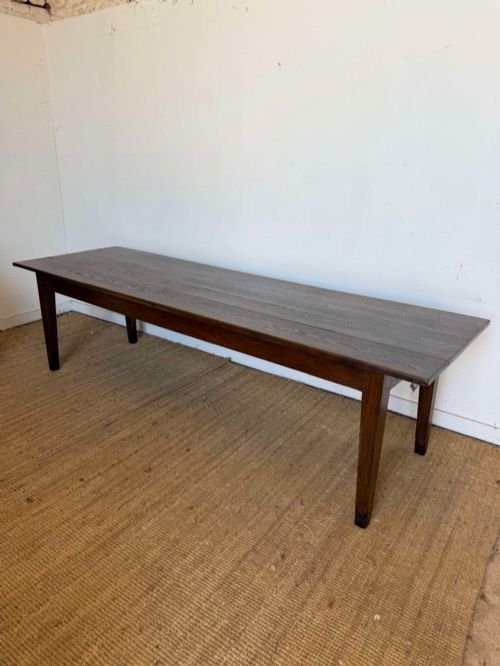
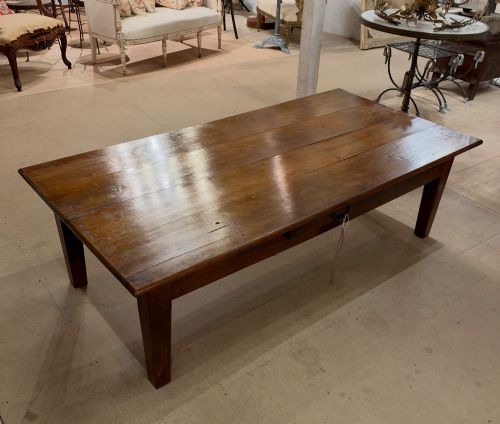
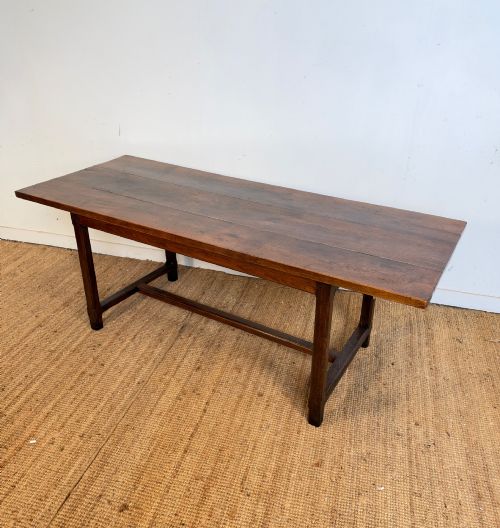
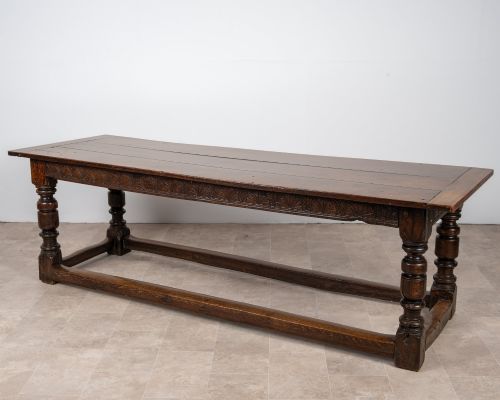
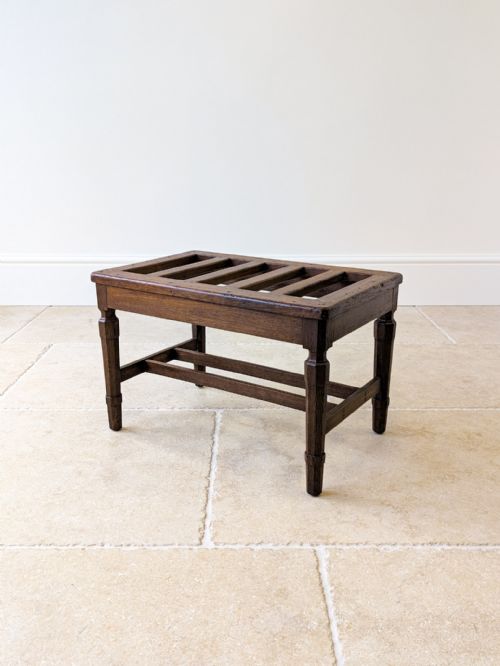
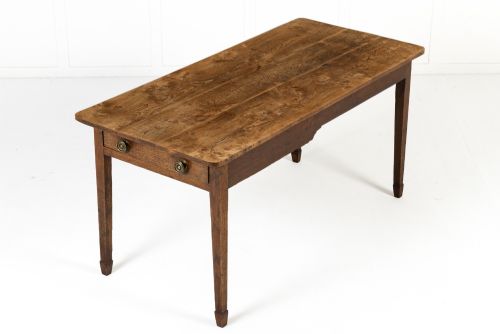
An antique country house table serves as the central gathering place for large halls, kitchens and dining rooms, shaped by centuries of domestic service. The most common examples met here are substantial oak, pine and fruitwood refectory or farmhouse dining tables dating from the eighteenth and nineteenth centuries.
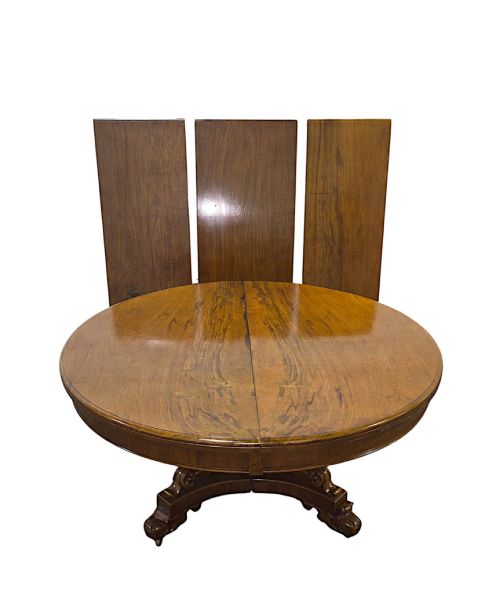
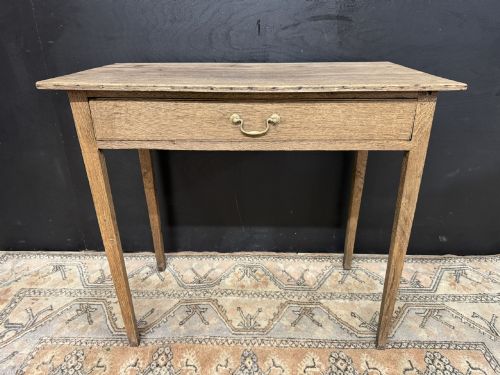
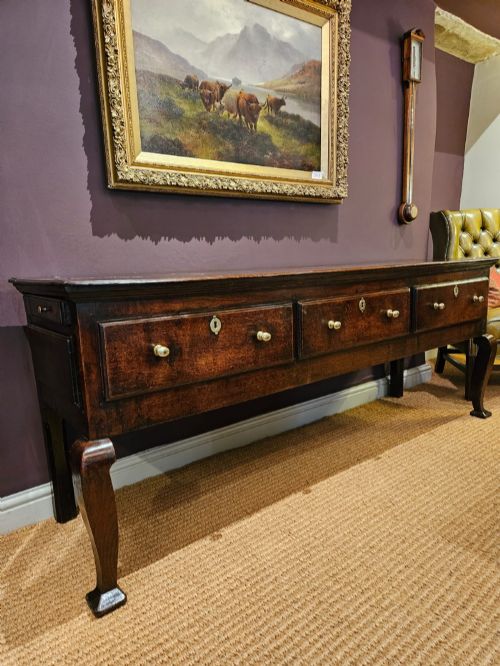
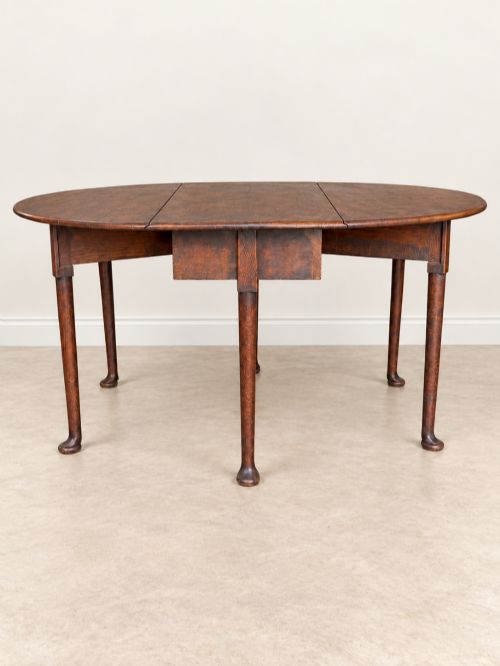
These pieces also include smaller side tables, serving tables, console tables and occasional tables built for functional roles across large estates. Their forms range from simple plank tops on trestle or bobbin legs to grander gateleg and drop leaf designs executed in walnut or mahogany.
Originating largely from English, Scottish and regional country houses, these furnishings reflect the practical needs of estate life rather than urban fashion. They carry the marks of hard work, scrubbed surfaces and utilitarian modifications made over generations.
How they were made
Construction relies heavily on native timbers such as solid oak, elm, fruitwood and pine, chosen for structural strength and local availability. Carpenters joined thick plank tops to sturdy underframes using pegged mortise and tenon joints designed to withstand heavy daily use.
Surface finishes developed naturally through decades of waxing, scrubbing and handling, though some examples retain traces of earlier paint or verdigris. Turnery on legs utilised simple lathes to produce bobbin, taper or pad foot supports without excessive ornamentation.
Antique Country House Table Retail Price Guide 2026
Typical asking prices for country house table among the pieces listed under this phrase on Sellingantiques today, from the lower quarter to the upper quarter. They describe what is for sale here now, not the wider market.
Common forms span refectory dining tables, cricket tables, gateleg tables, serving tables and occasional side pieces.
What varies in quality
Quality rests in the integrity of the timber selection and the degree of original surface preservation. Tables retaining their unblemished board thickness and honest, faded patination stand above those stripped back too harshly or rebuilt with modern timber.
Proportion and structural balance separate utilitarian workhorses from finer estate pieces, particularly where refined leg turnery meets thick, well-joined tops.
The Antique Country House Table Glossary
- Refectory table
- A long dining table traditionally used in communal halls and later adopted in large country houses for family dining. These pieces feature elongated timber tops supported by sturdy trestles or four legs connected by stretchers.
- Gateleg table
- A drop leaf table where the hinged leaves are supported by swinging legs that pivot outward like a gate. This construction allows the table to be folded down compactly when not in use.
- Cricket table
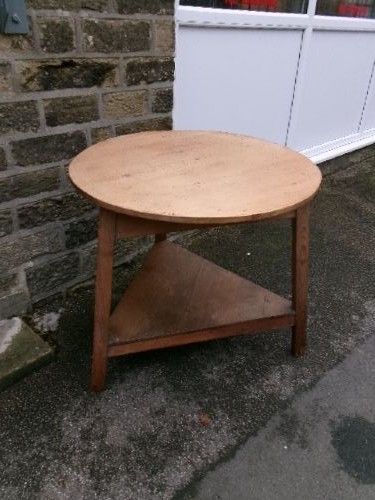
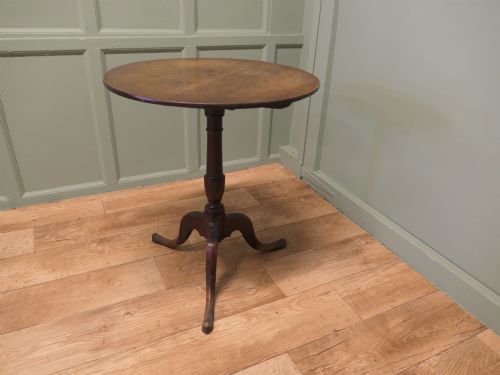
- A small, lightweight occasional table typically featuring three splayed legs and a circular top. The three-legged design provided stable footing on uneven stone floors found in older country houses.
- Patina
- The surface sheen and colour built up on wood over centuries through handling, light exposure, waxing and cleaning. A desirable finish shows depth and softness rather than flat modern varnish.
- Low boy
- A small eighteenth-century dressing table or side table with one or more drawers beneath the work surface. These pieces typically stand on slender cabriole or straight legs.
Antique Country House Table: Frequently Asked Questions
What is an antique country house table?
An antique country house table is a heavy wooden furniture piece built for large estate dining rooms, kitchens or hallways, usually dating from the eighteenth or nineteenth century.
These tables were constructed from robust timbers like oak, pine, fruitwood and elm to serve practical daily functions for families and estate staff over generations.
How were these tables used originally?
They served primarily for large communal meals, food preparation, estate administration and social gatherings in the main rooms of large country houses.
Smaller versions functioned as side tables, tea tables or writing desks, moving between libraries, drawing rooms and private chambers as household needs shifted.
How do I live with a country house table?
Living with one of these pieces involves embracing its historic marks, scuffs and uneven timber boards as evidence of its long domestic history.
Regular waxing helps maintain the dry, honest surface of the wood while protecting the aged patina from everyday moisture and heat.
How can I tell the period of a table?
Dating relies on observing construction methods, tool marks, timber species and leg turnery styles associated with periods like the Georgian era or the Victorian age.
Earlier pieces often display pegged joints and native fruitwoods or oaks, while later nineteenth-century examples frequently utilise softer pine or machine-sawn components.