


Antique Wooden Prep Table
An antique wooden prep table brings honest utility to a room, offering sturdy work surfaces shaped by generations of practical domestic labour.
Antique Wooden Prep Table
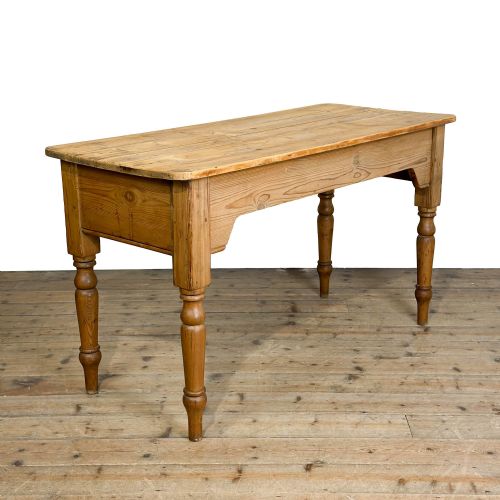
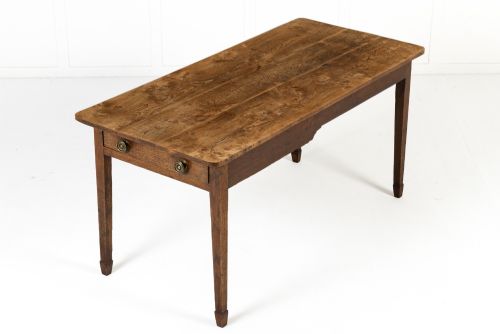
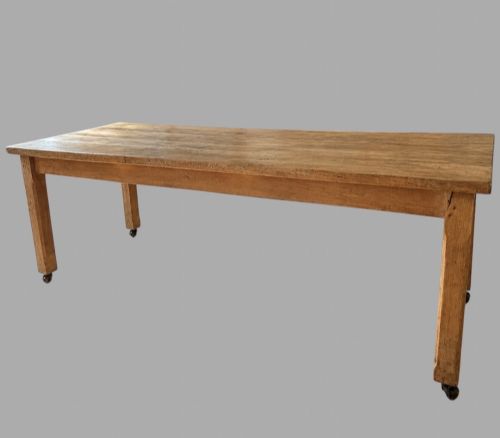
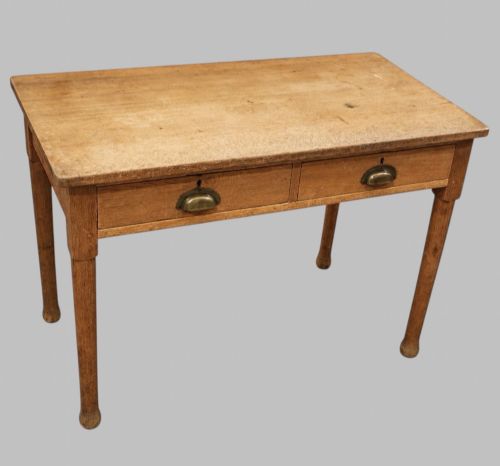
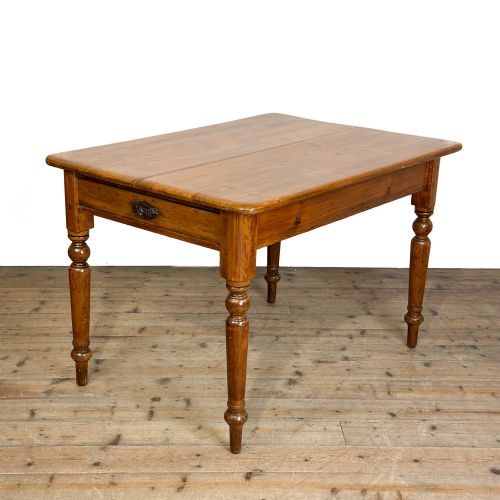
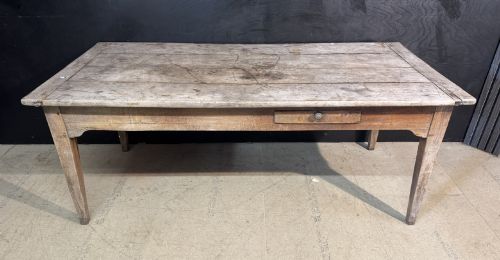
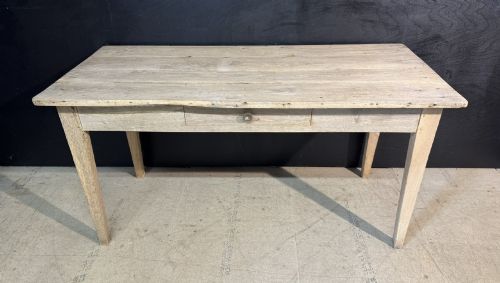
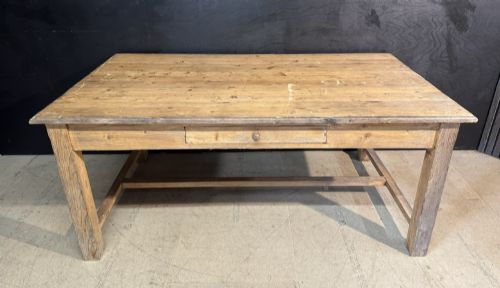
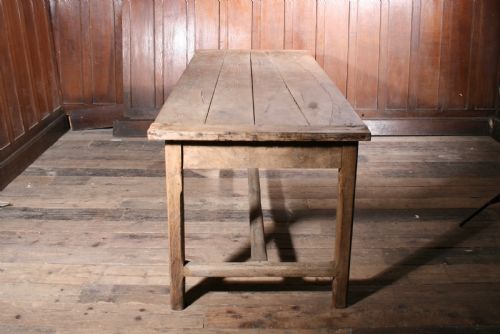
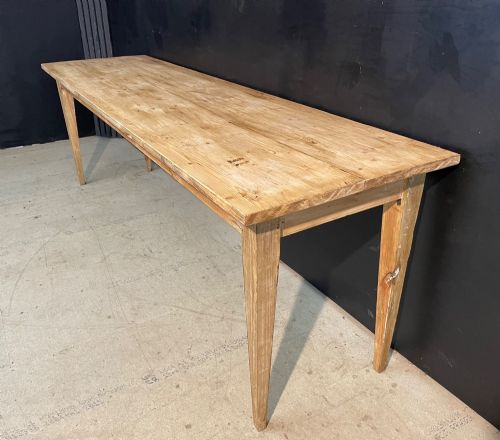
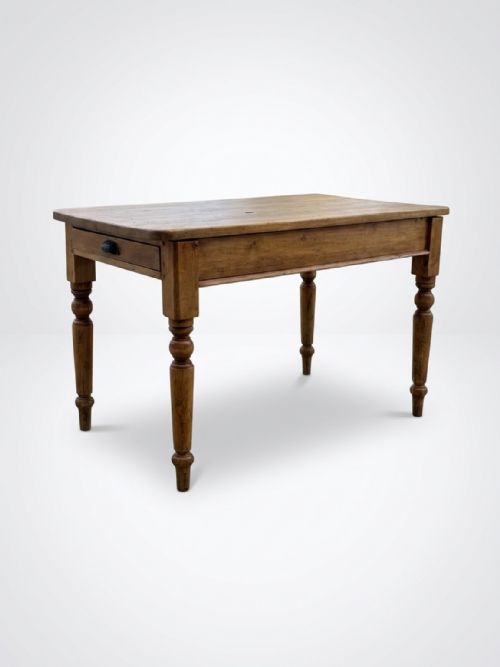
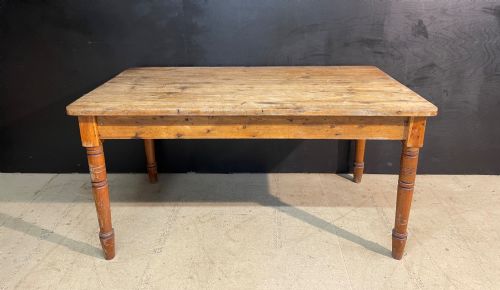
An antique wooden prep table represents the hardworking heart of historical domestic spaces, built to endure rigorous daily use in kitchens, sculleries, and dairies. When exploring this selection, buyers encounter forms that span robust farmhouse tables, dedicated bakers prep surfaces, and multi-tiered work tables.
The most common iterations on this page are fashioned from pine and oak, often bearing the distinct marks of culinary labour and utilitarian design. Pieces originate from various regional traditions, including English country houses, French provincial settings, and Welsh farmhouses.
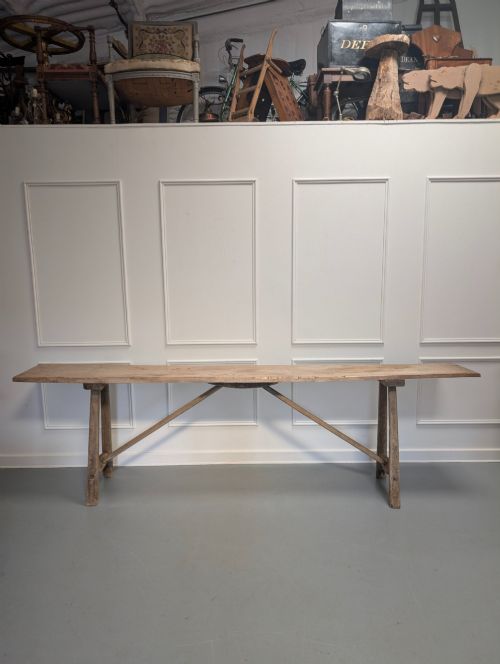
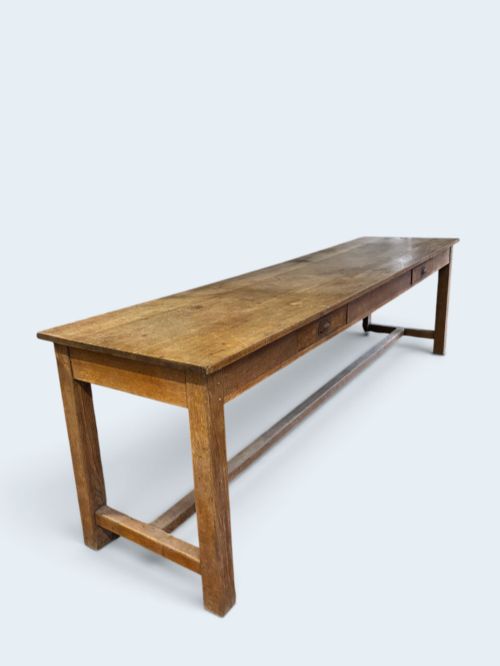
These tables typically manifest as generous kitchen tables, narrow servers, or long harvest tables designed to accommodate active workspace requirements. Their enduring appeal lies in this straightforward function, uniting utilitarian construction with honest historic character.
Construction and materials
Makers relied primarily on sturdy timbers such as pine, oak, fruitwood, and elm to withstand heavy daily demands, frequently combining scrubbed pine tops with robust oak or fruitwood framing. These woods were chosen for resilience against moisture and impact, ensuring a stable platform for food preparation.
Joinery techniques prioritised strength over ornamentation, employing thick planks, pegged joints, and solid drawers designed to endure constant motion and weight. Iron, brass, and metal hardware occasionally reinforced structural points, while applied paint finishes protected lower frames and legs.
Antique Wooden Prep Table Retail Price Guide 2026
Typical asking prices for wooden prep table among the pieces listed under this phrase on Sellingantiques today, from the lower quarter to the upper quarter. They describe what is for sale here now, not the wider market.
Periods represented in this selection span the Victorian era, the nineteenth century, and the early twentieth century up to the nineteen thirties.
Assessing quality and character
Quality in these utility surfaces rests upon the integrity of the original construction, the thickness of the timber top, and the balance of proportions. Superior examples retain their original structural timber without excessive replacement, maintaining the honest integrity of their working life.
The degree of honest patina, surface wear, and the retention of original painted finishes on bases distinguish finer specimens from heavily altered pieces. A well-preserved grain, taut joints, and harmonious proportion elevate a utilitarian work surface into a compelling historic object.
The Antique Wooden Prep Table Glossary
- Scrub top
- A wooden table top lightened through frequent scrubbing with water and sand to maintain hygiene in a kitchen or dairy. This process creates a pale, tactile surface texture.
- Scullery table
- A heavy utilitarian table utilised for messy kitchen tasks such as washing up, scaling fish, and preparing vegetables. These pieces typically feature robust timber construction.
- Harvest table
- An elongated dining or work table traditionally used to feed large agricultural working parties during seasonal gathering. They offer exceptional length and substantial legroom.
- Drapers table
- A long, wide table originally utilised in mercers and drapery shops for measuring and cutting cloth. They frequently incorporate lower shelves or multiple drawers for storage.
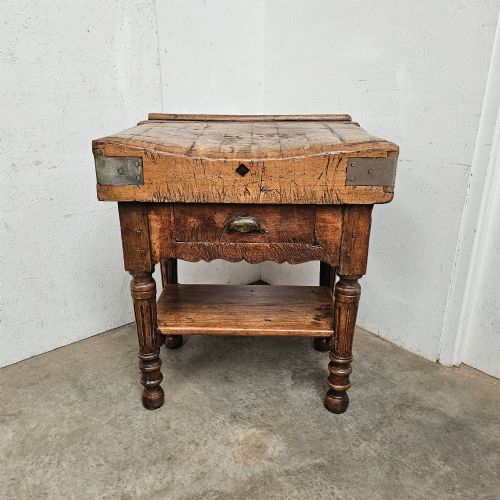
- Butchers block
- A thick, solid block of timber end-grain designed to absorb the heavy impact of cleavers and chopping knives. These dense surfaces show deep historical indentations from daily culinary use.
Antique Wooden Prep Table: Frequently Asked Questions
What is an antique wooden prep table?
An antique wooden prep table is a utilitarian piece of historic furniture originally designed for food preparation, baking, or domestic chores in kitchens, dairies, and sculleries. These tables prioritise robust construction and functional workspace over decorative refinement.
They typically feature thick wooden tops, stable legs, and occasionally drawers or lower tiers for storing utensils. Their honest construction reflects the demanding practical requirements of historical domestic labour.
How were these tables used historically?
These tables served as the central workstation for daily household tasks, including kneading bread, chopping meat, rolling pastry, and assembling meals. In dairies and sculleries, they provided stable, water-resistant surfaces for washing and sorting produce.
Because they were meant for hard work, they stood at the centre of domestic activity. Their surfaces accumulated the scars and stains of daily use long before entering the antique market.
How do I care for a scrubbed pine top?
Caring for a scrubbed pine top involves gentle cleaning with mild soap and water, avoiding harsh chemicals that strip the natural dry texture of the wood. Regular wiping maintains the pale, tactile quality prized in these historical surfaces.
Applying occasional clear beeswax can nourish the timber without creating an unwanted glossy finish. Protecting the surface from excessive moisture preserves the integrity of the antique wood.
Can I use an antique prep table daily?
These tables are exceptionally well-suited for daily modern use because they were originally built to endure heavy physical labour. Their sturdy frames and solid timber tops easily accommodate contemporary kitchen activities and dining.
Using boards for heavy chopping protects the historical surface from fresh deep cuts while letting you enjoy the table as an active part of your home. Their durable nature makes them practical additions to busy modern spaces.