


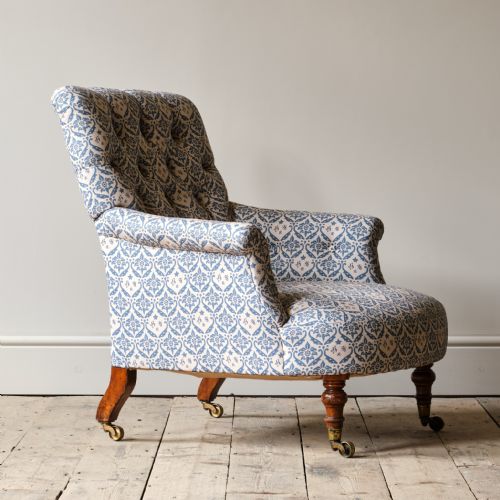
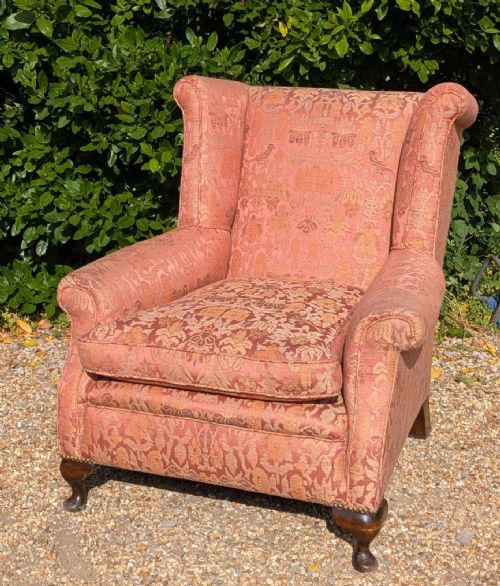
Antique Country Fireside Chair
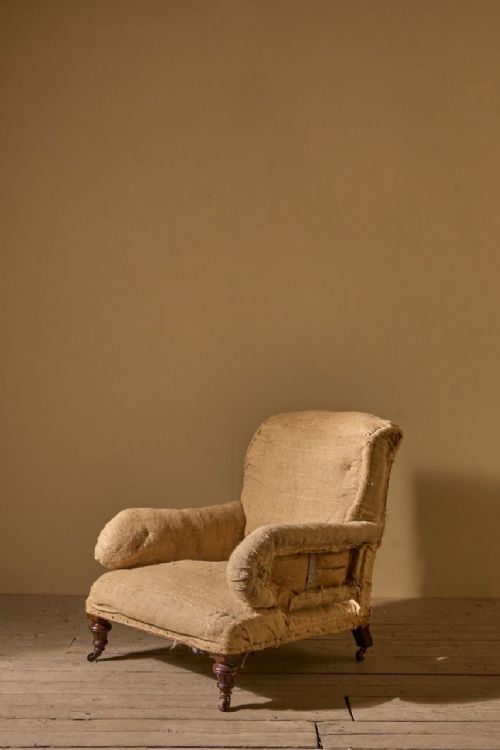
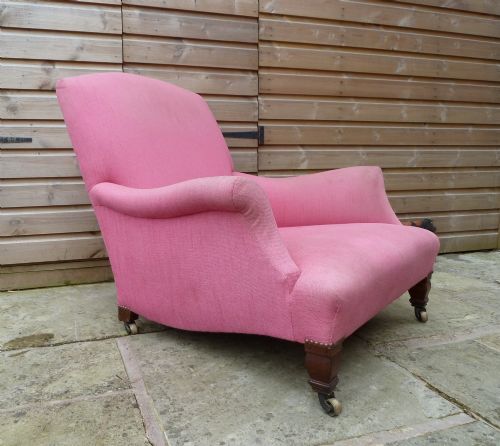
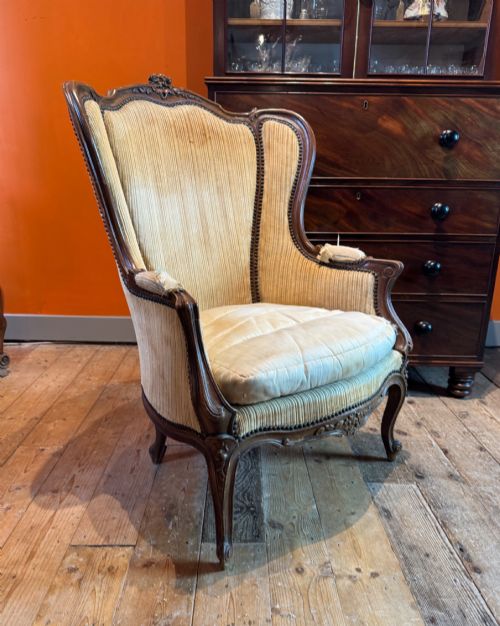
An antique country fireside chair offers robust timber construction and deep comfort, developed for the hearth across centuries of rural domestic life.
Antique Country Fireside Chair
When searching for an antique country fireside chair, buyers encounter robust domestic seating designed primarily for warmth and utility near the hearth. The examples gathered here span from the eighteenth century through to the early twentieth century, reflecting the durable traditions of rural cabinet making and vernacular design.
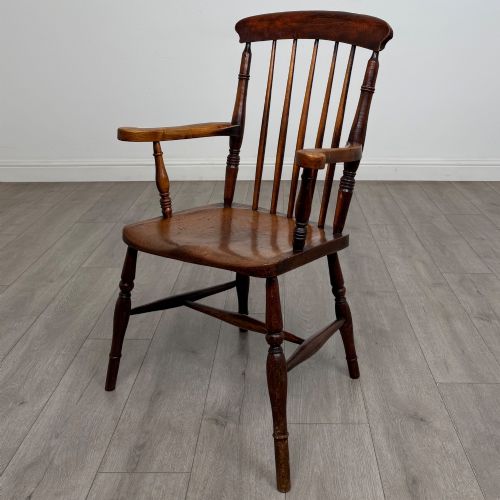
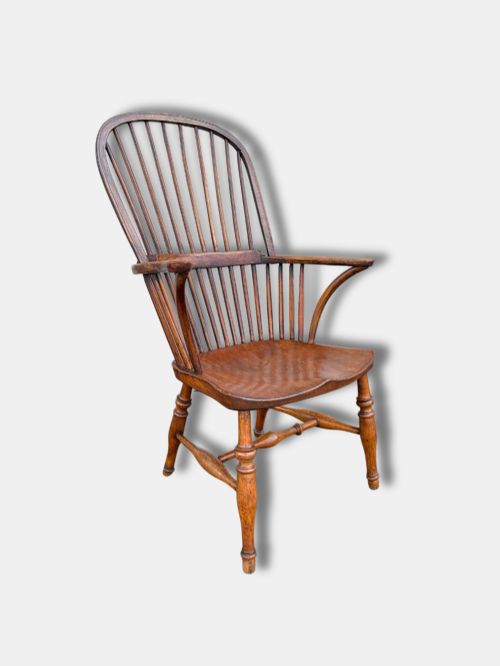
The version most commonly met on this page is the Windsor chair, particularly stick back, comb back, and wheel back variations originating from English provincial workshops. These forms utilise regional timbers shaped for everyday domestic use, often featuring generous proportions intended to keep drafts away from the sitter.
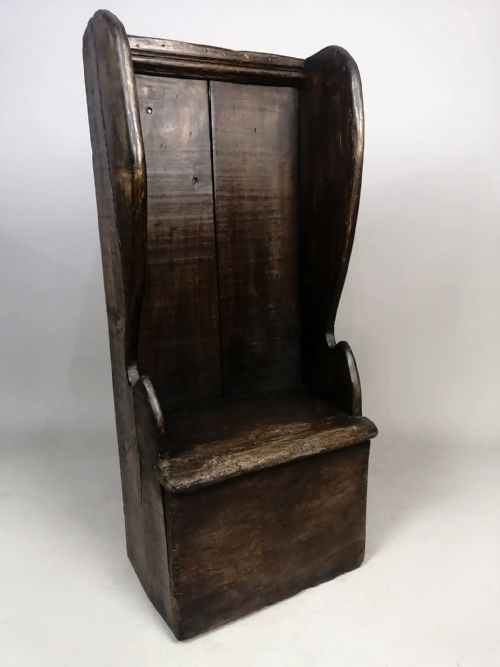
Alongside Windsor chairs, the selection includes low and high back lambing chairs, stick back armchairs, and settles built from solid native woods. These seating forms demonstrate how provincial makers adapted simple constructions to provide necessary support and shelter by the fireplace.
Materials and Construction Techniques
Timbers such as ash, elm, oak, fruitwood, and beech form the structural core of these provincial seats, chosen for their grain strength and flexibility. Elm is frequently utilised for scooped solid seats because it resists splitting when bored and pegged, while ash and beech provide rigid spindles and legs.
Makers employed traditional joinery methods including wedged tenons, through-mortises, and steam-bending to shape curved crest rails and hoops. These techniques ensure the frame remains stable under daily use without relying on excessive metal fixings.
Listings incorporate nineteenth-century Victorian pieces alongside eighteenth-century vernacular examples, constructed primarily from elm, ash, oak, and walnut.
Differentiating Quality in Provincial Seating
Quality in these rural pieces rests upon the integrity of the timber selection and the retention of original surface patination. Chairs fashioned from well-figured native hardwoods with minimal later timber replacement hold greater aesthetic and historical coherence than those heavily restored.
The subtlety of the spindle turning, the comfort and depth of the saddle seat carving, and the balance of the overall proportions distinguish finer workshop output from utilitarian workshop stock. Pieces that retain their structural tightness alongside honest surface wear represent the upper tier of provincial craftsmanship.
Howard and Sons·Gillows·SF Cullen·Mellier and Co
The Antique Country Fireside Chair Glossary
- Windsor chair
- A wooden chair built with a solid sculpted seat into which the legs and back spindles are separately inserted. This construction method provides notable rigidity while keeping the overall frame relatively light.
- Lambing chair
- A traditional high backed fireside seat, often enclosed at the sides to block draughts and sometimes fitted with a small drawer beneath the seat. These were historically constructed from solid oak or fruitwood.
- Comb back
- A Windsor chair variation where the top rail resembles the teeth of a comb, featuring upward-extending spindles topped by a horizontal crest piece. This form offers additional head support for the sitter.
- Vernacular
- An architectural or object style characteristic of a particular locality, constructed by regional makers using local materials without academic design pretensions. Such pieces prioritise practical utility over fashionable ornament.
- Settle
- A wooden bench with high solid arms and a tall panelled back designed to keep out cold draughts from doorways or fireplaces. They often incorporate enclosed storage spaces beneath the seat boards.
Antique Country Fireside Chair: Frequently Asked Questions
What defines a country fireside chair?
These pieces are solid wood vernacular seats built for warmth and comfort near the hearth, often featuring high backs or enclosed sides to block household draughts.
They rely on native timbers like elm, ash, and oak, reflecting the practical requirements of rural domestic life across the eighteenth and nineteenth centuries.
How do I identify a Windsor chair?
A Windsor chair is characterised by a thick solid wooden seat into which the undercarriage legs and upper back spindles are driven directly. This distinct construction separates them from standard framed and upholstered seating.
Variations include stick backs, comb backs, and hoop backs, each utilising shaped wooden components rather than joined upholstery frames.
Were these chairs used only by the fire?
While primarily associated with hearthside warmth, these sturdy seats served multiple domestic purposes in kitchens, parlours, and farmhouses. Their robust construction made them suitable for everyday use throughout the home.
Specific designs like lambing chairs and high-backed settles were explicitly adapted to shield sitters from cold indoor air currents.
How should I care for timber fireside chairs?
Maintenance involves keeping the wood nourished with appropriate natural waxes and avoiding placement near direct heat sources that can dry out the timber. Gentle cleaning preserves the historic patination accumulated over generations of use.
Checking pegged joints periodically ensures the structural stability of the chair remains intact without altering its original fabric.