


Antique Box Seat Chair
An antique box seat chair gives you hidden storage beneath a solid seat, combining practical seating with a chest.
Antique Box Seat Chair
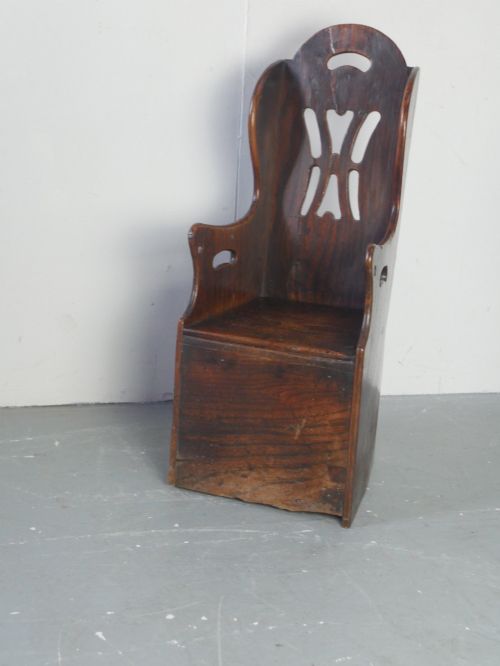
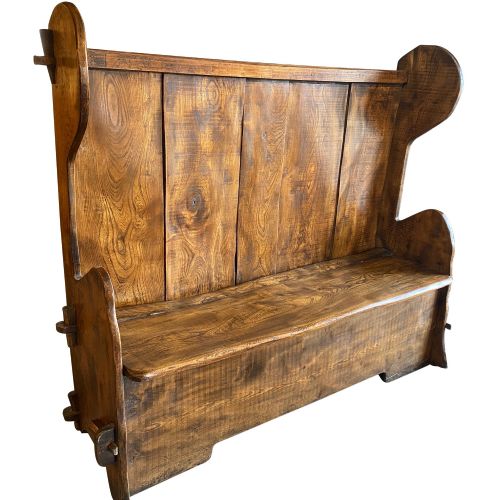
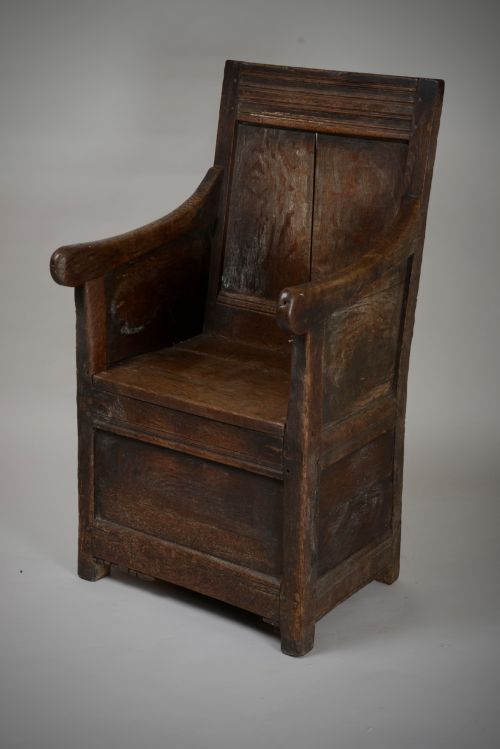
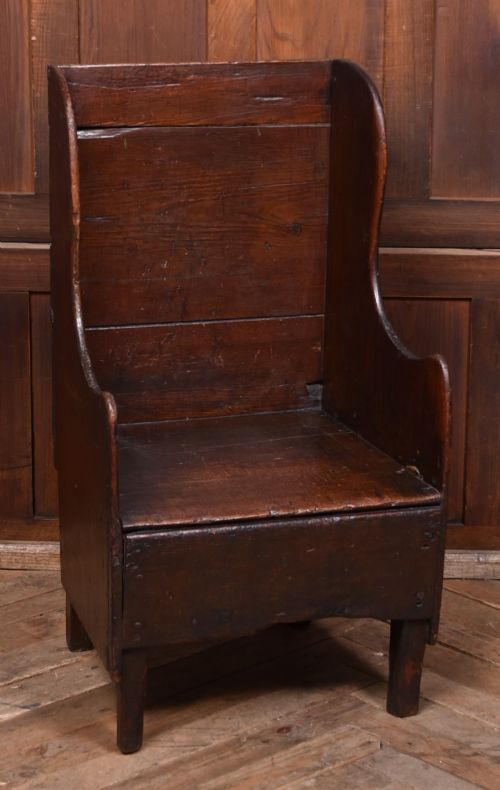
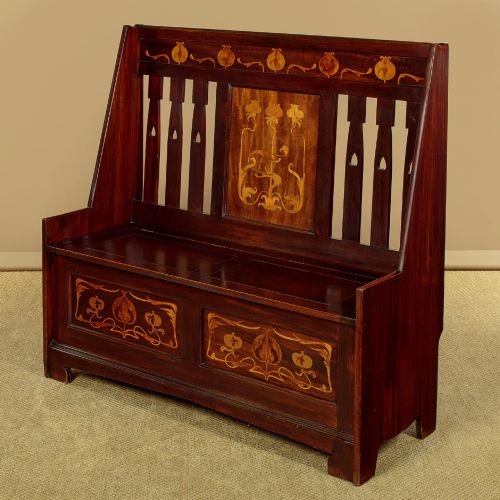
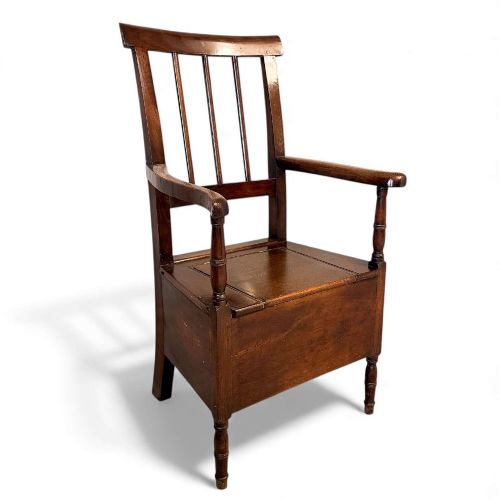
An antique box seat chair combines a traditional seat with an integrated storage compartment beneath the squab or hinged lid. You find these pieces spanning several centuries, ranging from late Elizabethan and 17th century enclosed armchairs to Georgian country examples and later revival pieces.
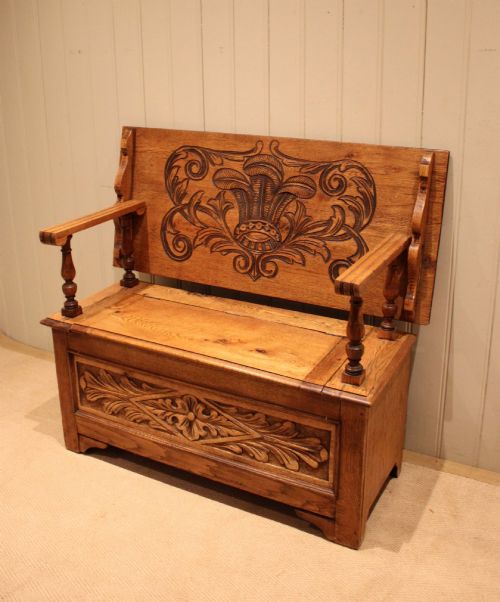
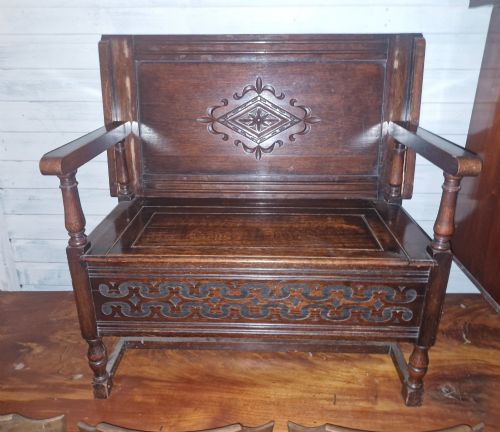
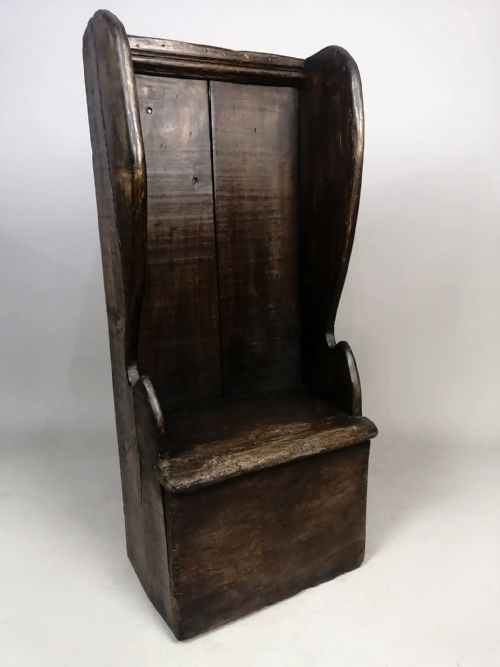
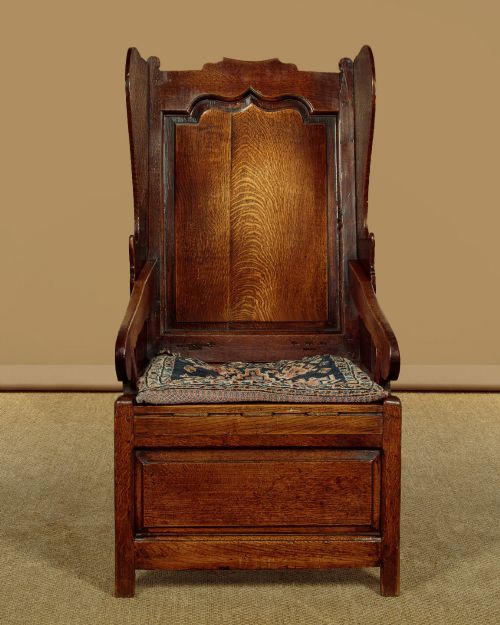
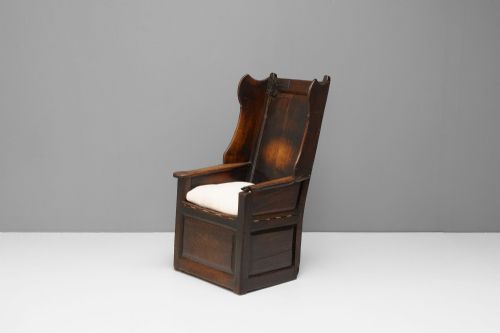
The form appears across various formats in the evidence, including small child's chairs, lambing chairs with hooded backs for draught protection, and monks benches that fold down into tables. Makers shaped them primarily for domestic use in halls, country houses, and farmhouses where storage space was at a premium.
Regional variations include English country designs, Welsh oak child's rocking chairs, Swiss walnut marquetry musical chairs, and painted Hungarian pine settles. This selection reflects diverse vernacular traditions while maintaining the central characteristic of a hollow base beneath the sitting surface.
How they were made
Cabinet makers and vernacular joiners relied heavily on native timbers such as oak, elm, mahogany, walnut, fruitwood, and pine to construct these robust items. Solid construction methods ensured the heavy box bases could withstand daily household use and the weight of seated occupants.
Detailing often included boxwood inlay, carved woodwork, and marquetry, particularly on Swiss and later pieces. Craftsmen also incorporated textiles for upholstery or added paint finishes to pine and regional country surfaces.
Some continental examples conceal musical boxes inside the woodwork, letting the seat play a tune while you sit.
What varies in quality
The grade of timber and the integrity of the box construction dictate the standard of an example. Pieces fashioned from solid oak or figured walnut with tight joinery stand apart from simpler utility items built from soft pine.
The sophistication of the carving, inlay work, and original surface patination distinguish standard vernacular furniture from finer workshop pieces. Authenticity of the hinges and the retention of original timber elements further separate untouched early examples from heavily restored ones.
James Shoolbred & Co.
The Antique Box Seat Chair Glossary
- Lambing chair
- An enclosed armchair featuring high wings and a hooded top designed to block draughts in cold agricultural rooms. These often include a lift-up seat concealing a box compartment.
- Monks bench
- A convertible piece of furniture with a hinged back that folds down flat over the armrests to transform the seat into a table. The base typically forms a box container accessed via the seat.
- Settle
- A wooden bench with a high solid back, carved arms, and an enclosed storage base beneath the seat. They were traditionally placed near hearths to retain heat.
- Marquetry
- The art of applying small pieces of wood veneer to a structure to form decorative patterns or pictures. You see this technique on finer continental examples.
- Vernacular furniture
- Domestic pieces made by local craftsmen using regional styles and readily available native woods rather than following strict classical metropolitan designs.
Antique Box Seat Chair: Frequently Asked Questions
What is a box seat chair used for?
These seats served as practical multi-purpose furniture in historical homes, offering a place to sit by the fire or in the hallway while concealing household goods inside the base.
The enclosed compartment kept items dry and secure, making the furniture popular in domestic settings where storage furniture was scarce.
How do I identify an 18th century chair?
Eighteenth-century examples typically show traditional joinery methods such as pegged mortise and tenon joints, alongside the natural ageing and patination of native timbers like oak and fruitwood.
Construction details and regional vernacular styles help distinguish these earlier pieces from 19th-century revivals and later reproductions.
Where should I place a box seat chair?
They suit entrance halls, living rooms, or large landings where their solid presence and functional storage compartment can be utilised daily.
Keep them away from direct heat sources and rapid temperature changes to protect the dry historic timbers and hinged mechanisms.
What is a lambing chair?
A lambing chair is a specialised regional armchair featuring high wooden wings and a hooded back designed to shelter the sitter from cold draughts in old farmhouses.
Many versions include a box seat base, combining the protective hooded design with enclosed storage beneath.