


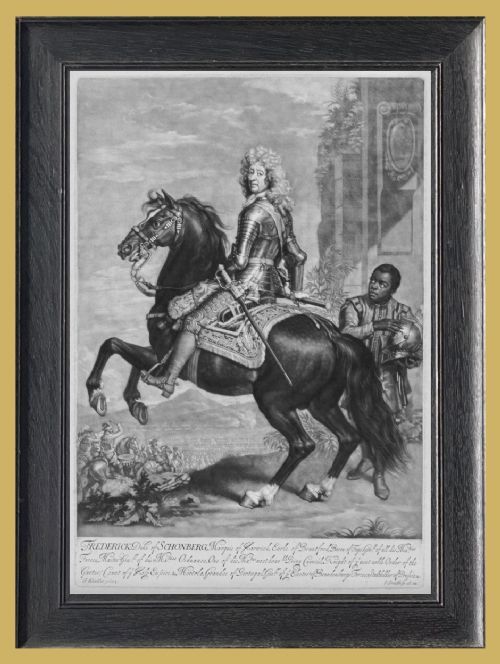
Antique Copperplate Print
When you examine an antique copperplate print, you hold a piece of historical graphic art struck from metal plates during past centuries.
Antique Copperplate Print
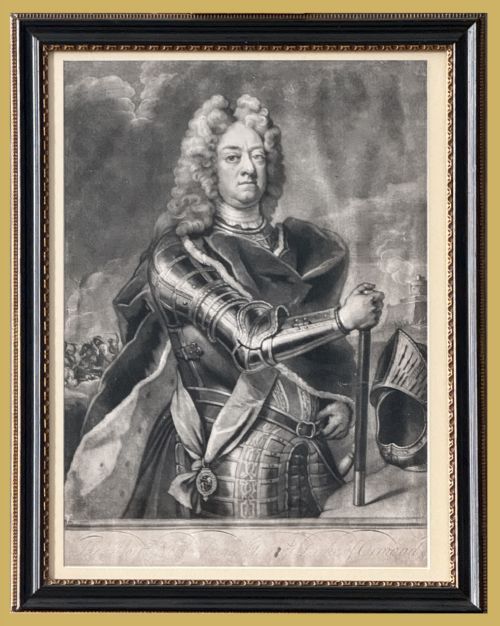
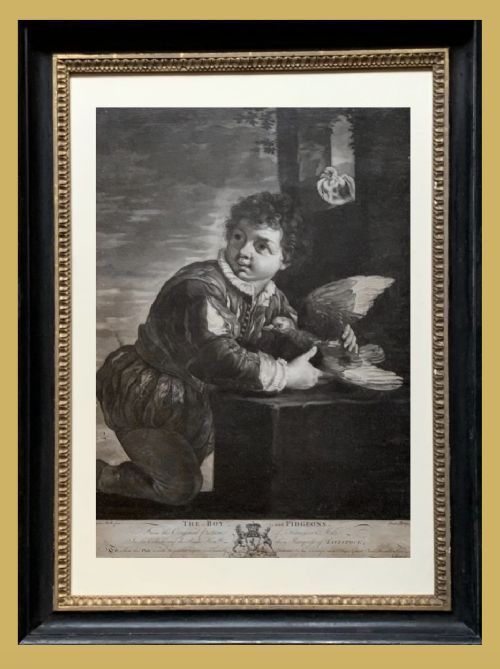
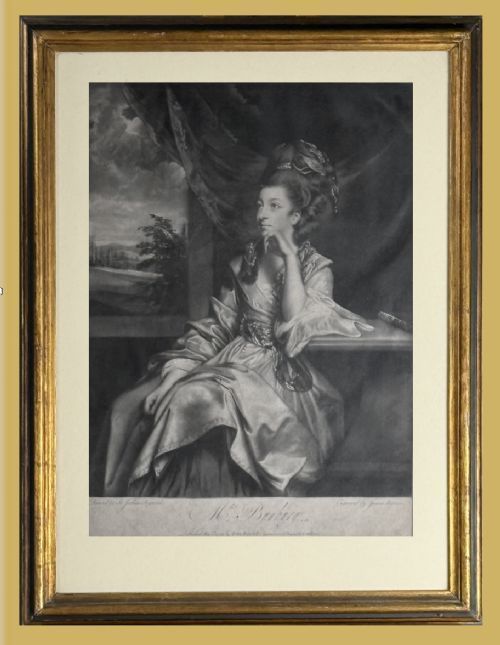
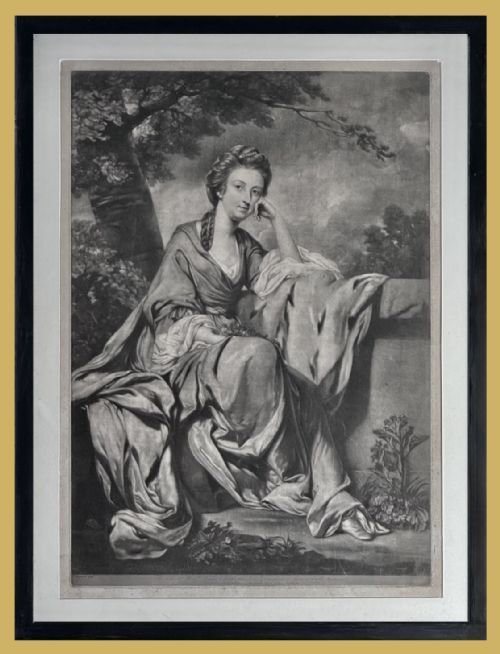
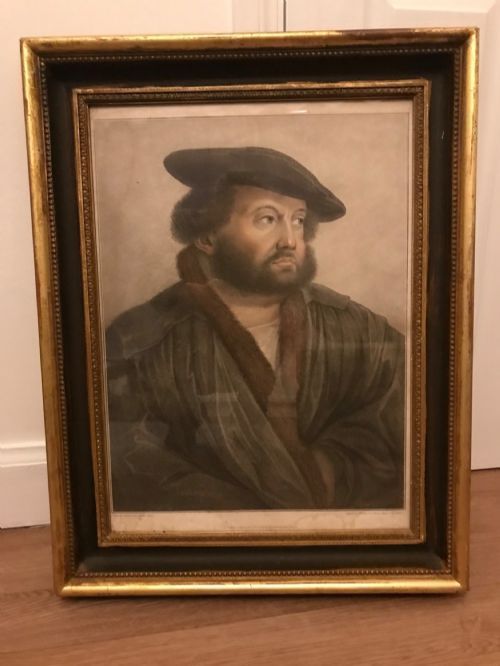
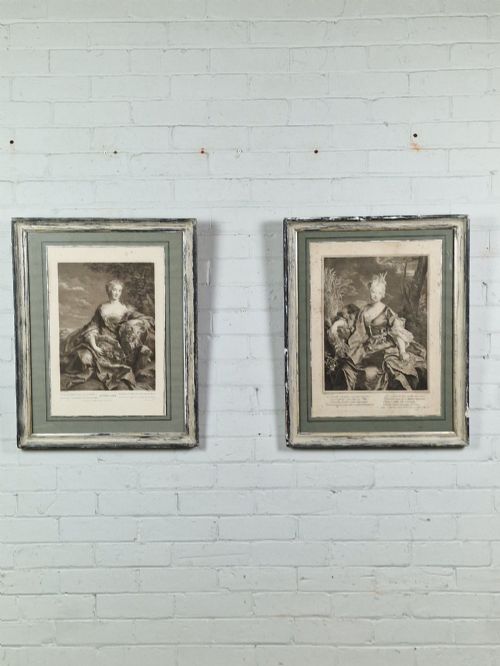
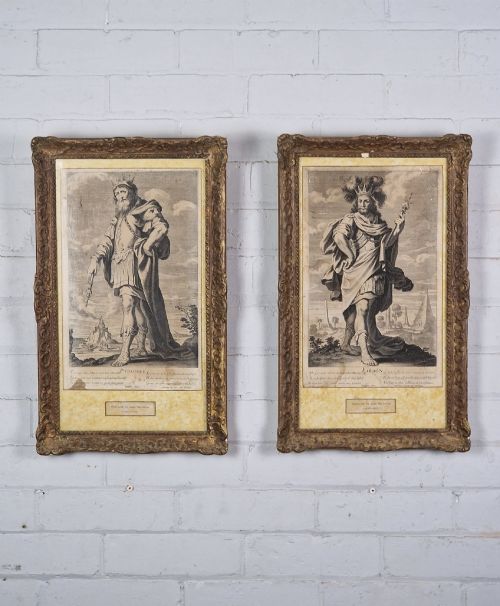
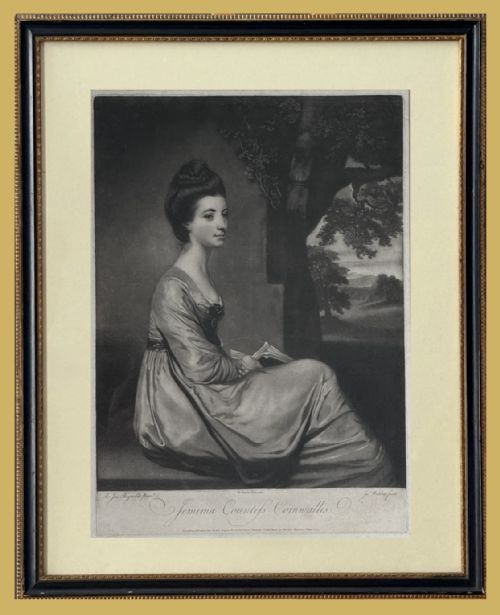
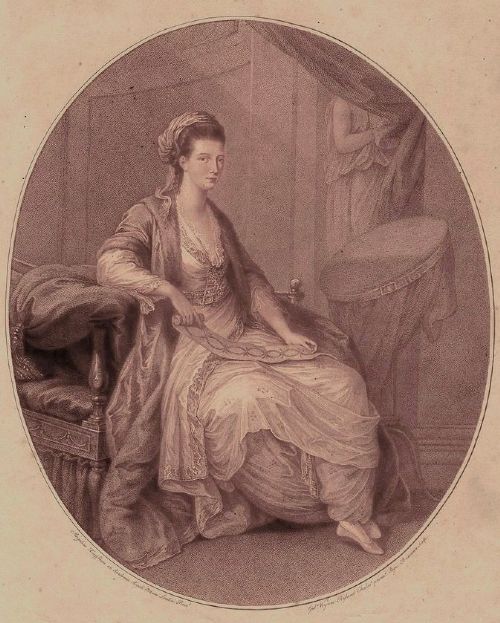
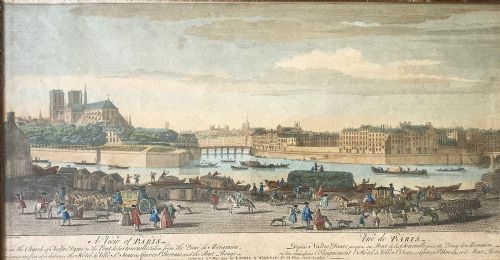
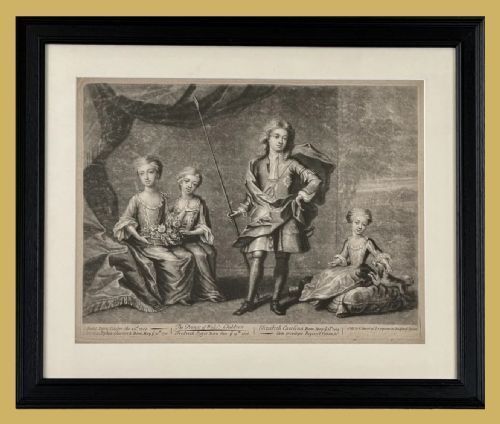
The selections on this page encompass various iterations of antique copperplate print works, spanning the seventeenth, eighteenth, and nineteenth centuries. Buyers encounter framed portraits, topographical maps, architectural studies, and classical scenes rendered in media like mezzotint, stipple engraving, and etching.
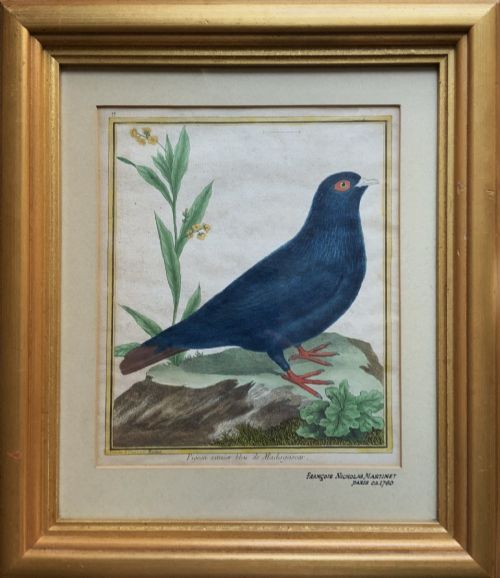
Many examples capture aristocratic sitters, literary subjects, and natural history specimens, often preserved within period frames of gilt wood or timber. These graphic works reflect the prevailing tastes of Georgian, Baroque, and Neoclassical periods, alongside French Rococo influences.
Materials and production methods
Craftsmen worked lines and textures into copper plates using sharp burins or acid baths, subsequently applying dark ink to transfer images onto laid paper. Certain plates received later additions of hand colouring using watercolour washes over the monochrome impressions.
The resulting sheets were frequently mounted behind glass and housed in wooden or gilt frames, incorporating elements like gold leaf to accent the surrounding presentation.
Antique Copperplate Print Retail Price Guide 2026
Typical asking prices for copperplate print among the pieces listed under this phrase on Sellingantiques today, from the lower quarter to the upper quarter. They describe what is for sale here now, not the wider market.
Materials recorded across the inventory include ink, watercolour, glass, gilt wood, and laid paper.
Assessing print quality and preservation
The crispness of the plate impression dictates visual clarity, with early strikes retaining finer details than worn plates from later runs. Richness of ink application and the subtlety of tonal gradations in mezzotints separate superior impressions from flat examples.
Condition of the paper surface, preservation of original hand colouring, and the presence of period framing contribute significantly to the standing of individual works.
John Simon·John Boydell·James Watson·Edward Fisher·Francesco Bartolozzi·John Smith·Valentine Green·James Faber·Jacobus Howbraken
The Antique Copperplate Print Glossary
- Mezzotint
- A printmaking process where the copper plate is roughened uniformly to produce dark tones, then scraped and burnished to create light areas. This method yields rich velvety darks and smooth tonal transitions.
- Etching
- A technique where lines are bitten into a metal plate with acid rather than carved directly with a tool. Artists use this to achieve fluid, expressive line work.
- Stipple engraving
- A method of dotting the plate surface with needles and acid to build up images through clustered points. It became popular for rendering soft flesh tones in portraits.
- Copperplate
- A flat sheet of copper used by printmakers to engrave or etch designs. Multiple impressions could be pulled from a single prepared plate.
- Hogarth frame
- A distinctive wooden picture frame profile popular during the eighteenth century, often finished with gilt slips. These frames complement period engravings.
Antique Copperplate Print: Frequently Asked Questions
What is a copperplate print?
A copperplate print is an image transferred from an engraved or etched metal sheet onto paper using a rolling press.
These works formed the primary method of distributing portraits, maps, and illustrations before modern photography.
How do I care for antique paper art?
Protect antique prints by hanging them away from direct sunlight and maintaining stable indoor humidity levels.
Framing should utilise acid-free materials to prevent the paper from yellowing or degrading over decades.
How can I tell mezzotints from line engravings?
Mezzotints rely on rich tonal gradients and velvety shadows rather than distinct lines to build up the image.
Line engravings and etchings use networks of fine strokes and cross-hatching to define forms and shadows.
Were these prints coloured originally?
Some plates were published with monochrome ink, while others received watercolour tints by hand shortly after printing.
Hand colouring added realism to botanical illustrations, birds, and maps of counties or foreign cities.