

Antique Copper Metalwork
Antique copper metalwork comprises vessels, chargers, and decorative objects shaped by hand from the nineteenth and early twentieth centuries.
Materials and construction
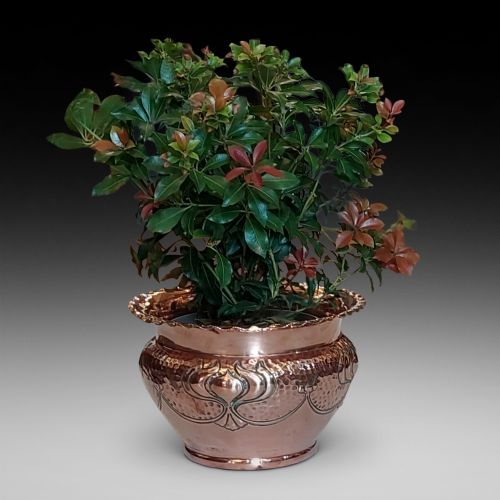
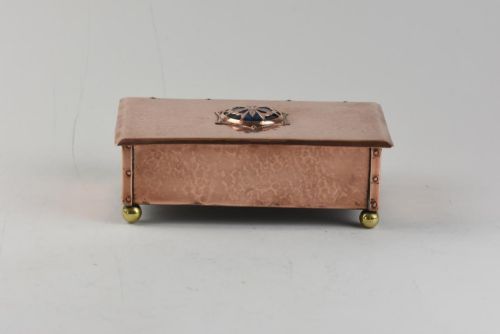
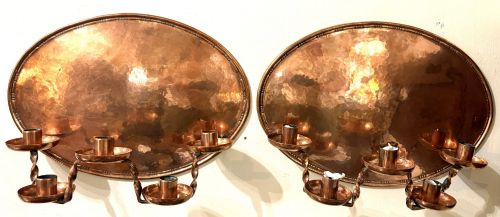
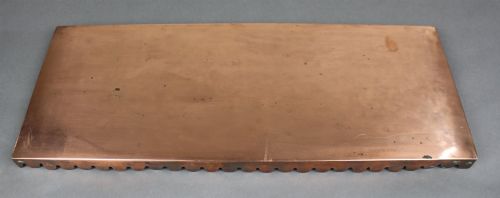
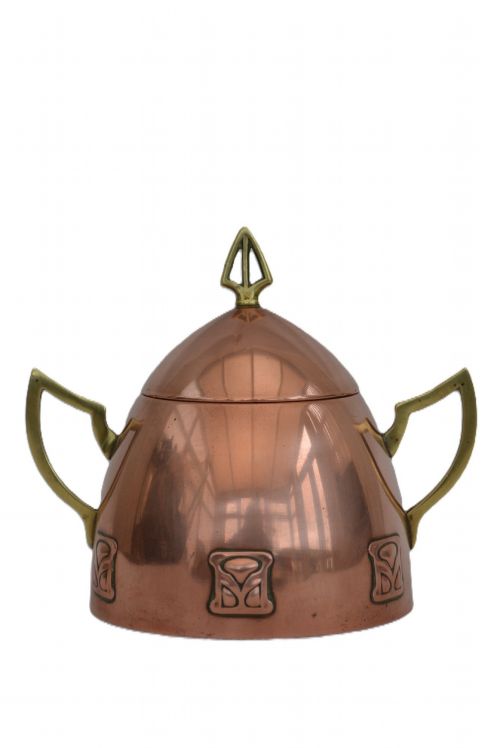
Makers shaped sheet copper by hand, utilising hammers to raise flat metal into hollow vessels, bowls, and trays over wooden or metal stakes. This hand-hammering process leaves visible facets and textures across the surface of Arts and Crafts and domestic items.
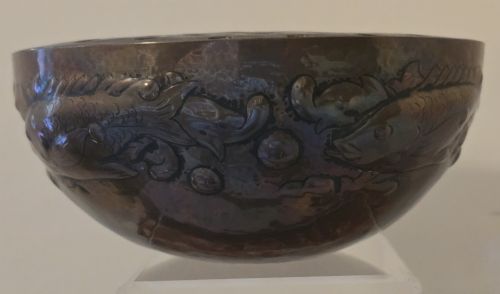
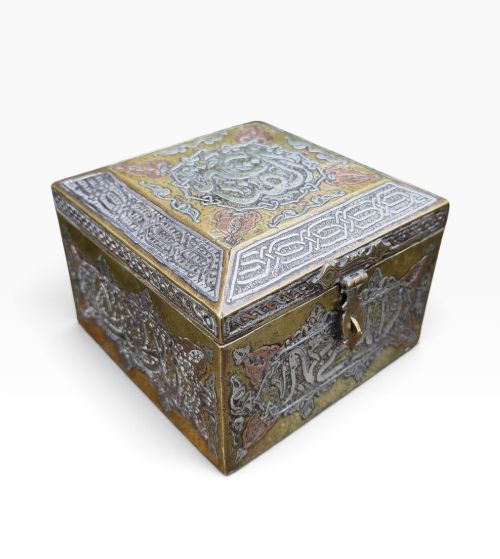
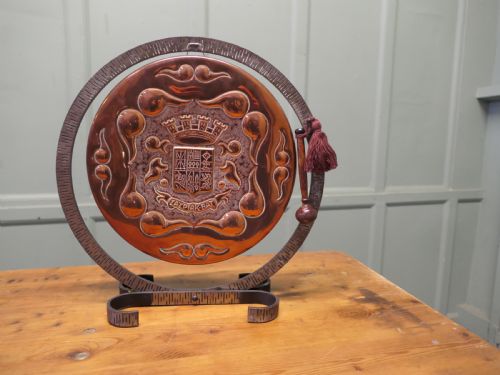
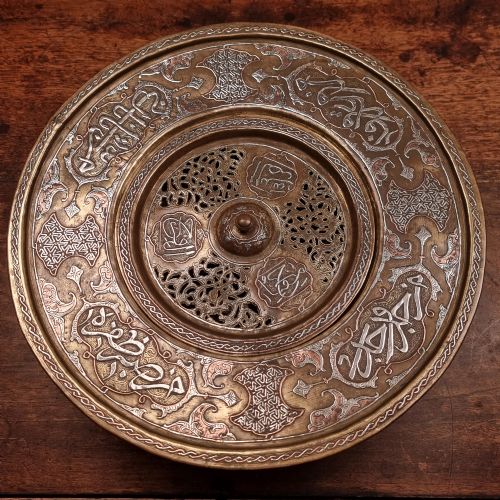
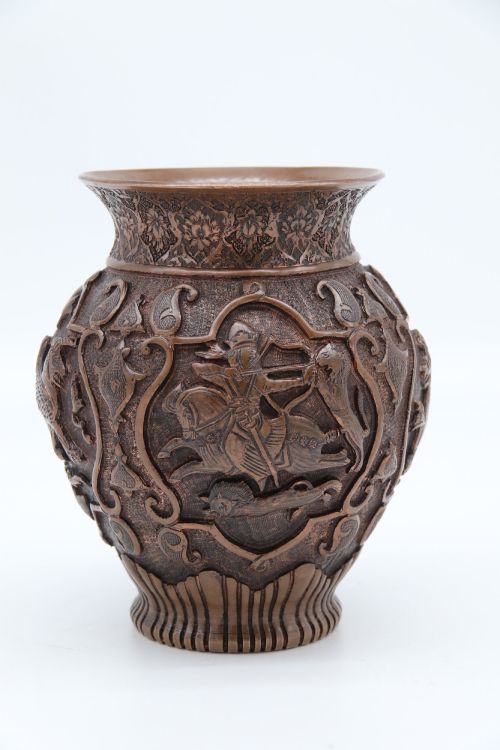
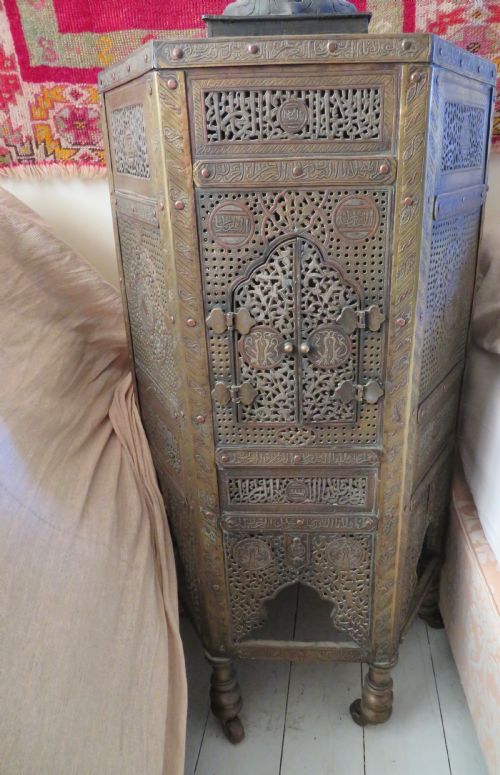
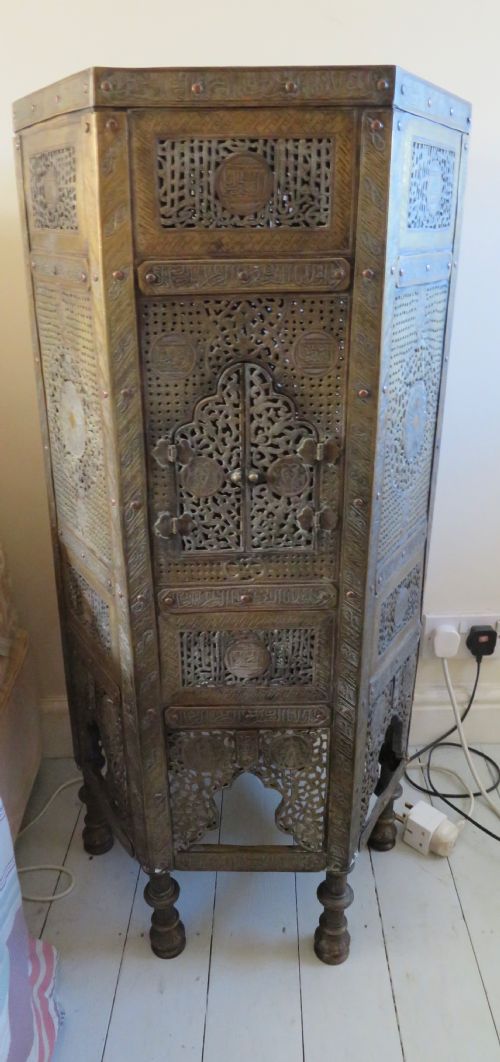
Surface ornamentation relied on repoussé and chasing, where artisans punched designs from the reverse side or inscribed details into the metal front. Inlays of silver, brass, and white metal, alongside enamel cabochons, added contrasting colour and pattern to Middle Eastern and Japanese works.
Assessing quality and execution
Quality rests upon the crispness of the hand-worked detail and the harmony of the design. Superior pieces display deliberate, controlled hammer blows and precisely executed repoussé work rather than mechanical uniformity.
The weight of the metal and the integrity of applied elements, such as riveted handles or secure enamel mounts, separate standard production items from masterworks. Integration of mixed metals and complex inlays points to skilled workshop execution.
Some copper wall chargers feature leaping koi and dragons that appear ready to swim right off the living room wall.
Newlyn Copper·Keswick Arts And Crafts·Hugh Wallis·WMF
The Antique Copper Metalwork Glossary
- Repoussé
- A metalworking technique where the design is hammered into relief from the reverse side. Artisans use punches and hammers to push the metal outward before refining details on the front.
- Cloisonne
- A method of decorating metalwork by applying thin metal wires to form compartments filled with enamel paste. The piece is then fired and polished to a smooth finish.
- Cairoware
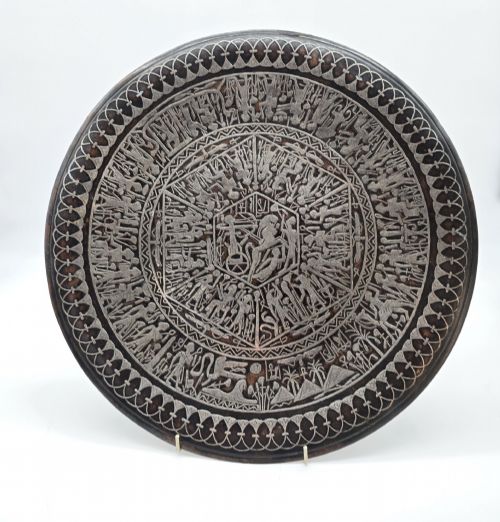
- Nineteenth-century metalware produced in Egypt, featuring brass inlaid with silver, copper, and white metal in intricate Islamic geometric patterns.
- Pricket
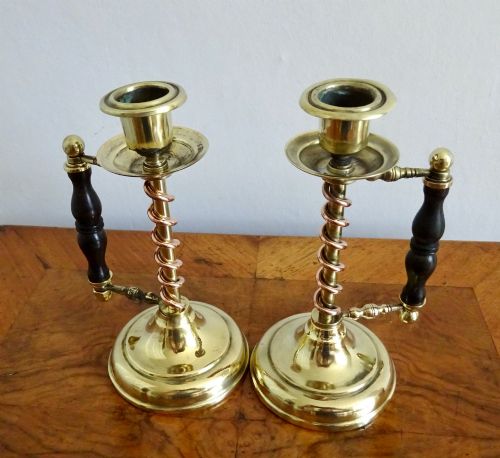
- A candlestick featuring an upward-pointing metal spike that secures the base of a candle. These are commonly found on larger altar and domestic candlesticks.
- Charger
- A large ornamental decorative plate or dish intended for display on a wall or sideboard rather than for serving food.
Antique Copper Metalwork: Frequently Asked Questions
How do I clean antique copper?
Dust surfaces gently with a soft dry cloth to preserve the natural patination built up over decades. Avoid harsh chemical polishes that strip away the historical character of the metal.
For pieces with applied enamel or delicate inlays, keep moisture away from the joins. Professional conservation advice is recommended if tarnish obscures fine repoussé details.
What is Arts and Crafts copper?
Arts and Crafts copper items stem from a late nineteenth-century movement prioritising hand craftsmanship over industrial manufacturing. Makers celebrated the marks of the tool, leaving visible hammer blows across bowls, trays, and wall sconces.
These pieces often feature stylized plant motifs, cabochon stones, and simple geometric forms rooted in local workshop traditions.
What is Japanese cloisonne?
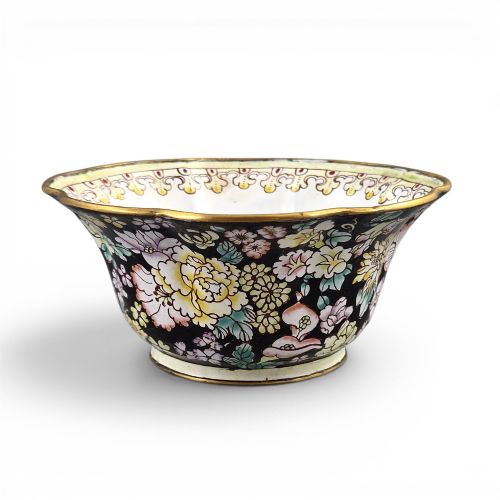
Japanese cloisonne involves applying fine metal wires to copper bases to create cells that are filled with coloured enamel pastes. Skilled artisans fired these pieces multiple times to achieve rich depictions of birds, dragons, and landscapes.
The Meiji period produced exceptional chargers and trays noted for their technical precision and naturalistic imagery.