



Edwardian Copper Plaque
These edwardian copper plaque examples bring tactile texture and handcrafted warmth to a wall, offering rich metalwork from the early twentieth century.
Edwardian Copper Plaque
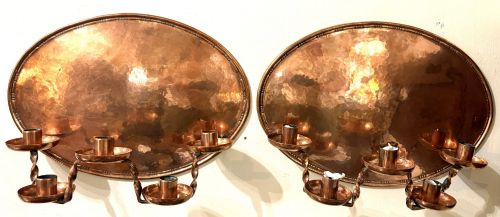
When you search for an edwardian copper plaque, you encounter functional and decorative metalwork produced around the turn of the twentieth century. These wall-hung items span various forms, including wall plaques, decorative chargers, sconces, and embossed trade signs.
The objects you meet most often on this page emerge from the Arts and Crafts movement or general Edwardian production. Makers fashioned them from copper, brass, and mixed metals, frequently mounting them on oak or other supportive wooden panels.
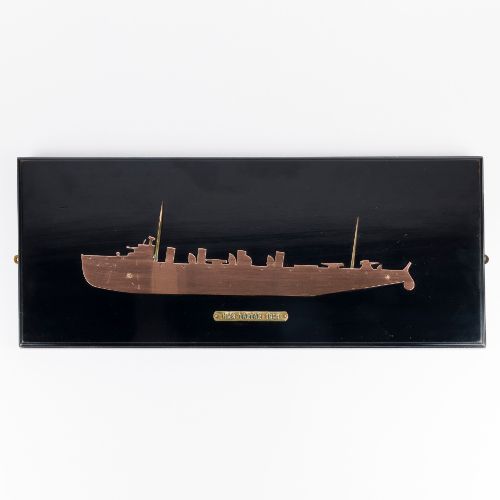
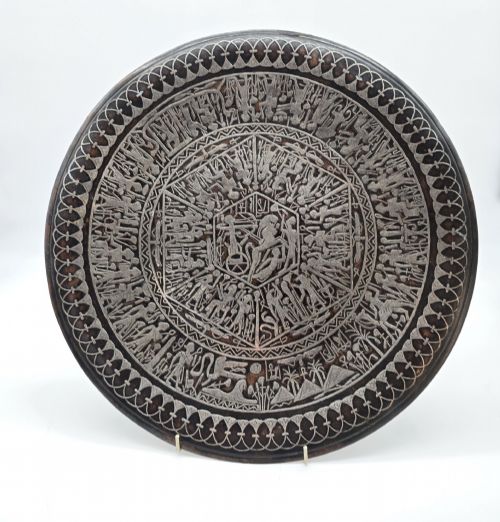
Pieces range from commemorative jubilees and military destroyer mementos to botanical chargers decorated with pomegranates and foliage. Some examples incorporate enamel or relief panels displaying industrial titles, animal motifs, and Cairo Ware influences.
How they were made
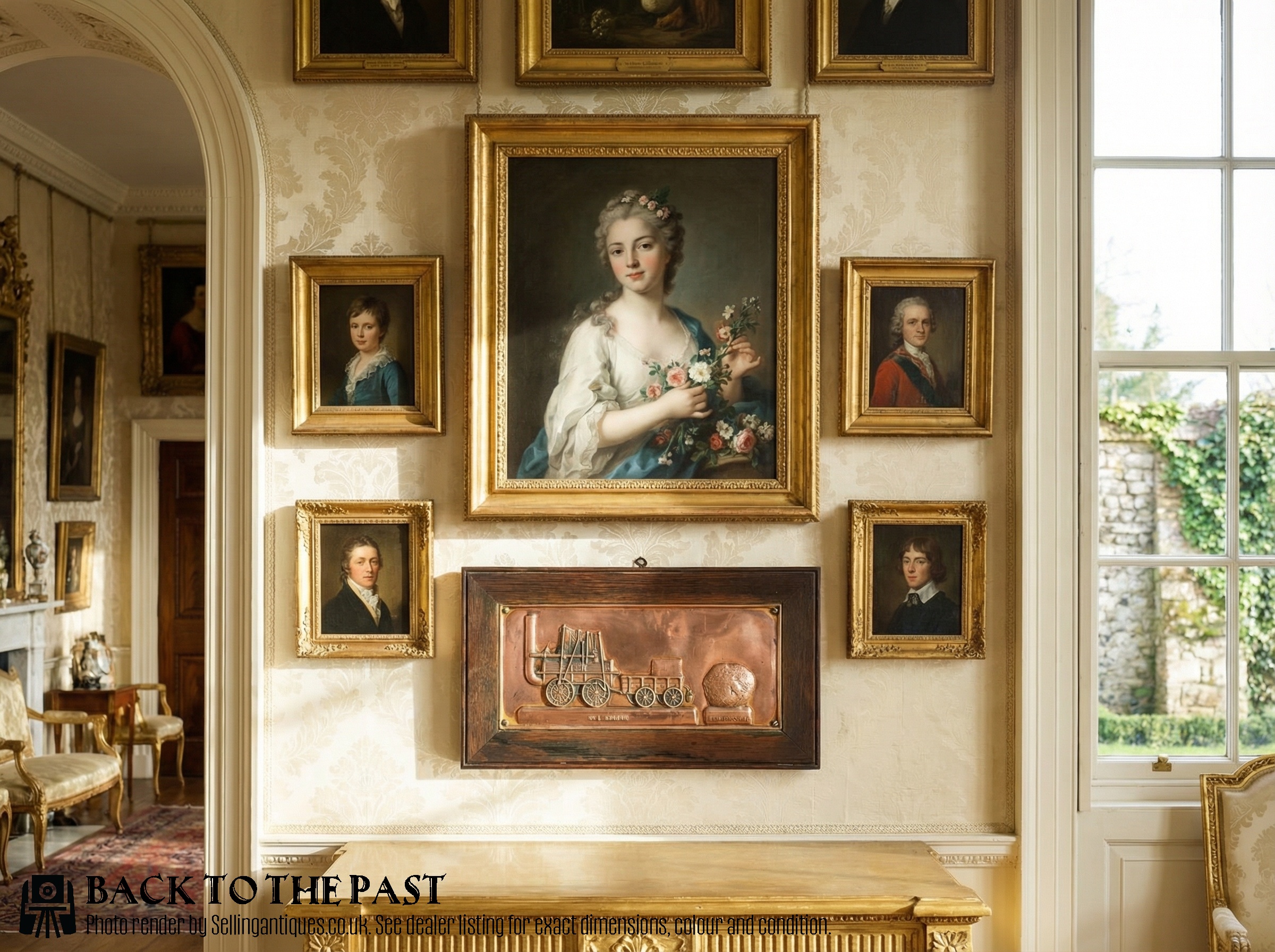
Artisans shaped these items using beaten and hammered copper techniques, pushing the metal from the reverse to create raised relief designs. This hand-wrought approach left characteristic tool marks across the surface of the metal.
Workshops combined copper sheets with wooden backings such as oak, securing the metal with brass rivets or screws. Certain pieces integrated coloured enamel details or chased linework to accentuate the botanical and figural motifs.
Edwardian Copper Plaque Retail Price Guide 2026
Typical asking prices for edwardian copper plaque among the pieces listed under this phrase on Sellingantiques today, from the lower quarter to the upper quarter. They describe what is for sale here now, not the wider market.
Among the stately botanical chargers and memorial plaques sits a dentist's trade sign complete with human teeth samples from nineteen-twenty.
What varies in quality
The depth and definition of the hammered relief separate standard production from superior work. Crisp, confident hand-tooling creates sharp contours on foliage, animal motifs, and lettering, whereas weaker examples appear flat and indistinct.
Material integration and secondary framing contribute significantly to the overall standard of a piece. Well-executed designs balance the warmth of the beaten copper with sturdy wooden mounts and secure riveting.
Faulkner Bronze Company
The Edwardian Copper Plaque Glossary
- Beaten copper
- Sheet metal shaped by hammering from the reverse side to produce a raised relief design. This technique defines much of the surface decoration found on Arts and Crafts wall art.
- Wall charger
- A large decorative plate intended for display rather than dining. These items often feature detailed repoussé work and hang centrally on domestic walls.
- Relief plaque
- A panel where the sculpted elements project from a flat background. Artisans achieved this effect by chasing and hammering the metal sheet.
- Repoussé
- A metalworking method where an artist beats the metal from the back to form a raised pattern on the front. It requires precise control to maintain uniform thickness.
Edwardian Copper Plaque: Frequently Asked Questions
How do I hang a copper plaque safely?
Most wall plaques and chargers feature integrated hanging loops, wire, or secure screw holes on the reverse. Ensure your wall fixings match the weight of the piece, particularly when mounted on heavy wooden backings.
Avoid hanging metalwork in areas subject to dampness or direct, harsh sunlight to protect both the copper surface and any underlying wooden mounts from environmental damage.
What is Cairo Ware?
Cairo Ware describes metalwork produced in Egypt around the late nineteenth and early twentieth centuries, often featuring traditional Middle Eastern decorative motifs inlaid with silver or brass. These items reflect the Victorian and Edwardian fascination with exotic revival styles.
Such pieces bring distinctive craftsmanship to collections, combining Near Eastern geometric patterns with European market preferences of the period.
How should I clean antique copper?
Antique copper generally benefits from minimal intervention to preserve its aged patina and historical character. Dusting with a soft, dry cloth is usually sufficient for routine maintenance.
Harsh chemical polishes remove the natural oxidation that accumulates over decades, which collectors prefer to keep intact on early twentieth-century metalwork.
Are these pieces strictly Arts and Crafts?
While many items on this page align with the Arts and Crafts movement, the selection also includes commemorative pieces, military memonitorials, and Egyptian Revival designs. Each style reflects the varied aesthetic interests circulating between eighteen-eighty and nineteen-twenty.
Examining the motifs, lettering styles, and manufacturing techniques helps distinguish between a dedicated craft guild product and commercial Edwardian output.