





Vintage Copper Plaque
A vintage copper plaque brings warmth and texture to a wall, offering rich metallic tones and hand-worked detail that flat modern surfaces lack.

Vintage Copper Plaque
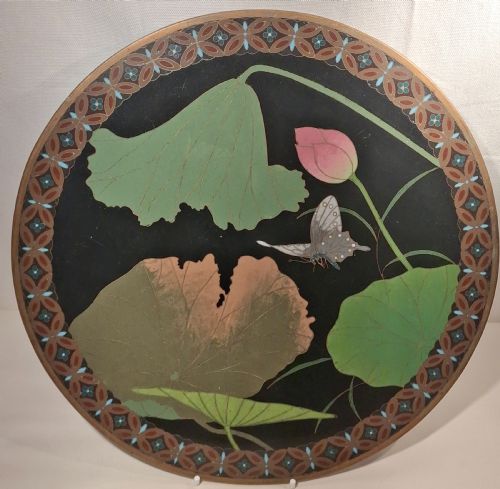
When you search for a vintage copper plaque, you encounter a varied selection of wall-mounted and decorative metalwork spanning multiple centuries and global traditions. The examples gathered here range from early eighteenth-century enamel ovals and Victorian commemorative pieces to robust Arts and Crafts beatings and intricate Japanese Meiji period cloisonne chargers.
You are most likely to meet pieces produced around nineteen hundred, particularly British Arts and Crafts beaten work featuring botanical motifs or commemorative subjects. Alongside these domestic items, the selection frequently incorporates imported metalware, including Persian engraved chargers, Kashmiri pierced repousse trays, and mixed metal Japanese plates.
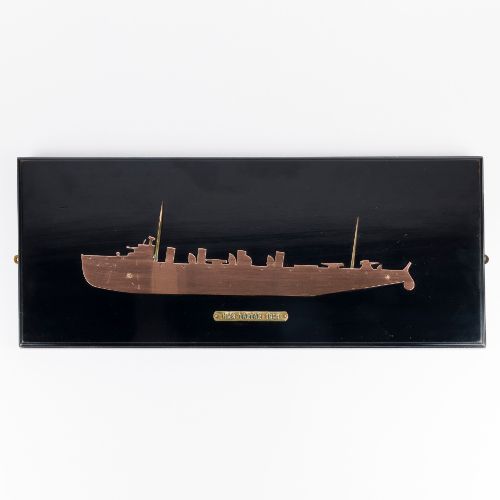
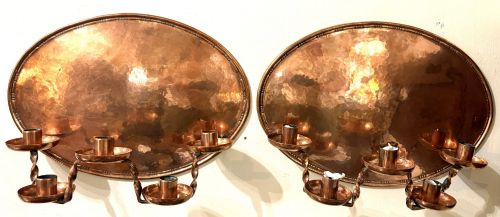
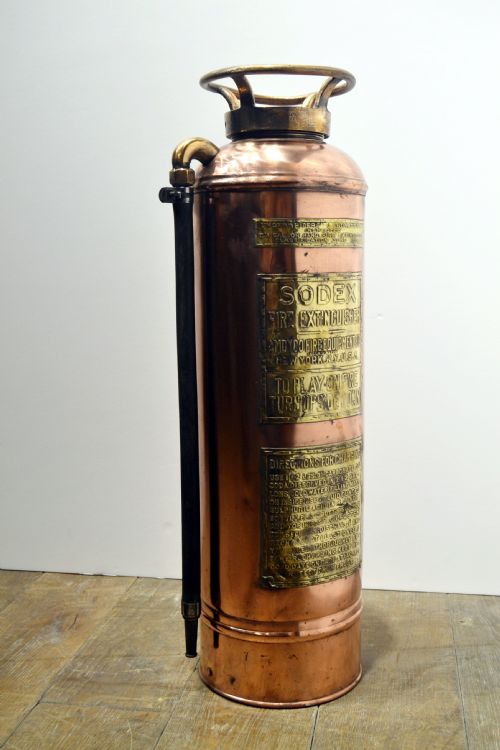
The assortment extends beyond standard wall plaques to encompass trays, chargers, sconces, and architectural panels made from copper, brass, and patinated metal. These objects served diverse historical functions, acting as interior decorations, commemorative markers for ships and events, and functional serving vessels.
Materials and construction methods
Makers utilised sheet copper, brass, and silver plate as the primary base materials, often combining them with enamel, cloisonne wire, and wooden mounts. Metals were hammered, beaten, and shaped by hand to create the substantial relief work seen on Chargers and wall sconces.
Surface decoration relied on distinct technical traditions, ranging from the repousse and embossing favoured by British Arts and Crafts artisans to the intricate wire-inlaid cloisonne enamel of Japanese workshops. Engraving, silver inlay, and patination were applied to enhance the visual depth and texture of the finished pieces.
Vintage Copper Plaque Retail Price Guide 2026
Typical asking prices for vintage copper plaque among the pieces listed under this phrase on Sellingantiques today, from the lower quarter to the upper quarter. They describe what is for sale here now, not the wider market.
The listings here incorporate pieces from the eighteenth century through the Edwardian period, uniting British Arts and Crafts work with Japanese Meiji metalware.
Distinguishing quality in metalwork
The standard of execution in repousse and embossed pieces depends entirely on the crispness and depth of the hand-hammered relief. Superior examples display confident, deliberate modulation in the metal rather than shallow, uniform machine stamping.
In enamelled and mixed metal items, quality reveals itself in the precision of the cloisonne wirework, the richness of the enamel colours, and the integration of diverse metallic elements. Masterpieces from Japanese workshops and accomplished British studios demonstrate a higher degree of control over both the material and the decorative narrative.
Gustav Grohe·Faulkner Bronze Company
The Vintage Copper Plaque Glossary
- Repousse
- A metalworking technique where the artisan hammers the metal from the reverse side to form a raised design on the front. Detailed finishing work is often added from the front using chisels.
- Cloisonne
- A decorative enamel process where thin metal wires are soldered to a metal base to create compartments, which are then filled with coloured paste and fired. This technique produces intricate, jewel-like surface patterns.
- Charger
- A large ornamental plate or platter designed primarily for display rather than dining. These pieces frequently hang on walls or sit on sideboards to showcase intricate surface decoration.
- Patinated
- Altered in colour or texture through natural ageing or chemical treatment. This process deepens the visual character of copper and brass surfaces.
- Cairo Ware
- Metalwork produced in nineteenth and twentieth-century Egypt, typically featuring brass inlaid with silver and copper calligraphy or geometric patterns. These items were popular souvenirs during the Grand Tour era.
Vintage Copper Plaque: Frequently Asked Questions
How do I hang a heavy copper charger safely?
Heavy copper and brass chargers require robust wall fixings rather than standard picture wire, particularly when dealing with large nineteenth-century examples. Utilising a dedicated plate hanger with protective coated springs ensures the rim remains undamaged while supporting the weight securely against the wall.
For pieces with hanging loops already integrated into the rear construction, check the structural integrity of the solder or attachment point before committing the object to the wall. Positioning the plaque at eye level allows the hammered textures and engraved details to catch interior light effectively.
How should I clean an antique copper plaque?
Antique copper generally benefits from retaining its aged surface rather than being polished to a bright, modern shine. Gentle dusting with a soft, dry cloth is usually sufficient to remove particulate matter without disturbing the historical patina.
Avoid abrasive chemical cleaners or harsh metal polishes, as these agents strip away the cumulative oxidation that defines the age and character of the piece. If intervention is necessary to remove active corrosion, consult a professional conservator to preserve the metal integrity.
Where were Arts and Crafts copper pieces made?
Arts and Crafts copperware was produced across Britain by various guilds, independent metalworkers, and specialised workshops during the late nineteenth and early twentieth centuries. Regional centres such as Cornwall and designated urban studios fostered environments where hand-hammered techniques flourished.
Many of these objects emerged from specific design movements that valued visible craftsmanship and traditional manufacturing methods over industrial mass production. Consequently, pieces often carry subtle individual hammer marks that distinguish human labour from mechanical stamping.