
Antique Commode Chest
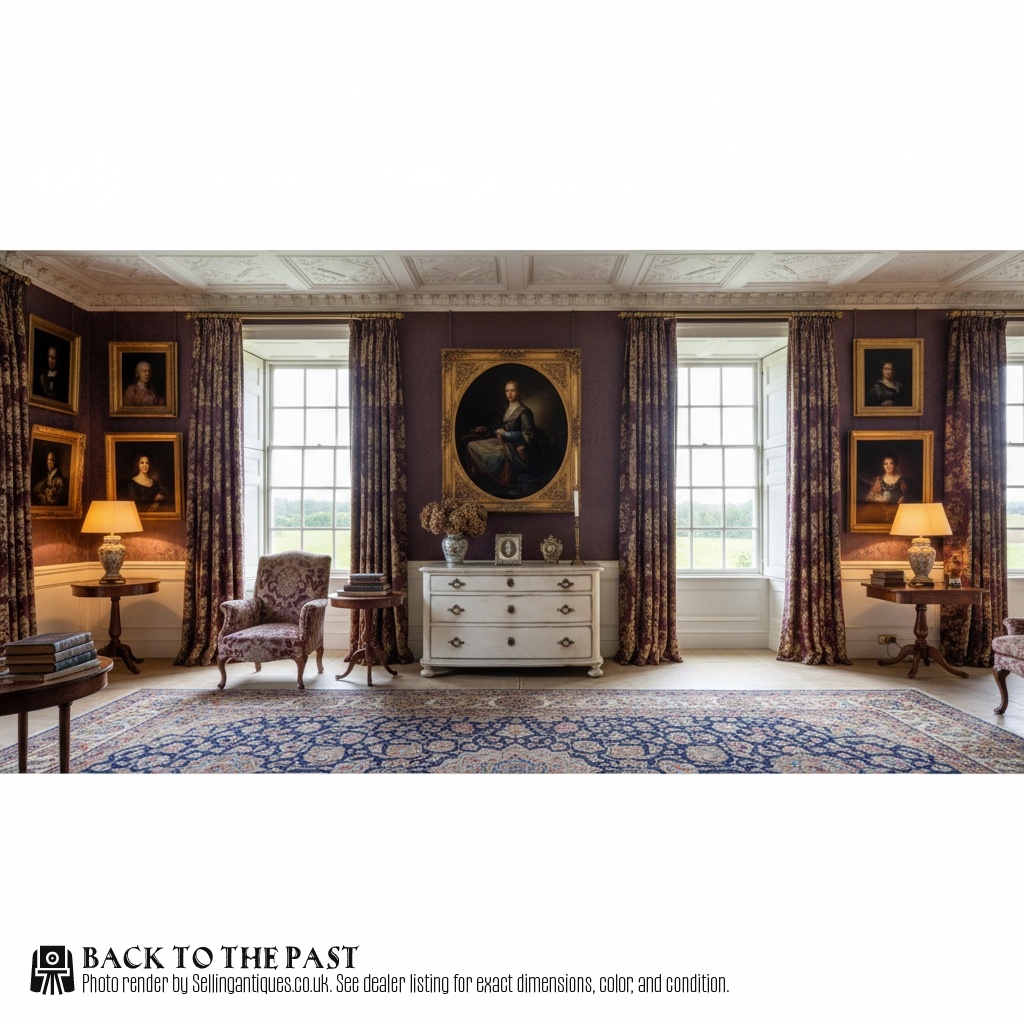
When you search for an antique commode chest, you are looking at substantial storage furniture that brings period presence to a room.
The Form and Function
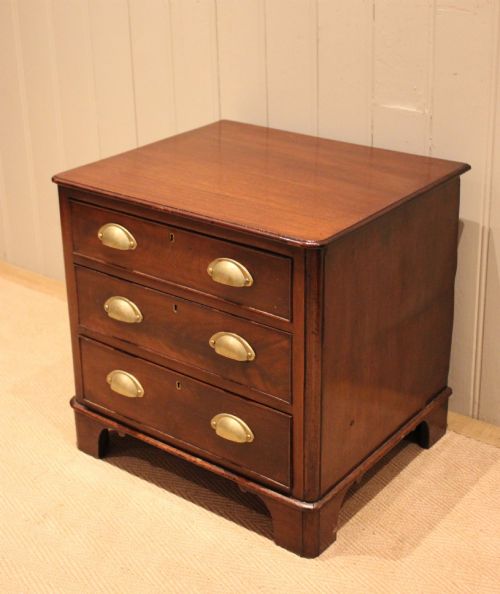
An antique commode chest serves as both a practical storage unit and a decorative centrepiece within domestic interiors. These pieces bridge the gap between utilitarian drawer chests and formal display furniture.
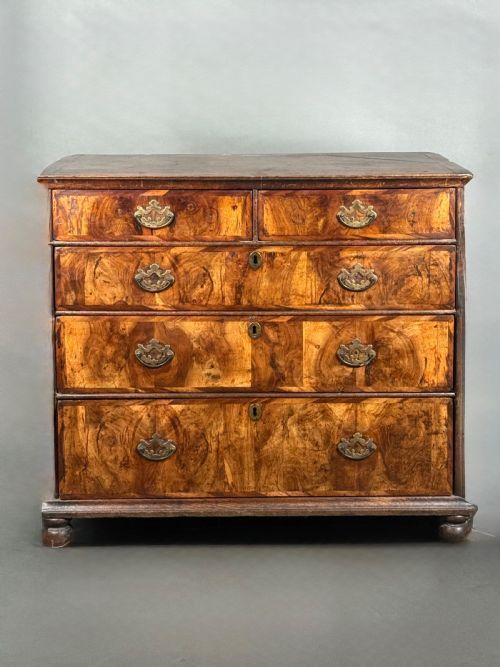
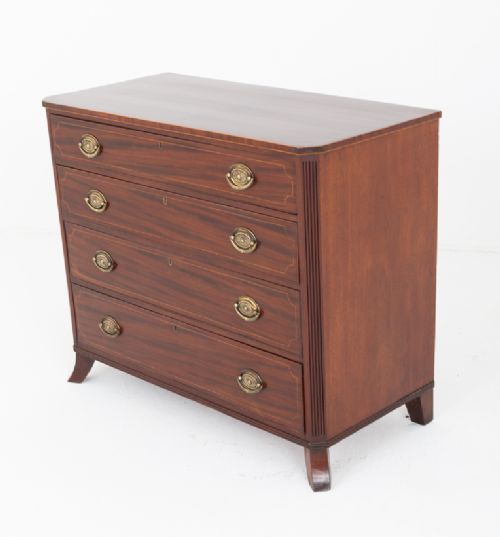
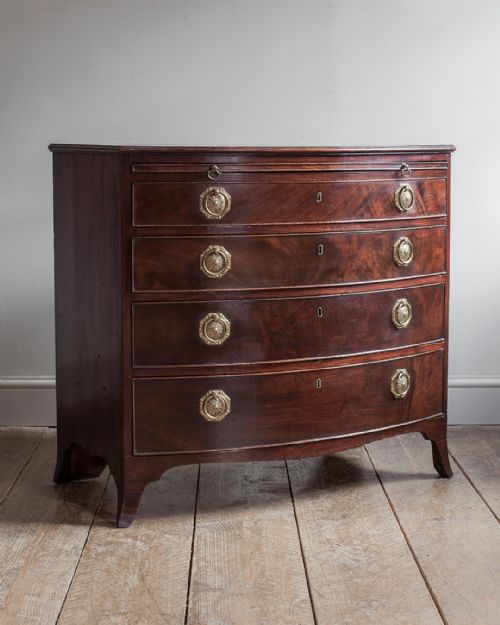
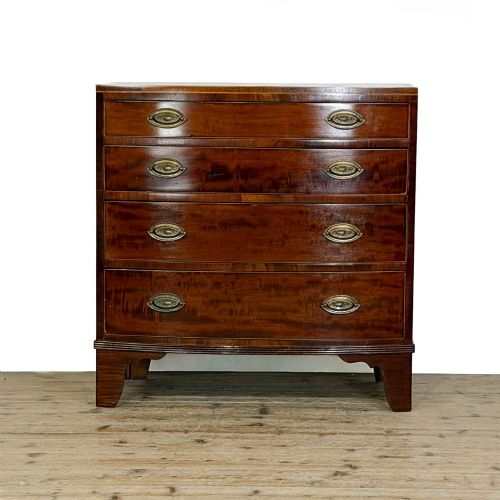
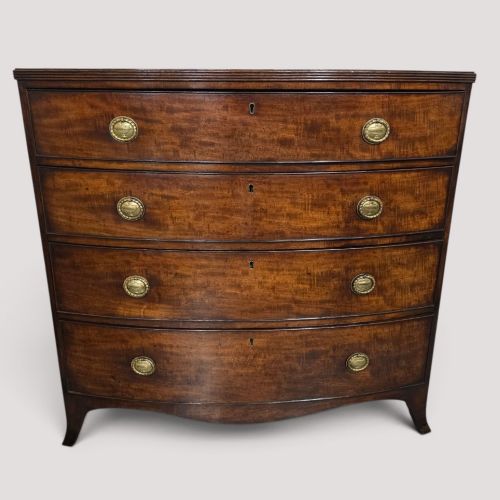
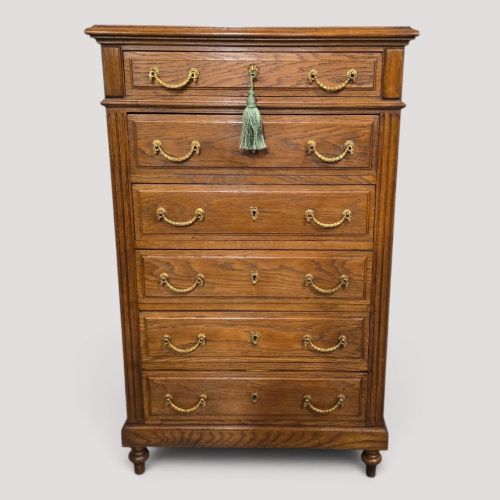
The selection ranges from Georgian mahogany designs with fitted writing slides to French marble-topped models and sturdy oak close stools. Buyers frequently encounter nineteenth-century French iterations alongside eighteenth-century English and continental examples.
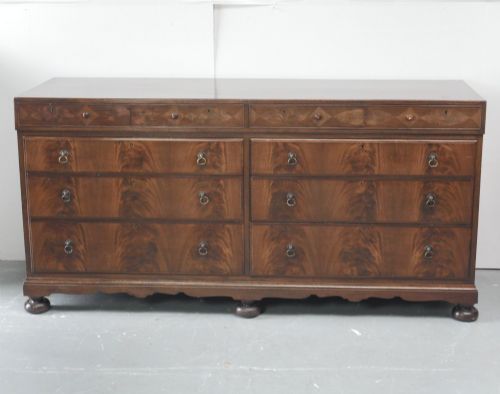
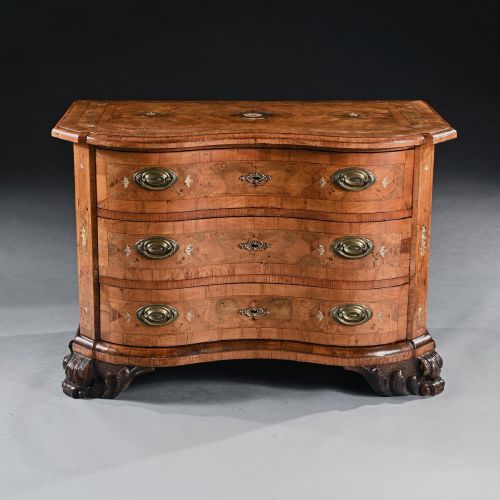
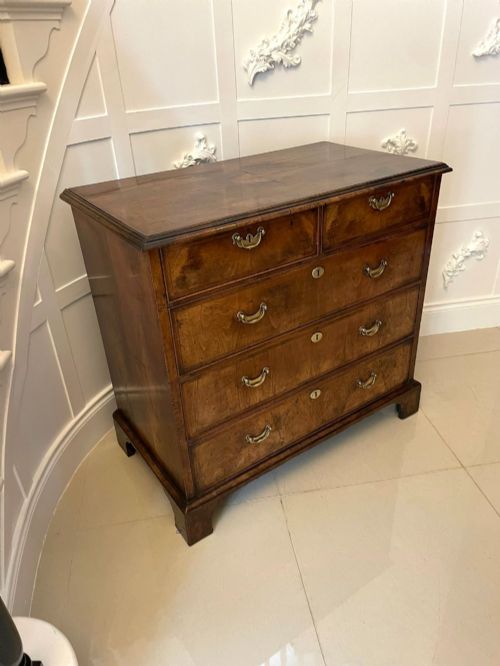
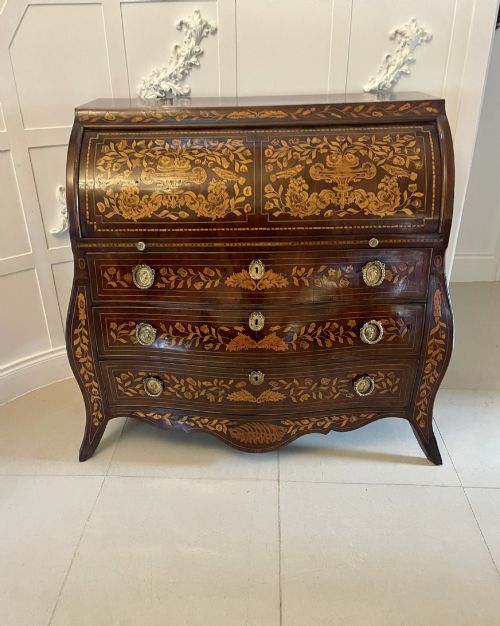
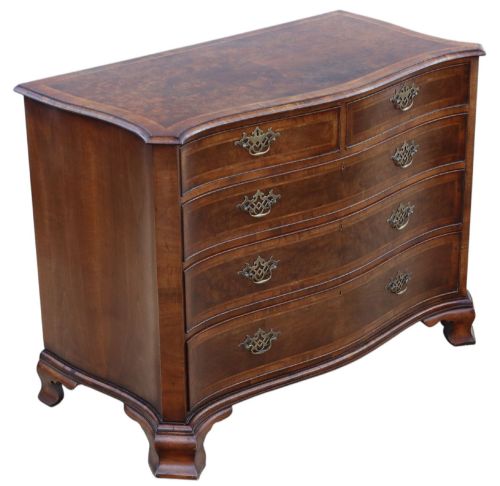
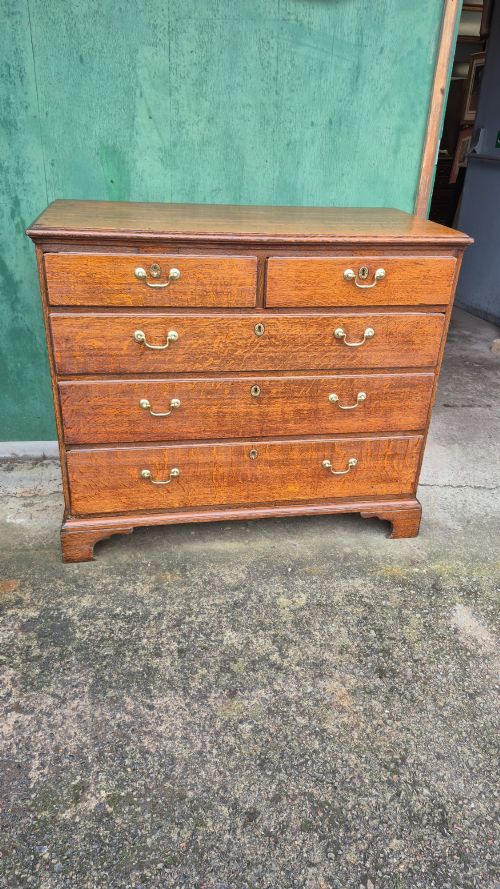
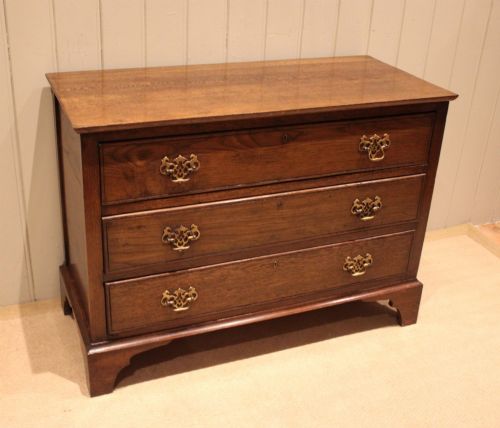
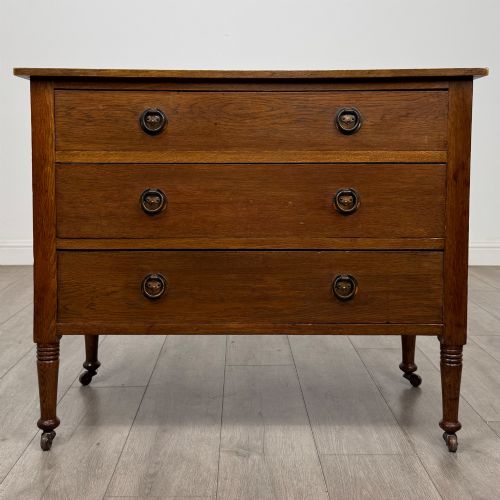
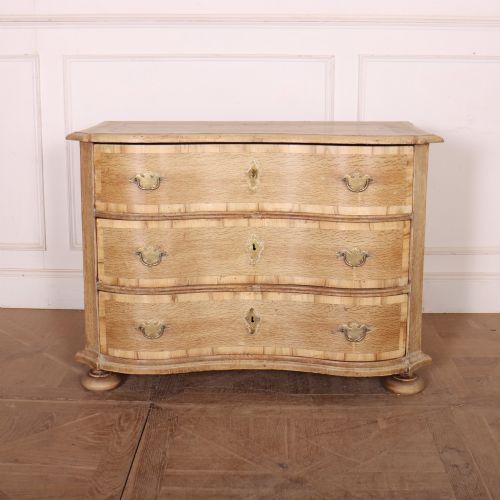
Forms vary from serpentine fronts and bombe shapes to straight-sided chests and compact bedside cabinets. Each shape reflects the domestic requirements and stylistic preferences of its specific period.
Materials and Construction
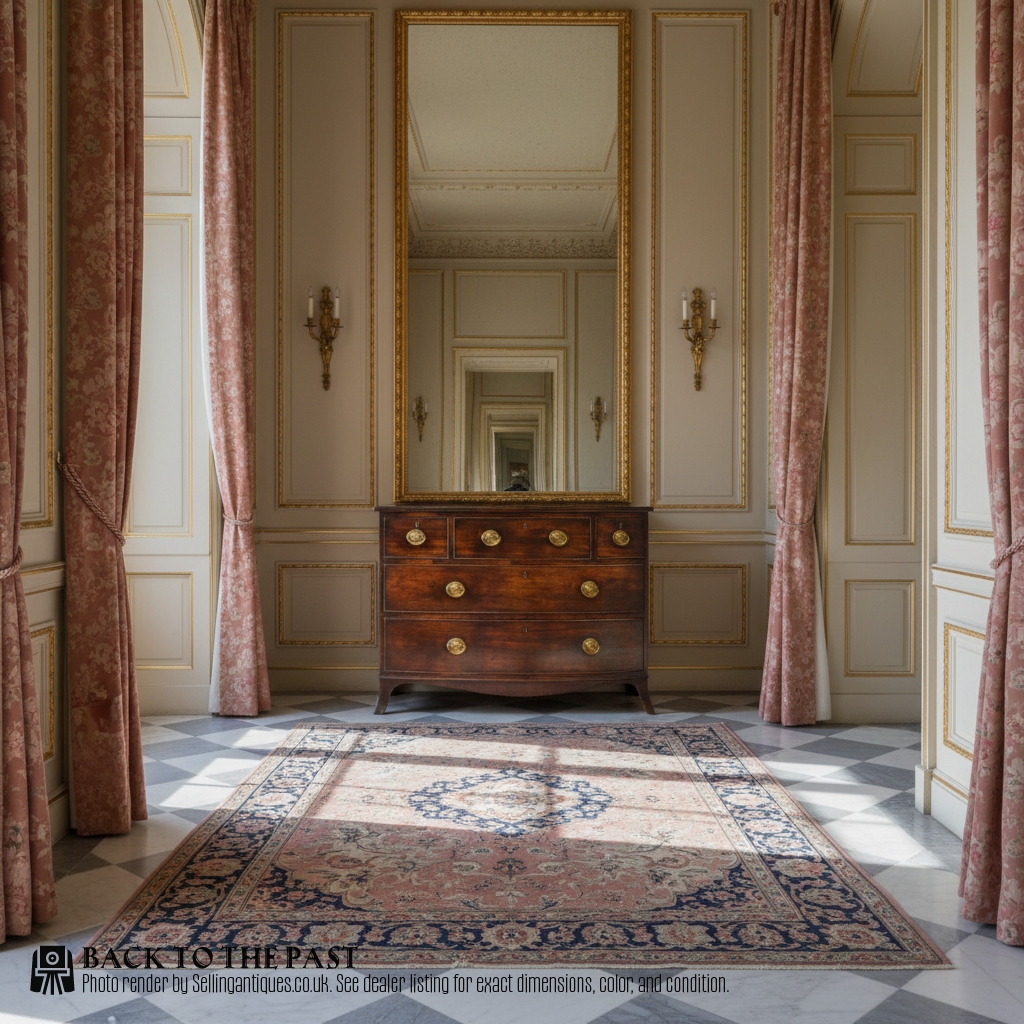
Cabinet makers utilised dense hardwoods such as mahogany, walnut, fruitwood, oak and elm to construct the structural carcases and drawer frames. Decorative surfaces frequently employ veneers, parquetry and marquetry inlay patterns.
Many continental examples incorporate heavy marble slabs fitted to the top surface, whilst others use brass handles, escutcheons and ormolu mounts to accent the timber. Interior components rely on traditional joinery methods suited to the particular wood grain and period.
Retail Price Guide 2026
Typical UK retail prices for commode chest, calculated from the Sellingantiques database of over a million retail prices indexed since 2003. This retail price guide relies exclusively on Sellingantiques data; no external sources or auction records are used, so the figures do not describe the wider market.
Listings feature mahogany, walnut, elm, fruitwood, birch and marble across eighteenth and nineteenth-century periods.
Standards of Execution
Quality rests upon the selection of timber veneers, the precision of the parquetry inlay, and the integration of stone tops where present. Finer specimens display harmonious grain matching across drawer fronts and crisp execution of brass mounts.
Structural integrity depends on the retention of original drawer linings, backboards, and sliding writing surfaces. The smoothness of drawer operation and the subtlety of shaped fronts distinguish superior examples from standard production.
Bruneau
The Antique Commode Chest Glossary
- Commode chest
- A low chest of drawers or cabinet combining decorative presence with storage, often associated with French and Georgian design. It typically stands on short legs or a moulded plinth.
- Close stool
- An enclosed piece of furniture designed to house a chamber pot, often disguised as a small cabinet or chest. These items frequently date from the eighteenth century.
- Marquetry
- Decorative veneer work forming pictorial or geometric patterns using various coloured woods. Craftsmen cut contrasting timbers to fit precisely within a prepared ground.
- Parquetry
- Geometric wood inlay forming repeating patterns such as cubes or herringbones across a surface. This technique creates a textured appearance on drawer fronts and tops.
- Writing slide
- A pull-out shelf integrated above the top drawer to provide a writing surface. This feature appears on Georgian mahogany variants.
Frequently Asked Questions
What is an antique commode chest?
An antique commode chest is a low drawer unit or cabinet originating from European workshops during the eighteenth and nineteenth centuries.
These pieces function as decorative storage furniture in bedrooms and living spaces, encompassing styles from Georgian England and continental Europe.
How do I care for a marble top?
Marble surfaces require gentle cleaning with a soft cloth and neutral soap to avoid scratching the polished stone. Acidic liquids should be kept away from the marble to prevent etching.
Waxing the wooden carcase separately helps maintain the timber finish without affecting the stone top.
How do I date a commode chest?
Dating relies on observing construction techniques, timber species, hardware styles, and overall proportions. Eighteenth-century pieces often display hand-cut dovetails and native timbers, whilst later nineteenth-century examples incorporate machine-sawn elements and exotic veneers.
Stylistic cues such as serpentine fronts or ormolu mounts also point toward specific periods like Louis XVI or the Georgian era.
Where were these pieces used?
Commodes served principally in bedrooms, boudoirs, and formal reception rooms as functional storage for clothing and personal items. Some variations, such as close stools, served specific private domestic functions.
Today, they adapt readily as hallway consoles, bedside tables, or living room storage units.