
Antique Clock with Inlay
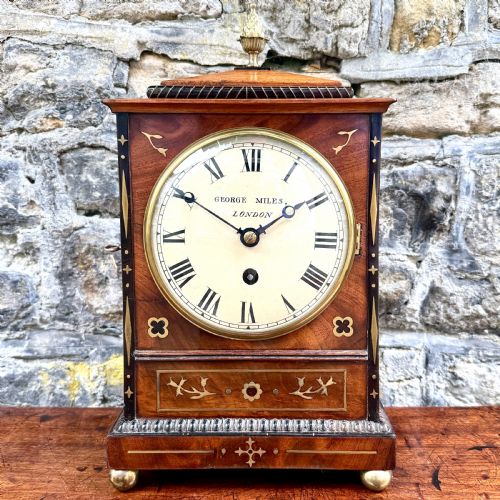
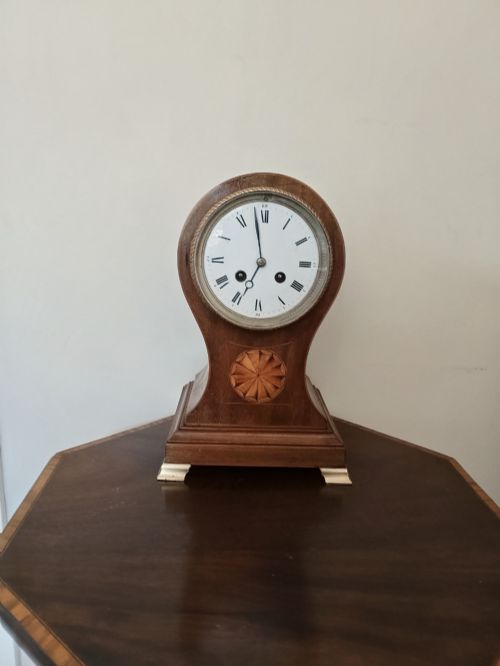
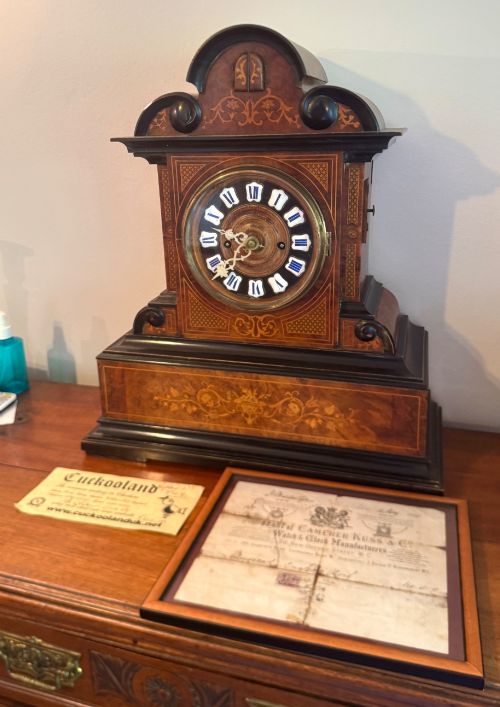
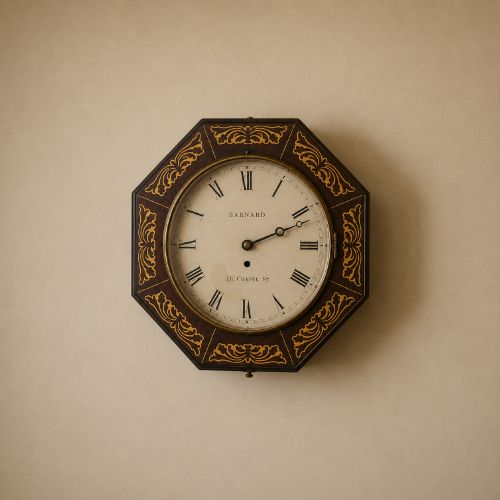
An antique clock with inlay brings together precision timekeeping and cabinet-maker artistry through brass, tortoiseshell, and finely fitted wood.

Antique Clock with Inlay
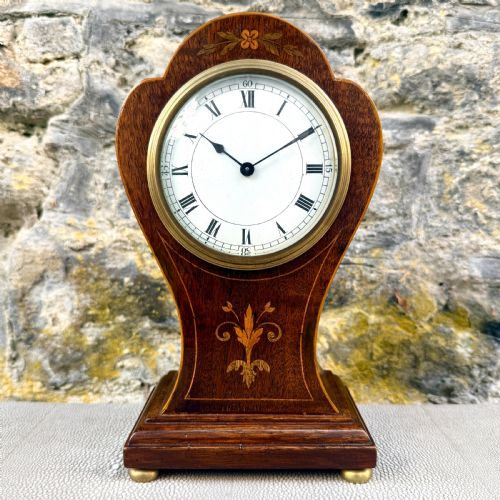
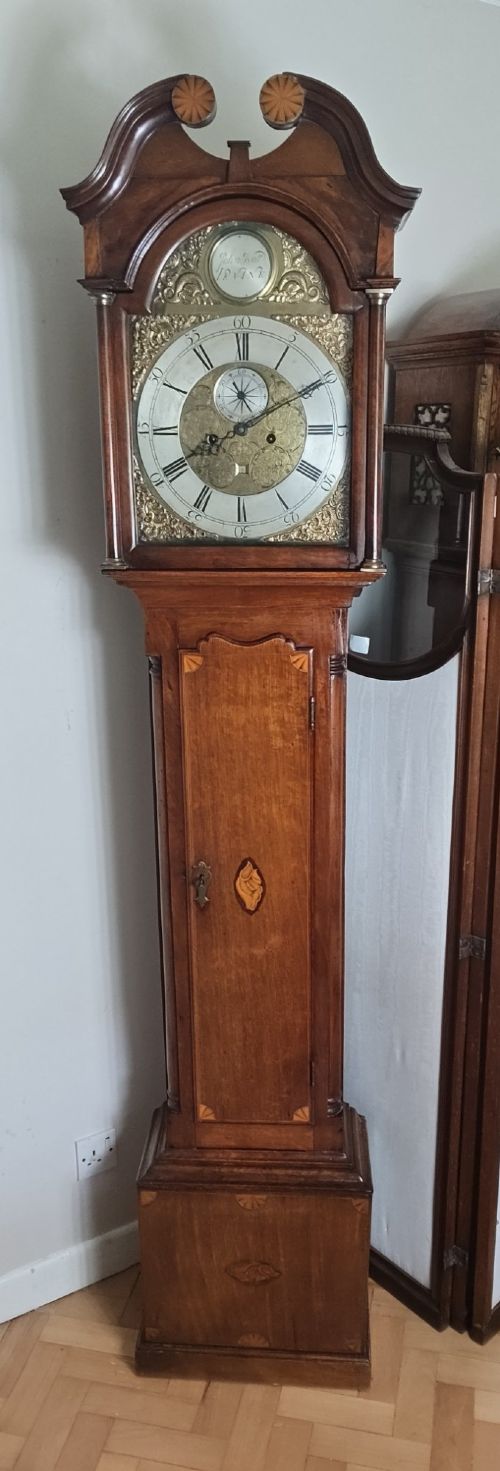
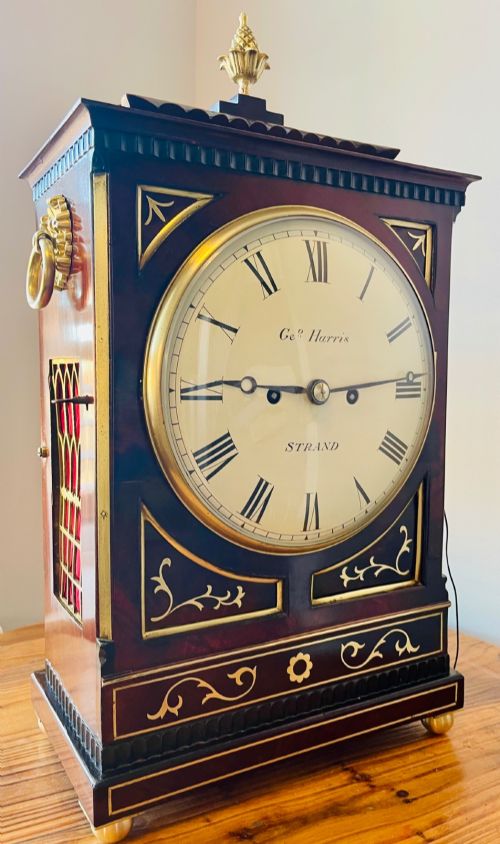
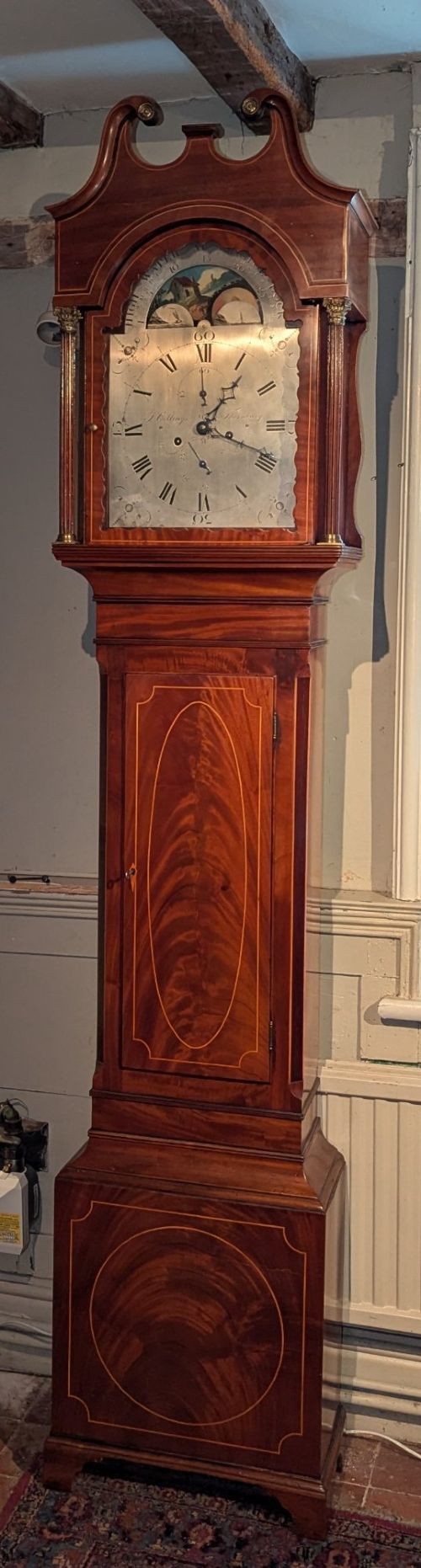
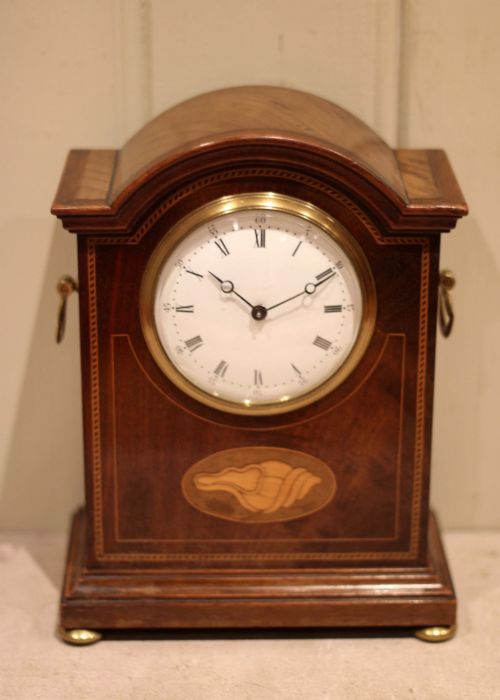
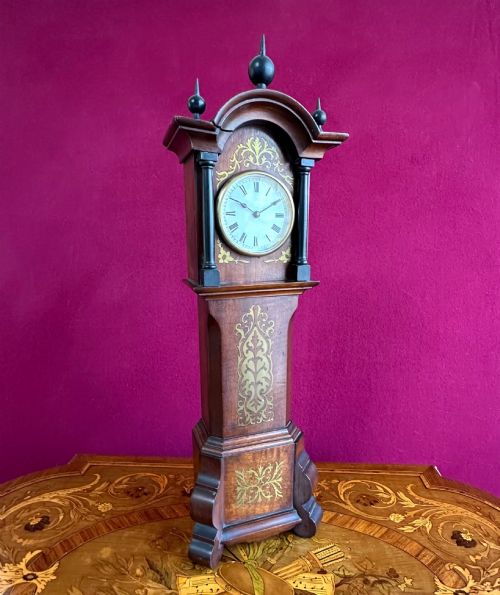
An antique clock with inlay encompasses everything from tall mahogany and oak longcase grandfathers to compact rosewood, walnut, and coromandel mantel pieces. These horological objects serve both a domestic purpose and display the decorative achievements of various periods.
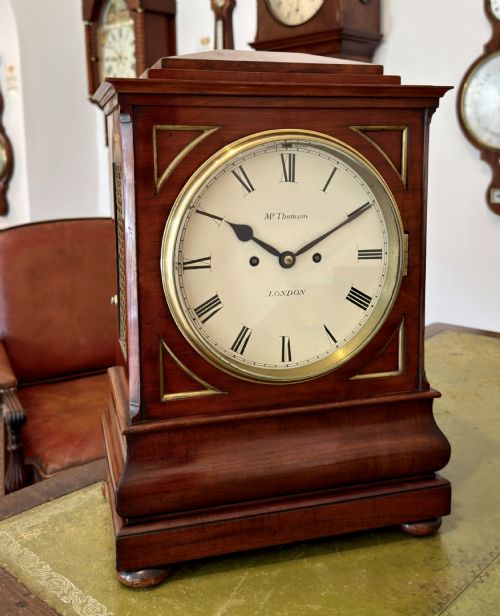
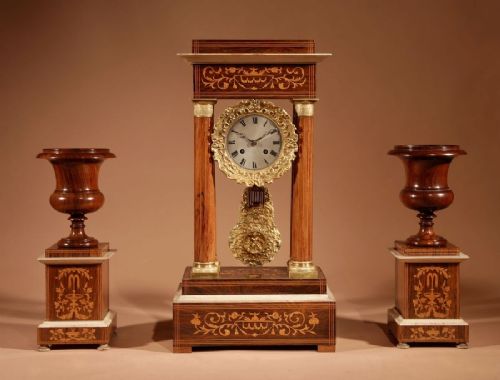
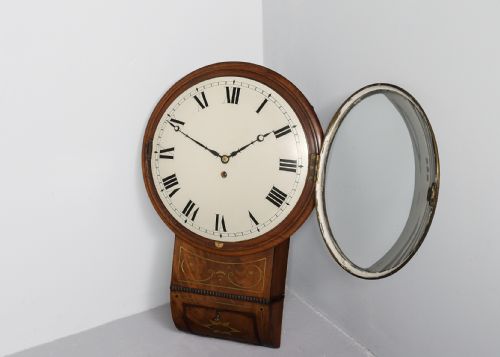
The selections span English bracket and drop-dial wall clocks alongside French portico, drum head, and architectural mantel designs. Pieces range across the Georgian, Regency, and Edwardian eras, reflecting both British workshop traditions and continental French cabinet-making.
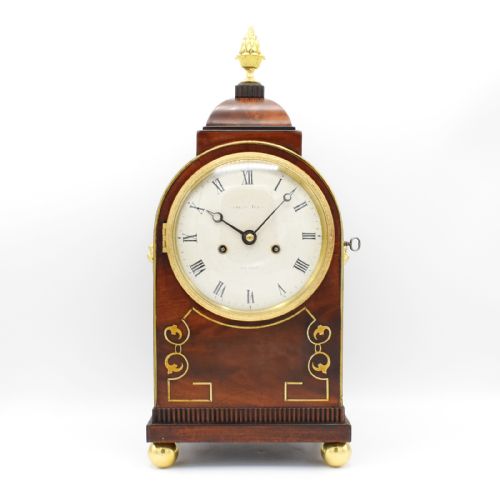
Most examples found on this page rely on wooden cases of mahogany or rosewood enriched with contrasting stringing, brass marquetry, or floral motifs. Buyers encounter regional English timepieces alongside French architectural models and German mantel variants.

How They Were Made
Cabinet-makers constructed structural carcases from dense timbers such as mahogany, oak, and rosewood, applying contrasting veneers and lemon wood or mother-of-pearl for decorative impact. Brass, ormolu, and tortoiseshell provide further textural contrast across both French and English housings.
Inlay techniques involve cutting precise recesses into the primary timber ground and fitting contrasting materials flush into the surface. Marquetry and chequered banding require steady hands and sharp tools to ensure the design integrates smoothly with the surrounding wood grain.
Listings feature woods including mahogany, rosewood, oak, and coromandel alongside brass, glass, and tortoiseshell.
What Varies in Quality
The refinement of the cabinet-work and the crispness of the fitted inlay separate standard production from superior examples. Finely executed lemon wood stringing or complex brass and tortoiseshell marquetry indicate higher workshop skill.
Movement sophistication also dictates value, with single and twin fusee mechanisms demonstrating superior mechanical execution compared to standard spring-driven alternatives. The preservation of original silvered dials, engraved backplates, and integrated thermometers or barometers adds considerable distinction.
THOMAS DE GRUCHY JERSEY·FURNIVAL OLDHAM·EDWARD STANTON·Savory & Fils A Paris·James McCabe·Dumont·OWEN OF LLANRWST
The Antique Clock with Inlay Glossary
- Fusee
- A conical pulley used in spring-driven clocks to maintain even power delivery as the mainspring unwinds. This mechanism ensures consistent timekeeping across the duration of the wind.
- Boulle
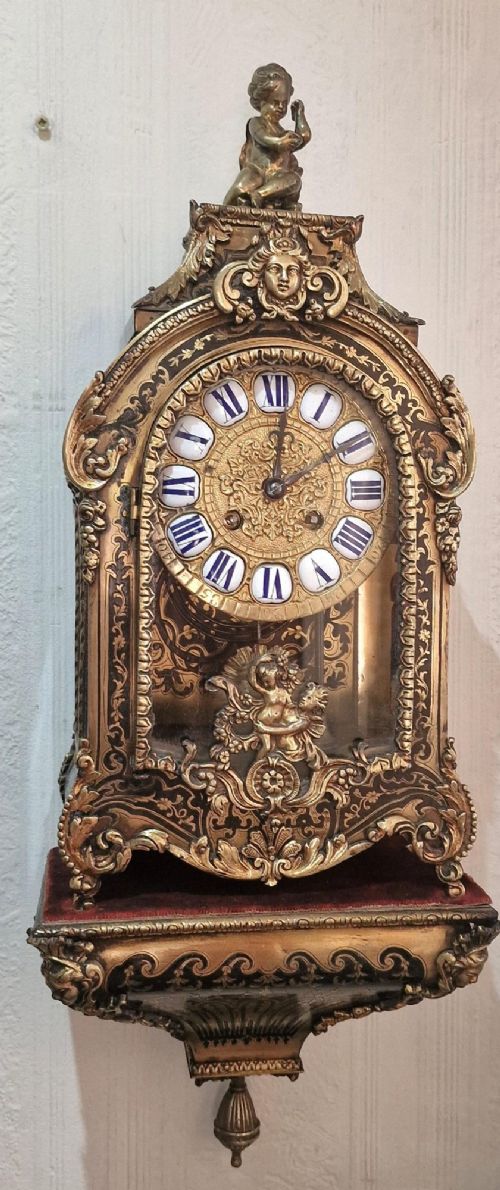
- A style of marquetry utilising brass and tortoiseshell developed in France. The technique creates rich contrasting patterns across clock cases and associated wall brackets.
- Portico Clock
- A mantel clock designed with columns supporting an architectural lintel that frames the pendulum swing. These architectural pieces often feature ormolu mounts and rosewood veneers.
- Bracket Clock
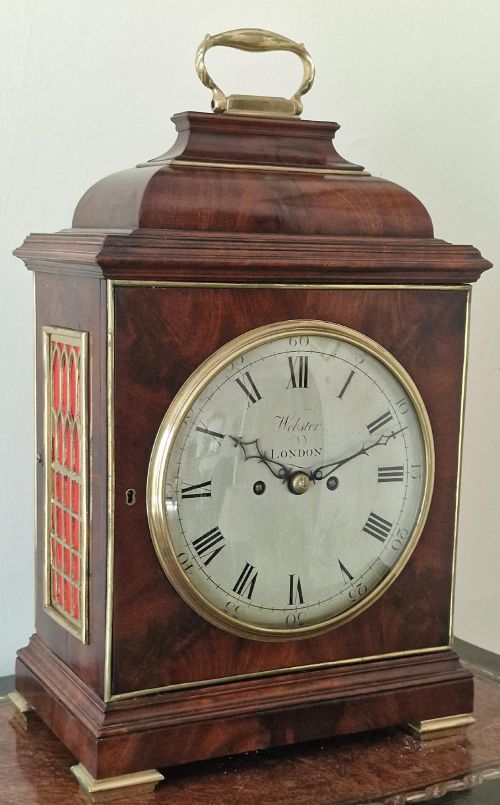
- A portable spring-driven clock originally designed to sit on a wall bracket or table. These English timepieces frequently incorporate fusee movements and fine wooden cases.
- Moon Phase
- A dial mechanism displaying the lunar cycle through a rotating disc behind the clock face. This complication appears frequently on tall longcase grandfather clocks.
Antique Clock with Inlay: Frequently Asked Questions
How do I wind an antique fusee clock?
Fusee clocks require a key inserted into the dial or side door to tension the spring via the conical pulley system. Care must be taken not to overwind the mechanism.
Most fusee movements run for eight days per wind. Steady, deliberate turns protect the vintage internal gear train from undue strain.
Where should I place a longcase clock?
Grandfather clocks need a stable, dry interior wall away from direct sunlight and heavy foot traffic. Floor vibrations can disrupt the precise beat of the pendulum.
Securing the tall wooden case to the wall using discreet brackets prevents accidental tipping. Level flooring ensures the pendulum swings evenly.
How do I care for inlaid wood surfaces?
Polishing wooden cases with traditional beeswax helps nourish dry timber and preserve the surrounding veneer. Avoid modern chemical sprays that can degrade historic finishes.
Inlay work requires gentle cleaning with a soft brush to remove dust from recessed joints. Keeping the clock away from radiators prevents timber shrinkage.
What is the difference between a bracket and mantel clock?
Bracket clocks are traditionally substantial English spring-driven pieces with carrying handles. Mantel clocks encompass a broader range of continental and domestic shelf timepieces.
Many bracket clocks utilise fusee movements, whereas continental mantel versions often rely on rack-strike mechanisms. Both styles prioritize decorative cabinet-work alongside timekeeping.