





Antique German Table Clock
An antique german table clock brings mechanical precision and rich timber cases into a room, offering both reliable timekeeping and period charm.

Antique German Table Clock
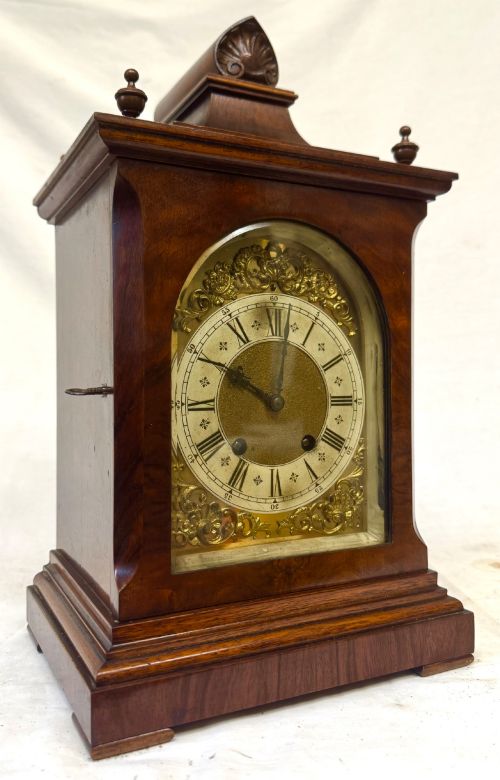
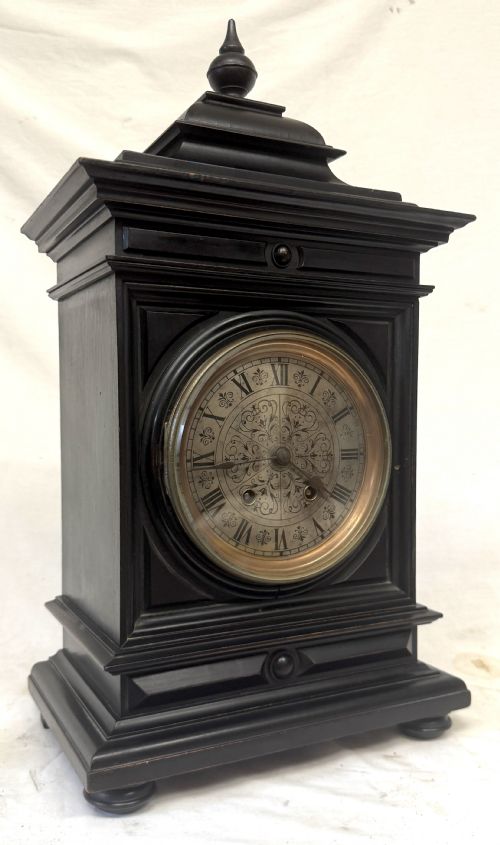
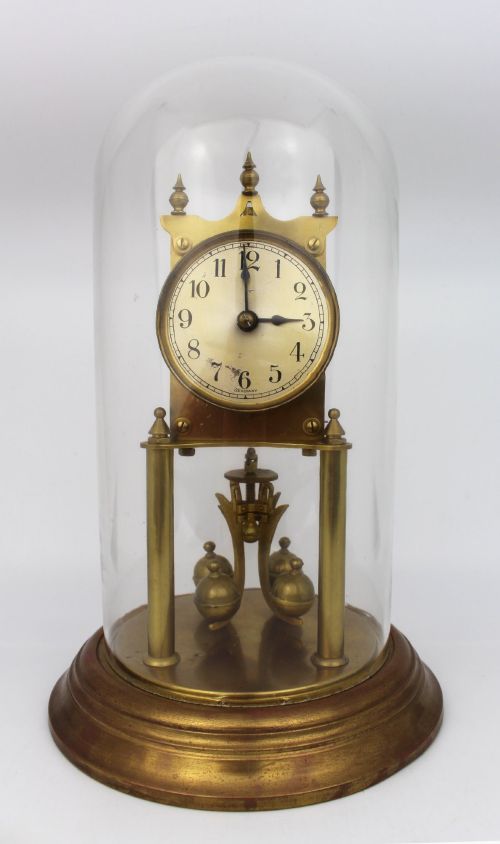
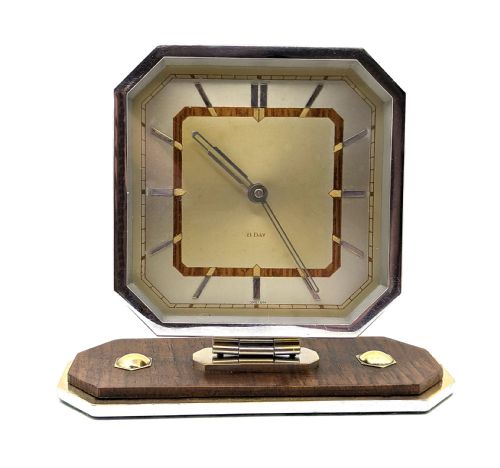
An antique german table clock encompasses mantel pieces, bracket clocks and desk timepieces spanning the nineteenth century and the early twentieth century. These horological works showcase diverse forms ranging from traditional wood cases to porcelain garnitures and metal designs.
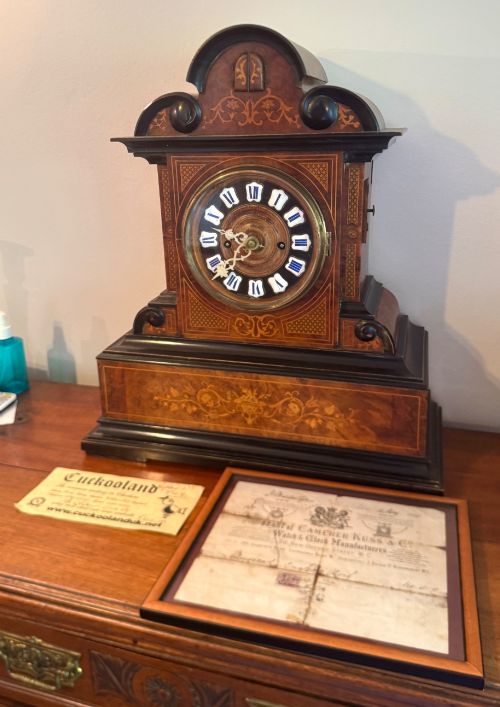
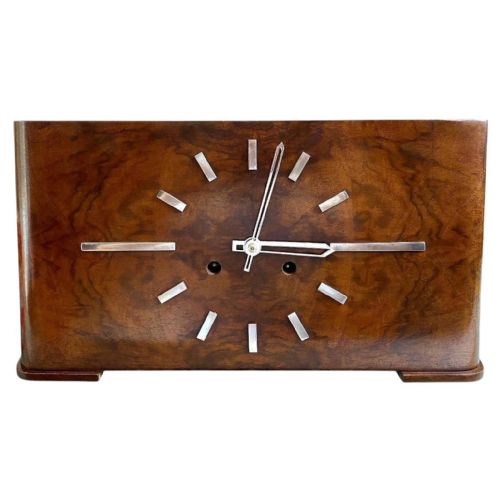
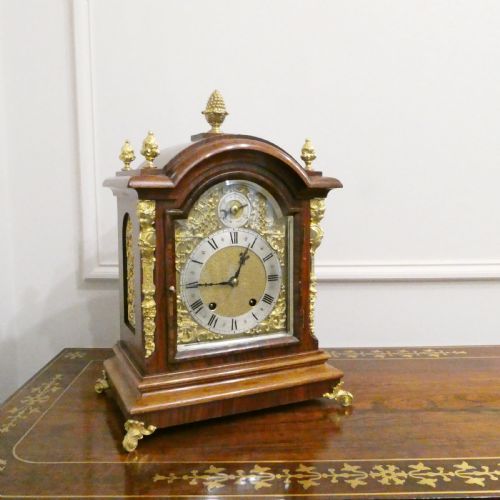
Buyers frequently encounter nineteenth-century walnut and mahogany bracket clocks alongside structured mantel pieces from the nineteen-thirties. The selection demonstrates regional craft traditions including Black Forest woodcarving and precision movements from established makers.
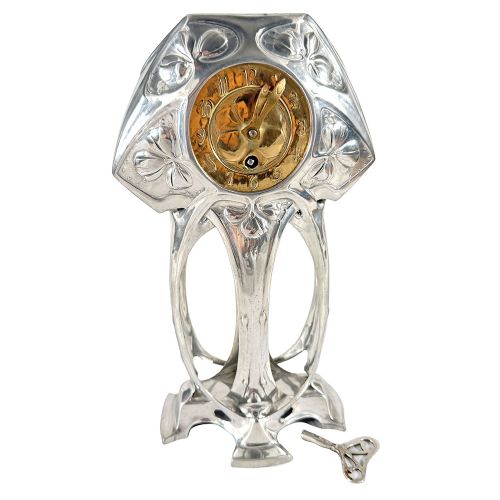
These items serve practical timekeeping functions while acting as central decorative objects for desks, mantels and side tables. Their varied styles reflect broader design shifts from Victorian revivalism through Art Nouveau and Art Deco.
Materials and Construction
Cabinetmakers constructed the cases using substantial timbers such as walnut, oak, mahogany and ebonised wood, frequently incorporating marquetry or brass inlay. Black Forest examples display intricate hand-carved woodwork, while later twentieth-century pieces utilise chrome and pewter alongside glass and porcelain.
Horologists fitted brass, silvered or enamel dials behind glass bezels, housing mechanical movements driven by springs and pendulums. The internal mechanisms range from simple time-only setups to complex chiming systems with multiple trains.
The listings span the Victorian era, nineteen-hundreds, and nineteen-thirties, featuring brass, walnut, oak, and chrome.
Quality Variations
The refinement of the movement and the intricacy of the case construction dictate the standard of each piece. Superior examples feature signed movements from renowned makers, crisp dial engravings and dense timber cases with well-preserved finishes.
Lesser pieces exhibit simpler mass-produced mechanisms and plain or heavily restored cabinetry. The integration of decorative elements like gilt ormolu, hand-painted porcelain or detailed wood carving separates ordinary timepieces from exceptional works.
Lenzkirch·Winterhalder & Hofmeier·Junghans·Haller·Beha·Mauthe
The Antique German Table Clock Glossary
- Bracket clock
- A portable table clock historically designed to sit upon a dedicated wall bracket or shelf. These pieces usually feature carrying handles and elaborate wooden cases.
- Mantel clock
- A clock designed to stand upon the mantelpiece above a fireplace. They appear in various materials including marble, wood and porcelain.
- Ting tang
- A striking mechanism that uses two bells or gongs to sound the quarters or half-hours. This specific chime offers a distinct tonal quality.
- Fusee
- A conical pulley used in mechanical clocks to maintain even power delivery as the mainspring unwinds. This mechanism improves timekeeping accuracy.
- Garniture
- A set of matching decorative objects, typically comprising a central clock flanked by two matching vases or candelabras. These sets provide symmetrical mantel decoration.
Antique German Table Clock: Frequently Asked Questions
How do I wind an antique German table clock?
Use the appropriate winding key to turn the arbours gently clockwise until you feel resistance. Avoid overwinding, as this can strain the mainspring.
Consult the specific movement type before attempting adjustment, and ensure the clock remains level on its surface to keep the pendulum beating evenly.
What maintenance do these clocks need?
Mechanical movements require professional cleaning and lubrication every few years to prevent wear on the brass pivots and gears. Keep the timber cases conditioned with appropriate wax.
Avoid placing clocks in direct sunlight or near heat sources, which can dry out the wood and damage the internal oils.
How do I identify the period of a clock?
Examine the architectural style of the case, such as Rococo revival ornamentation on nineteenth-century pieces or clean geometric lines on nineteen-thirties Art Deco designs. Maker marks on the backplate offer precise chronological clues.
Dial materials and numerals also shift across eras, moving from hand-painted enamel to silvered brass and modernist typography.
Why does my clock gain or lose time?
Changes in temperature and humidity affect the expansion of the metal pendulum and the tension of the mainspring. Adjusting the small regulating nut on the pendulum usually corrects minor timing errors.
If the timekeeping remains erratic after regulation, the movement likely requires professional servicing to clean accumulated dust and old oil.