


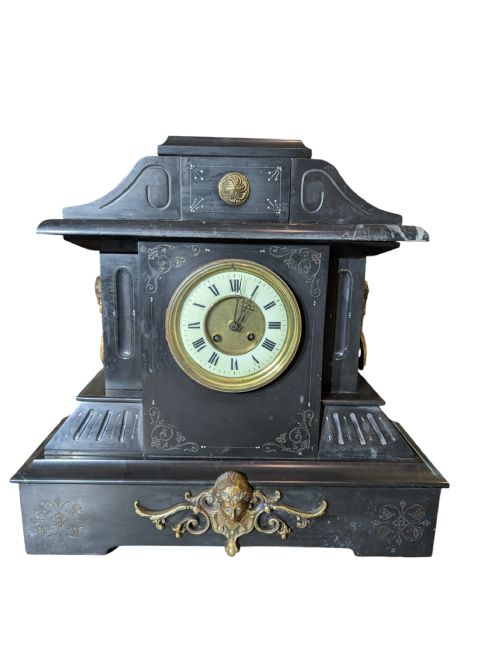


Antique French Timekeeper
An antique french timekeeper brings mechanical precision and classical design into domestic spaces, ranging from portable carriage clocks to substantial mantel pieces.
Antique French Timekeeper
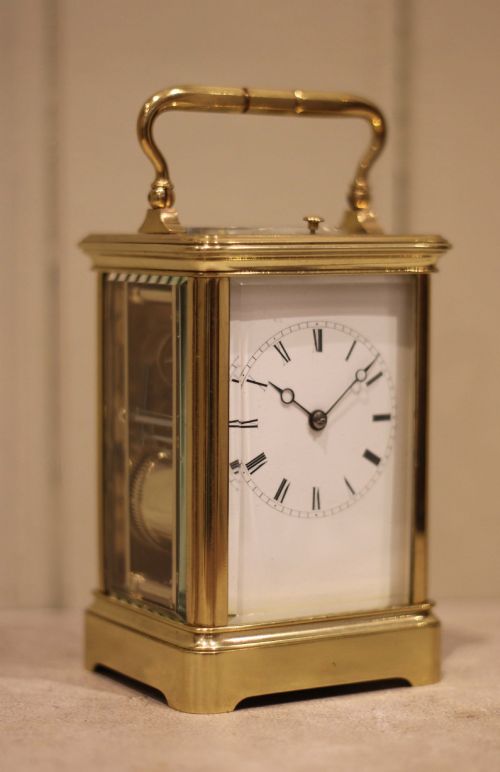
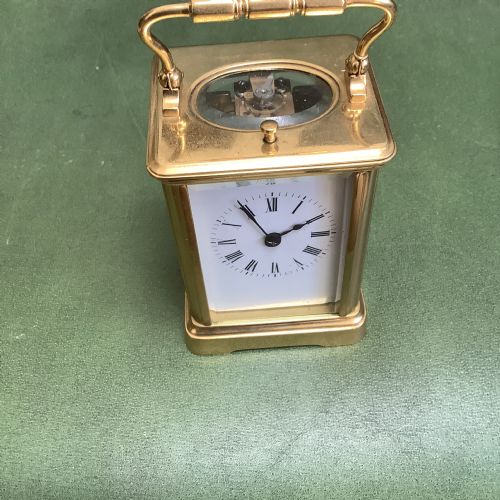
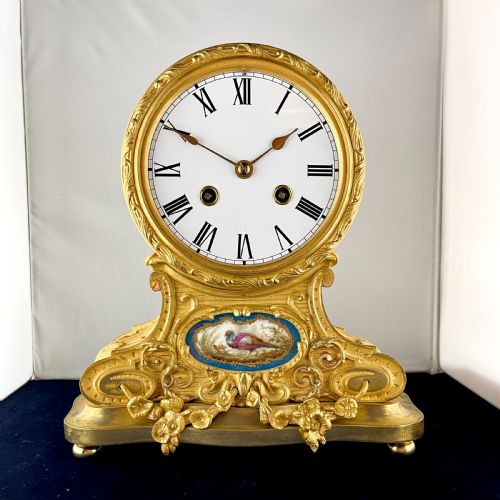
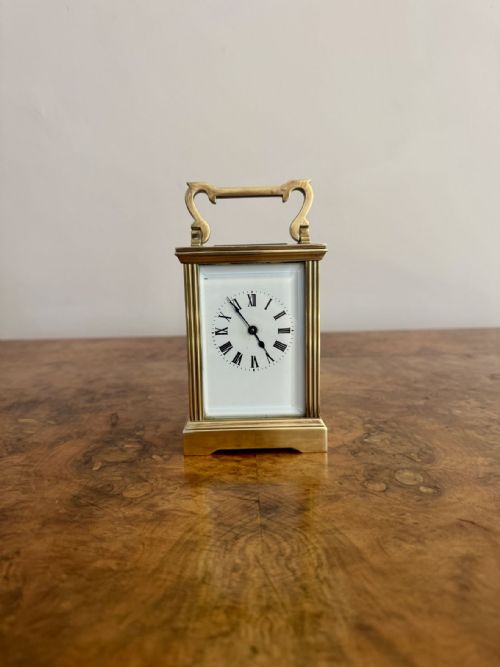
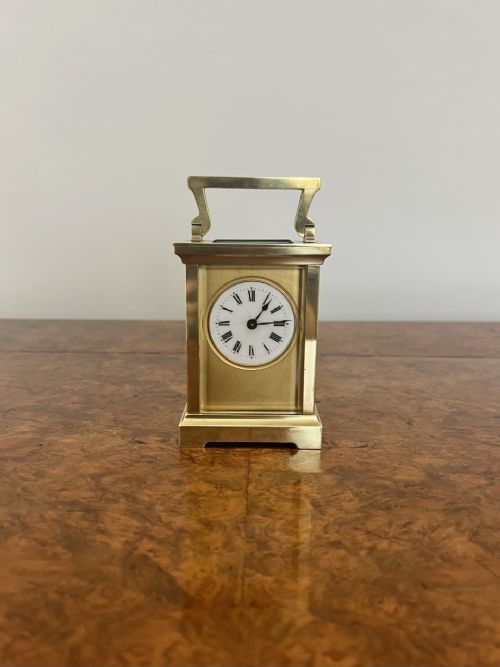
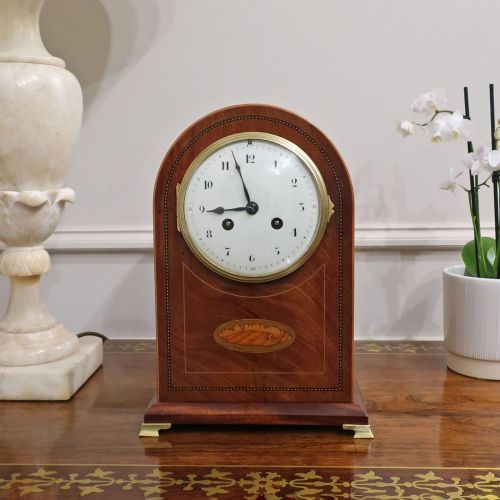
An antique french timekeeper encompasses a wide selection of decorative horological objects designed for domestic interiors during the nineteenth and early twentieth centuries. When searching for an antique french timekeeper, buyers encounter various formats including freestanding mantel clocks and portable carriage clocks housed in brass cases.
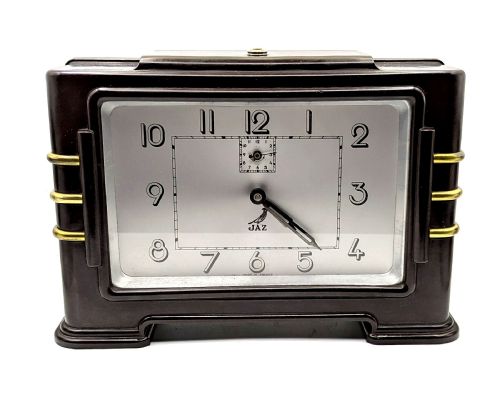
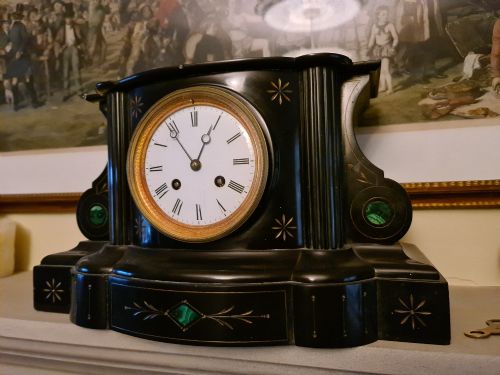
The selection includes pieces spanning multiple decades from the mid nineteenth century through to the art deco period of the 1930s. Carriage clocks with striking and repeating movements appear frequently alongside marble, bronze and slate mantel clocks originating from French workshops.
How they were made
Maker workshops utilised durable metals such as brass, gilt bronze, and ormolu alongside natural materials like marble, black slate, and glass to construct the housing of each timekeeper. Intricate engraving decorated many brass carriage clock gorge cases and dial masks, while enamel provided a smooth surface for clock faces.
Movements were engineered for domestic utility, incorporating eight-day running durations, striking mechanisms, and alarm functions within compact metal chassis. Mahogany and bakelite also appear in later examples, reflecting shifting manufacturing techniques across the nineteenth and early twentieth centuries.
What varies in quality
The standard of execution depends heavily on the complexity of the internal movement and the refinement of the exterior case decoration. Pieces featuring repeating mechanisms, alarm functions, and fully engraved gilt brass or bronze cases demonstrate higher levels of horological and artistic ambition.
Materials contribute significantly to the distinction between pieces, with heavy marble or detailed ormolu castings representing substantial craftsmanship. The presence of signed maker movements adds further context to the origin and overall execution of the timekeeper.
Pickford of London·Drocourt Paris·Margaine Of France·Brunelot·Duverdrey & Bloquel·Delépine-Barrois·Bishop Bournemouth·Samuel Marti·Dwerrihouse & Bell·Bourdin Paris·Goldsmiths
The Antique French Timekeeper Glossary
- Carriage clock
- A portable spring-driven clock designed for travel, typically featuring a brass frame with glass panels.
- Gorge case
- A stepped brass housing style commonly utilised for nineteenth-century carriage clocks.
- Repeating movement
- A mechanical complication that chimes the hours and quarters upon demand when a lever is pressed.
- Ormolu
- Finely chased gilt bronze applied to decorative clock mounts and architectural cases.
- Drumhead mantel clock
- A timepiece featuring a circular clock case mounted centrally on a conforming base.
Antique French Timekeeper: Frequently Asked Questions
What is a carriage clock?
A carriage clock is a small, portable spring-driven timepiece originally designed for travellers during the nineteenth century. These clocks typically feature brass framing inset with glass panels to reveal the internal movement.
Most examples sit on small feet and include a hinged carrying handle on top. They range from simple timepieces to complex models with striking and repeating mechanisms.
How do repeating clocks work?
Repeating clocks include a mechanical complication that sounds the last elapsed hour or quarter-hour when a button or lever on the case is activated. This allowed owners to check the time in darkness without needing to light a candle.
The mechanism uses additional rack and snail components driven by a separate train within the clock movement.
What materials are mantel clocks made from?
Mantel clocks utilise a variety of heavy structural materials designed to sit stably on a fireplace mantel or shelf. Common materials include black slate, white and rouge marble, mahogany, and cast bronze.
Decorative elements often incorporate gilt brass or ormolu mounts, enamel dials, and glass viewing panels.
How do I date a French clock?
Dating a French timekeeper involves examining the exterior style, materials, and any signatures or maker marks stamped on the movement backplate. Stylistic cues such as Victorian ornamentation, Louis-Philippe woodwork, or Art Deco bakelite provide broad chronological markers.
Maker names and exhibition medals stamped on movements can narrow down the period of manufacture to specific decades within the nineteenth or early twentieth centuries.