


Antique Church Lighting
Antique church lighting brings heavy brass, wrought iron, and carved wood into domestic spaces, offering dramatic height and candles or electricity.
Antique Church Lighting
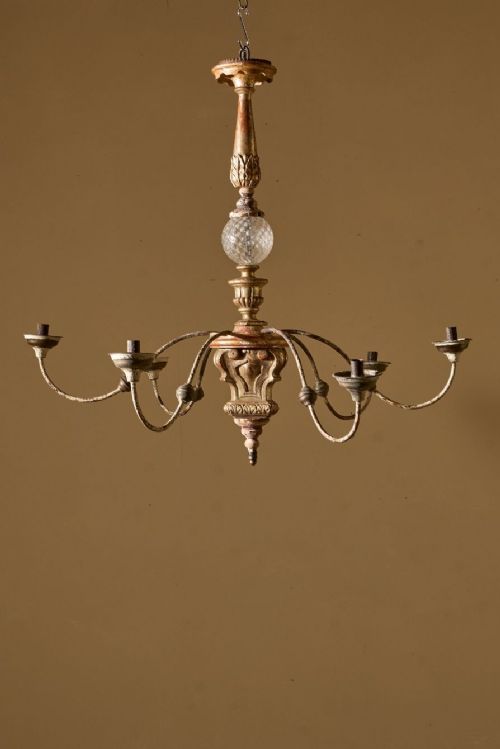
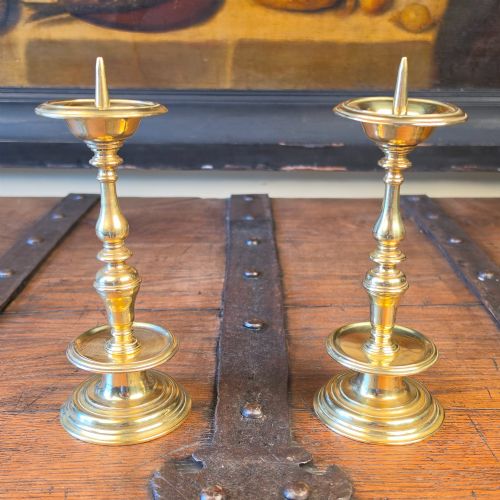
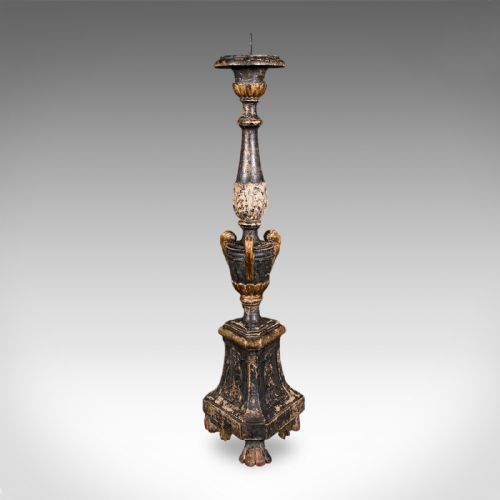
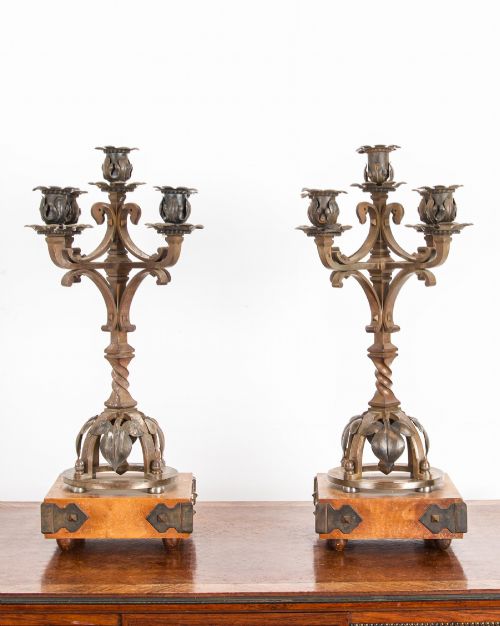
When you search for antique church lighting, you encounter altar sticks, floor Candelabras, and pricket chandeliers made for chapels and ecclesiastical interiors. The pieces on this page span from the eighteenth century through the Victorian era and into the early twentieth century, reflecting styles from Gothic Revival to Amsterdam School.
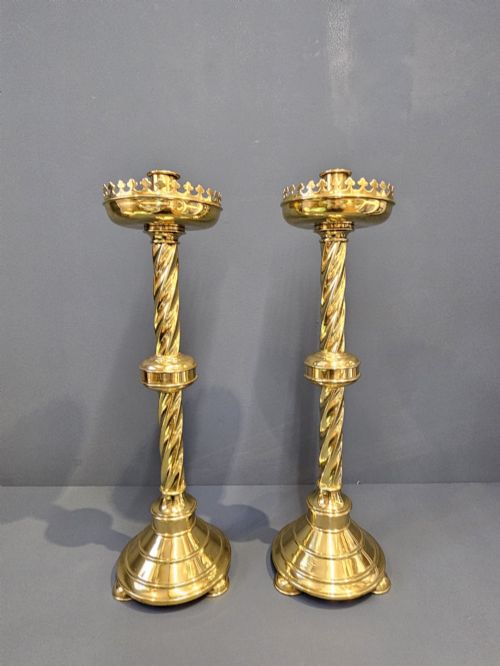
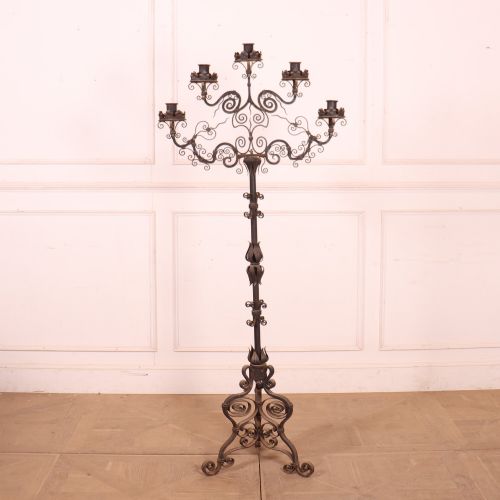
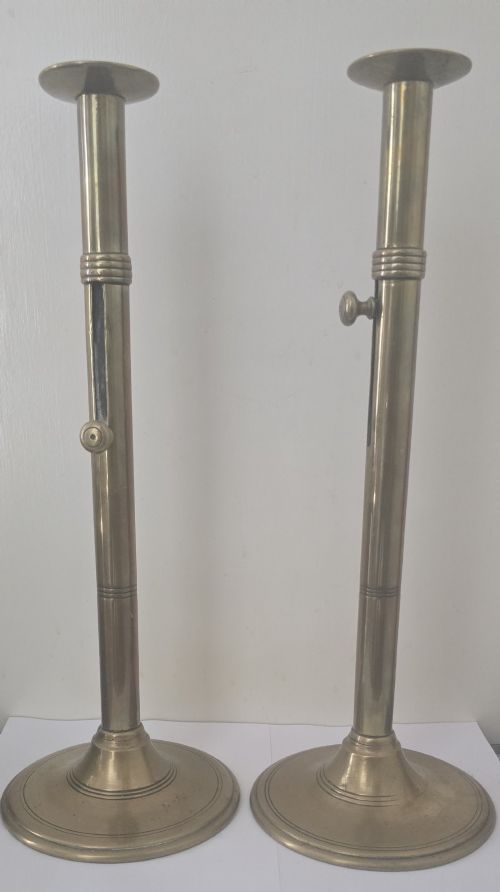
Brass candlesticks and iron floor stands dominate the selections, alongside carved oak and giltwood figures adapted for modern use. You find everything from small table lamps converted from pulpits to massive floor-standing candle holders requiring substantial room.
How they were made
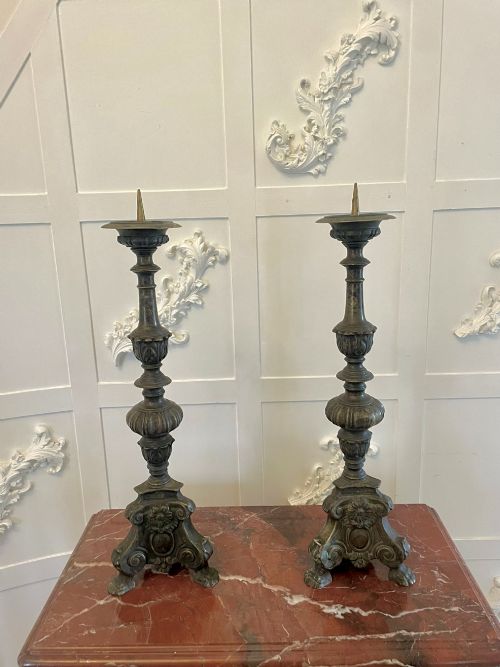
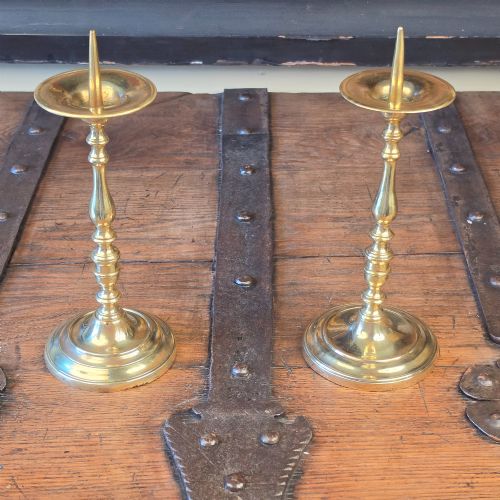
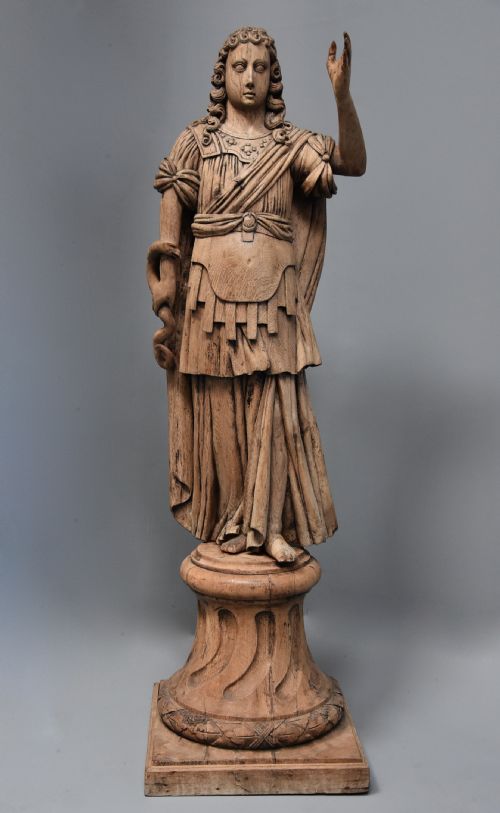
Metal pieces rely on heavy brass castings, forged iron, and bronze, often shaped with prickets to hold large wax candles directly. Artisans also turned to timber, carving oak, pine, and giltwood to create altars, torchères, and large decorative figures.
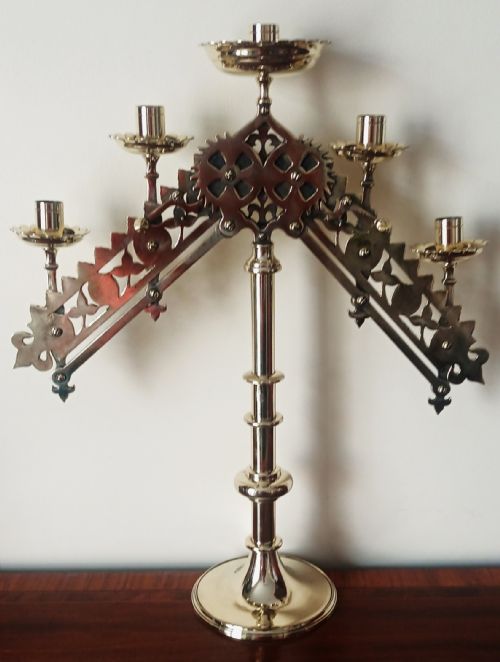
Many items show the marks of hand-finishing, from the joints in articulated brass candelabra to the silvering and ebonising applied to wooden surfaces. Construction prioritised structural durability to support heavy wax loads and frequent movement during services.
Several heavy prickets double as side-ejectors, proving that even eighteenth-century altar servers hated digging out stubborn candle stubs.
What varies in quality
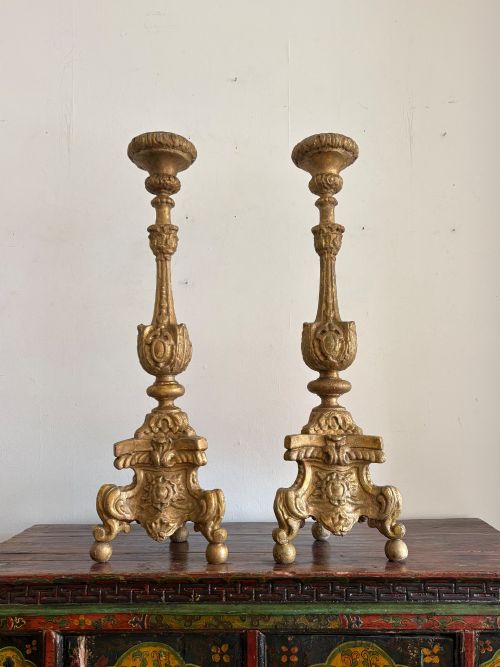
Quality rests in the weight of the metal and the crispness of the casting or carving, separating mass-produced ecclesiastical items from singular workshop creations. Amsterdam School pieces or Italian Baroque giltwood show distinct sculptural ambition compared to plain utilitarian chapel hardware.
Proportion and scale dictate the visual impact of each piece, with taller floor standards and balanced pairs commanding greater architectural presence. The integrity of the original material, whether solid brass or deeply carved pine, determines how well the object ages.
The Antique Church Lighting Glossary
- Pricket
- A metal spike on a candlestick designed to skewer the base of a large wax candle. This method of securing lights appears frequently on altar pieces.
- Torchère
- A tall ornamental stand or candlestick meant to hold a light source. These floor-standing pieces often feature carved wood or wrought iron.
- Giltwood
- Wood that has been coated with a thin layer of gold leaf. This finish creates a reflective surface for candlelight in dark interiors.
- Amsterdam School
- An architectural and design style known for expressive brickwork and dynamic metalwork. Pieces from this movement display robust copper, brass, and iron forms.
- Candelabra
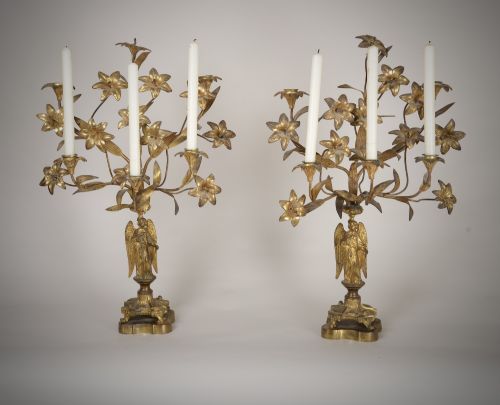
- A branched candlestick holding multiple lights. These branch arrangements range from small table versions to large floor-standing options.
Antique Church Lighting: Frequently Asked Questions
How do I use church lighting at home?
Floor-standing candelabras and heavy brass sticks work well in large hallways or beside fireplaces to create height and ambient glow.
Smaller table lamps converted from church hardware fit easily onto sideboards or desks for targeted illumination.
Are these pieces wired for electricity?
Many items retain their original pricket or candle-holding format, while others have been converted into table lamps over time.
Check individual listings to see whether a piece holds candles directly or uses fitted electrical wiring.
How do I tell Gothic Revival from Baroque pieces?
Gothic Revival items feature pointed arches, heavy brass, and ecclesiastical motifs drawn from medieval architecture.
Baroque pieces, such as Italian giltwood altars, rely on ornate carving, dynamic curves, and rich surface gilding.
What materials are most common?
Brass and wrought iron appear most frequently, offering the durability needed for heavy ecclesiastical use.
Carved wood, bronze, and giltwood also feature strongly across altar sticks and torchères.