




19th Century Altar Lamp
A 19th century altar lamp brings solemn ecclesiastical grandeur and rich metallic warmth into a modern room.
19th Century Altar Lamp
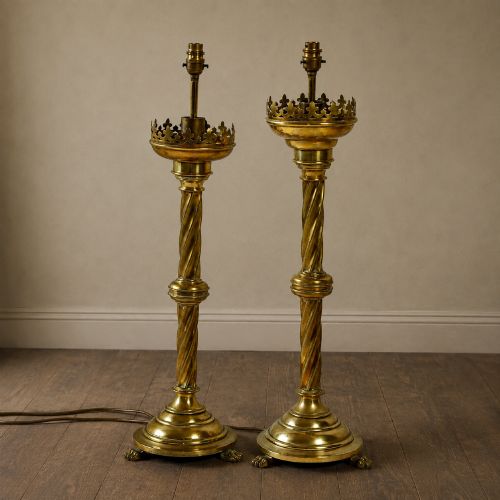
When you search for a 19th century altar lamp, you encounter robust brass church candlesticks and pricket sticks that have subsequently been converted into domestic table lamps. These pieces originate primarily from Victorian England and continental workshops, carrying the heavy ecclesiastical presence intended for sacred spaces.
The selection frequently includes paired brass candlesticks fitted for electrical lighting, alongside French ecclesiastical silver-plated examples and gilded bronze pieces. Alongside these dedicated altar lights, the record shows related liturgical forms such as pricket stick lamp bases and candelabras adapted for modern interiors.
Originating largely from the nineteenth century, these heavy brass and gilt items bridge the gap between religious artefact and functional household lighting. Their solid construction and patinated surfaces make them sought after for adding historical weight to side tables and living spaces.
Materials and Construction
These pieces rely heavily on cast brass, giltwood, carved oak, and gilded bronze as their primary structural elements. Metals are shaped, turned, and sometimes plated with silver or finished with ormolu to achieve a rich reflective surface.
Wooden examples utilise elm and carved oak, often paired with gilt and marbleised finishes or embellished with delicate silk fringe. The craftsmanship focuses on durability and decorative impact, combining turned timber with heavy metal components built to withstand decades of liturgical use.
The recorded styles range from strict Victorian Gothic Revival and Rococo Revival to Chinese Provincial and Neoclassical forms.
Judging Quality and Character
Quality in these conversions rests upon the original casting weight and the integrity of the surviving metalwork or carved wood. Heavier brass and crisper chasing on French ormolu or gilded bronze separate superior liturgical pieces from simpler utilitarian items.
The distinction also lies in how sympathetically the piece has been adapted for domestic use. Superior examples retain their original structural mass and patination without suffering from overly aggressive cleaning or heavy-handed alterations during conversion.
The 19th Century Altar Lamp Glossary
- Pricket stick
- A type of candlestick featuring a sharp central spike designed to secure a wax taper rather than a socket. This traditional form is frequently found adapted into tall lamp bases.
- Ormolu
- Finely ground high-carat gold applied to a bronze base, creating a rich, warm metallic lustre. It appears on continental ecclesiastical pieces to enhance decorative detail.
- Gothic Revival
- An architectural and decorative style drawing on medieval forms, characterised by pointed arches and robust geometric tracery. Many brass altar candlesticks on this page display these distinct architectural motifs.
- Ecclesiastical
- Pertaining to the Christian church and its formal liturgy. Objects bearing this description were originally fashioned for use within chapels, cathedrals, and abbeys.
19th Century Altar Lamp: Frequently Asked Questions
What is a pricket lamp base?
A pricket lamp base originates from a heavy altar candlestick that used a metal spike to hold large candles. These solid metal stems are later adapted to house electrical fittings while retaining their original liturgical silhouette.
Such pieces bring considerable height and structural weight to a tabletop, functioning as striking sculptural lamps with a distinct historical lineage.
How do I date a 19th century altar lamp?
Dating relies on examining the casting methods, wear patterns on the metal, and stylistic clues such as Victorian Gothic Revival motifs or French ecclesiastical design. Heavy brass components and hand-turned elements typically point towards the middle and later decades of the nineteenth century.
Matching pairs often show subtle variations inherent in nineteenth-century foundry work, distinguishing genuine period pieces from modern reproductions.
Where were these lamps used originally?
These heavy metal and gilt fixtures stood upon altars and side tables within churches, cathedrals, and private chapels. They held candles to illuminate liturgical ceremonies before being repurposed for domestic illumination.
Their substantial weight and sturdy bases ensured they remained stable on narrow altar tables during frequent ecclesiastical services.
Can I place these lamps on standard side tables?
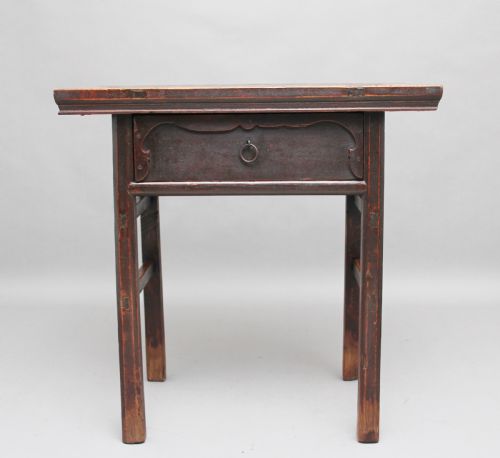
Their considerable weight and height require a robust surface such as a solid wood side table or a sturdy sideboard. Pairing them with complementary furniture like nineteenth-century elm tables helps balance their imposing visual presence.
Ensure the placement accounts for the substantial vertical reach of pricket sticks and tall candelabra bases in a domestic room.