


Silvered Metal Lamp Base
A silvered metal lamp base brings a subtle, reflective glow to a room, offering the sturdy character of Edwardian and nineteenth-century design.
Silvered Metal Lamp Base
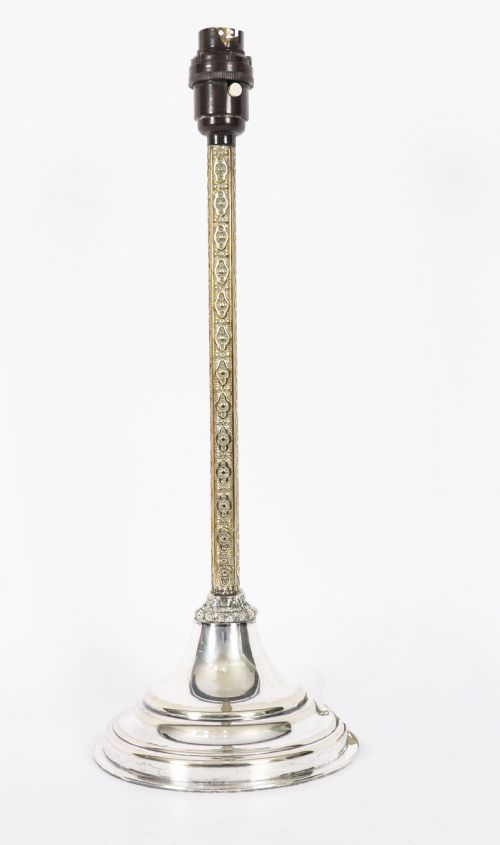
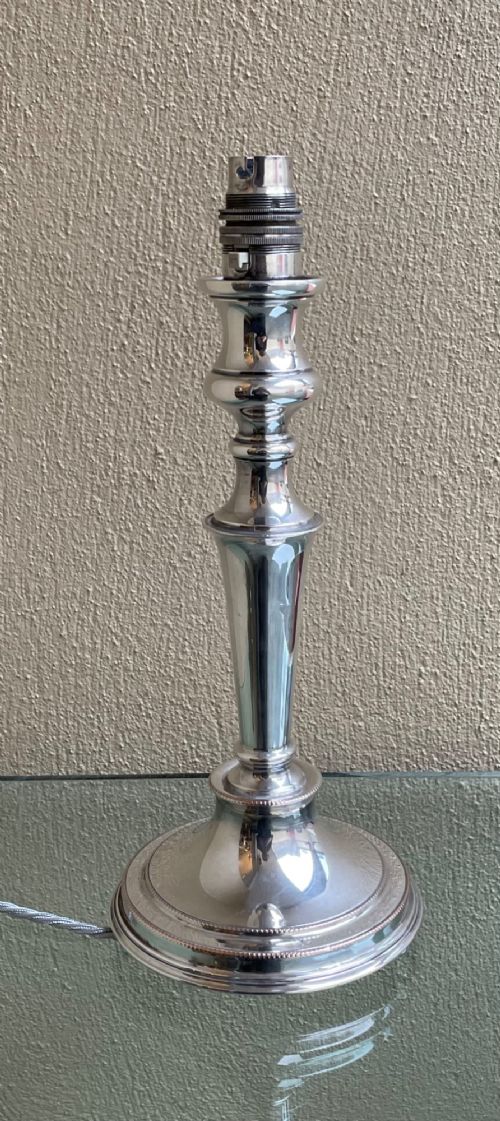
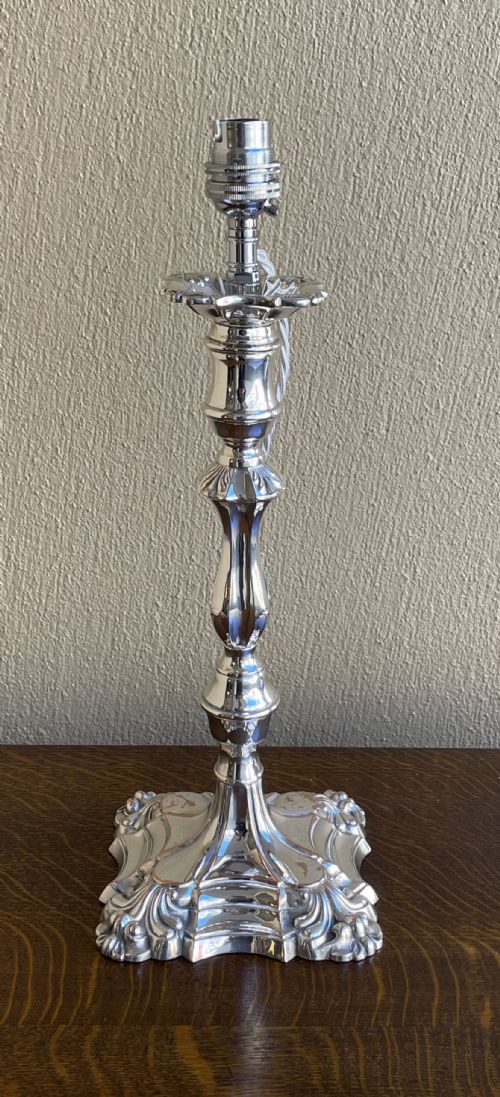
When you search for a silvered metal lamp base, you encounter a selection of table lamps dating from the late nineteenth century through to the Edwardian period and the 1920s. These pieces include tall Edwardian silver-plated table lamps, George V designs, and French ecclesiastical examples.
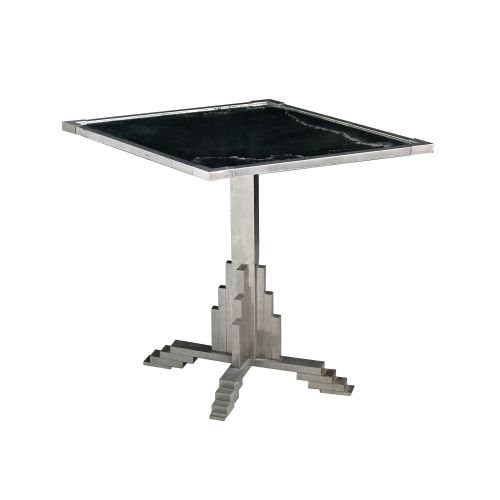
The objects on this page primarily take the form of table lamps with silver plating, nickel-plated bronze, or brass construction. Side tables also appear among the selections, particularly American Art Deco mirrored top examples that share the metallic aesthetic.
You are most likely to meet silver-plated table lamps with round bases or intricate metalwork from the Edwardian era. These domestic lighting pieces reflect the traditional and neoclassical tastes of their respective periods.
How they were made
Makers constructed these lamp bases using base metals such as brass, bronze, and general metalwork, which they then finished with silver plating, nickel plating, or parcel gilt. This layering method provided the appearance of solid silver while utilising sturdier underlying metals.
Detailing often involved intricate metal work, casting, and applied ornamentation that reflected Victorian, Edwardian, and Art Deco styles. Some designs incorporated contrasting materials like Bakelite or mirrored glass to enhance the reflective surface quality.
Listings feature items from the Edwardian period, 1880, and the 1920s, constructed from silver plate, brass, and nickel-plated bronze.
What varies in quality
The distinction between standard production and finer examples lies in the depth of the metalwork and the preservation of the silver or nickel plating. Intricate casting and substantial weight separate superior table lamps from simpler utilitarian pieces.
Design ambition also marks the range, moving from plain round bases to elaborate French ecclesiastical or American Art Deco creations. The integration of complementary elements like specialised shades or mixed materials indicates higher craftsmanship.
Mappin & Webb·Muller Bros
The Silvered Metal Lamp Base Glossary
- Silver Plate
- A thin layer of silver applied to a base metal core such as brass or bronze. This technique allowed manufacturers to produce lustrous domestic objects at a lower cost than solid silver.
- Parcel Gilt
- A decorative method where only specific portions of an object receive a coating of gold, leaving the surrounding silvered metal exposed. This creates a contrasting two-tone metallic effect.
- Nickel-Plated Bronze
- Bronze metal coated with a thin layer of nickel to prevent tarnishing and provide a bright, durable finish. It appears frequently in twentieth-century manufacturing.
- Neoclassical
- A style drawing inspiration from classical antiquity, often featuring symmetrical forms and restrained ornamentation. It influences many nineteenth-century lighting designs.
- Ecclesiastical
- Design styles originating from church furnishings and religious architecture. In metalwork, this often translates to Gothic motifs and heavier, ritualistic detailing.
Silvered Metal Lamp Base: Frequently Asked Questions
How do I date a lamp base?
Dating relies on stylistic clues, manufacturing techniques, and the metal alloys used in the construction. Pieces often reflect the prevailing tastes of periods such as the Edwardian era or the 1920s.
Examining the plating method and switch types, where original, helps narrow down the decade of production. Maker marks, when present, provide the most direct evidence of origin.
What is parcel gilt?
Parcel gilt is a decorative finish where specific details on a metal object are highlighted with gold. This technique emphasises raised motifs against a silvered background.
Makers used this method to add contrast and visual warmth to otherwise monochromatic metal lamp bases.
How do I clean silvered metal?
Cleaning requires a gentle touch to avoid stripping thin silver plating or nickel layers from the underlying base metal. Soft cloths and mild, non-abrasive cleaners help maintain the surface shine.
Aggressive polishes can permanently damage antique finishes, so minimal intervention is generally recommended for older metals.