



Antique Chinoiserie Bowl
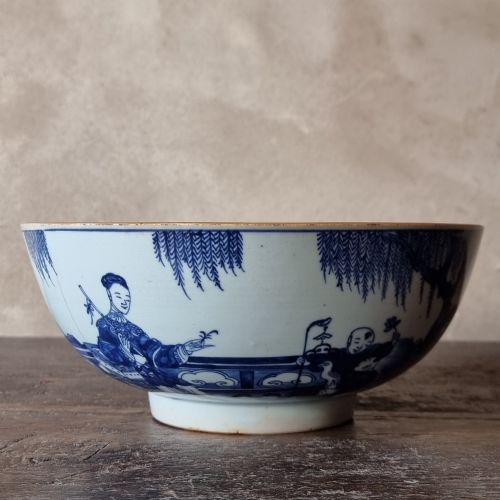
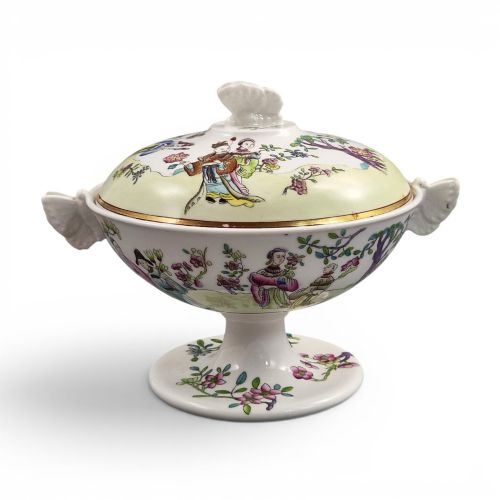
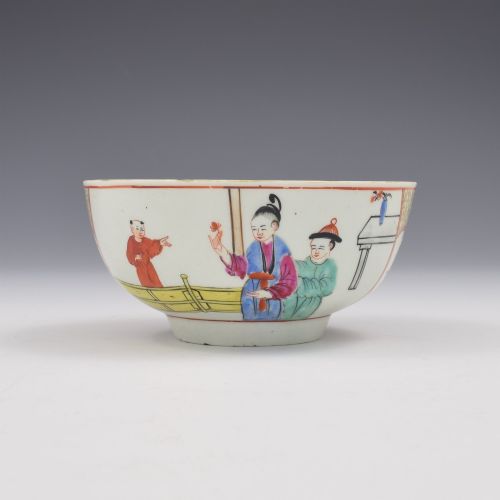
An antique chinoiserie bowl brings domestic Georgian and Victorian tables alive with hand-painted figures, pagodas, and exotic garden scenes.
Antique Chinoiserie Bowl
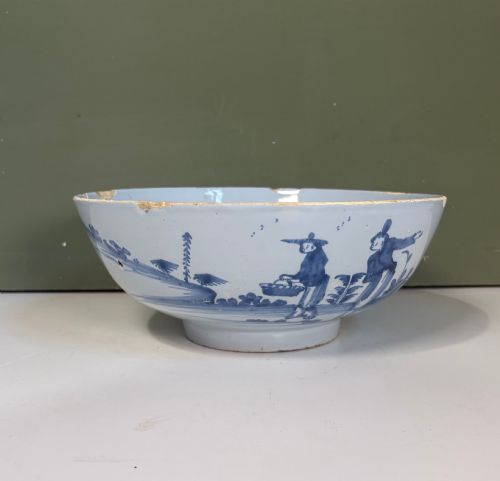
When searching for an antique chinoiserie bowl, collectors encounter a diverse range of forms spanning from eighteenth-century Chinese export porcelain punch bowls to nineteenth-century English ironstone tableware and earthenware jardinieres. These pieces capture European interpretations of East Asian motifs, displaying figures, landscapes, and floral patterns across decorative bowls, tureens, and basin sets.
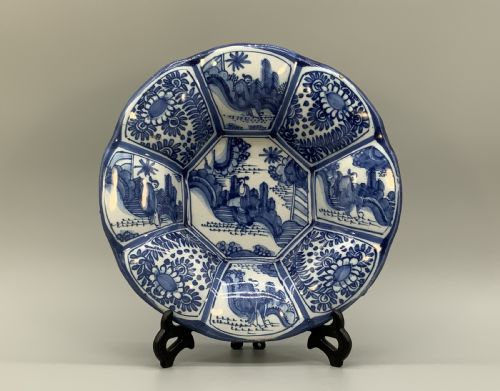
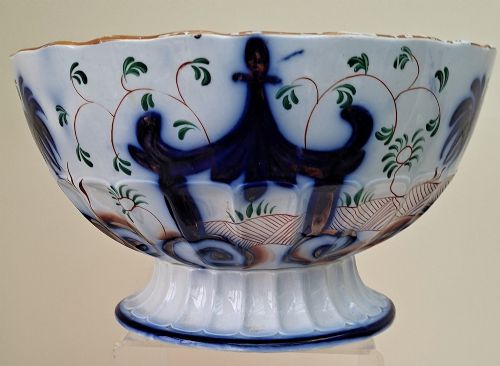
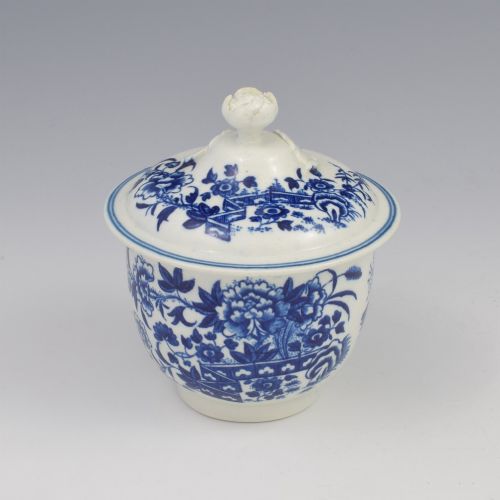
The selections on this page lean heavily toward eighteenth-century Worcester porcelain tea bowls and slop bowls alongside nineteenth-century Mason's ironstone vessels. Pieces date from the Georgian, Victorian, and Edwardian eras, incorporating styles such as Dutch Baroque, Regency, and Kraak alongside traditional blue and white or famille rose palettes.
Materials and construction
Potters constructed these vessels using porcelain, ironstone, earthenware, and ceramic bodies, finished with protective glazes and occasionally highlighted with gold leaf or enamel. English factories such as Worcester, Spode, and Derby adapted hard-paste and soft-paste ceramic formulas to mimic imported Asian wares.
Decoration relied heavily on underglaze blue painting or overglaze enamel work, sometimes applied by independent decorators like James Giles in London. Ironstone pieces utilised durable ceramic pastes fired at high temperatures to handle heavy everyday use.
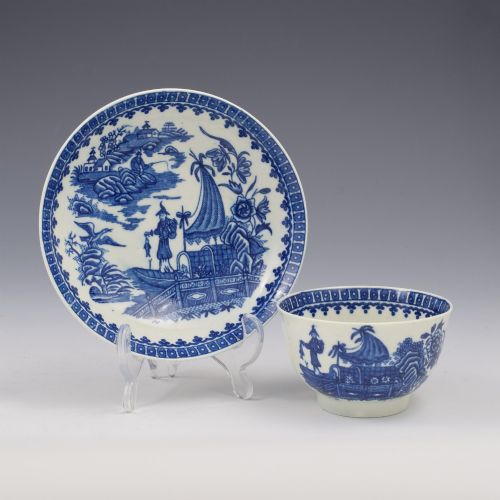
Fishermen cast lines across eighteenth-century Worcester porcelain while pagodas loom behind them in perpetual calm.
What separates the finest examples
Quality in an antique chinoiserie bowl rests on the crispness of the hand-painted brushwork and the vibrancy of the enamel or blue pigment. Superior pieces display intricate detail in figures and architectural pagoda patterns without smudging or pooling in the glaze.
The sophistication of the ceramic body and the historical importance of the factory dictate the upper tier of the market. Early Worcester porcelain and documented Chinese export pieces command attention for their potting precision and artistic depth.
Spode Felspar Porcelain·Mason's Patent Ironstone·Chamberlain Worcester·Wedgwood·Copeland and Garrett·James Giles
The Antique Chinoiserie Bowl Glossary
- Slop bowl
- A waste bowl used during tea service to hold tea dregs and cold water before pouring a fresh cup. These porcelain vessels often match eighteenth-century tea sets.
- Famille rose
- A palette of opaque enamel colours dominated by pink or rose, introduced to Chinese export porcelain during the eighteenth century. Artisans used these delicate hues to render floral and figural chinoiserie scenes.
- Ironstone
- A patented heavy earthenware developed in the nineteenth century for durability and mass production. Factories like Mason's utilised this dense ceramic body for large tureens, basins, and bowls.
- Kraak style
- A sixteenth and seventeenth-century Chinese export porcelain design featuring paneled borders and central aquatic or floral motifs. Dutch potters later imitated these compositions on tin-glazed earthenware.
- Comport
- A raised decorative dish or bowl used for serving fruit or sweets on a formal dining table. These pedestals appeared in porcelain, ironstone, and pearlware during the Georgian and Victorian periods.
Antique Chinoiserie Bowl: Frequently Asked Questions
What was a slop bowl used for?
A slop bowl sat on the tea table to receive leftover tea and dregs from guests' cups before a fresh pour from the teapot. Guests and hosts used these vessels to keep the tea service tidy.
Over time, these bowls became standard components of porcelain tea sets, often featuring matching blue and white or polychrome chinoiserie motifs.
How do I tell eighteenth-century Worcester apart?
First Period Worcester porcelain often displays delicate potting, fine blue and white hand-painted patterns like the fence or fisherman design, and characteristic crescent or square fret marks underneath. Examining the base under magnification reveals subtle glaze pooling and potting quirks unique to eighteenth-century kilns.
Later nineteenth-century reproductions or competing factories heavier ironstone bodies and different paste compositions that lack the translucency of early Worcester soft-paste porcelain.
How should I display a large tureen or jardiniere?
Large ironstone tureens and jardiniere bowls suit sideboards, entrance tables, or open shelving where their heavy ceramic forms and colourful chinoiserie patterns provide a strong focal point. Placing them on flat surfaces away from heavy traffic prevents accidental knocks.
When displaying pieces with matching stands, keep the ensemble together to preserve the historical pairing and stability of the display.
What is the difference between porcelain and ironstone?
Porcelain is a vitrified, translucent ceramic fired at very high temperatures, prized for its delicate walls and smooth white body. It typically dates to finer eighteenth-century tea bowls and export wares.
Ironstone is a heavy, opaque earthenware patented in the nineteenth century to withstand daily dining use. It offers greater durability and thickness, making it ideal for large basins, comports, and tureens.