

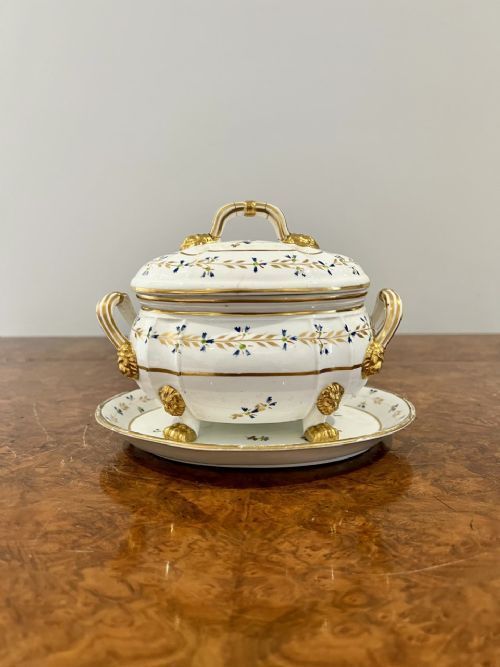


Antique Ceramic Covered Bowl
An antique ceramic covered bowl unites practical dining history with delicate artistry across centuries of porcelain and earthenware production.
Antique Ceramic Covered Bowl
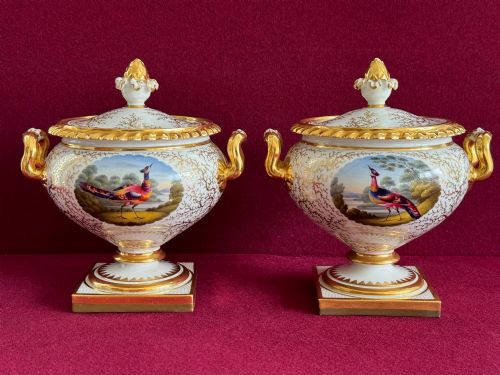
The term antique ceramic covered bowl encompasses utilitarian vessels and refined tableware, ranging from small sugar boxes to large vegetable tureens. Pieces originating from Georgian and nineteenth-century English, continental, and Asian potteries dominate the selections.
Buyers encounter distinct functional forms such as sauce tureens, potpourri lidded bowls, and pedestal dishes designed for dining rooms and displays. These items span periods from the eighteenth century through the early twentieth century.
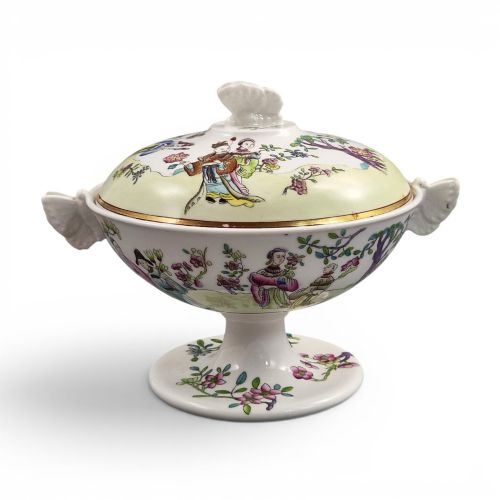
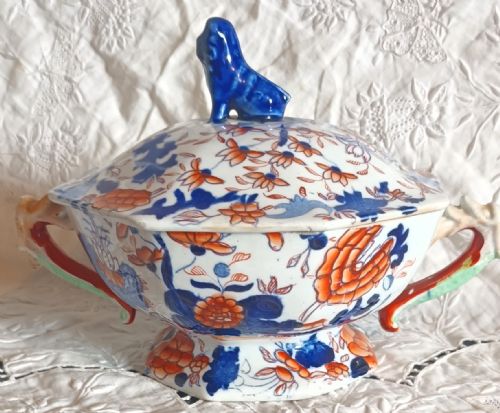
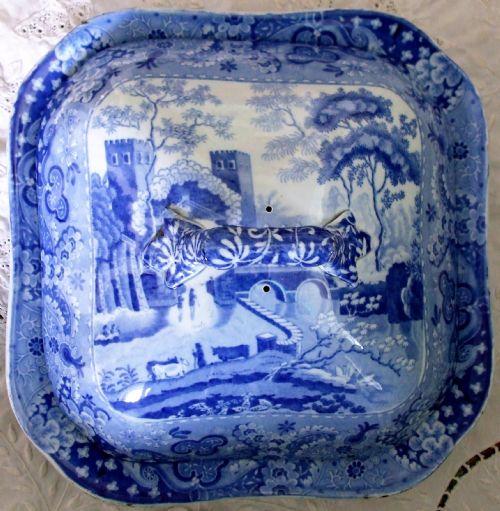
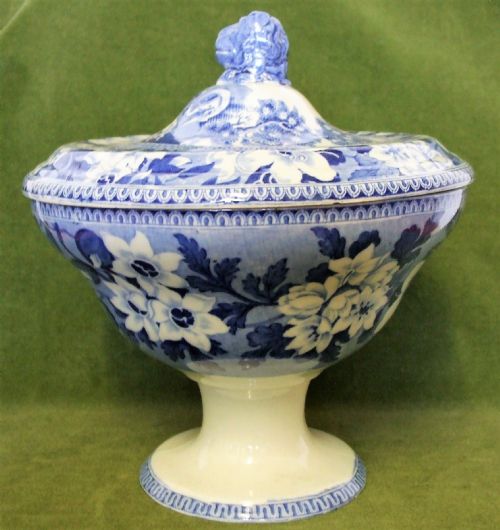
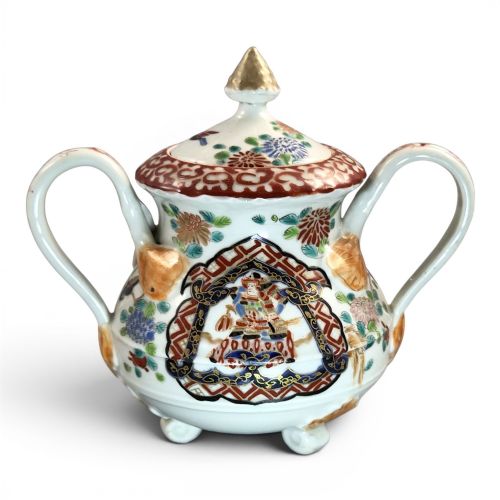
Makers utilised various ceramic bodies including porcelain, ironstone, pearlware, and earthenware to shape domestic vessels. Decoration styles draw heavily on traditional blue and white transfer prints, Imari palettes, and Chinoiserie motifs.
Materials and Technique
Potters shaped these covered vessels using traditional wheel-throwing and mould-pressing techniques, firing the ceramic bodies to varying degrees of vitrification. Ironstone provided robust durability for heavy service tureens, while refined soft-paste and hard-paste porcelains allowed for delicate, thin-walled sugar bowls and chestnut baskets.
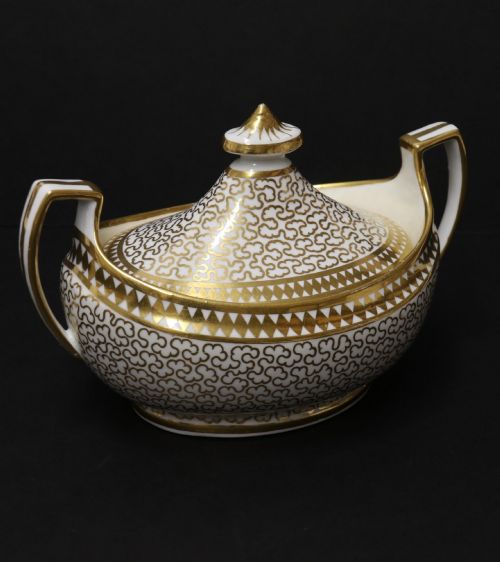
Glazes and surface decorations required multiple kiln firings, incorporating underglaze blue transfer printing, hand-painted enamel pigments, and applied gold leaf or gilt highlights. Artisans frequently integrated moulded elements such as lion mask handles, butterfly grips, and botanical finials directly into the lid and body construction.
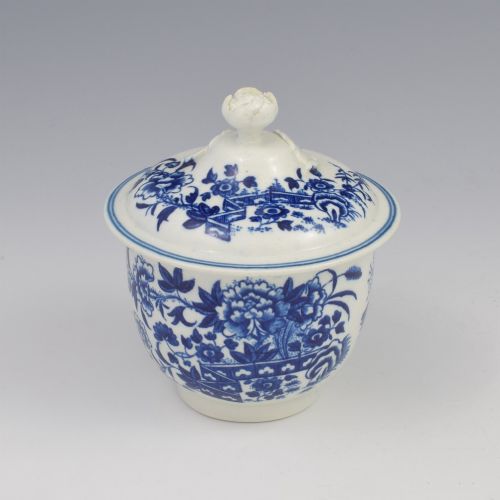
Object forms span large vegetable tureens, delicate sugar boxes, sauce tureens, and decorative potpourri lidded bowls originating from English and continental potteries.
Craftsmanship and Execution
The refinement of the ceramic paste and the crispness of the moulded relief define the primary tier of quality among these covered vessels. Superior examples display sharply rendered transfer prints, precise hand-painted enamel details, and intact, well-preserved gilding.
Proportion and structural balance separate standard utilitarian pieces from exceptional exhibition wares. High-tier items often feature matching stands, intricate handles, and maker marks that verify the originating factory or period.
Derby Porcelain·Swansea·Spode·Limoges·Chamberlains Worcester·Mason's·J. & R. Clews·John Rogers & Son·Fukagawa·Crown Derby·Mintons·Dresden·Doulton Burslem·Ridgway·Flight Barr And Barr·Sevres·Richard Ginori·Davenport·Coalbrookdale
The Antique Ceramic Covered Bowl Glossary
- Sucrier
- A small covered bowl or pot specifically designed for holding table sugar. These vessels frequently feature matching saucers or stands and date predominantly to the Georgian and Regency periods.
- Tureen
- A large deep serving bowl with a lid, utilised historically for serving soups, sauces, or vegetables at the dining table. They often incorporate fixed handles and matching under-dishes.
- Pearlware
- A refined earthenware developed by British potters in the late eighteenth century, characterised by a subtle blueish-white glaze that imitated Chinese porcelain. It served as a common ground for botanical and transfer-printed decoration.
- Ironstone
- A heavy, durable type of earthenware patented in the early nineteenth century to withstand rigorous domestic use. It frequently displays Chinoiserie patterns and thick enamel colouring.
- Potpourri
- A decorative lidded bowl or vase pierced with openings to release the fragrance of dried flowers and spices placed within. These ornamental pieces gained popularity during the nineteenth century in European porcelain.
Antique Ceramic Covered Bowl: Frequently Asked Questions
What were covered bowls used for?
These lidded vessels served practical culinary and domestic functions at the dining table, holding items such as sugar, sauces, soups, and vegetables. Smaller variants functioned as desk or vanity accessories, while decorative lidded pots diffused scents.
Over time, many of these utilitarian containers transitioned into display pieces, prized for their painted motifs and sculptural handles.
How do I distinguish ironstone from porcelain?
Ironstone is a dense, opaque earthenware designed for heavy service, showing a heavier weight and a thicker body when examined closely. Porcelain exhibits a finer, more vitrified body that often appears translucent when held to a strong light.
Transfer-printed patterns on ironstone tend to sit upon a robust glaze, whereas porcelain allows for delicate underglaze blue painting and fine overglaze enamels.
How do I identify the period of a piece?
Dating relies upon observing the ceramic body material, the style of the transfer print or hand-painted motif, and any factory marks stamped or painted on the base. Stylistic cues such as Rococo revival moulding or Georgian blue and white patterns provide primary chronological markers.
Comparing potting techniques and glaze characteristics against documented manufacturer timelines helps narrow the date of manufacture.