


English Ironstone Centerpiece
These english ironstone centerpiece pieces bring robust nineteenth-century utility and striking pattern work to a table.
English Ironstone Centerpiece
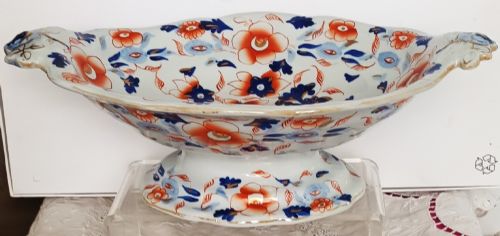
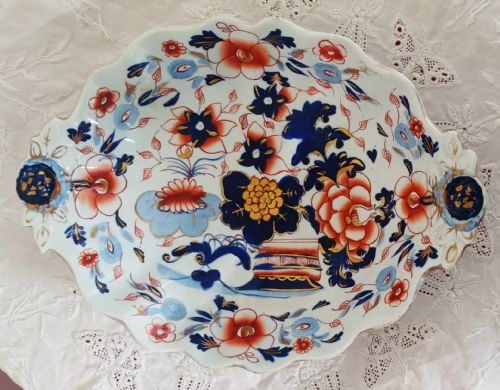
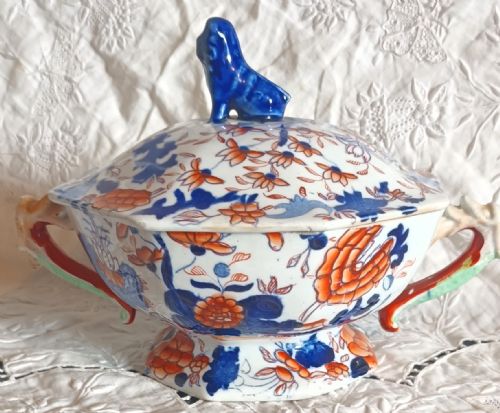
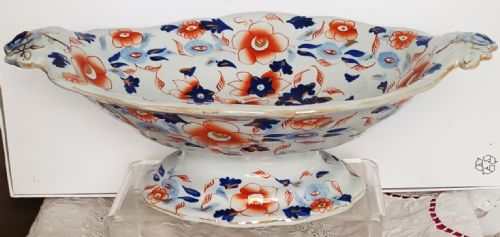
When you search for an english ironstone centerpiece, you encounter sturdy ceramic forms designed for display and service on formal tables. The selection focuses heavily on nineteenth-century comports, footed dishes, and covered tureens from Georgian and Victorian eras.
You are most likely to meet footed comports, low comports, and large covered bowls across these listings. Many examples display rich patterns such as Japan designs and Chinoiserie motifs.
The objects originate from the nineteenth century, encompassing Georgian, Regency, and Victorian stylistic influences. Forms range from tazzas and serving dishes to substantial pedestal bowls.
Materials and manufacture
Potters built these vessels using dense ironstone ceramic and ironstone china, fired to create a heavy, durable body suitable for daily dining and service. This vitrified material resists chipping far better than standard earthenware.
Decoration relies on applied enamel colours and hand-painted or transferred motifs, sometimes accented with gold leaf and gilt details beneath a clear glaze. Green Mandarin and Chinoiserie patterns dominate the decorative repertoire.
Current listings span nineteenth-century periods including Georgian, Regency, and Victorian eras, utilising ironstone ceramic, enamel, and gold leaf.
Measures of quality
Quality rests upon the crispness of the transfer printing and the precision of the hand-applied enamel work. Finer pieces display rich, saturated colours and careful gilding that remains crisp across complex motifs.
The sophistication of the form dictates distinction, separating standard utility vessels from ambitious pedestal comports and elaborately modelled tureens with matching covers.
Mason's Patent Ironstone
The English Ironstone Centerpiece Glossary
- Ironstone
- A heavy, durable ceramic body patented in the nineteenth century to imitate Chinese porcelain while offering greater strength. It forms the foundation of every piece catalogued here.
- Comport
- A raised dish or bowl on a foot, used for serving fruit or sweetmeats centrally on a dining table. These pieces often feature low or pedestal bases.
- Tureen
- A deep covered bowl designed for serving soups, vegetables, or sauces. Examples here include matching covers and substantial handles.
- Chinoiserie
- European artistic styles reflecting Chinese motifs and imaginary oriental landscapes. This aesthetic appears frequently in the patterned ironstone bowls and tureens.
English Ironstone Centerpiece: Frequently Asked Questions
What is an ironstone centerpiece?
An english ironstone centerpiece is a large ceramic vessel, such as a comport, tazza, or footed bowl, created to anchor a dining table display during the nineteenth century.
These pieces combine utilitarian strength with decorative ambition, featuring vibrant enamel patterns and gilt highlights.
How were these bowls used?
Nineteenth-century households utilised these vessels for serving fruit, sweetmeats, vegetables, or soups during formal meals. Their generous proportions made them visual focal points of the dining service.
Covered tureens kept food warm at the table, while open comports displayed seasonal produce.
How do I care for ironstone?
Wash ironstone gently by hand in warm water using mild soap to protect the historic glaze and delicate gilt highlights. Avoid abrasive scrubbers that can damage the enamel surface.
Store pieces securely on stable surfaces, supporting the weight of footed comports and tureens properly.