
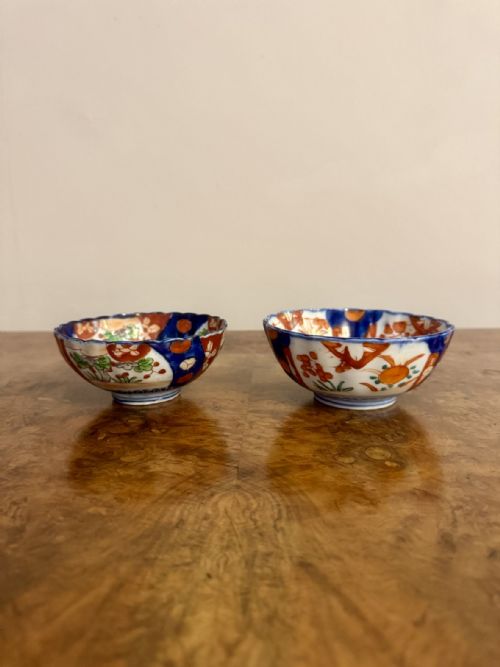


Antique Imari Pattern Bowl
These antique imari pattern bowls bring rich enamel palettes and historic ceramic forms straight to your table.
Antique Imari Pattern Bowl
An antique imari pattern bowl covers a wide chronological spread, from late seventeenth-century Japanese and Chinese examples up through Georgian and Victorian English ironstone and porcelain interpretations. When you search for this phrase, you meet everything from small Japanese export dishes and footed comports to large covered tureens and tea service sugar bowls.
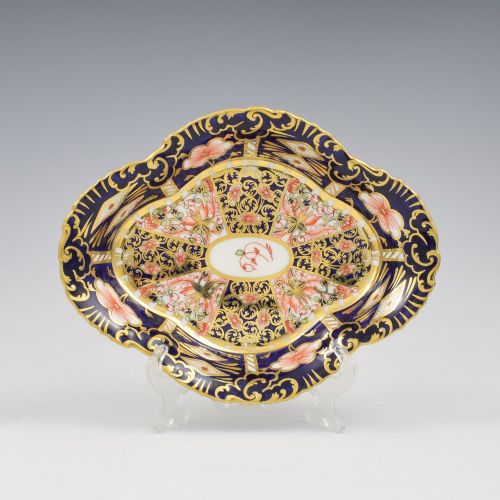
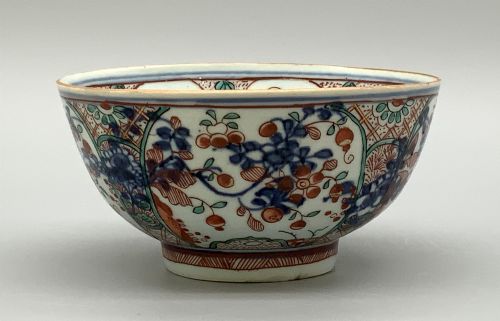
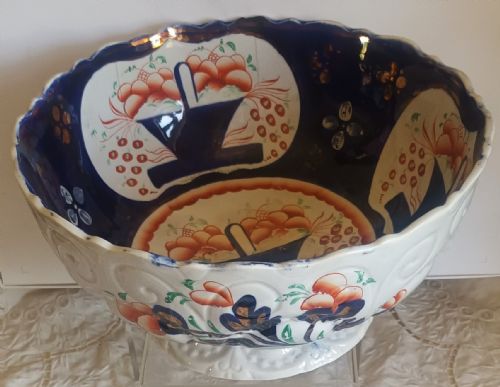
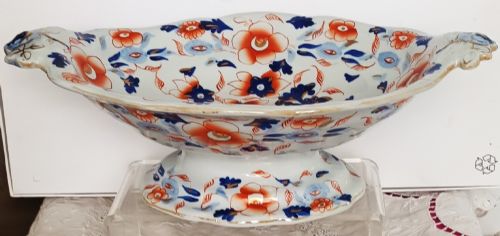
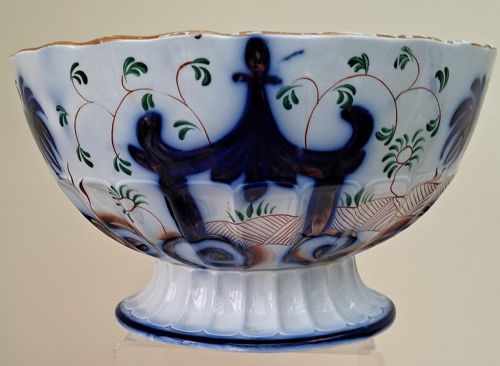
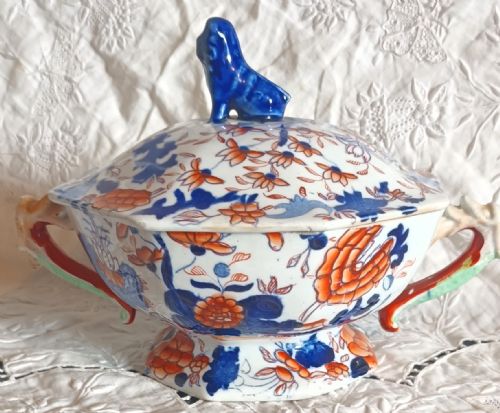
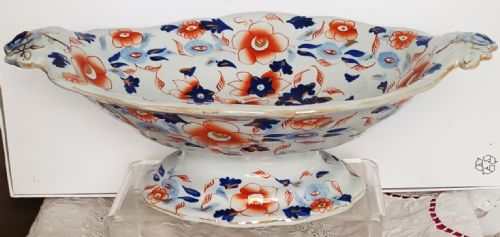
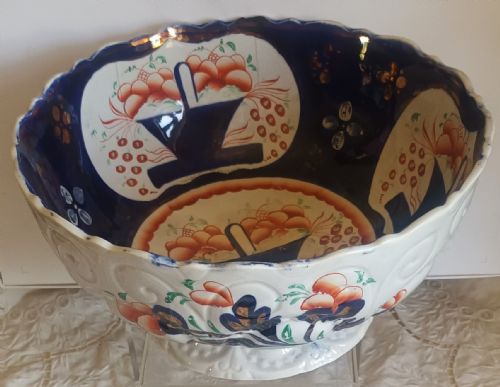
The aesthetic bridges Eastern and Western traditions, utilising distinct cobalt blue, iron red, and gold leaf highlights. English potteries during the Georgian and Victorian eras adopted these vibrant Japanese palettes onto ironstone and earthenware bodies, creating robust footed bowls and decorative table centrepieces.
The assortment spans diverse utilitarian and decorative forms, including pedestal bowls, potpourri vases, and basin sets. Whether European ironstone or late nineteenth-century Arita export ware, each piece displays the characteristic compartmentalised motifs and floral arrangements that define the imari tradition.
How they were made
Potters constructed these vessels using hard-paste porcelain, ironstone, earthenware, and ceramic bodies, depending on the manufacturing origin. English factories relied heavily on dense ironstone to build durable tureens and footed comports, while Asian makers utilised fine porcelain.
Decoration required multi-stage firing processes, combining underglaze cobalt blue with hand-applied overglaze enamels and gold leaf accents. Artisans painted intricate panels of flora and fauna directly onto the glazed surface before fixing the colours in a secondary muffle kiln.
Listings feature imari pattern pieces spanning porcelain, ironstone, and earthenware bodies across multiple centuries.
What varies in quality
The precision and density of the hand-painted enamel work determine the upper tier of these vessels, separating hurried commercial output from master-painted porcelain. Crisp cobalt outlines combined with finely brushed gold leaf indicate superior craftsmanship.
Body selection and structural integrity also divide the range, as heavier ironstone moulding or translucent porcelain bodies show greater technical command. Pieces retaining crisp form edges and rich, unrubbed gilt highlights demonstrate careful historic handling.
Mason's Ironstone·Royal Crown Derby·Flight Barr And Barr·Samson Hancock Derby·Royal Davenport
The Antique Imari Pattern Bowl Glossary
- Imari
- A style of Japanese export porcelain originating from Arita, characterised by a distinctive palette of cobalt blue, iron red, and gilt highlights. European factories subsequently copied these vibrant motifs on their own ironstone and porcelain bodies.
- Ironstone
- A heavy, durable type of earthenware patented in nineteenth-century England to imitate Chinese porcelain. It provides a robust body suited for large decorative bowls and kitchen tureens.
- Comport
- A shallow footed bowl or dish elevated on a pedestal, designed for serving fruit or sweets at the table. These pieces often feature heavily patterned borders and transfer-printed or hand-painted imari designs.
- Enamel
- Opaque glass-like pigments applied over the fired glaze and fixed in a low-temperature kiln. They deliver the vivid reds and greens characteristic of traditional imari decoration.
Antique Imari Pattern Bowl: Frequently Asked Questions
How do I tell Japanese imari from English ironstone imari?
Examine the weight and the composition of the ceramic body underneath the glaze. Japanese pieces typically utilise a finer, more resonant porcelain, whereas English examples often employ heavier ironstone or earthenware.
Look closely at the pigments and potting marks as well. English makers frequently stamped their ironstone bases with factory names, while Japanese export pieces display characteristic foot rims and spontaneous brushwork.
Were these bowls used for food or display?
Many of these vessels served practical dining functions on historic tables. Footed comports, sugar bowls, and tureens held food, sauces, and fruit during large Georgian and Victorian meals.
At the same time, smaller bowls and decorative pieces functioned as ornaments in drawing rooms. Their bright enamels made them popular display items for collectors wishing to showcase exotic tastes.
Can I use an antique imari bowl every day?
Daily use requires caution due to the delicate overglaze enamels and gold leaf decorations. Hand washing is essential, as modern dishwashers will quickly wear away the hand-painted details.
Sturdier ironstone versions handle gentle use better than fragile porcelain bowls. However, protecting them from sharp utensils and sudden temperature changes preserves the historic glaze.
What periods do imari pattern bowls come from?
The listings span from the late seventeenth century up through the early twentieth century. Early examples include seventeenth-century Arita export wares and eighteenth-century Chinese Kangxi pieces.
Later items date from the Georgian and Victorian periods, when English potteries produced extensive ironstone and porcelain services. Turn-of-the-century Japanese export pieces from around nineteen hundred also appear frequently.