


Antique Chinese Tea Bowls
These antique chinese tea bowls bring the quiet precision of centuries of Eastern and Western ceramics directly to your table.

Antique Chinese Tea Bowls
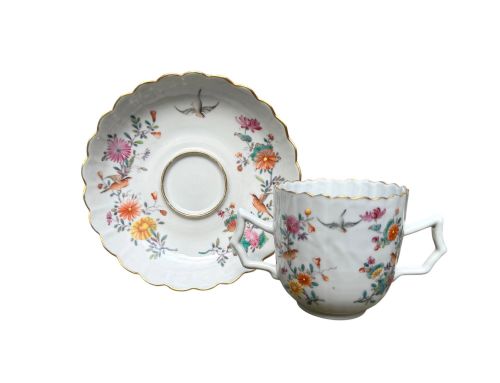
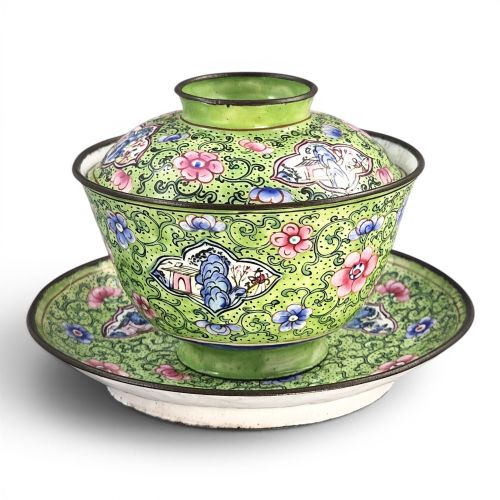
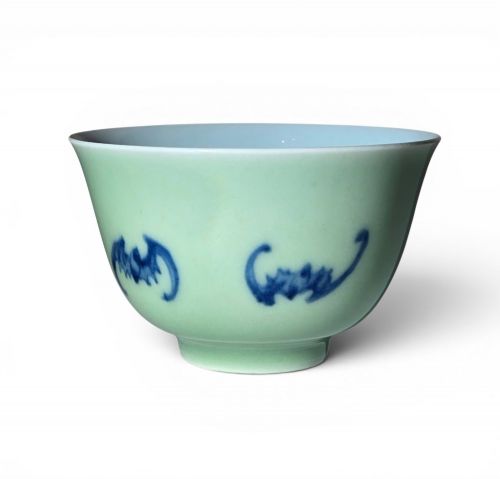
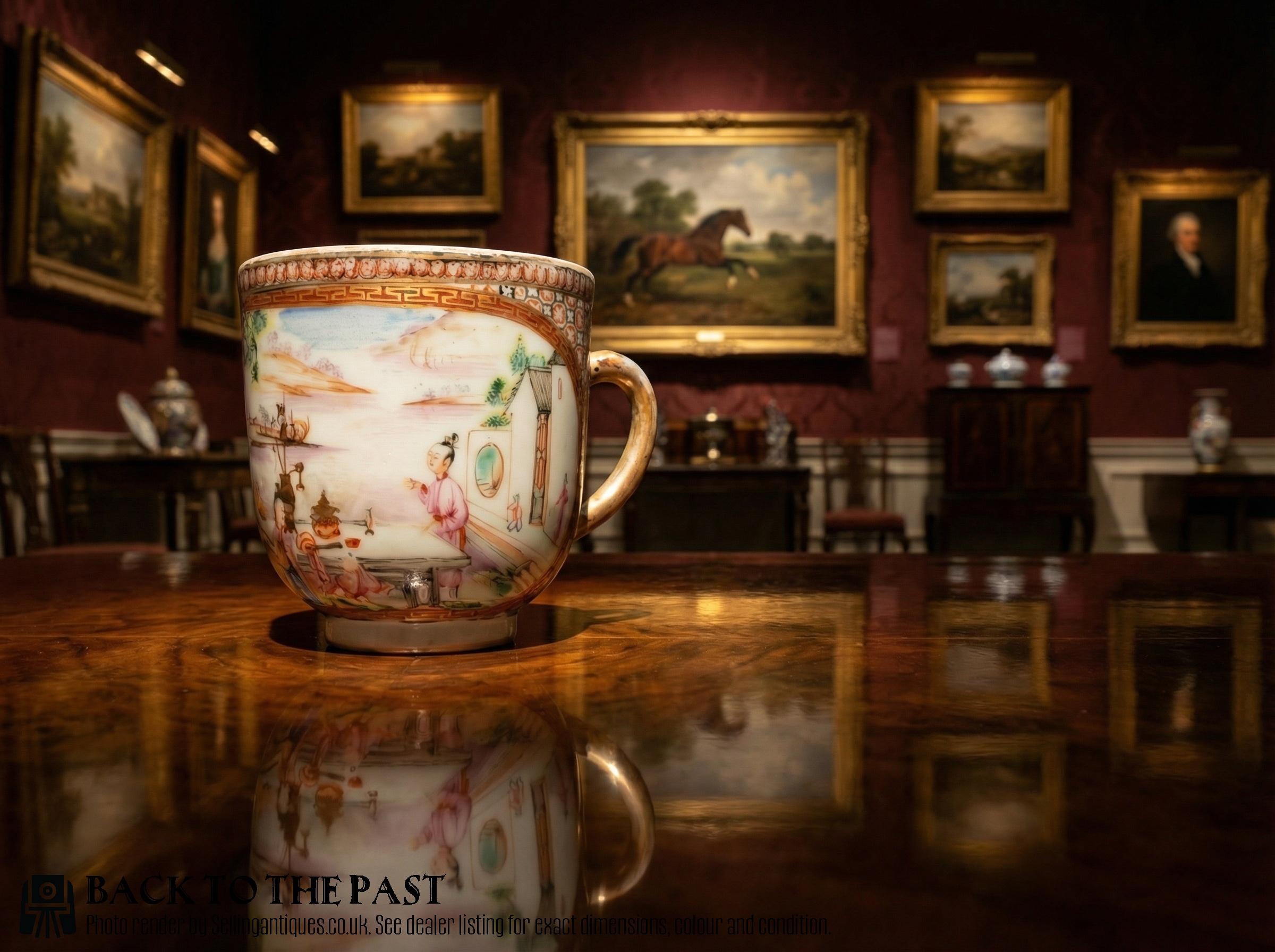
When searching for antique chinese tea bowls, you encounter pieces spanning from the Song Dynasty through the Qing Dynasty and into the nineteenth century. These vessels range from delicate porcelain tea bowls and saucers to celadon-glazed conical bowls and enamelled gaiwan tea sets.
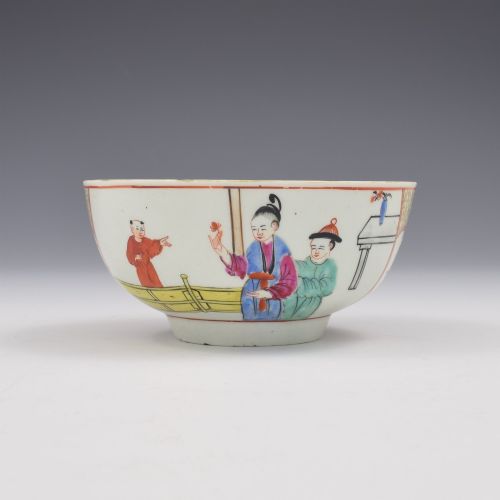
The selection here encompasses exported tablewares made for Western markets alongside pieces bearing imperial reign marks and traditional domestic designs. Forms vary from simple utilitarian teaware to elaborate decorative bowls finished with gilt highlights.
Most items reflect centuries-old kiln traditions, appearing in porcelain, soft-paste porcelain, and carved coconut, often paired with saucers or stands.
How they were made
Potters shaped these pieces from fine porcelain and soft-paste porcelain, applying glazes such as celadon, copper, and cobalt underglaze before kiln firing. Many vessels received subsequent decoration in overglaze enamel, famille rose palettes, and gold leaf.
Specialised techniques included incised motifs beneath transparent glazes, alongside intricate hand-painting executed in both Chinese export workshops and European decorating studios.
One unexpected nineteenth-century piece swaps ceramic entirely for carved coconut, complete with gilt Chou symbols.
What varies in quality
Quality rests in the finesse of the potting, the clarity of the glaze, and the precision of the hand-painted or incised decoration. Pieces displaying crisp cobalt underglaze or finely controlled enamel work sit at the upper end of the scale.
The presence of period reign marks, sophisticated pictorial scenes such as Mandarin palettes, and the preservation of delicate gilt detailing further distinguish exceptional examples from standard production wares.
The Antique Chinese Tea Bowls Glossary
- Celadon
- A transparent green glaze with a jade-like appearance, often crackled or applied over incised motifs. This finish originated during early dynasties and remained popular for centuries.
- Famille rose
- A palette of opaque pink and rose enamels introduced during the Qing Dynasty. Artisans utilised these colours to render detailed floral and figural scenes.
- Gaiwan
- A traditional Chinese teaware set consisting of a bowl, a lid, and a saucer. These pieces are designed for steeping and drinking tea directly from the vessel.
- Cobalt underglaze
- Pigment applied to raw clay before glazing and high-temperature firing. This technique produces deep blue designs that remain protected beneath the glossy surface.
- Soft-paste porcelain
- A ceramic composition containing glass frit or white-burning clay materials. It produces a warmer texture and distinctive glaze pooling compared to hard-paste porcelain.
Antique Chinese Tea Bowls: Frequently Asked Questions
How do I date an antique Chinese tea bowl?
Dating relies on stylistic markers, potting characteristics, and any reign marks present on the base. Comparing the paste, glaze tone, and decorative palette against established dynastic periods helps narrow the timeframe.
Changes in export tastes and trade patterns during the eighteenth and nineteenth centuries also provide reliable chronological boundaries for attribution.
What is the difference between export porcelain and domestic wares?
Export porcelain was manufactured specifically for Western markets, often incorporating European shapes or hybrid decorative schemes like Chinoiserie. Domestic wares adhered strictly to traditional Chinese aesthetic standards.
Both categories share high technical proficiency, but their visual vocabulary reflects the intended audience and destination.
How should I clean and care for my tea bowl?
Maintenance involves lukewarm water, mild soap, and a soft cloth to protect vulnerable gold leaf and enamel surfaces. Avoid harsh detergents and abrupt temperature changes.
Storing them securely away from edge hazards ensures the preservation of delicate rims and handles over time.