


Polychrome Porcelain Saucer
A polychrome porcelain saucer brings vibrant colour and meticulous hand-painting to the table, offering a glimpse into centuries of global ceramic artistry.

Polychrome Porcelain Saucer
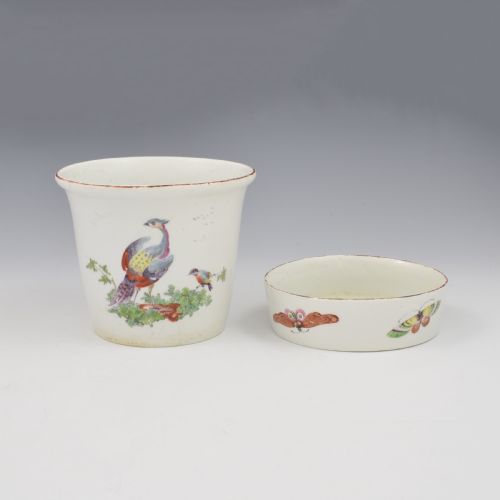
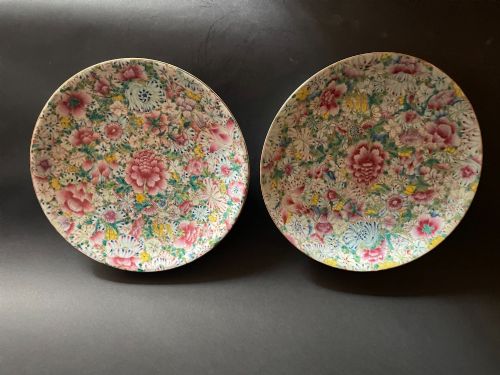
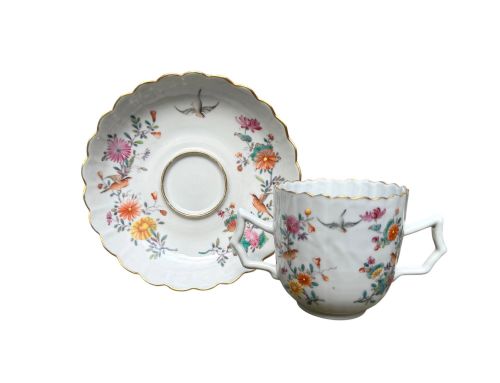
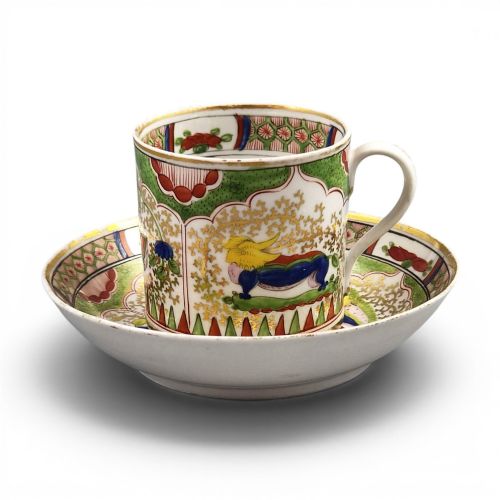
When you search for a polychrome porcelain saucer, you encounter small ceramic dishes decorated with multiple enamel colours, often accompanied by matching cups, teabowls, or larger table wares. The examples on this page span several eras and origins, uniting Georgian English factories and Qing Dynasty Chinese export workshops through their shared fondness for painted detail.
Most pieces you meet here originate from the eighteenth and nineteenth centuries, ranging from delicate soft-paste tea wares to robust export porcelain. Forms include standalone dishes as well as matched components from historic tea and coffee services intended for display or careful daily use.
How they were made
Potters shaped these objects from porcelain or soft-paste porcelain before applying underglaze or overglaze enamels by hand. Artisans then utilised gold leaf and fine gilding to accent the painted motifs, firing the pieces multiple times to fix the rich pigments.
Factories such as Worcester and Derby employed skilled painters to execute complex patterns like the dragon in compartments or delicate bird studies. Export workshops in China utilised precise brushwork to render famille rose scenes and auspicious motifs onto hard-paste bodies.
Listings feature porcelain, earthenware, enamel, and gold leaf across eighteenth, nineteenth, and twentieth-century periods.
What varies in quality
The sophistication of the hand-painted enamels largely distinguishes standard production from finer work, with superior pieces displaying crisp outlines, varied shading, and secure gilding. The delicacy of the porcelain body and the precision of the potting further separate regional factories and individual studio standards.
Preservation of the enamel surface over centuries influences how well the design reads today. Pieces that retain their original brightness without excessive rubbing to the gilt edges or central painted scenes demonstrate better initial craftsmanship and careful subsequent handling.
Flight Barr And Barr·Royal Worcester·Meissen
The Polychrome Porcelain Saucer Glossary
- Polychrome
- Decorated in multiple colours. This term describes ceramics utilising a diverse palette of overglaze enamels rather than a single blue underglaze.
- Soft-Paste Porcelain
- An artificial ceramic body made from clay and glass frit. It was widely used by eighteenth-century English factories before true hard-paste porcelain became standard.
- Famille Rose
- A palette of opaque enamel colours dominated by pink or rose. It gained prominence in Chinese porcelain decoration during the eighteenth century.
- Gilding
- The application of gold leaf or gold powder to ceramic surfaces. It highlights rims, handles, and specific decorative motifs.
- Kakiemon
- A style of Japanese enamelled porcelain featuring asymmetrical designs and a palette of iron red, blue, green, and yellow.
Polychrome Porcelain Saucer: Frequently Asked Questions
Are these saucers safe to use for tea?
While historic ceramics can hold liquid, aged enamels and delicate soft-paste bodies are sensitive to modern detergents and thermal shock. Most collectors prefer to display them or use them exclusively for dry presentation.
Hand-washing in lukewarm water without abrasive materials helps preserve the fragile overglaze pigments and any applied gold leaf.
How do I date a Chinese export saucer?
Dating relies on stylistic markers such as the specific famille rose palette, reign periods like Qianlong, and the physical characteristics of the paste. Eighteenth-century pieces often feature distinct foot rims and thinner, more resonant bodies compared to later nineteenth-century iterations.
Comparing the hand-painted motifs to documented examples from the same era provides further clarity on the decade of manufacture.
What is the difference between hard-paste and soft-paste?
Hard-paste porcelain uses natural china clay and china stone fired at extremely high temperatures, resulting in a dense, vitrified body. Soft-paste incorporates glass frit and white clay, creating a warmer tone and a slightly softer surface under the glaze.
English factories in the eighteenth century frequently utilised soft-paste formulations before adopting hard-paste recipes later on.
Why do some saucers have matching cups?
Many historic drinking vessels were potted and decorated as pairs or larger sets for formal tea and coffee service. Surviving sets preserve the intended aesthetic unity between the cup and the saucer.
Finding a matched set intact remains desirable because pieces were easily separated or broken over centuries of use.