


Chinese Porcelain Tea Bowls
Chinese porcelain tea bowls bring centuries of kiln mastery to the table, offering a tangible connection to historical dynasties and trade routes.
Chinese Porcelain Tea Bowls
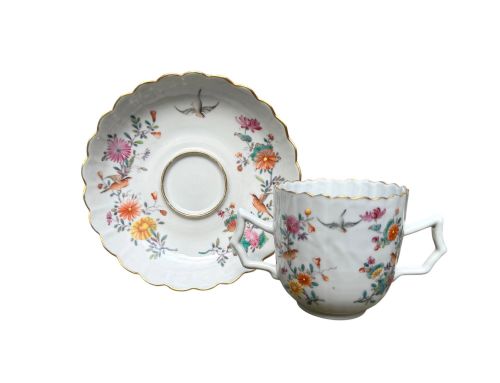
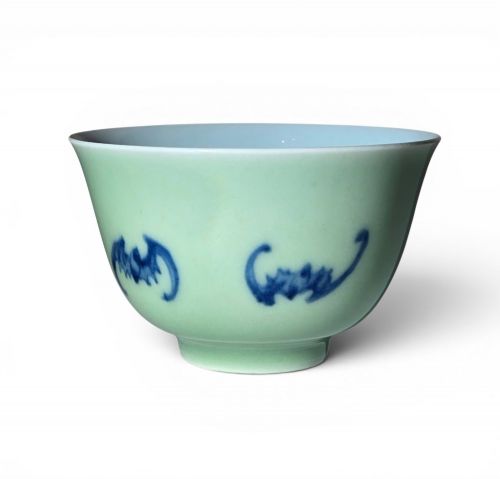
When you search for chinese porcelain tea bowls, you enter a field spanning early Song Dynasty celadons through to Qing Dynasty wares and eighteenth-century export pieces. These vessels range from delicate, translucent teacups with matching saucers to robust conical bowls adorned with incised motifs.
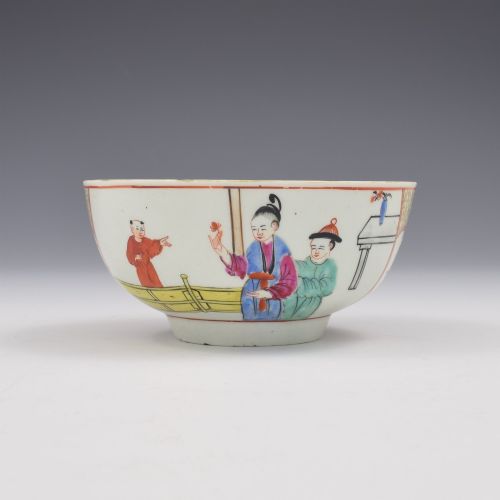
The pieces available most frequently reflect the eighteenth century, encompassing famille rose palettes, Mandarin patterns, and cobalt underglaze blue designs. Collectors encounter both utilitarian tea ware and decorative forms designed for the global export market.
Makers utilised diverse aesthetic traditions, occasionally combining Eastern forms with European overglaze decoration applied in workshops like those of James Giles or Amsterdam. Each specimen demonstrates the specific stylistic preferences of its period of origin.
Assessing Quality and Execution
Quality rests upon the refinement of the porcelain body, the precision of the throwing, and the clarity of the cobalt underglaze or overglaze enamels. Superior examples exhibit balanced proportions, crisp incising, and controlled brushwork in complex figural scenes.
The sophistication of the palette and the harmony of the composition separate standard export ware from masterworks bearing imperial marks or specific period characteristics. Restoration work, while documented on certain pieces, alters the historical integrity of the vessel.
Some eighteenth-century acrobats and circus performers tumble endlessly across Mandarin pattern saucers.
The Chinese Porcelain Tea Bowls Glossary
- Celadon
- A transparent jade-green glaze over a white porcelain body, often found on early Song Dynasty wares. This finish mimics the appearance of precious jade.
- Famille Rose
- A palette of opaque rose-pink enamel introduced in the eighteenth century. It allowed artists to render delicate floral and figural motifs in nuanced pastel shades.
- Mandarin Pallet
- A decorative style featuring detailed Chinese figures within elaborate borders, popular on export porcelain during the eighteenth century. These scenes typically depict courtly or domestic life.
- Soft-paste Porcelain
- A type of ceramic body containing glass frit or white clay, fired at lower temperatures than hard-paste porcelain. It yields a warmer tone and a softer glaze surface.
- Qingbai Glaze
- A pale bluish-white porcelain glaze developed during the Song Dynasty. It pools subtly in carved recesses to accentuate incised decorative motifs.
Chinese Porcelain Tea Bowls: Frequently Asked Questions
How do I date an antique tea bowl?
Dating relies on examining the combination of body material, glaze characteristics, and decorative style against established historical periods. Marks on the base often indicate dynastic reigns, though Kangxi or Qianlong marks were also used later as honorary tributes.
Secondary indicators include the weight of the porcelain and the chemical composition of the enamels. Comparing piece structures with known examples from the eighteenth and nineteenth centuries clarifies the chronology.
What is the difference between export and domestic wares?
Export wares were produced specifically for Western markets, frequently incorporating European shapes, coats of arms, or adapted Mandarin scenes to suit foreign tastes. Domestic or imperial pieces remained closer to traditional aesthetic standards.
Both categories utilise porcelain and similar glazing techniques, but their decorative programs reflect distinct intended audiences. Export pieces often show European influence in their final overglaze painting stages.
Can I use antique tea bowls for drinking tea?
While structurally sound, antique vessels require careful handling due to their age and historical value. Thermal shock from boiling water can stress fragile porcelain bodies, particularly on soft-paste or restored pieces.
Most collectors prefer to display these items rather than use them for daily consumption. Gentle hand washing is essential if they are used on special occasions.
What does Amsterdam Bont mean on a listing?
Amsterdam Bont refers to Chinese porcelain blanks imported to Europe in the eighteenth century and subsequently decorated in Dutch workshops. These pieces received colourful overglaze enamels outside their original kilns.
This practice created a distinct hybrid aesthetic combining Eastern porcelain bodies with European artistic interpretation. Such items are identifiable by their unique enamel palette and brushwork style.
Are saucer pairs common with these bowls?
Many listings include matching saucers, reflecting the original pairing used for tea service during the eighteenth century. Surviving complete sets of cups and saucers are particularly valued by collectors.
Individual bowls or saucers frequently appear separately due to centuries of separate handling and attrition. Finding a matched pair increases the contextual completeness of the set.