
Antique Chinese Stand
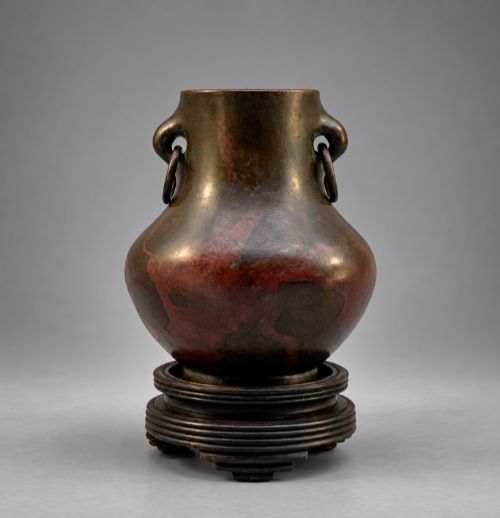
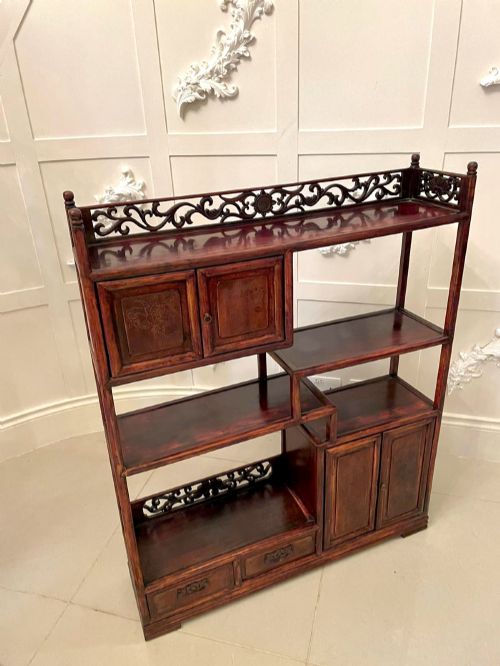
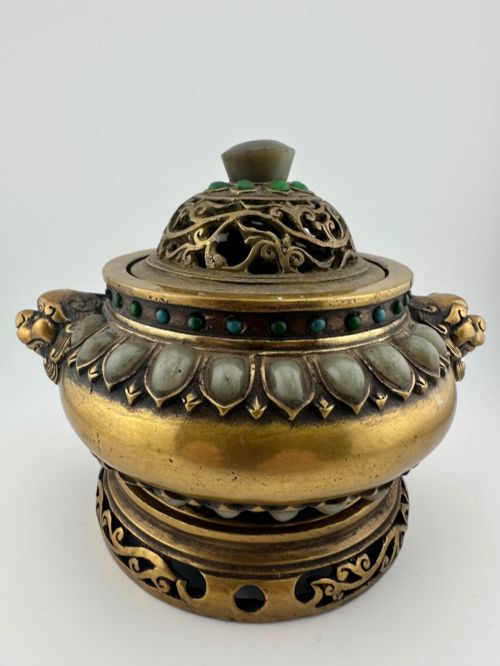
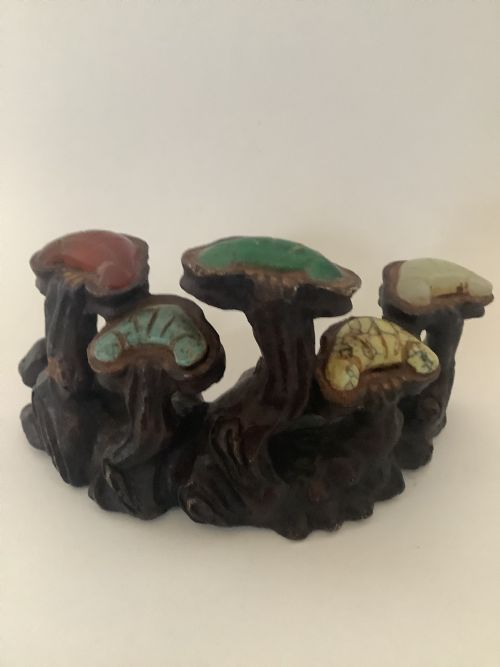
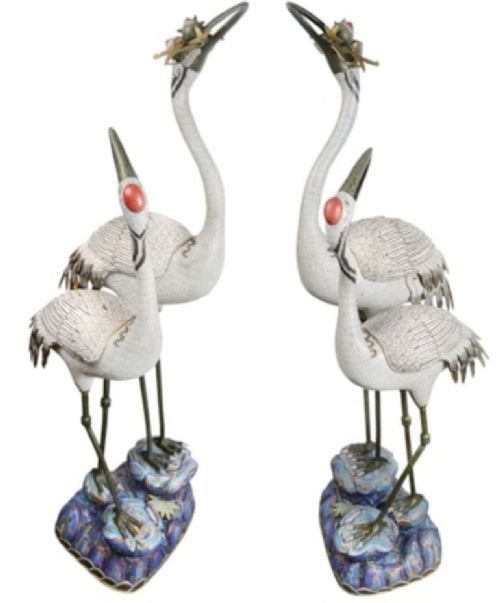
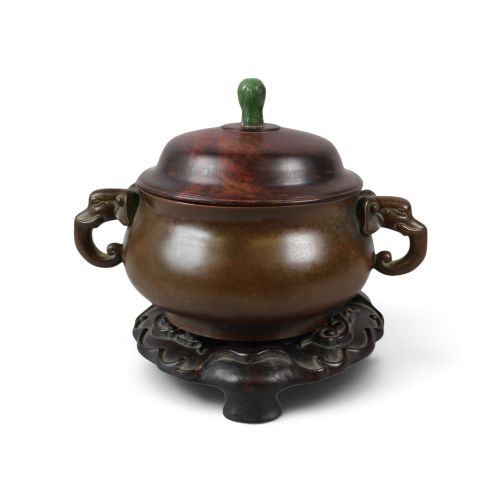
An antique chinese stand holds everything from porcelain vessels to bronze censers, offering structural grace and elevation to treasured objects.
Antique Chinese Stand
The selections span the nineteenth century and the early twentieth century, alongside eighteenth-century Qing Dynasty examples that demonstrate long-standing woodworking traditions.
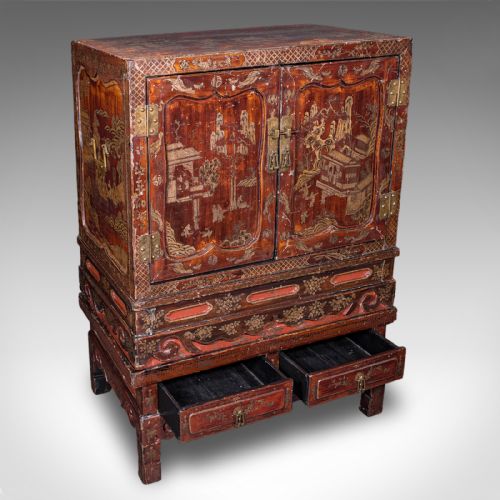
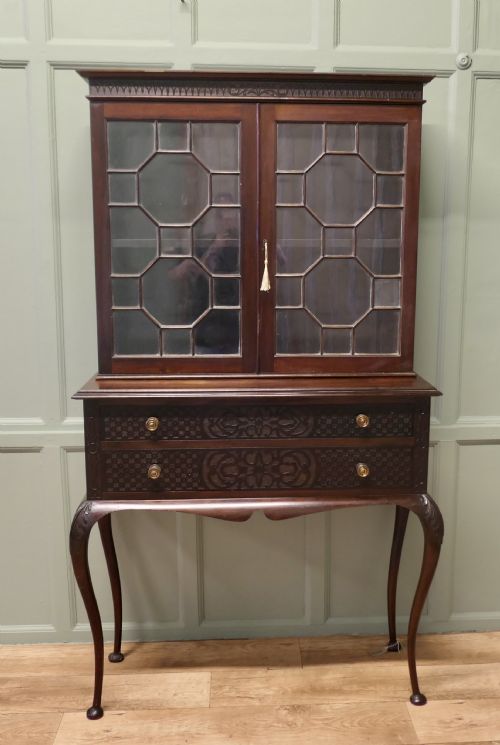
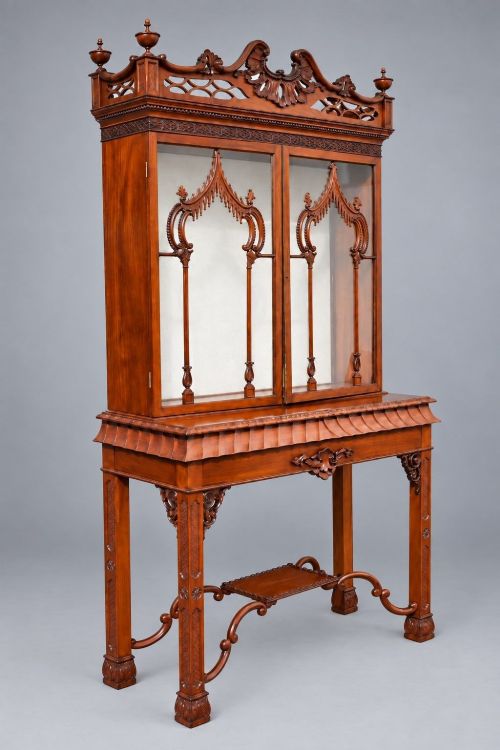
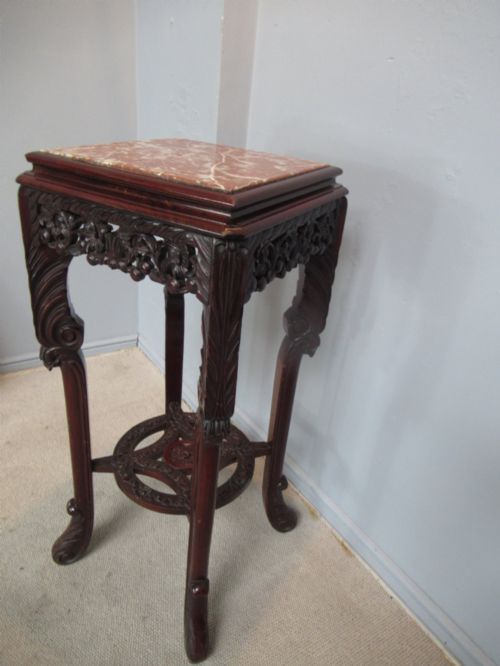
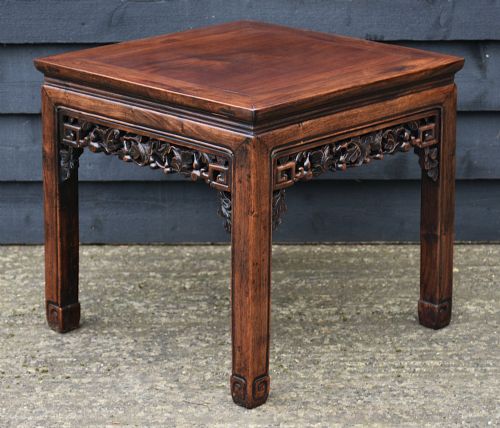
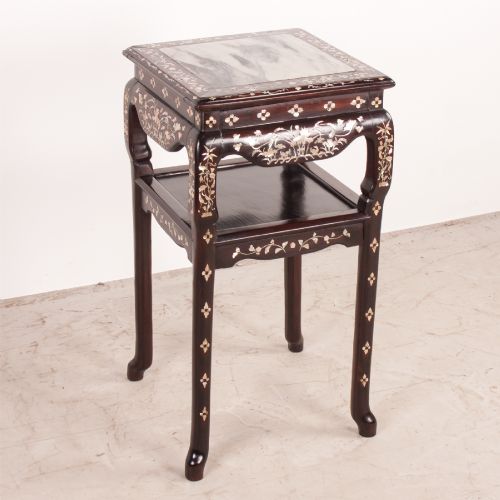
Buyers encounter dedicated plant stands with inset marble tops, low display surfaces in dense rosewood, and larger cabinets raised on stands alongside occasional tables.
Materials and Techniques
Carpenters utilised heavy Asian hardwoods including rosewood, padouk, and camphor wood, often joined with intricate mortise and tenon construction rather than metal fasteners.
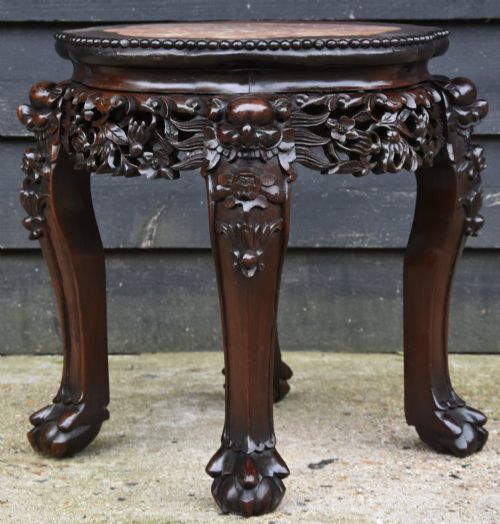
Many elevated surfaces incorporate smooth inset marble or burr wood panels, whilst others display deep relief carving, mother-of-pearl inlay, or black lacquer finishes.
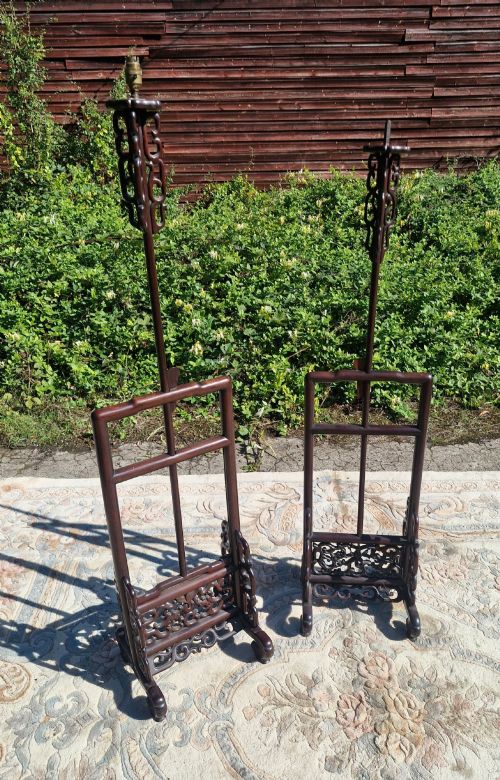
Associated bronze and brass components range from cast incense burners to bespoke lamp standards and decorative hardware.
Several stands spent decades secretly hosting heavy porcelain garden seats and bronze dragons.
Evaluating Craftsmanship
The distinction between ordinary and exceptional pieces rests in the crispness of the hand-carving and the density and selection of the timber.
Superior examples exhibit tight joinery that has remained stable through changing climates, alongside well-fitted marble inserts and balanced proportions.
Refined surface treatments, whether a hand-polished lacquer or a deep wax finish on rosewood, indicate higher standards of workshop production.
The Antique Chinese Stand Glossary
- Hardwood
- Dense, durable timber such as rosewood or padouk chosen for structural stability and fine grain.
- Censer
- A ritual vessel designed for burning incense, frequently accompanied by a fitted wooden stand.
- Qing Dynasty
- The final imperial dynasty of China, spanning from sixteen-forty-four to nineteen-twelve, known for sophisticated decorative arts.
- Famille Rose
- A palette of opaque enamel colours dominated by pink, utilised on Chinese porcelain pieces that often required display stands.
- Chinoiserie
- European decorative style reflecting Chinese artistic influences, popular across eighteenth-century and Victorian periods.
Antique Chinese Stand: Frequently Asked Questions
What were antique chinese stands used for?
These pieces served practical and decorative functions within domestic and ritual spaces, elevating heavy porcelain bowls, jardinières, and scholar's objects to prominent heights.
They also provided dedicated platforms for bronze censers, lamps, and ornamental flowers, protecting fine furniture surfaces from moisture and heat.
How do I identify the wood on a stand?
Asian hardwoods such as rosewood and padouk present significant weight, a dense grain, and deep natural colourations that rarely require heavy stains.
Closer inspection reveals the absence of modern veneers, showing solid timber construction that develops a gentle patina through handling.
How do I care for a marble top stand?
Natural stone inserts require simple dusting with a dry cloth and immediate attention to liquid spills to prevent staining the porous surface.
The surrounding wooden framework benefits from occasional application of quality wax to preserve the natural moisture and sheen of the timber.
Are these stands suitable for modern lamps?
Many sturdy low tables and pedestal designs adapt readily to supporting table lamps or decorative lighting fixtures within contemporary rooms.
Their balanced proportions and stable bases provide secure foundations for electrical fittings without compromising historical character.