
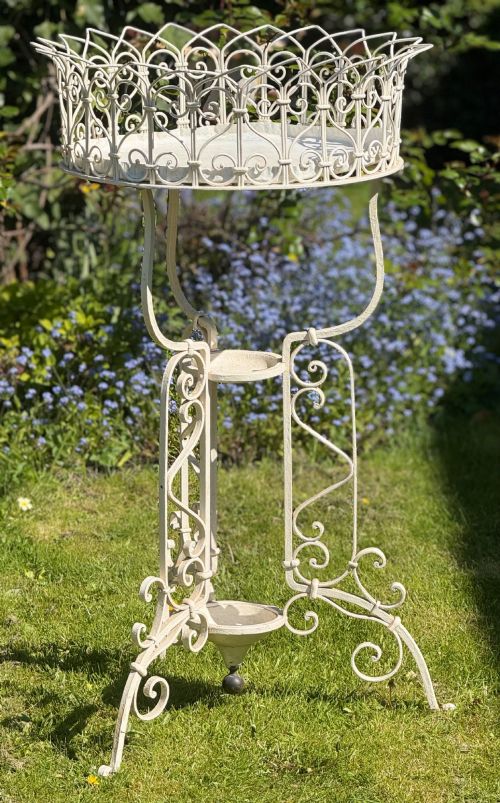


Ornate Planter Stand
An ornate planter stand brings botanical display into interior spaces, offering raised height for foliage and architectural presence in a room.
Ornate Planter Stand
When you search for an ornate planter stand, you encounter pieces designed to elevate greenery within domestic interiors, ranging from tall pedestal stands to low jardiniere tables. These items combine the utility of plant support with decorative woodwork, metalwork, or carving.
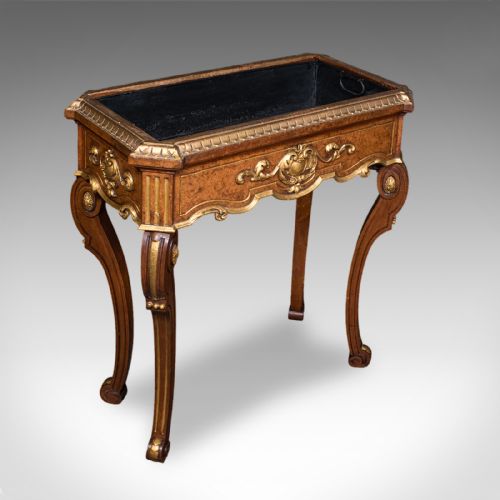
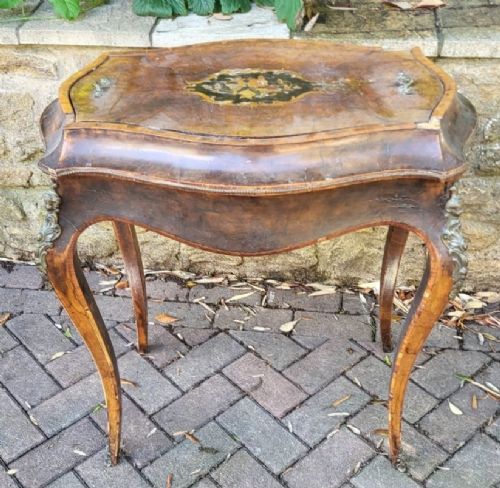
The versions most frequently met on this page include Victorian and nineteenth-century examples alongside Chinese export pieces, often fashioned from walnut, mahogany, or cast iron. Forms vary from tiered plant stands to lidded planter boxes and carved hardwood tables.
Originating across periods spanning the Regency era to the belle epoque, these stands reflect diverse stylistic revivals such as French rococo and Gothic. Buyers select them to anchor corner spaces or provide focal points in reception rooms.
Materials and construction
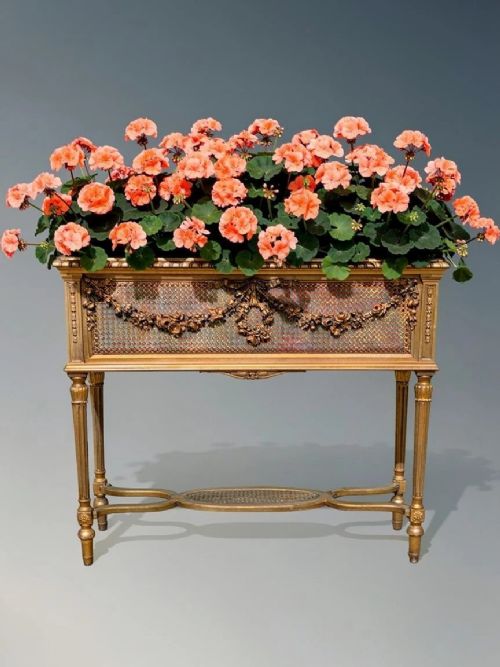
Makers utilised heavy timbers such as walnut, mahogany, and giltwood, frequently incorporating inlay, cane, or carving to achieve decorative richness. Metalwork versions rely on cast iron, brass, and ormolu, providing robust structural framing for weighted urns and plant vessels.
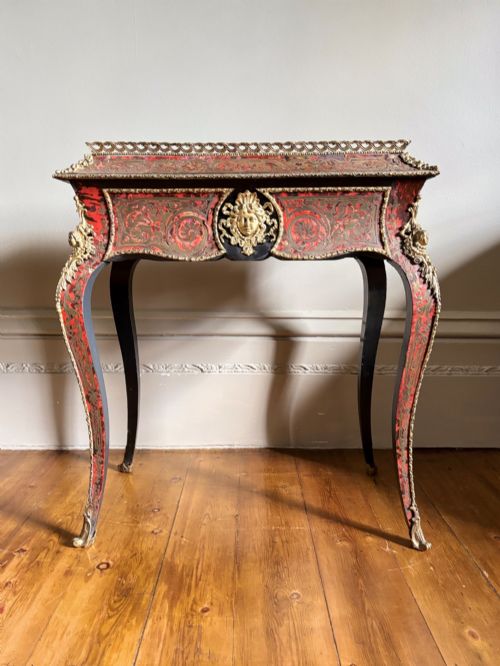
Construction techniques combine traditional cabinetmaking joinery for wooden tables and stands with metal casting and wrought iron shaping for garden and conservatory pieces. Surface decoration includes applied ormolu mounts, painted finishes, and boulle work.
Some nineteenth-century plant stands hid lift-off lids, allowing owners to conceal less decorative garden pots instantly.
What separates the grades
Quality in these stands rests upon the crispness of the carving, the weight and finish of the metal mounts, and the integrity of the underlying timber or iron. Superior examples display refined proportions and deliberate detailing rather than hasty assembly.
The distinction between standard utility items and finer decorative pieces lies in the integration of materials, such as finely figured burr walnut veneers or detailed giltwood surfaces, which elevate the object beyond basic horticultural support.
The Ornate Planter Stand Glossary
- Jardiniere
- An ornamental pot or stand for holding plants or flowers. These vessels often sit within dedicated tables or upon pedestal bases.
- Ormolu
- Gilded bronze or brass applied as decorative mounts on furniture and stands. This technique adds metallic contrast to wooden structures.
- Boulle
- An elaborate form of marquetry utilising brass and tortoiseshell inlaid into cabinetwork. It appears on French decorative pieces from the nineteenth century.
- Giltwood
- Wood that has been coated with gold leaf or gold paint. This finish creates a luminous surface suited to formal interior reception rooms.
Ornate Planter Stand: Frequently Asked Questions
What is an ornate planter stand?
An ornate planter stand is a decorative piece of furniture or metalwork designed to hold and elevate plants indoors or in sheltered outdoor areas. These items range from simple tiered iron structures to elaborate carved wooden tables with fitted liners.
They serve both a practical function in plant care and a decorative role in interior design, providing height and visual interest to botanical displays.
How were planter stands used?
Historically, these stands positioned potted plants near light sources in drawing rooms, hallways, and conservatories, protecting interior surfaces from water damage. Lidded versions allowed the container to conceal standard flower pots.
In modern interiors, they function similarly while acting as sculptural elements that draw the eye toward foliage and floral arrangements.
How do I style a planter stand?
Place a planter stand in an empty corner, beside a window, or flanking a doorway to introduce height and natural texture to a room. Selecting plants with trailing foliage complements the vertical lines of taller pedestals.
Consider the surrounding room style when choosing between cast iron, carved hardwood, or gilded wood to maintain visual harmony.
How do I identify the period?
Dating relies on observing the prevailing style characteristics, materials, and construction methods visible in the piece. Victorian and nineteenth-century examples often employ heavy cast iron or inlaid walnut, while earlier Regency pieces show neoclassical influences.
Examining joinery and metal casting techniques helps distinguish nineteenth-century production from later revivals.