
Carved Pedestal Urns
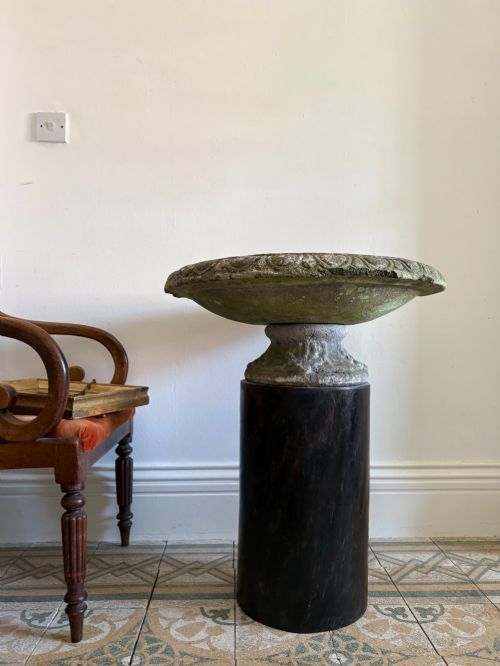
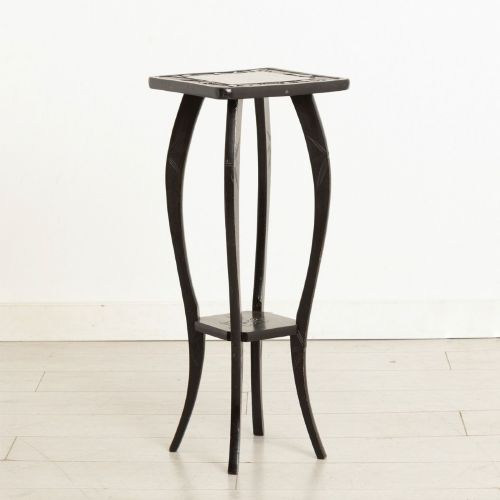
These carved pedestal urns bring classical presence and height to a room, acting as focal points for plants and sculptures.
Carved Pedestal Urns
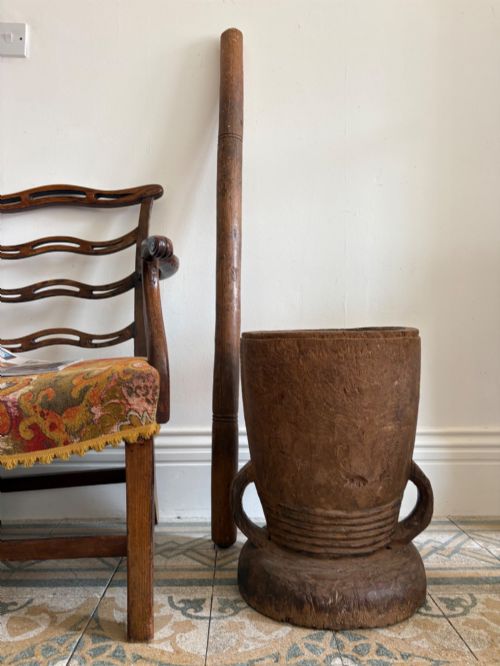
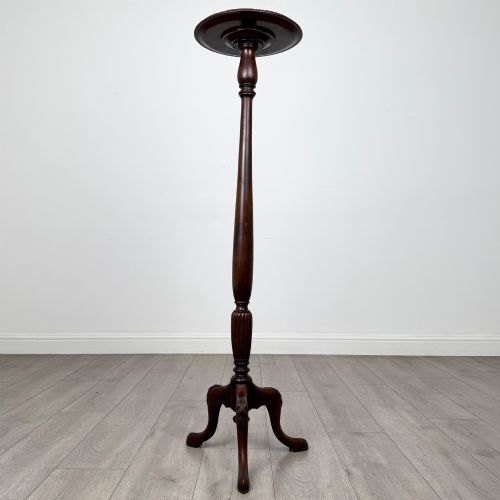
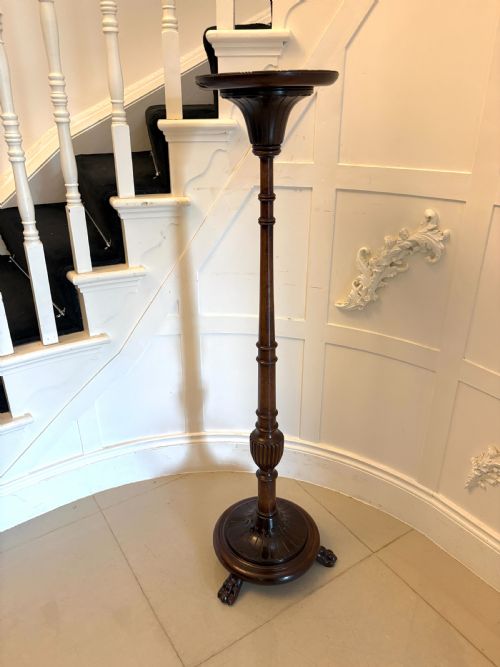
When you search for carved pedestal urns, you encounter elevated architectural supports and vessel forms spanning the nineteenth century through the early twentieth century. The selection includes Victorian mahogany torcheres, Edwardian plant stands, and Neoclassical garden ornaments in cast stone.
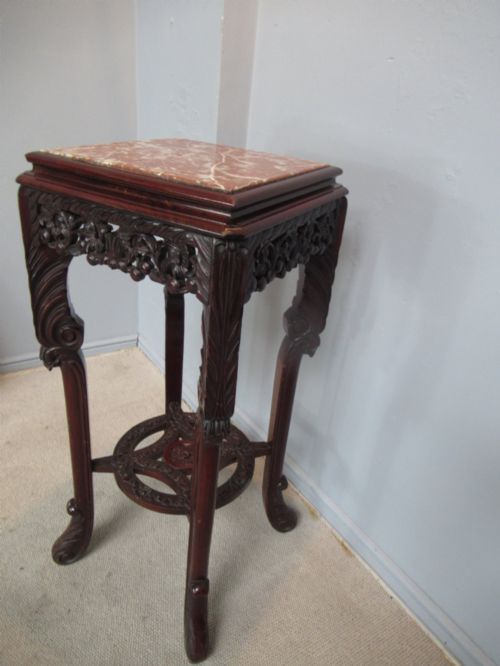
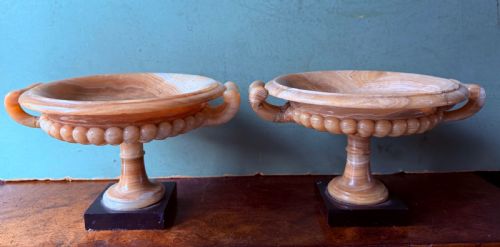
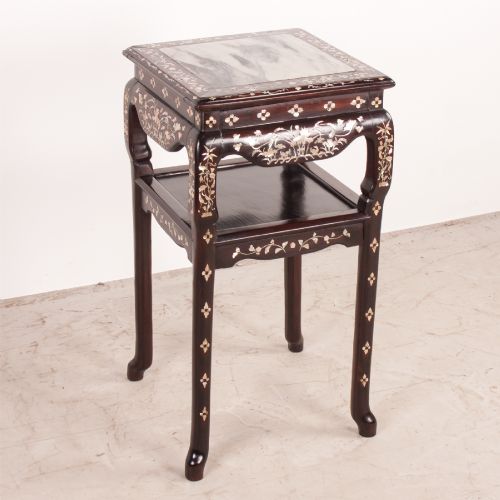
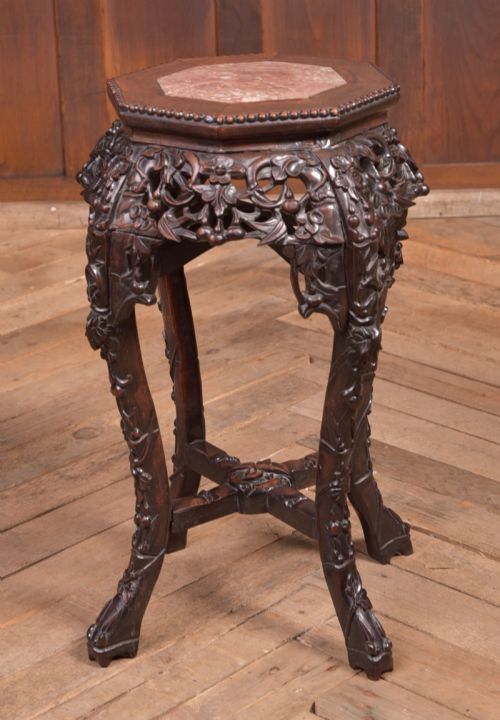
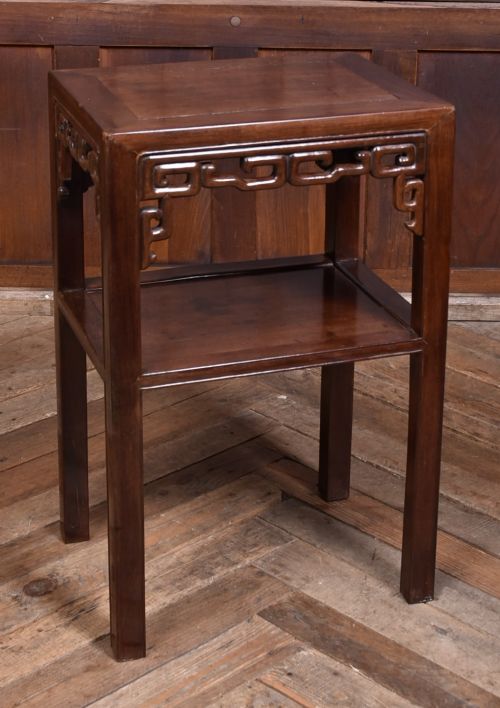
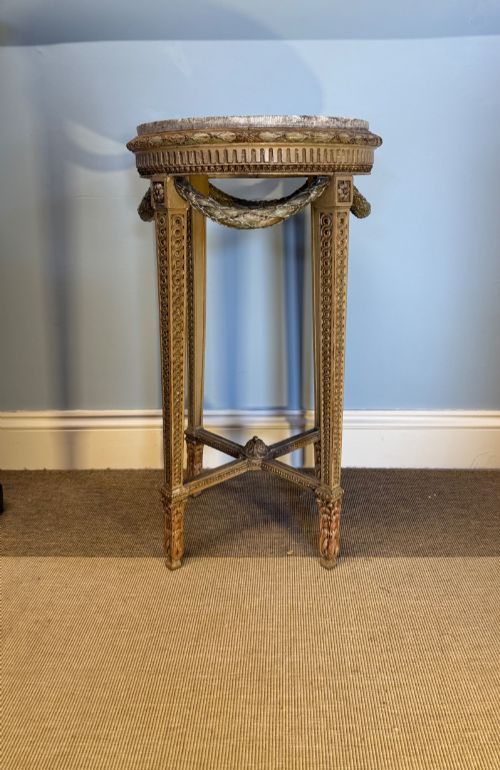
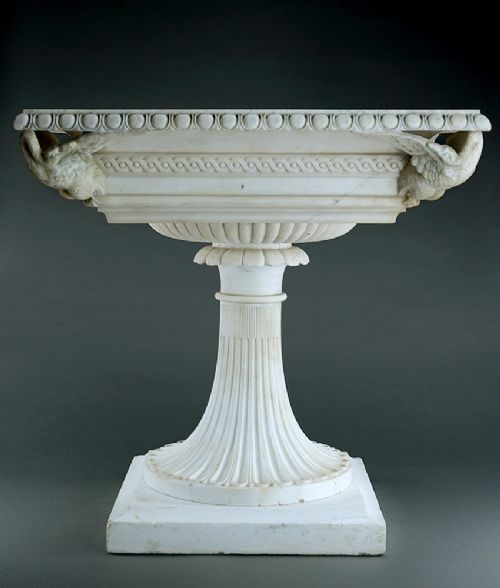
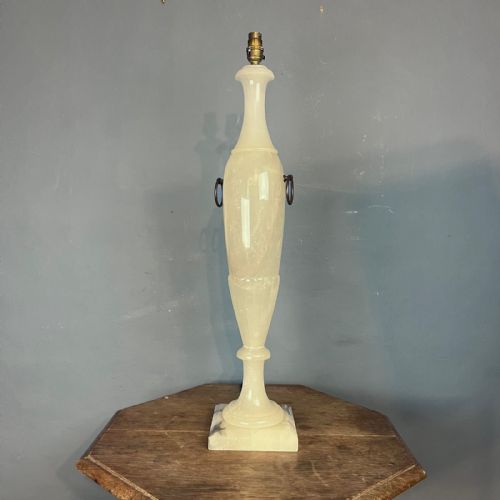
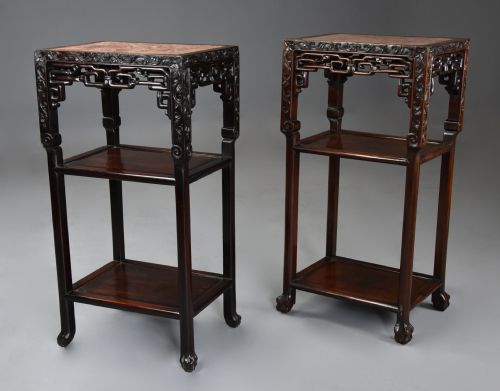
You are most likely to meet Chinese hardwood stands featuring inset marble tops, alongside Italian alabaster pieces and Grand Tour marble tazze. These objects function primarily as plant stands, jardiniere supports, and display columns rather than functional vessels for holding liquids.
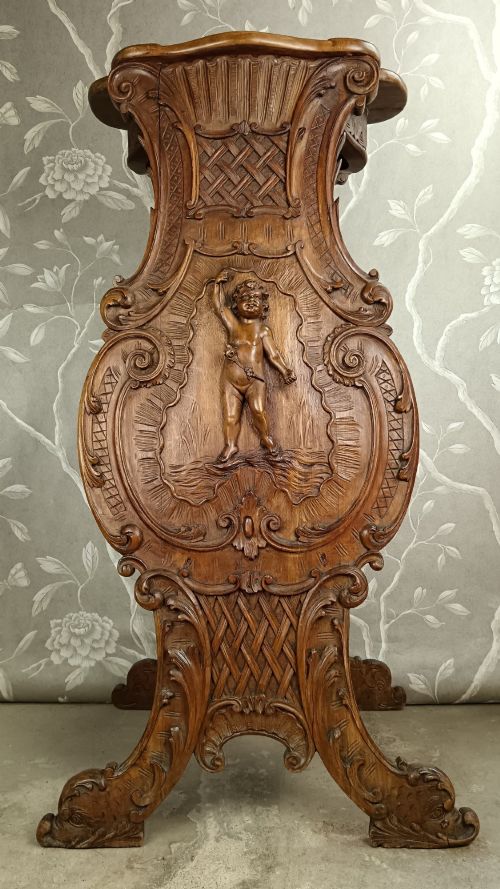
Originating across European, British, and Asian traditions, these forms range from simple turned timber columns to heavily carved walnut and padouk structures. Each piece serves to lift decorative items off the floor to command attention in a room.
How they were made
Carpenters and cabinetmakers utilised dense timbers such as mahogany, rosewood, walnut, and padouk, shaping them through hand-carving and turning on a lathe. Hardwood components often incorporate precise joinery to support heavy stone elements without warping.
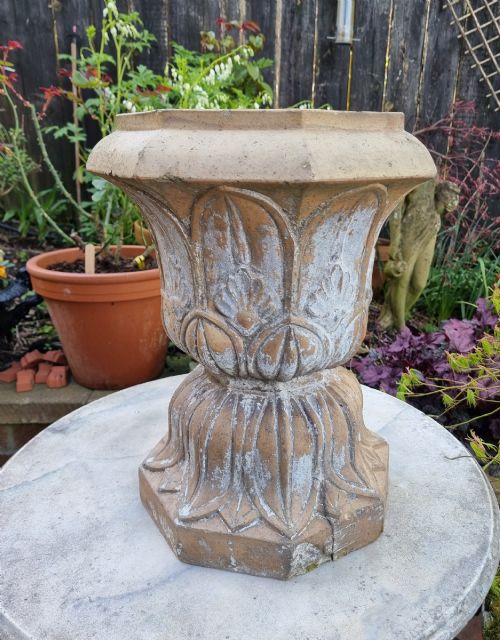
Masons and stone-carvers worked with marble, alabaster, terracotta, and cast stone, hand-carving details or casting mixtures into moulds for garden ornaments. Inset marble tops and mother-of-pearl inlay demonstrate specialist decorative techniques applied to wooden frames.
Listed objects range from nineteenth-century Chinese hardwood stands to Edwardian garden urns.
What varies in quality
The degree of hand-carving detail separates standard production pieces from exceptional works, visible in the crispness of acanthus leaves, fluting, and figural elements. Timber selection dictates overall integrity, with dense grain and rich natural patination marking superior furniture.
The integration of materials determines the finish of an object, such as the snug fit of a marble insert within a hardwood rim or the figure within an alabaster tazza. Weight and stability reflect the solidity of the underlying construction, from heavy stone columns to balanced wooden torcheres.
Liberty of London·Gillows·Benedetto Boschetti
The Carved Pedestal Urns Glossary
- Torchere
- A tall, slender stand designed to hold a light or a decorative object. They gained popularity during the Victorian period for displaying lamps or urns.
- Tazza
- A shallow saucer-shaped vessel or cup mounted on a stem and foot. Grand Tour examples are typically carved from decorative marbles or alabaster.
- Jardiniere
- An ornamental pot or stand for holding plants or flowers. These items often feature marble tops to resist moisture from watering.
- Padouk
- A heavy tropical hardwood valued for its strength and rich reddish-brown colour. Makers utilised it for intricately carved Chinese stands.
- Grand Tour
- A cultural journey undertaken by wealthy Europeans to study classical antiquities. Souvenirs included miniature marble urns, columns, and tazze.
Carved Pedestal Urns: Frequently Asked Questions
What were carved pedestal urns used for originally?
These pieces served primarily to elevate plants, vases, and sculptures within domestic interiors and formal gardens. By raising decorative items, makers allowed them to catch the light and command attention in grand rooms.
In classical settings, large stone urns marked paths or decorated courtyards, while indoor stands displayed prized Chinese porcelain or bronze figures. Their height turned everyday objects into central decorative elements.
How do I tell a Victorian torchere from an Edwardian stand?
Victorian torcheres often display heavier carved mahogany or walnut forms with deep, dramatic mouldings and dense ornamentation. They lean towards rich patination and elaborate classical motifs.
Edwardian stands typically present lighter proportions and simpler lines, reflecting a shift towards understated domestic interiors. Materials remain similar, but the physical weight and carving depth usually decrease.
Are marble top stands suitable for daily indoor use?
Marble top stands function exceptionally well indoors, offering a durable surface that resists water rings from plants and flower pots. The stone provides a cool, stable platform for heavy ceramic vases.
Maintenance requires only simple wiping with a damp cloth to keep the stone clean and preserve the hardwood frame below. Avoid placing acidic liquids directly on unsealed marble surfaces.
What is a Grand Tour souvenir piece?
Grand Tour pieces are decorative items purchased by travellers visiting classical sites in Italy during the nineteenth century. They include miniature marble tazze and alabaster columns carved after ancient Roman originals.
These objects allowed collectors to bring classical antiquity back to British and European country houses. They demonstrate exceptional stonemasonry and high-grade materials like rosso antico and alabastro egiziano.