





French Metal Flowers
French metal flowers bring botanical form into domestic interiors through sculpted chandeliers, wall lights and planters.
French Metal Flowers
French metal flowers emerge through lighting fixtures and decorative vessels designed to mimic natural flora. These pieces translate botanical subjects into rigid materials that endure for generations.
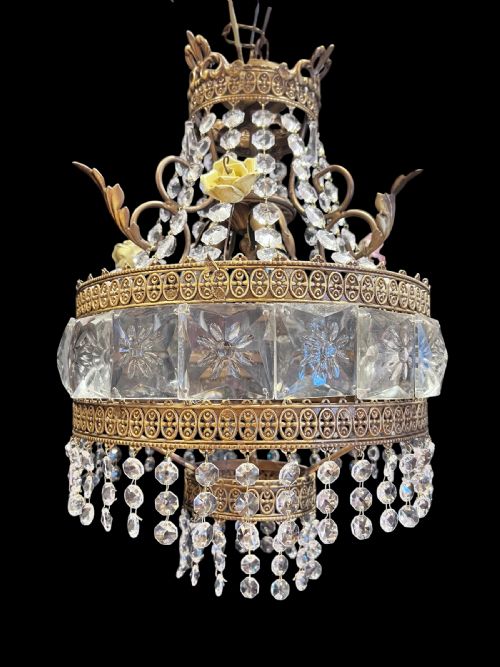
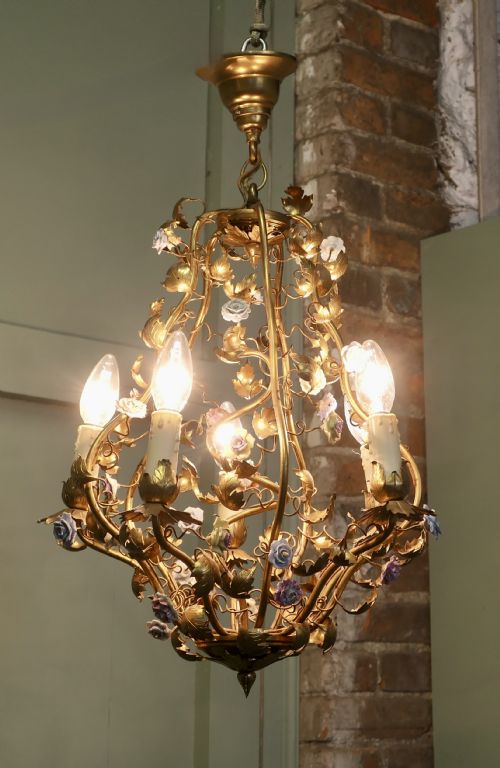
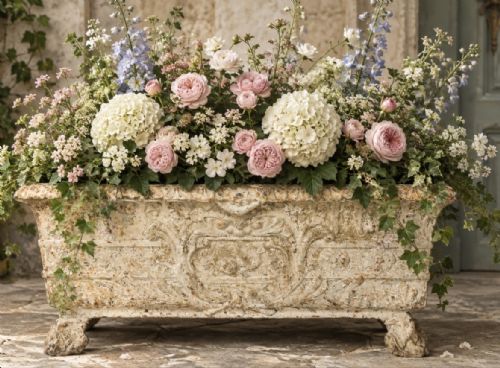
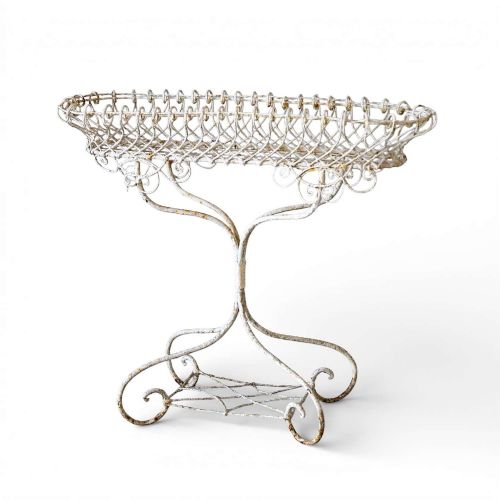
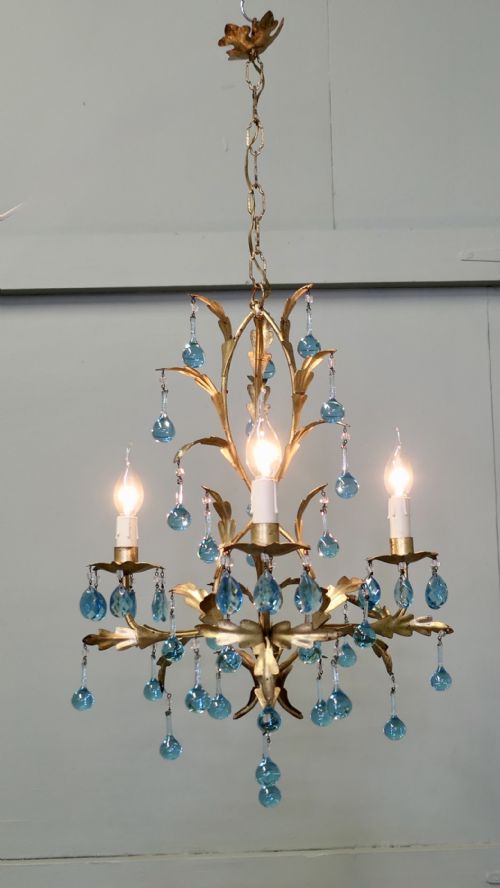
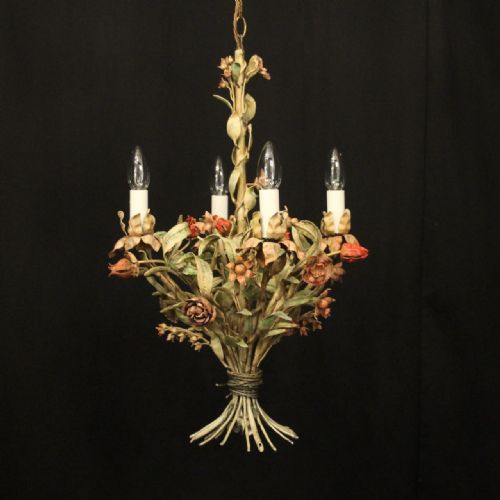
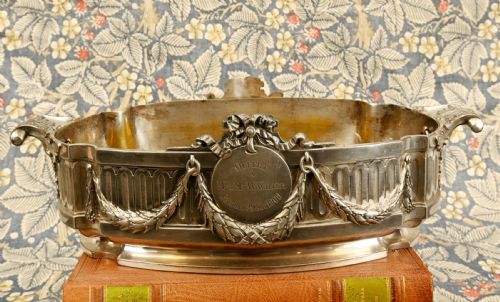
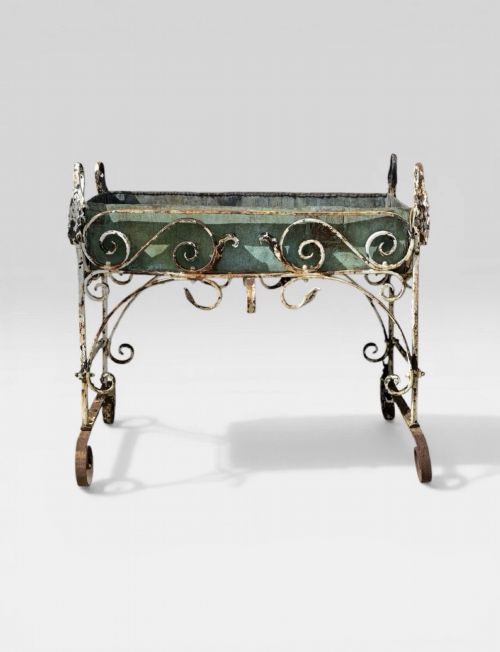
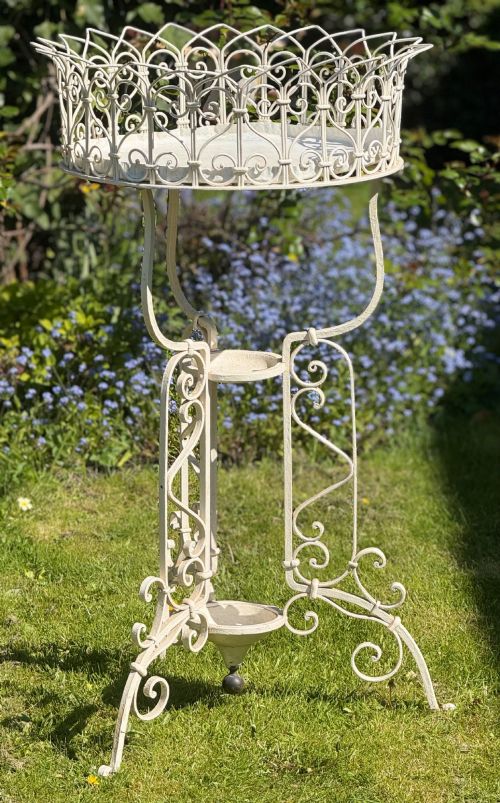
Chandeliers and wall lights dominate the selection, often combining metal stems with porcelain or ceramic petals. Planters and jardiniere forms also integrate floral motifs into wrought iron and gilt bronze structures.
The objects span multiple eras, with significant representation from the nineteenth century through the art deco period of the nineteen thirties. Originating largely from French workshops, they reflect regional stylistic shifts from ornate revivalism to stylized modernism.
How they were made
Makers utilised malleable metals such as gilt bronze, copper, brass and wrought iron to form the structural stems, leaves and frames. These elements were hand-forged, cast or chased to achieve realistic botanical movement.
Ceramic, porcelain and enamel components were frequently integrated alongside metal to render delicate flower heads and petals. Hand-painting added naturalistic colouration to toleware and porcelain blossoms.
Assembly involved soldering, wiring or pinning individual metal and ceramic elements together into complex lighting armatures or decorative vessel attachments.
Materials span wrought iron, gilt bronze, porcelain and glass across periods from the eighteenth century to the nineteen forties.
What varies in quality
The refinement of the botanical modeling dictates the visual success of the piece, separating rigid mechanical interpretations from fluid, lifelike interpretations of nature. Artisans who invested time in hand-chasing metal leaves and petals achieved superior organic realism.
Material integration also defines the hierarchy, where cohesive combinations of fire-gilt bronze, hand-painted porcelain flowers and rock crystal outperform simpler painted iron assemblies. Original surface finishes, such as untouched gilt patination or polychrome paint, retain greater aesthetic integrity than later repainting.
Henri Godet·Jean Dunand·Geo Maxim·Charles Korschann
The French Metal Flowers Glossary
- Toleware
- Painted or lacquered metalware, typically tin or steel, used to create colourful floral and foliate decorative objects. This technique allowed makers to simulate natural hues on durable metallic bases.
- Jardiniere
- An ornamental pot or stand designed to hold plants or floral arrangements. These vessels frequently incorporate metal scrollwork, porcelain mounts or cast handles.
- Gilt Bronze
- Bronze that has been coated with a thin layer of gold or gold amalgam using fire-gilding techniques. This finish provides a lasting metallic lustre resistant to tarnishing.
- Chasing
- The art of embossing and finishing metal details from the front using hammer and punches. This tool-work defines the veins of leaves and the contours of petals.
- Epergne
- A large table centrepiece featuring multiple branching dishes or holders for fruit, sweets or flowers. These items often combine glass bowls with metallic frames.
French Metal Flowers: Frequently Asked Questions
How were French metal flowers used in period homes?
These pieces served primarily as functional illumination or botanical display vessels within reception rooms and salons. Lighting fixtures cast light downward through glass and porcelain petals to create soft illumination.
Planters and jardiniere stands held live plants or dried arrangements, bringing natural elements into formal interior spaces.
How do I distinguish nineteenth century pieces from later items?
Nineteenth century examples tend to display heavier cast bronze or wrought iron construction with intricate hand-chased details. The floral elements often rely on hand-painted porcelain or heavier tole components reflecting revival styles.
Twentieth century pieces from the art deco era adopt more streamlined geometric frames and simplified metal flower structures.
Can these antique chandeliers be rewired safely?
Most antique lighting fixtures require rewiring to meet modern electrical safety standards before installation. Professional electricians can adapt the internal channels without altering the exterior metal and floral components.
Retaining the original sockets and holders is often possible while updating the internal wiring harness.
How do I clean delicate toleware and porcelain flowers?
Maintenance requires gentle dusting with a soft, dry brush to prevent damage to fragile painted surfaces. Moisture should be avoided on painted toleware and historic ceramic components to preserve the original pigments.
Professional conservation cleaning is recommended for heavily soiled or fragile gilt metal surfaces.