
19th Century Decorative Urns
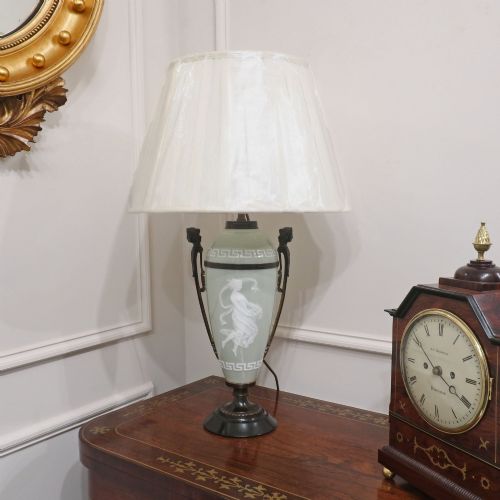
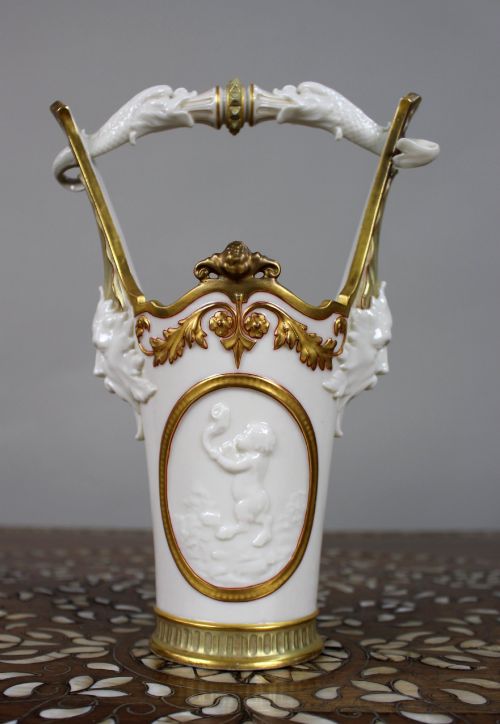
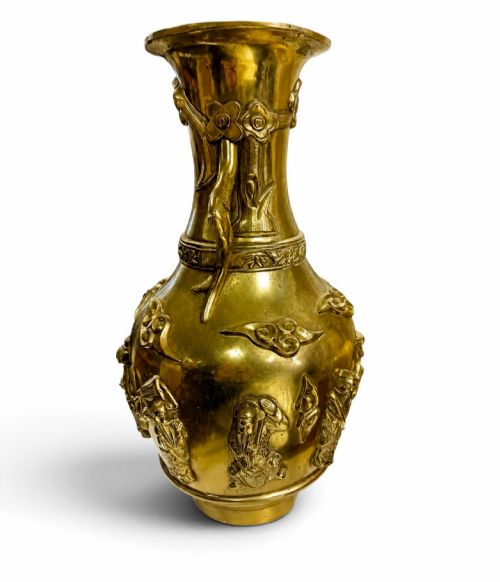
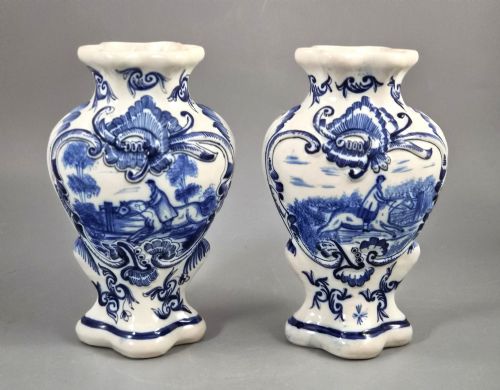
These 19th century decorative urns bring classical elegance and sculptural weight to interior spaces through varied metal, ceramic and stone forms.
19th Century Decorative Urns
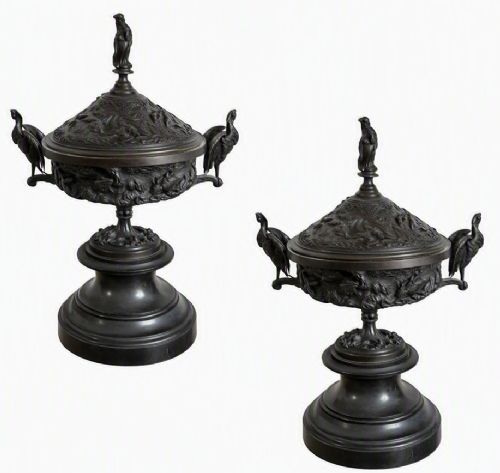
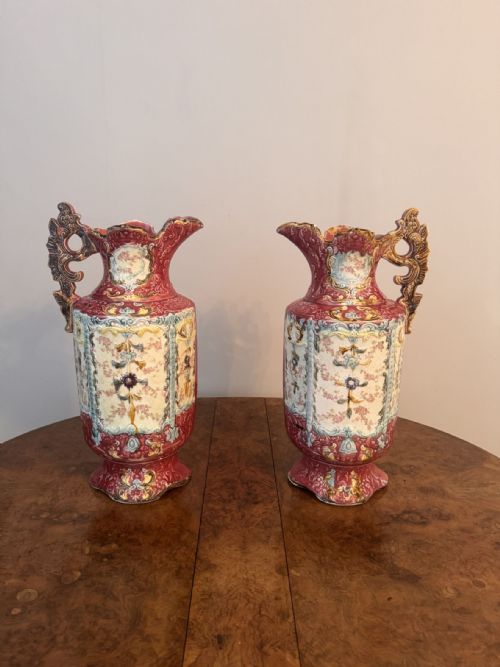
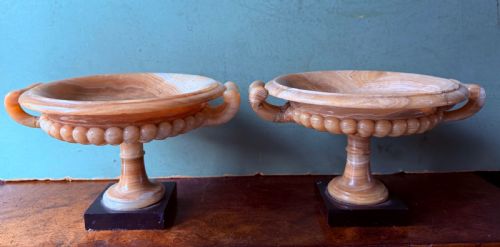
Buyers seeking 19th century decorative urns encounter a diverse assembly of ornamental vessels, ranging from grand cast iron garden campana shapes to intricate porcelain and bronze tabletop pieces. These objects draw heavily on classical antiquity, frequently manifesting as Grand Tour souvenirs, neoclassical ewers, or tazzas mounted on marble plinths.
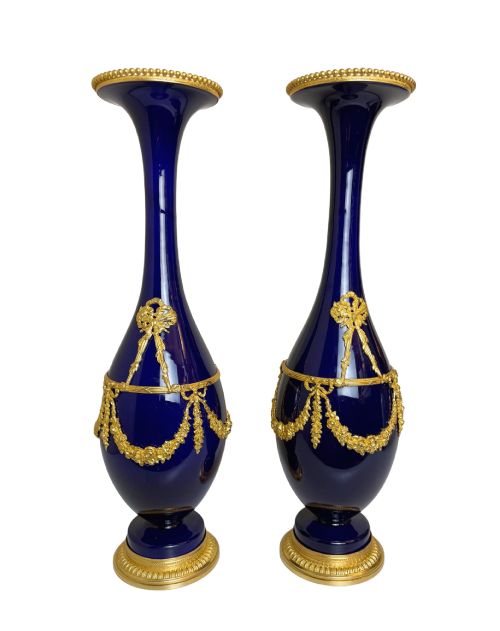
Many examples incorporate distinct historical revivals such as French Empire, Rococo, or Neoclassical styles, utilising materials like ormolu, champleve, and carved alabaster to achieve an ornate aesthetic. These vessels served primarily decorative and display purposes rather than practical domestic utility, reflecting the period appetite for classical erudition.
What varies in quality
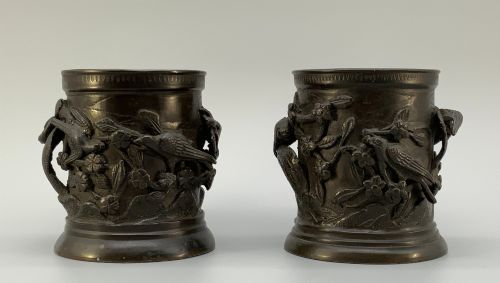
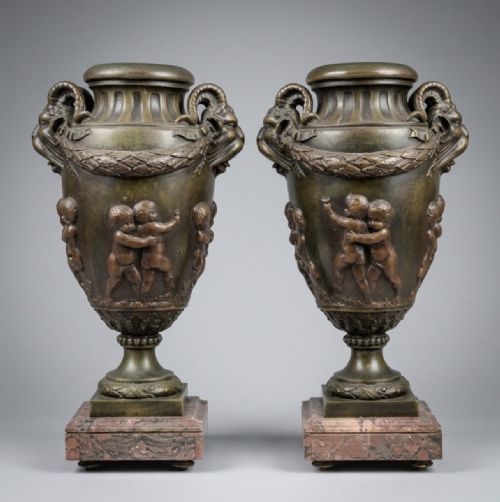
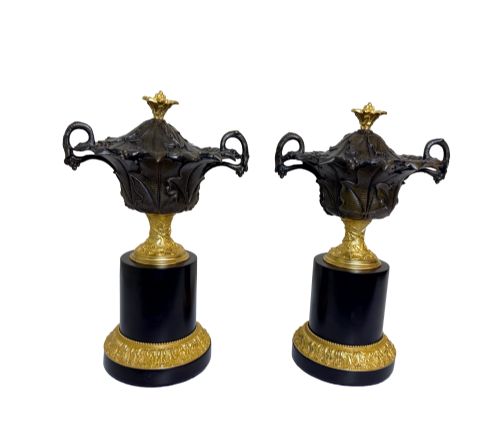
The refinement of the casting and chiselling separates standard production metalwork from superior pieces, particularly in the crispness of classical masks, putti, and foliate mounts. Higher quality bronzes and ormolu displays deep, layered patination and precise assembly of separate cast elements.
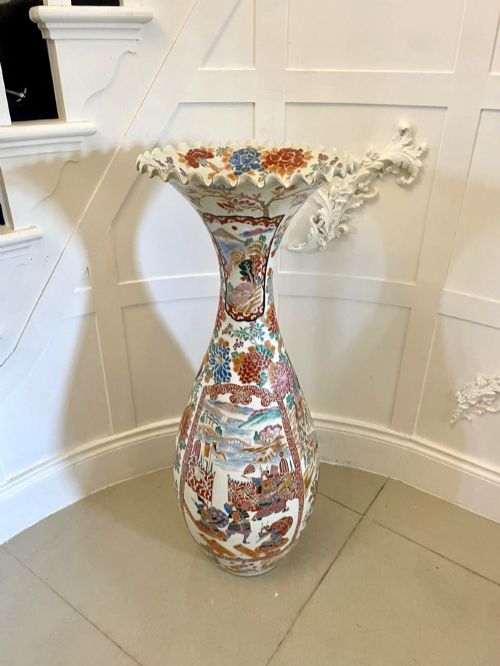
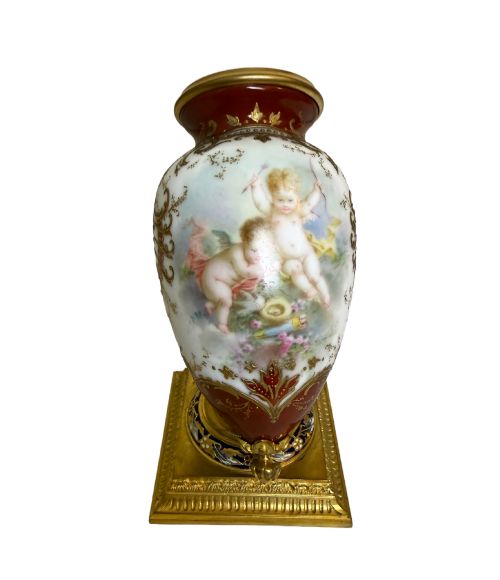
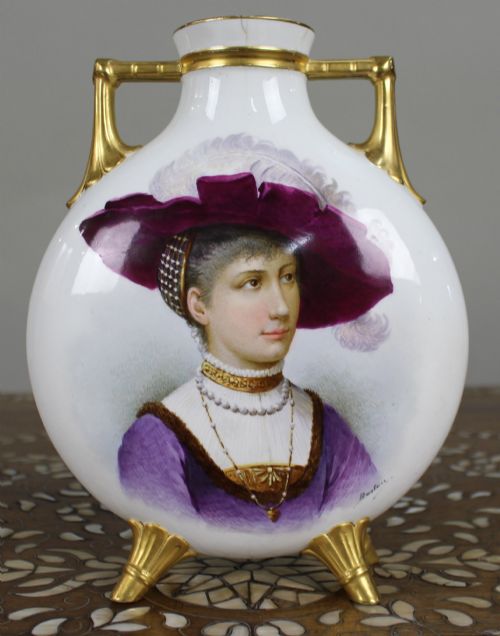
Ceramic quality is dictated by the delicacy of the porcelain body, the precision of hand-painted or pate-sur-pate detailing, and the richness of the gilding. Factory provenance and signed decoration often denote superior execution by skilled ceramicists.
The choice and figuring of natural materials like marble and alabaster heavily influence overall merit, with densely marked stones and heavy, solid mounts indicating elevated craftsmanship. The integration between stone plinths and metal vessels demonstrates the maker's structural ambition.
Listings feature 19th century pieces spanning Victorian, Georgian, and Meiji periods, constructed from marble, porcelain, gilt bronze, and cast iron.
Royal Worcester·Barr Flight And Barr·Helena Wolfsohn·Fourmaintraux Courquin·Andrew Handyside
The 19th Century Decorative Urns Glossary
- Ormolu
- Gilded bronze applied as a decorative mount to furniture, porcelain, or marble objects. This technique was widely utilised in French Empire and Neoclassical decorative arts.
- Campana
- An inverted bell-shaped vessel profile derived from ancient Roman pottery. These forms appear frequently in cast iron garden pieces and bronze mantel ornaments.
- Champleve
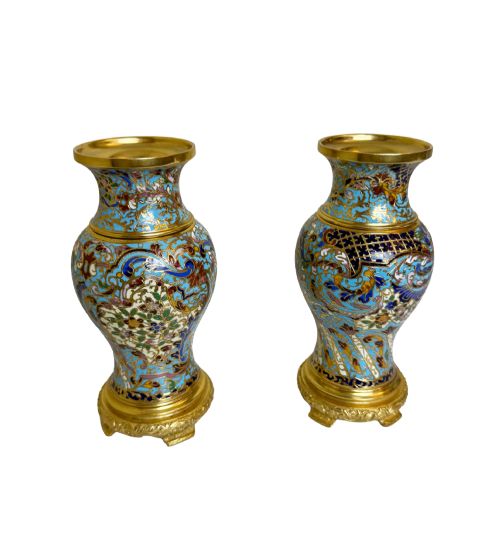
- An enamelling technique where troughs or cells are hollowed out of a metal surface and filled with vitreous enamel before firing. It creates vibrant patterns on bronze vases.
- Pate-sur-pate
- A ceramic decoration method where wet porcelain slip is built up in successive layers on a contrasting body to create a low relief cameo effect.
19th Century Decorative Urns: Frequently Asked Questions
Where were these urns displayed?
These decorative vessels were designed for prominent placement within nineteenth century domestic interiors, including drawing rooms, libraries, and entrance halls. Tabletop tazzas and porcelain vases occupied mantelpieces and sideboards.
Larger scale items, such as floor-standing vases, heavy spelter urns, and cast iron campana pieces, stood directly on the floor or were positioned outdoors in gardens and conservatories.
How do I identify porcelain styles?
Nineteenth century porcelain often adopts historical aesthetic movements, such as the soft blue glazes of Sevres copies or the vibrant Imari palettes inspired by Japanese originals. Maker marks, hand-painted signatures, and specific ground colours assist in determining factory origins.
Studying the weight of the paste, the application of gilding, and the crispness of enamel work reveals whether a piece originates from European factories or Asian kilns.
Are metal urns solid bronze?
Not all metal vessels consist of solid bronze, as manufacturers utilised alternative alloys like spelter and copper alongside cast iron for larger garden installations. Spelter appears frequently as a cost-effective base metal for patinated figures and decorative urns.
Heavier items often combine bronze mounts with marble bases, while others utilise copper-alloy construction with intricate champleve or repoussé surface treatments.