

Antique China Display Cabinet
When choosing an antique china display cabinet, you select a piece designed to showcase prized ceramics behind protective glass.
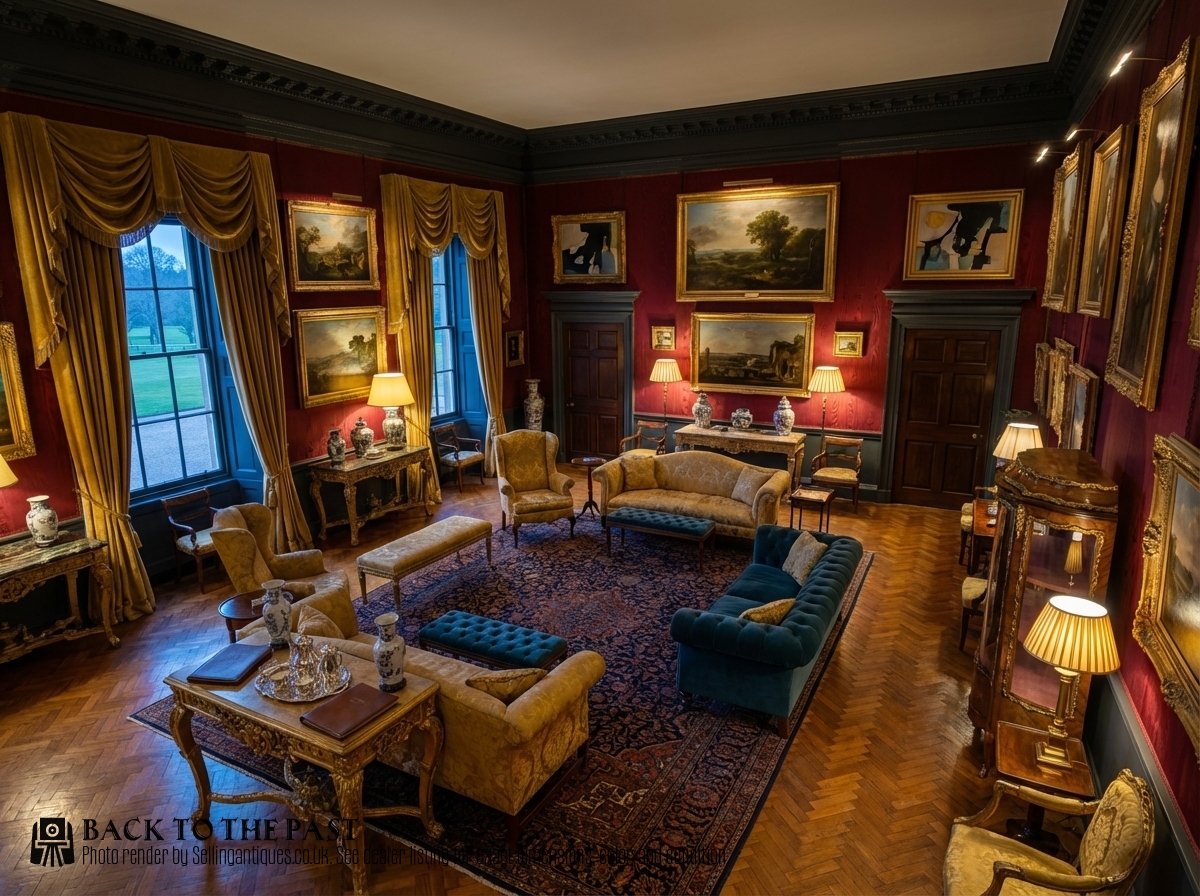
Antique China Display Cabinet
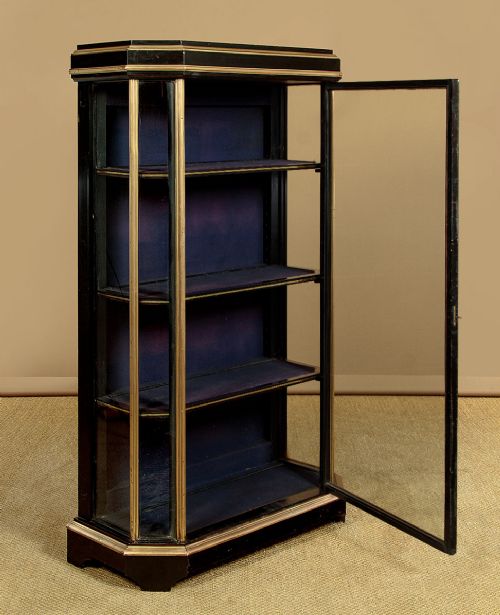
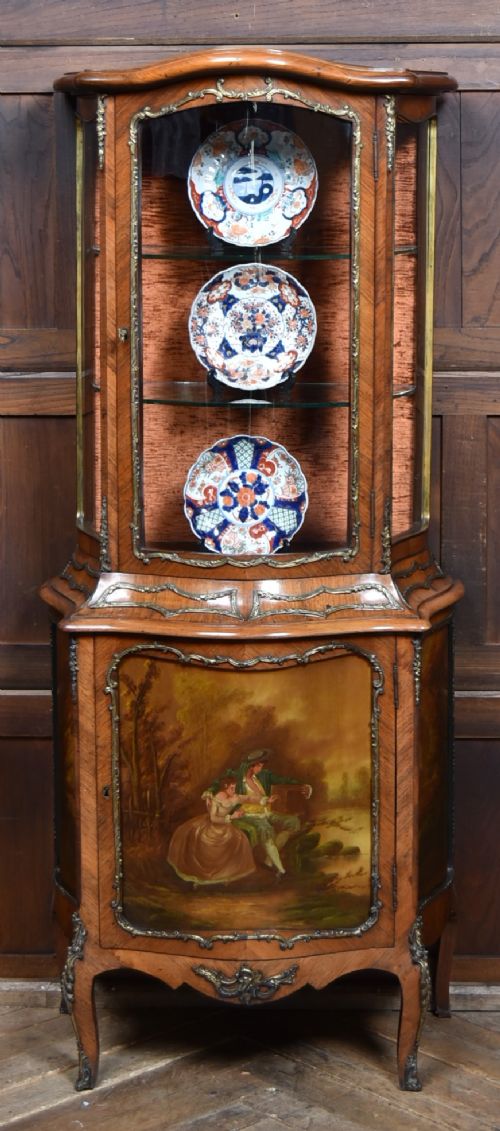
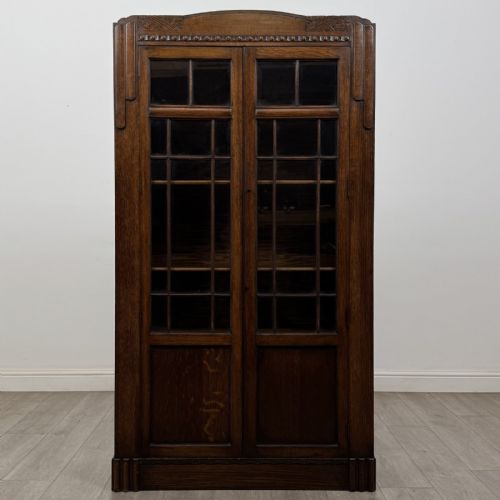
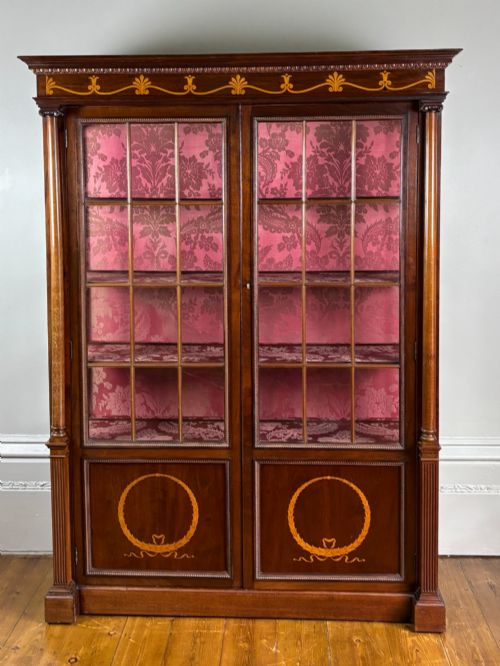
An antique china display cabinet serves as a sophisticated vessel for housing and protecting delicate ceramics, porcelain plates, and glassware within domestic spaces. These furnishings emerged prominently across the Victorian, Edwardian, and Art Deco periods, evolving from simple bookcases into dedicated vitrines and pier cabinets designed specifically for visual appreciation.
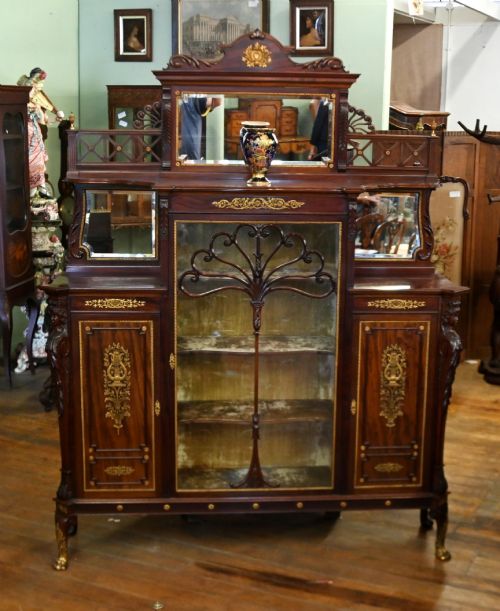
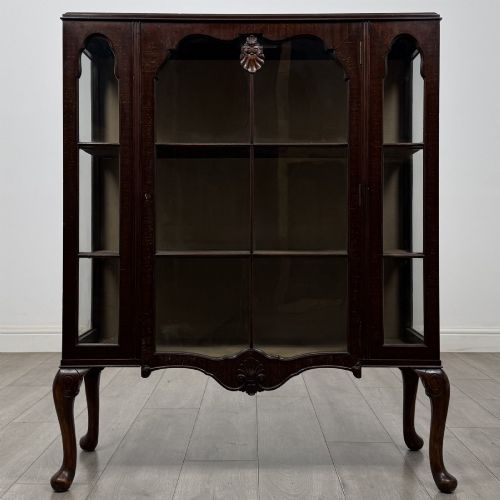
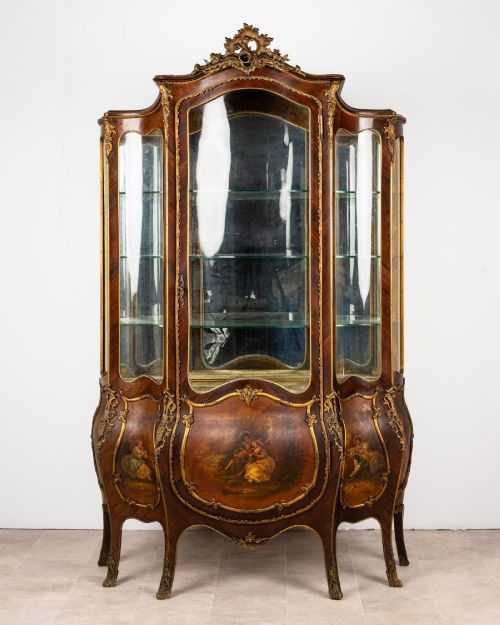
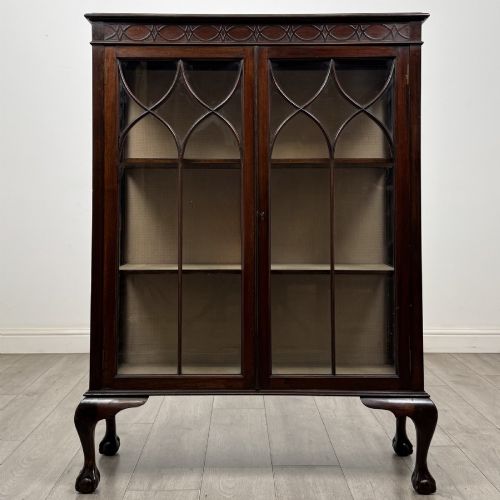
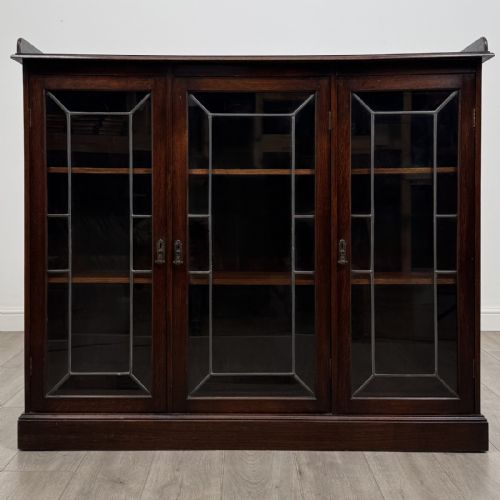
The pieces encountered on this page span diverse geographical origins and cabinet-making traditions, including English mahogany craftsmanship, French kingwood mounts, and Dutch walnut marquetry. Common forms range from tall breakfront bookcases and slim corner cupboards to low pier cabinets and bow-fronted display cases.
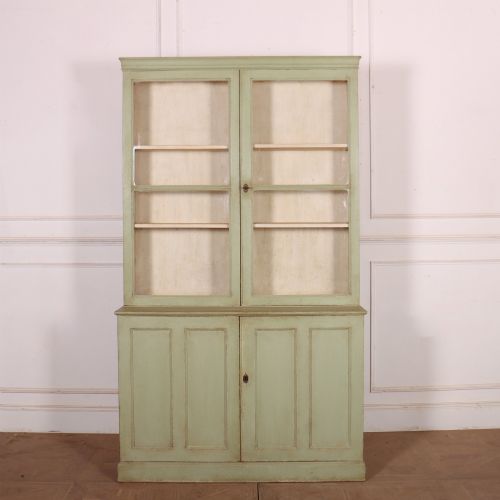
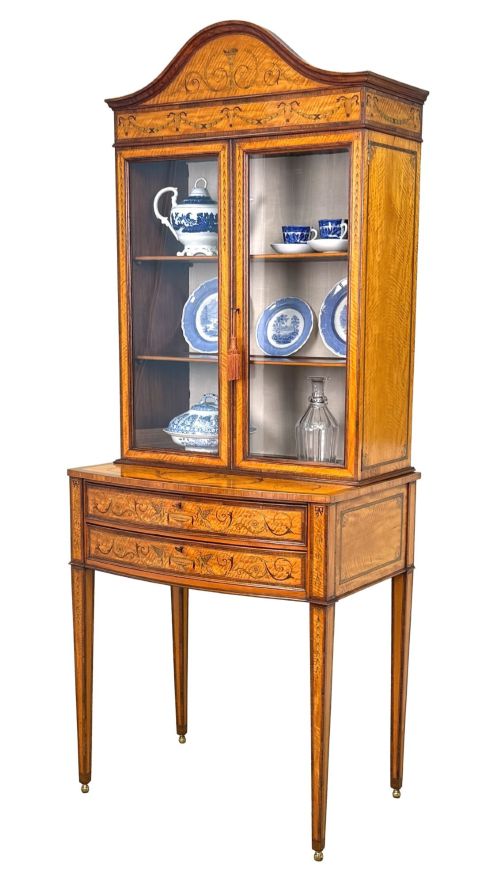
Makers adapted these cabinets to suit changing interior aesthetics, moving from heavy carved Victorian forms to lighter Edwardian satinwood pieces influenced by the Sheraton Revival. Buyers also encounter hybrid forms such as glazed dressers and side cabinets that combine utilitarian storage with prominent display space for decorative plates.

How They Were Made
Cabinet-makers utilised dense hardwoods such as mahogany, walnut, oak, and satinwood as the structural framework for these glazed enclosures, often applying fine veneers like burr walnut or kingwood to exterior surfaces. Timber selection determined the cabinet's weight and capacity to support intricate decorative inlay and carved details.
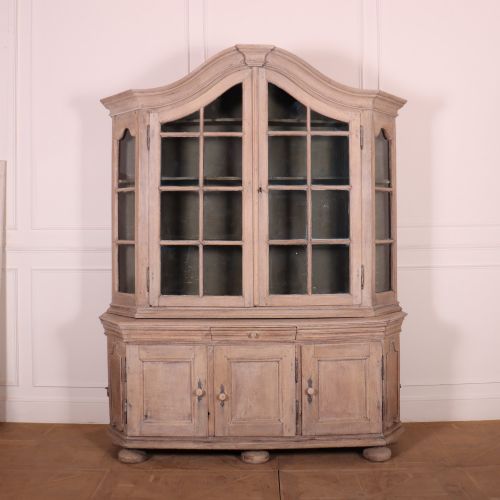
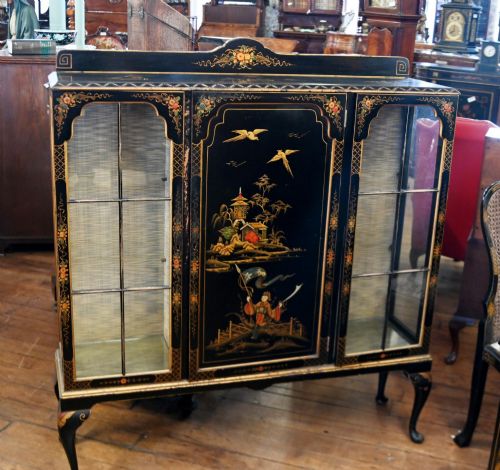
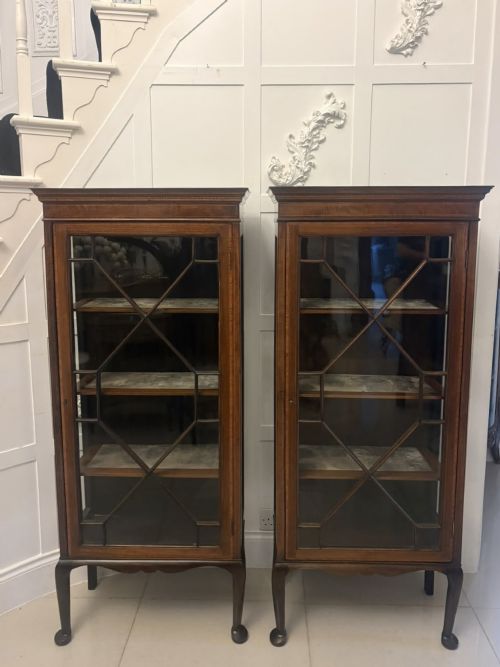
Glazing techniques defined the visual character of each piece, utilising astragal bars, leaded framing, or curved bent glass to partition the viewing areas. Workshops additionally incorporated brass hardware, ormolu mounts, and hand-painted decorations to elevate the finish of fine vitrines and display cases.
Antique China Display Cabinet Retail Price Guide 2026
Typical asking prices for china display cabinet among the pieces listed under this phrase on Sellingantiques today, from the lower quarter to the upper quarter. They describe what is for sale here now, not the wider market.
What Varies in Quality
The caliber of an antique china display cabinet rests on the precision of its timber selection, cabinet joinery, and the refinement of its decorative embellishments. Superior examples exhibit tightly figured veneers, hand-carved mouldings, and seamless structural integration that speaks to advanced workshop execution.
Jas Shoolbred·Edwards and Roberts·Maple and Co·H and R Daniel
The Antique China Display Cabinet Glossary
- Astragal glazed
- A method of dividing glass panes within a cabinet door using slender wooden mouldings. These bars form geometric grids or intricate tracery across the front of the display case.
- Vitrine
- A glass-sided cabinet or display case traditionally utilised for showcasing porcelain, miniatures, and curiosities. French examples often incorporate gilt bronze mounts and exotic wood veneers.
- Pier cabinet
- A low, narrow freestanding cabinet designed specifically to fit against the wall space between windows. Victorian iterations frequently feature glazed doors and inlaid mahogany surfaces.
- Breakfront
- A large cabinet design where the central section projects forward from the flanking wings. This architectural arrangement creates depth and visual rhythm in substantial bookcase displays.
- Sheraton Revival
- A late nineteenth and early twentieth-century design movement inspired by the neoclassical furniture of George Sheraton. Pieces from this revival favour satinwood, painted decoration, and delicate inlay.
Antique China Display Cabinet: Frequently Asked Questions
How were display cabinets used historically?
Historically, households utilised these cabinets in dining rooms, drawing rooms, and libraries to exhibit valuable porcelain collections, tea services, and decorative cabinet plates. They allowed hosts to display their social standing and refined taste through curated arrangements of ceramics.
The inclusion of lockable glass doors ensured that fragile heirlooms remained secure from accidental damage while staying fully visible to guests.
How do I style a cabinet in my home?
Living with an antique display cabinet involves balancing historical character with personal collections of ceramics, glassware, or books. Placing the cabinet away from direct sunlight protects both the wooden timber veneer and the colours of displayed porcelain.
Internal lighting can be introduced carefully to highlight glazed panels and accentuate the fine joinery of Edwardian or Victorian frameworks without altering the original structure.
How do I tell Edwardian cabinets from Victorian ones?
Victorian display cabinets generally feature heavier proportions, deeper timbers like dark mahogany or walnut, and more robust carved ornamentation. They often lean towards Gothic, classical, or elaborate revival styles.
Edwardian cabinets typically present a lighter aesthetic, frequently incorporating satinwood, Sheraton Revival influences, delicate stringing inlay, and brighter painted decorations that reflect early twentieth-century interior tastes.