


Antique Chequerboard Table
An antique chequerboard table brings a playable surface into a room through walnut, rosewood, oak, and inlaid woods across several centuries.
Antique Chequerboard Table
An antique chequerboard table combines a functional domestic surface with a dedicated board for chess or draughts. These pieces emerge in styles ranging from Georgian and Regency to Victorian, Edwardian, and the Arts and Crafts movement.
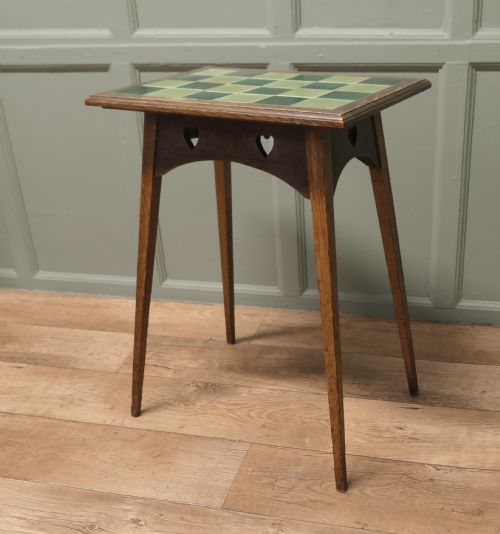
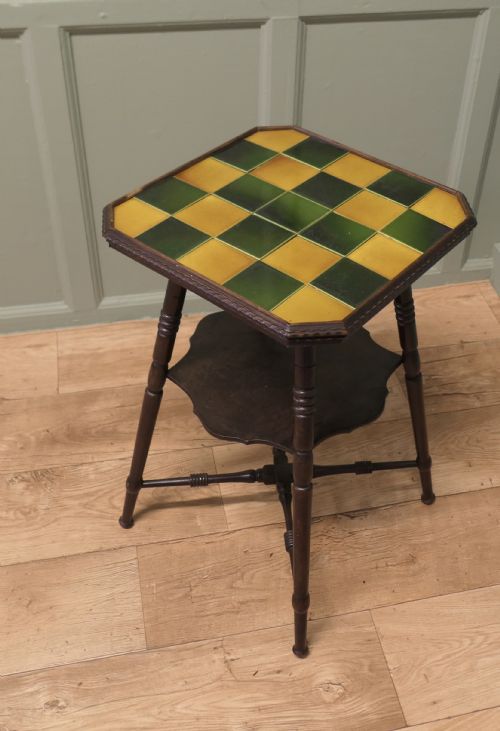
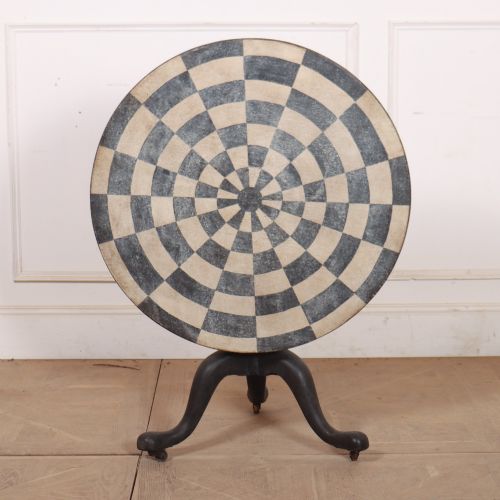
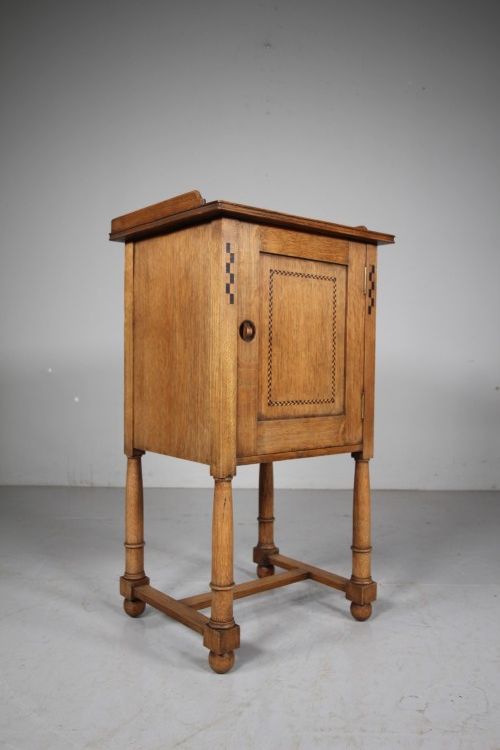
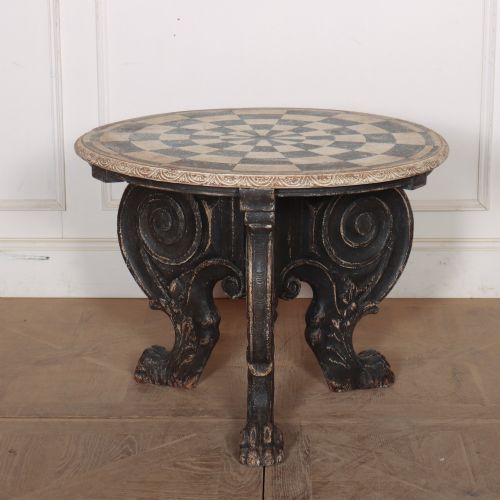
The form appears in various domestic contexts, spanning occasional tables, games tables, centre tables, and even specialised items like tiled top tables or bedside cabinets. Walnut, mahogany, rosewood, and oak provide the primary timber foundations for these dual-purpose items.
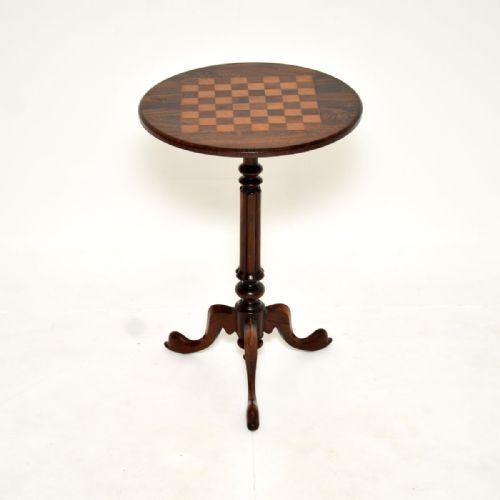
On this page, buyers encounter everything from formal Regency tripod tables with penwork details to robust oak Arts and Crafts pieces and delicate satinwood or marquetry designs. Each period brings distinct proportions and decorative vocabulary to the playing surface.
Materials and construction
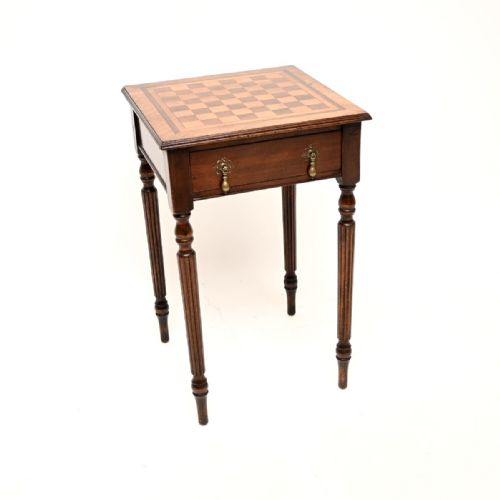
Cabinetmakers constructed these tables using solid hardwoods and decorative veneers, employing rosewood, walnut, mahogany, and satinwood to create contrasting squares for the playing surface. Inlay and parquetry techniques required precise cutting of light and dark wood species to form a flat, stable board.
Some examples incorporate specialised decorative elements such as brass mounts, ceramic tiles, and penwork, demonstrating diverse workshop capabilities. Structural framing utilised traditional joinery to support both everyday domestic use and the inlaid top.
Some tables double as sneaky side cabinets, proving that Victorians loved a piece of furniture that could keep a secret.
Assessing quality and execution
The distinction between standard examples and finer pieces lies in the precision of the wood inlay and the selection of cabinet timbers. Tighter grain matching and crisper geometric definition on the playing surface indicate higher workshop execution.
Design integration also sets pieces apart, where the proportions of the table base harmonize with the inlaid top rather than appearing as a later adaptation. Finer examples retain balanced patination across the primary woods and the board itself.
Liberty London·Shapland & Petter·Heals·Wright & Hunter of Belfast
The Antique Chequerboard Table Glossary
- Chequerboard
- A square board divided into sixty-four smaller squares of alternating colours used for games such as chess and draughts. This surface is typically formed through wood inlay, marquetry, or painted penwork on antique tables.
- Parquetry
- A geometric mosaic of wood pieces used for decorative floors and table tops. It creates repeating patterns like the alternating squares essential for a games surface.
- Marquetry
- The art and craft of applying pieces of veneer to a structure to form decorative designs, pictures, or patterns. On these tables, marquetry often frames the central playing area with floral or linear motifs.
- Penwork
- A decorative technique using ink applied to wood, bone, or other surfaces to create detailed illustrations or borders. Regency examples sometimes utilise this method to delineate the playing squares and decorative motifs.
- Tripod table
- A small freestanding table supported by a central pillar and three legs. This form appears frequently in Regency and 18th-century pieces adapted for occasional use or game playing.
Antique Chequerboard Table: Frequently Asked Questions
What games were played on these tables?
These tables were primarily designed for two-player strategy games, most notably chess and draughts, which require a grid of alternating light and dark squares.
The inclusion of a built-in board allowed households to keep games accessible in a drawing room or parlour without needing a separate portable board.
How do I care for an inlaid wooden top?
Maintenance requires keeping the table away from direct sunlight and extreme humidity fluctuations, which can cause wood veneers and inlay to lift or dry out.
Applying a suitable wax polish periodically helps nourish the timber and protect the contrasting woods of the playing surface from moisture.
Can I use an antique games table daily?
Many of these pieces functioned as everyday occasional or centre tables in historic homes, making them suitable for normal domestic placement.
Using coasters and avoiding excessive weight on the top will help preserve the antique timber and delicate parquetry for continued use.
How do I identify the period of a table?
Period identification relies on examining the structural proportions, secondary framing timbers, and decorative styles such as Regency turnings, Victorian marquetry, or Arts and Crafts oak.
The choice of veneer and cabinetmaking methods also provides clear physical evidence of when the piece was constructed.