

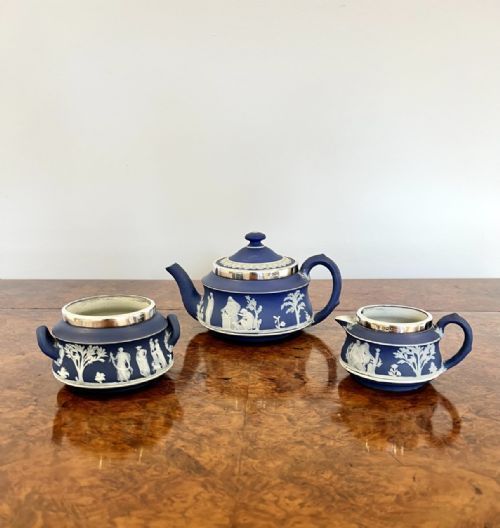


Antique Ceramic Tea Service
An antique ceramic tea service brings the elegance of past centuries directly to the table.
Antique Ceramic Tea Service
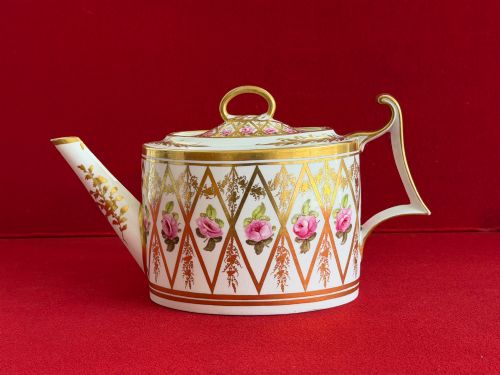
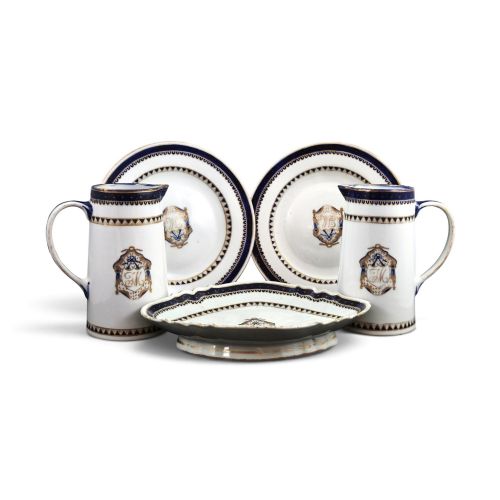
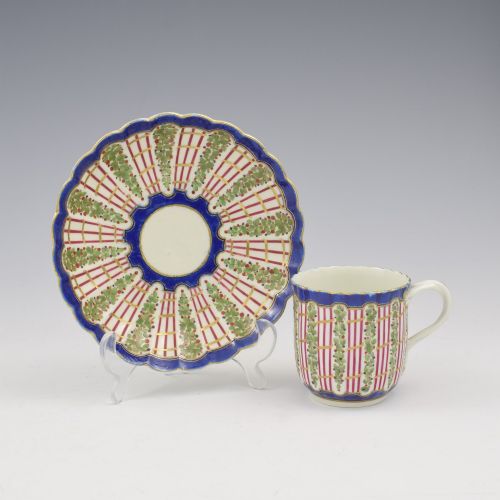
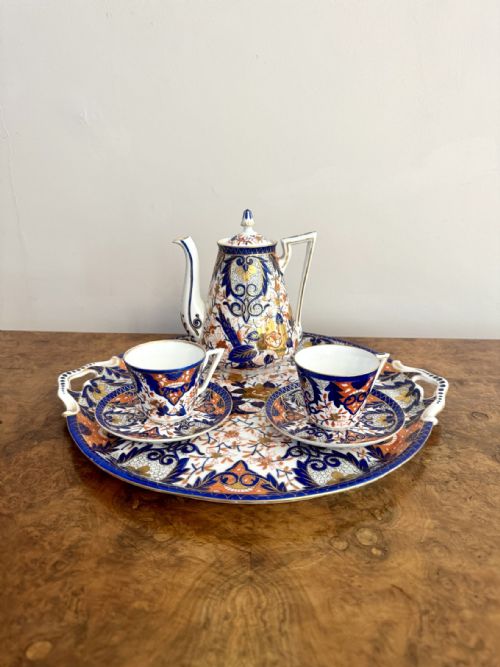
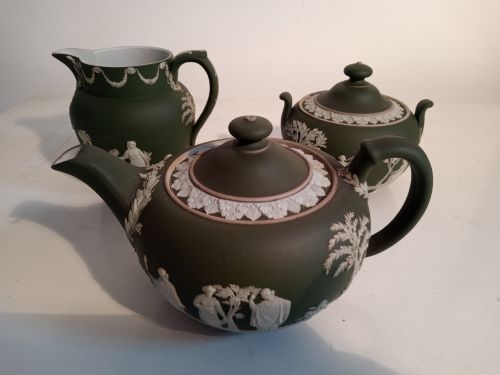
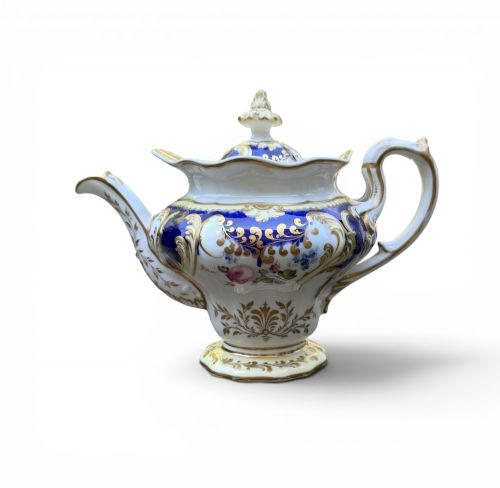
An antique ceramic tea service comprises matched or coordinated vessels designed for the formal or domestic service of hot beverages, spanning periods from the eighteenth century through to the art deco era. Buyers searching this phrase encounter formations ranging from full afternoon tea sets to bachelor sets, coffee services, and miniature child's sets.
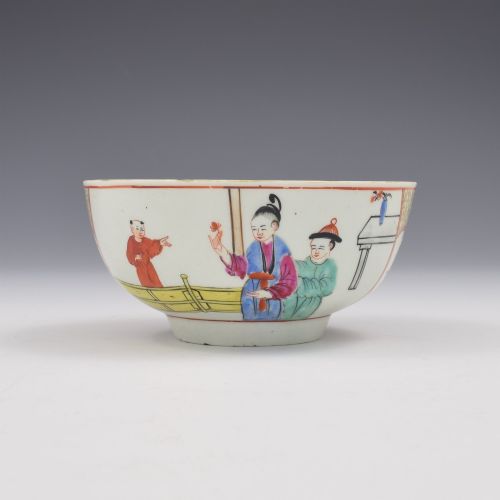
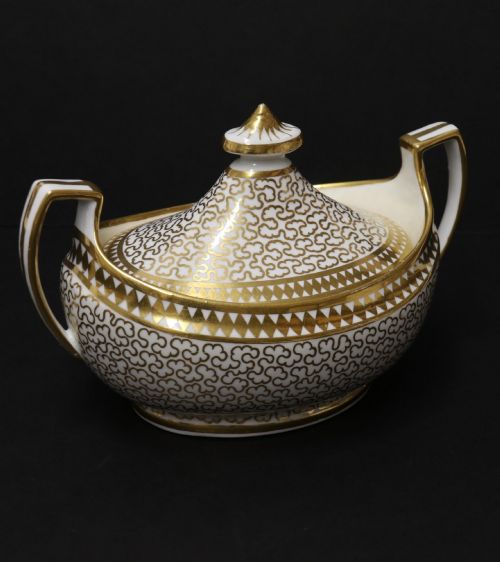
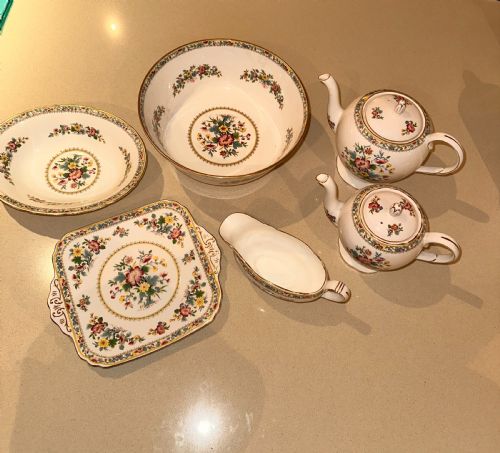
The material composition of these services typically involves fine porcelain, bone china, earthenware, or ironstone, adorned with hand-painted enamels, transfer printing, and gilding. Forms include teapots, sucriers, slop bowls, cups, and saucers, originating from English potteries, European houses, and Chinese export trade.
Materials and production techniques
Makers utilised porcelain and bone china bodies shaped by throwing, casting, or pressing, followed by high-temperature firing to vitrify the ceramic. Glazes were then applied to seal the surface, creating a vitreous sheen ready for decoration.
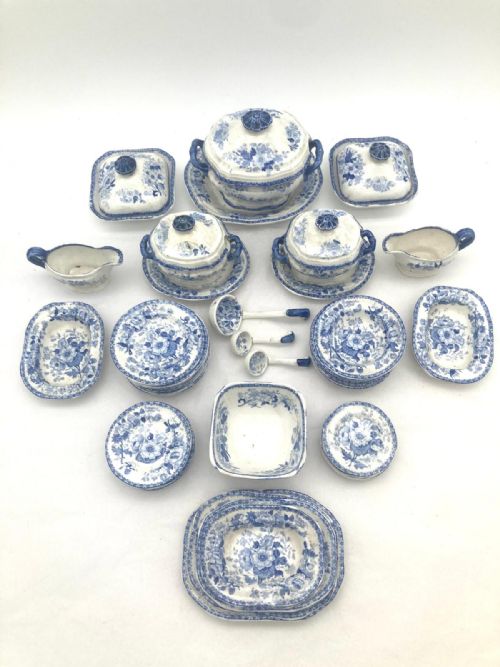
Decoration relied on hand-painting with enamel colours and gold leaf, alongside blue and white transfer printing or polychrome patterns such as Imari and Kakiemon. Gilding and enamel details frequently required additional low-temperature kiln firings to bond the metals and pigments to the glaze.
Antique Ceramic Tea Service Retail Price Guide 2026
Typical asking prices for ceramic tea service among the pieces listed under this phrase on Sellingantiques today, from the lower quarter to the upper quarter. They describe what is for sale here now, not the wider market.
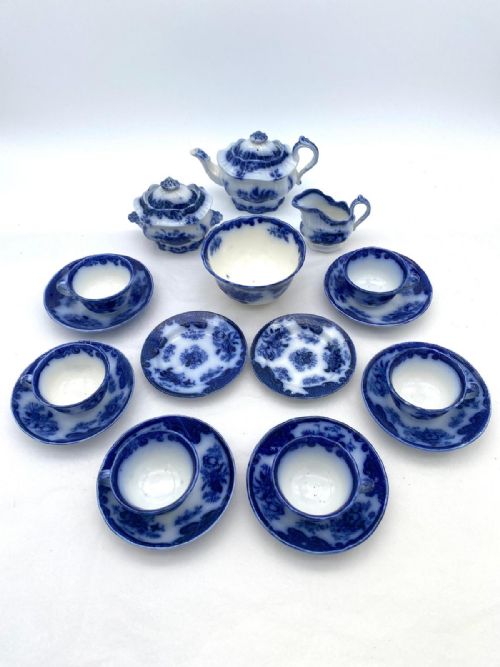
Miniature child's tea services preserve tiny cups and teapots scaled down for historic nurseries.
Factors that distinguish quality
Quality in these services rests upon the fineness of the ceramic body, the translucency of the porcelain or bone china, and the crispness of the moulding. Superior sets demonstrate expert throwing or casting with thin, even walls and well-fitted lids.
The execution of the decoration dictates the higher tier of the range, distinguishing hurried factory output from meticulous hand-painting, precise gilding, and well-registered transfer printing. The harmony of the pattern across every individual cup, saucer, and pot reflects the original ambition of the maker.
Dr Wall Worcester·Royal Crown Derby·William Moorcroft·Clarice Cliff·Copeland·Spode·Minton·Coalport
The Antique Ceramic Tea Service Glossary
- Bone china
- A type of soft-paste porcelain containing bone ash, developed in England to create a durable, highly white and translucent ceramic body.
- Sucrier
- A covered sugar bowl or sugar box designed as part of a matching tea or coffee service.
- Transfer printing
- A mechanical decoration technique where an engraved copper plate transfers a design onto paper and thence onto the ceramic surface before firing.
- Gilding
- The application of gold leaf or powdered gold to the rims, handles, and painted motifs of ceramic vessels.
- Slop bowl
- A matching vessel used during tea service to discard remaining cold tea or dregs before pouring a fresh cup.
Antique Ceramic Tea Service: Frequently Asked Questions
How do I date an old tea set?
Dating relies upon factory marks stamped or painted on the underside of the ceramic pieces, combined with the stylistic indicators of the period such as shape, paste composition, and handle design.
Comparing pattern numbers and floral or transfer motifs with documented manufacturer records provides a narrower window of production.
Can I use an antique tea service?
Many collectors prefer to keep these delicate porcelain and bone china sets for display rather than daily service, owing to the vulnerability of historic hand-painted enamels and gold leaf.
If utilised, hand washing in warm water without abrasive detergents helps protect the ancient glaze from thermal shock and wear.
What is a bachelor teaset?
A bachelor teaset is a compact, combined service designed for a single person, typically comprising a teapot that nests directly on top of a cup and saucer or includes a small matching sugar bowl.
These pieces were produced in the nineteenth century for individual use in private bedchambers or studies.
How are porcelain and bone china different?
Porcelain is a vitrified ceramic fired at high temperatures from kaolin and petuntse, yielding a hard, white, and often ringing body that has been produced in Asia and Europe for centuries.
Bone china incorporates calcified animal bone into the formula, a distinct English innovation that increases strength and allows for a thinner, highly translucent wall.