



Regency Cream Jug
These regency cream jug pieces are domestic vessels for serving milk or cream, prized by collectors for their refined neoclassical forms and period charm.
Regency Cream Jug
A regency cream jug is typically a small table vessel used for serving cream or milk during tea service. The selections on this page span several periods, most notably the Georgian and Regency eras, alongside later Victorian and twentieth-century examples.
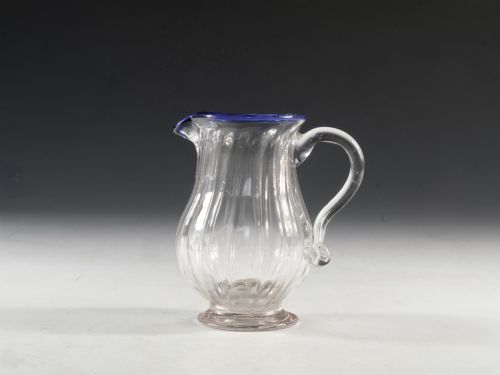
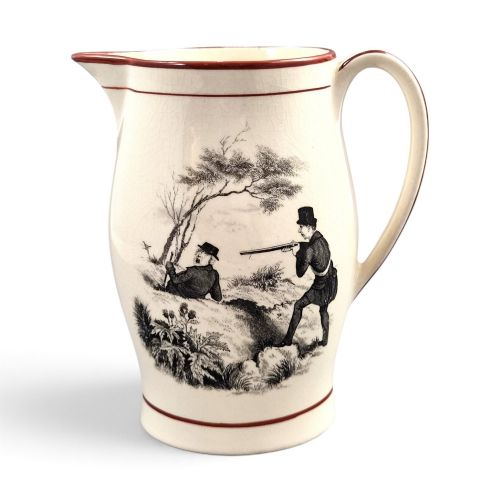
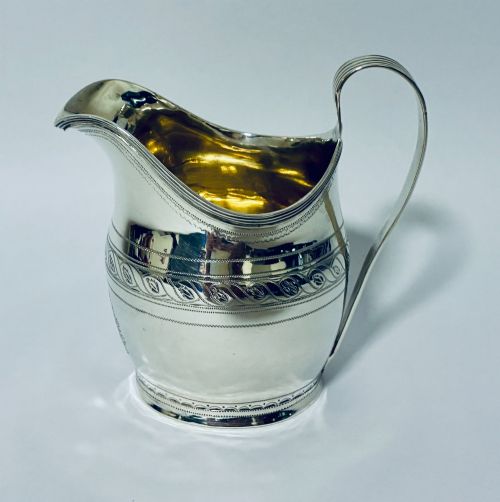
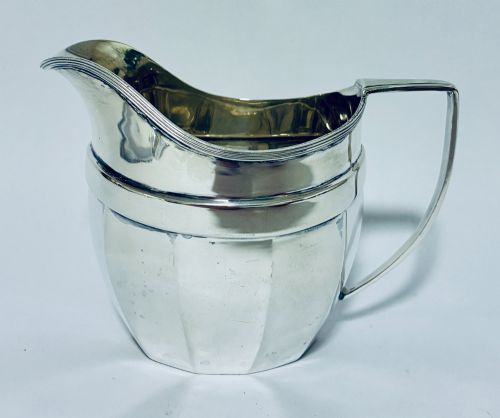
The forms vary from classic ceramic pitchers to silver cream jugs and lead glass vessels. Most pieces originate from English makers and potteries active during the late eighteenth and early nineteenth centuries.
Buyers frequently encounter variations described as milk jugs, creamers, or tea set components. These items often appear alongside sugar bowls or form part of larger teaware collections.
Materials and production methods
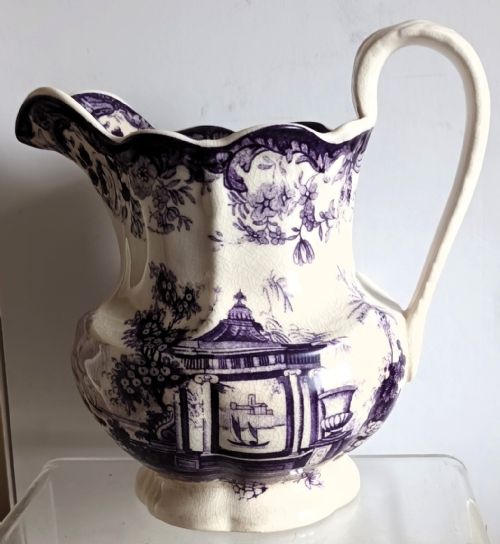
Pottery and porcelain pieces utilise earthenware, ceramic, and porcelain bodies finished with coloured glazes or transfer-printed decoration. Factories employed hand-painting and transfer-printing techniques to apply scenic views and botanical motifs.
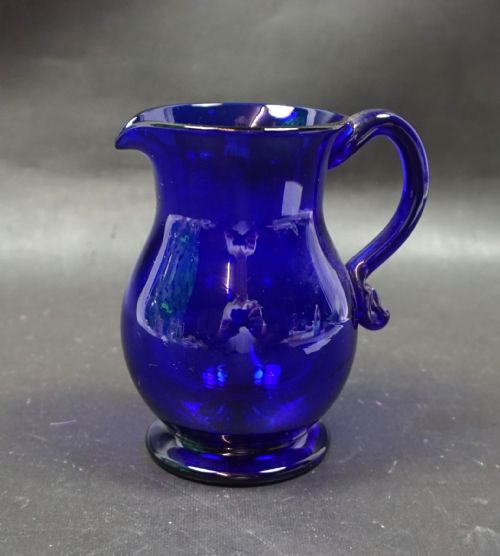
Metal vessels rely on sterling silver, Sheffield plating, and provincial silver work, often featuring chased or engraved grape vine and leaf ornamentation. Glass examples incorporate lead glass production methods with applied coloured rims.
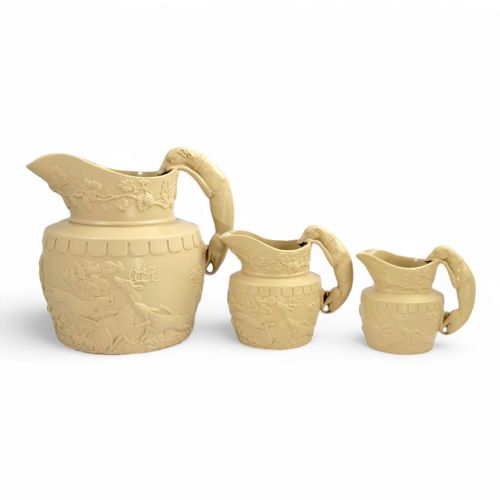
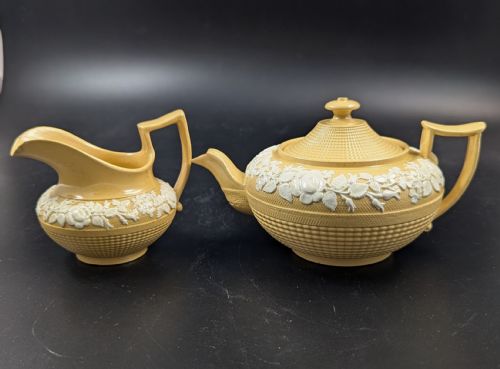
Handles and decorative elements on ceramic pitchers often take specialised forms, such as hound handles on yellow ware bodies. Gilt highlights and hand-applied enamel details complete the decoration on finer porcelain bodies.
Listings feature silver, porcelain, earthenware, and lead glass materials across Georgian, Regency, and Victorian periods.
Assessing quality in the range
Quality separates mass-produced utility wares from pieces bearing the marks of known porcelain factories or silversmiths. The crispness of transfer-printing and the precision of hand-painted details define the artistic merit of ceramic vessels.
Silver and Sheffield plated pieces demonstrate quality through the depth of repoussé decoration, the clarity of hallmarks, and the weight of the metal. Proportion and balance in the handle and spout construction distinguish superior forms from simpler utility jugs.
H & R Daniel·Crown Derby·Phillips & Bagster·Wedgwood
The Regency Cream Jug Glossary
- Creamware
- A fine earthenware developed in England, characterised by a pale yellowish-buff glaze. It became popular for domestic pitchers during the Georgian period.
- Transfer-printed
- A decoration technique where an engraved metal plate transfers a design onto paper, which is then stamped onto the pottery before glazing. This method allowed for consistent, detailed pictorial scenes.
- Sheffield Plated
- A composite material made by fusing a thin sheet of sterling silver to a thicker copper base. It was widely utilised for affordable luxury tableware before electroplating.
- Kakiemon
- A style of Japanese porcelain decoration adopted by European factories like Derby, featuring asymmetrical enamel designs of birds and flowers. It translates into delicate colour palettes on period cream jugs.
Regency Cream Jug: Frequently Asked Questions
What is a regency cream jug used for?
These vessels were designed to hold and pour cream or milk at the tea table during breakfast or afternoon tea.
Over time, many have transitioned from daily dining accessories into cabinet display pieces or functional items for modern table settings.
How do I identify a Regency period piece?
Regency items typically display neoclassical influences, including classical shapes, minimal ornamentation, and specific handle designs characteristic of the early nineteenth century.
Examining the underlying ceramic paste, glaze characteristics, or silver hallmarks helps confirm the manufacturing era.
Are silver and ceramic cream jugs cleaned differently?
Silver vessels require specialised metal polish to maintain their shine and remove natural tarnishing without damaging engraved details.
Ceramic and porcelain jugs need gentle washing with warm soapy water, avoiding harsh abrasives that might harm hand-painted or transfer-printed surfaces.
Can I use antique cream jugs daily?
Many ceramic and silver examples remain structurally sound for serving liquids during occasional meals or gatherings.
Collectors often restrict fragile porcelain or delicate glass pieces to display use to preserve their historical glazes and painted decorations.