






Antique Ceramic Flower Pot
An antique ceramic flower pot brings botanical colour indoors through centuries of earthenware, porcelain, and stoneware craftsmanship.

Antique Ceramic Flower Pot
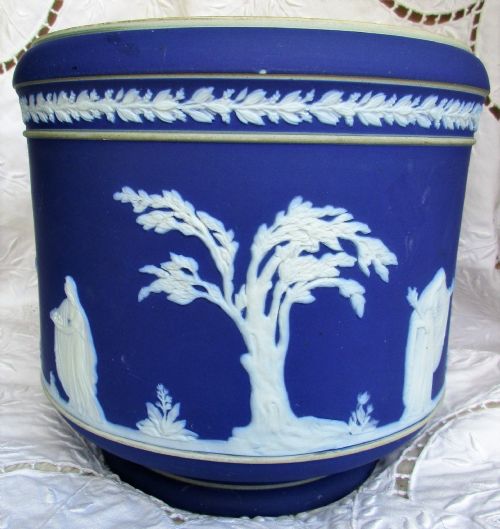
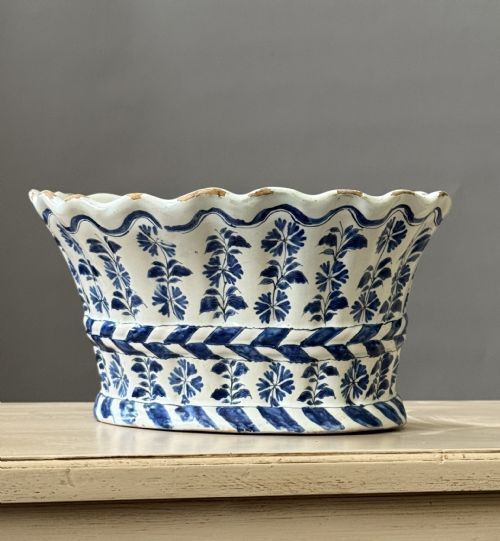
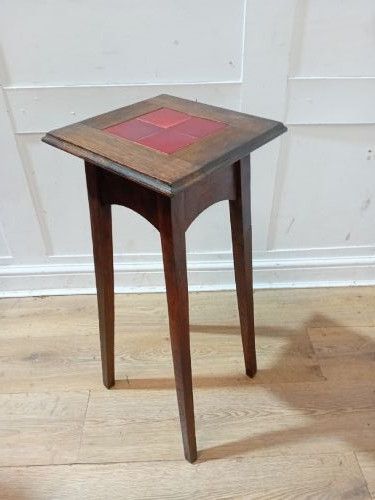
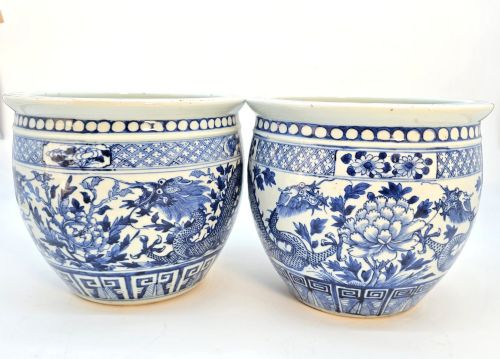
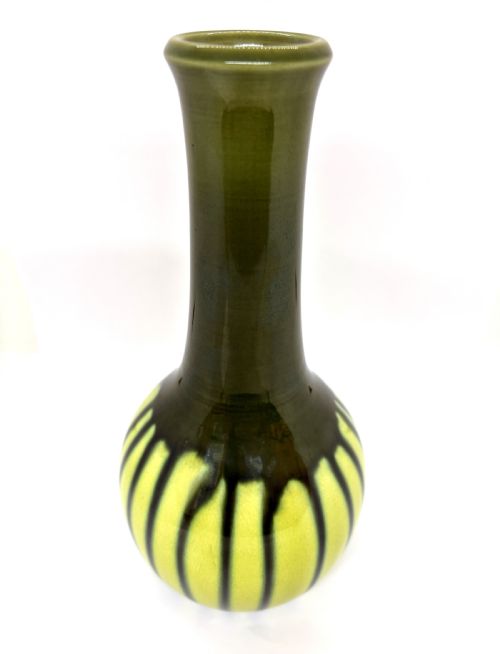
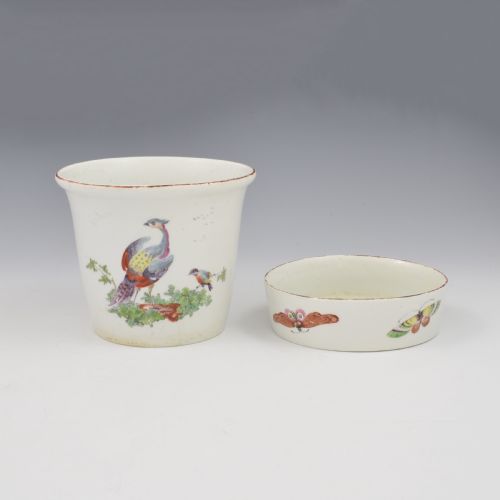
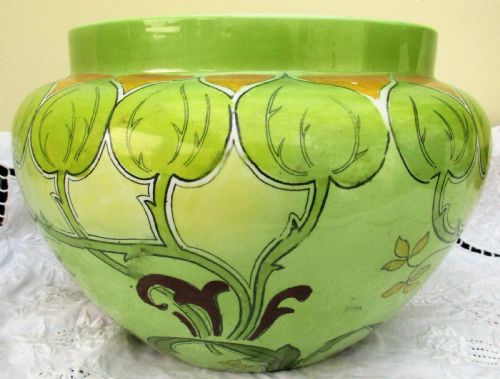
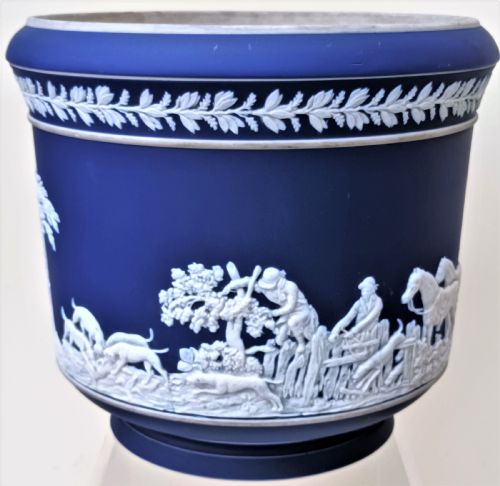
When searching for an antique ceramic flower pot, buyers encounter varied forms such as jardinieres, cachepots, and bough pots designed to display plants and cut stems. These vessels emerge from periods including the eighteenth and nineteenth centuries, spanning Georgian, Victorian, and Edwardian eras alongside Chinese, Japanese, and European traditions.
How they were made
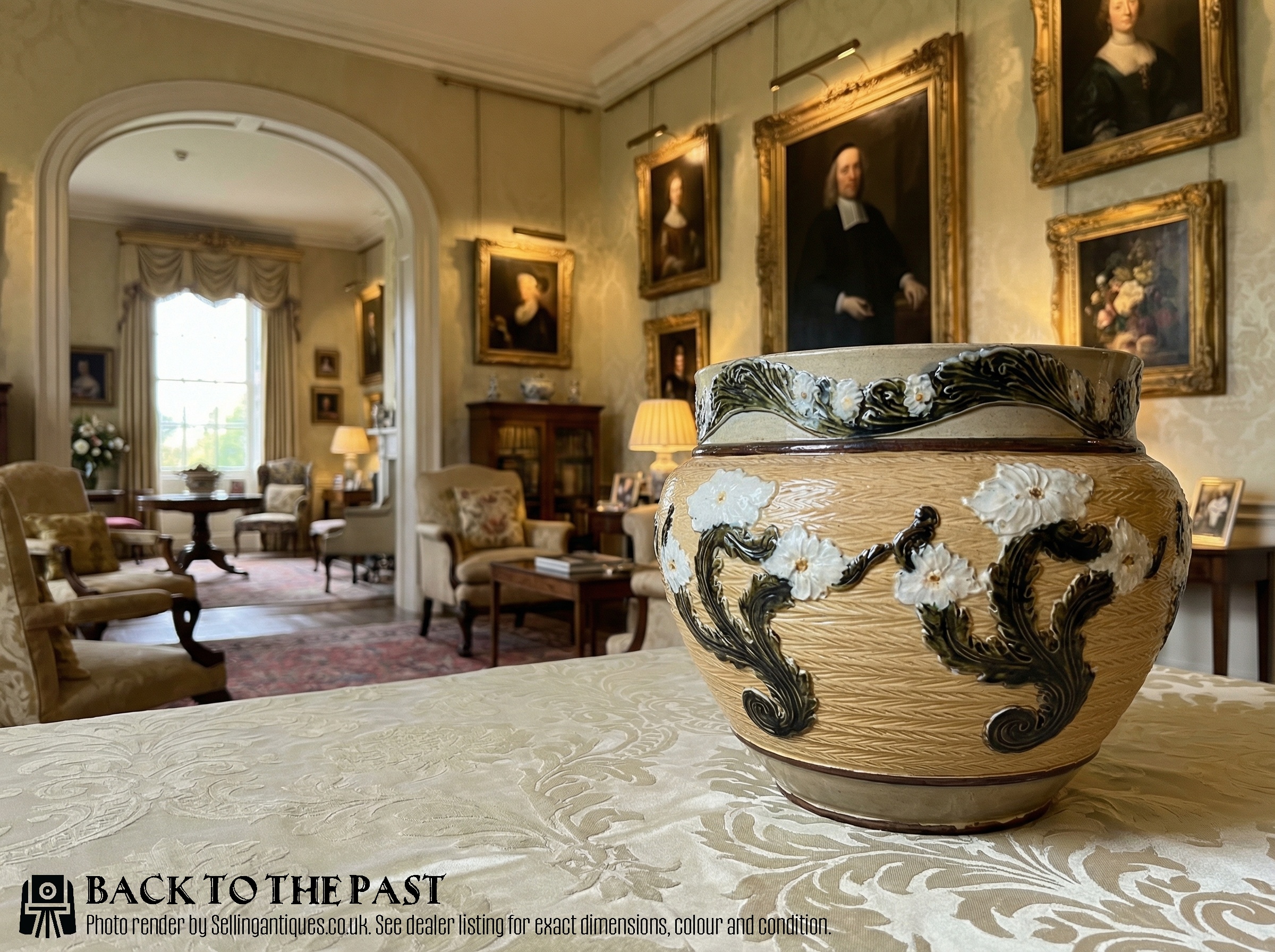
Potters shaped clay on wheels or used moulds before applying intricate glazes, enamels, and underglaze blue pigments. Salt glazing and delicate hand-painting defined many nineteenth-century European and Asian works.
Kiln-fired earthenware and porcelain received decorative treatments including gold leaf accents, transfer printing, and detailed hand-applied flora and fauna motifs.
Antique Ceramic Flower Pot Retail Price Guide 2026
Typical asking prices for ceramic flower pot among the pieces listed under this phrase on Sellingantiques today, from the lower quarter to the upper quarter. They describe what is for sale here now, not the wider market.
The documented periods span the eighteenth, nineteenth, and early twentieth centuries, encompassing Georgian, Victorian, and Edwardian aesthetics.
What varies in quality
Quality rests upon the crispness of the modelled form, the depth and clarity of the glaze, and the precision of the hand-painted or transfer-printed decoration. Finer pieces display superior control during high-temperature firing, resulting in unblemished surfaces and balanced proportions.
The reputation of the maker and the complexity of the palette, whether delicate Famille Rose enamels or rich Majolica colourways, distinguish standard utilitarian wares from exhibition-grade examples.
William Adams And Sons·W A Adderley·Makuzu Kozan II·Royal Worcester·Royal Doulton
The Antique Ceramic Flower Pot Glossary
- Jardiniere
- A decorative ceramic pot or container designed to hold a growing plant. These vessels often rest on matching stands or tables.
- Cachepot
- An ornamental flower pot cover used to conceal a plain plant pot inside. The word derives from the French for hiding a pot.
- Bough pot
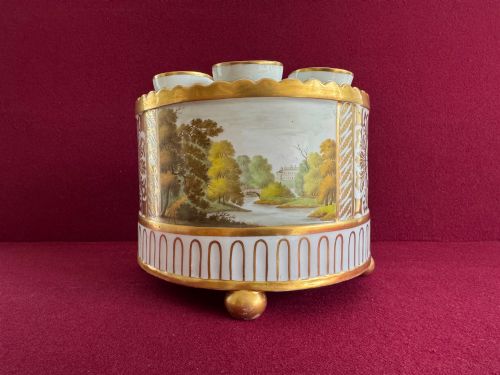
- A vessel specifically formed for holding cut branches of flowers or greenery. Eighteenth-century examples frequently feature pierced covers for arranging stems.
- Majolica
- A type of earthenware coated with an opaque tin glaze and painted with bright metallic oxide colours. Victorian makers adapted this technique for robust garden and indoor planters.
- Imari
- A style of Japanese export porcelain decorated in underglaze blue, iron red, and gold. Eighteenth and nineteenth-century examples heavily influenced European ceramic design.
Antique Ceramic Flower Pot: Frequently Asked Questions
What is a jardiniere?
A jardiniere is a large decorative pot designed to hold a potted plant, typically displayed on the floor or a dedicated stand.
Unlike standard flower pots with drainage holes, these vessels served to protect interior surfaces from water.
How do I use a cachepot?
A cachepot functions as an outer decorative vessel that hides a utilitarian growing pot placed inside it.
Watering plants requires lifting them out to drain before returning them to the dry cachepot.
What distinguishes an 18th century bough pot?
Eighteenth-century bough pots were created specifically to hold cut flowering branches rather than potted plants.
They frequently include fitted lids with multiple holes to keep heavy stems upright and arranged.
How do I identify Victorian majolica?
Victorian majolica is characterised by heavy earthenware bodies covered in vibrant, glossy coloured glazes.
Naturalistic plant and animal motifs dominate this style, reflecting nineteenth-century enthusiasm for botanical ornament.