
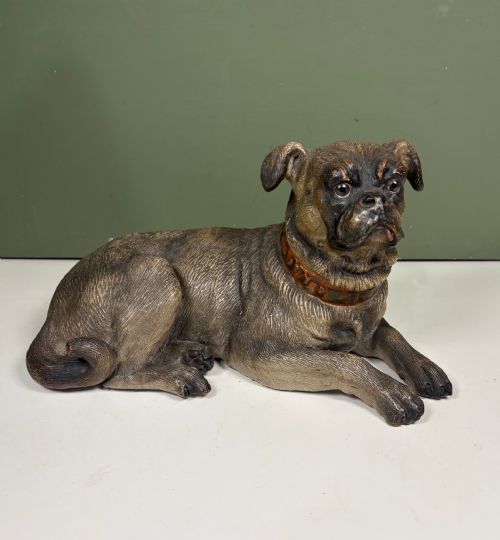
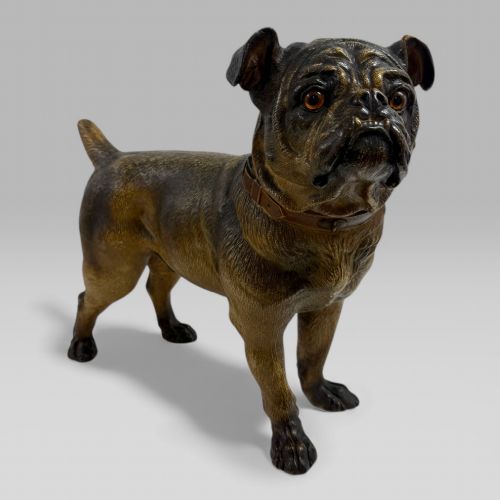
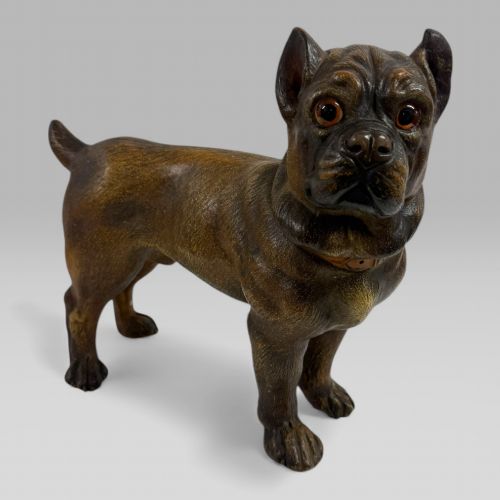

Antique Ceramic Dog Ornaments
These antique ceramic dog ornaments capture the steadfast charm of Victorian companions, offering characterful focal points for any mantelpiece or shelf.
What these antique ceramic dog ornaments are
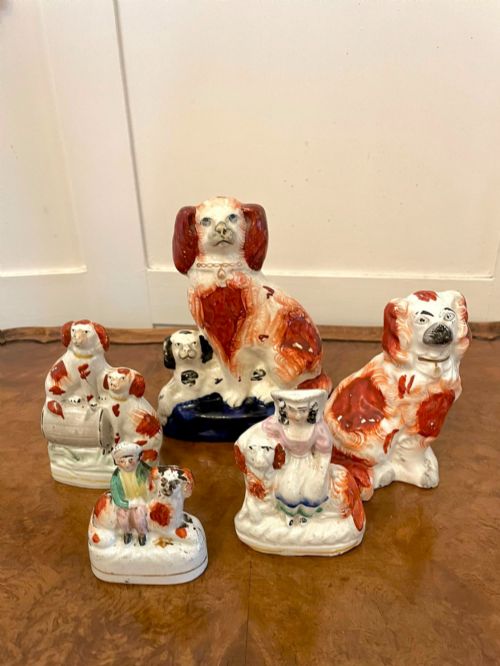
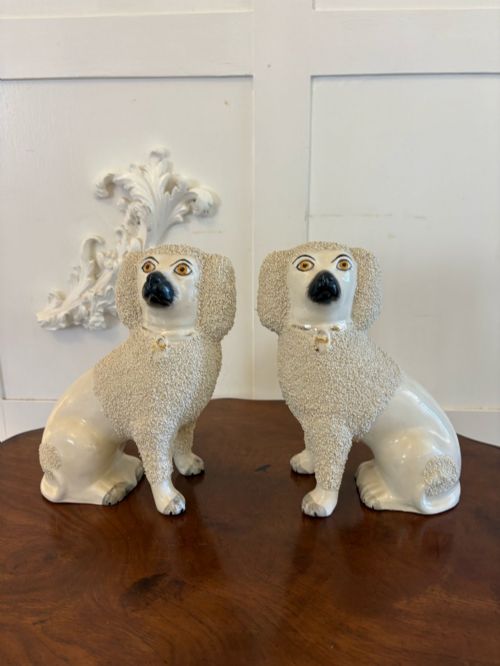
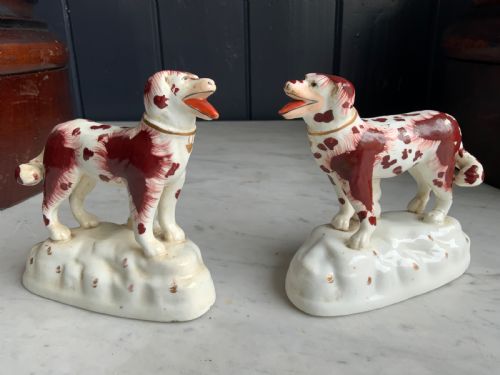
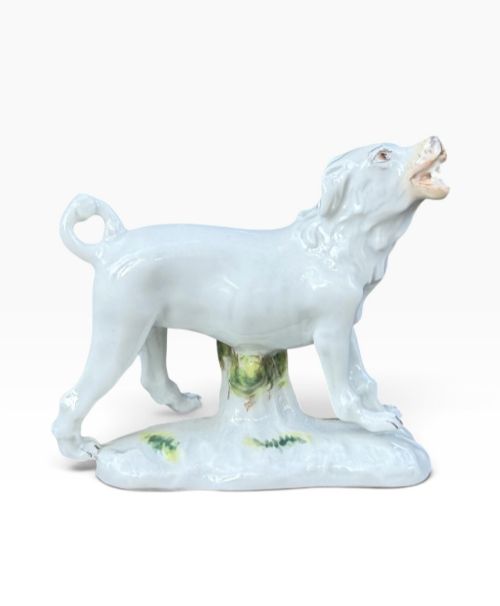
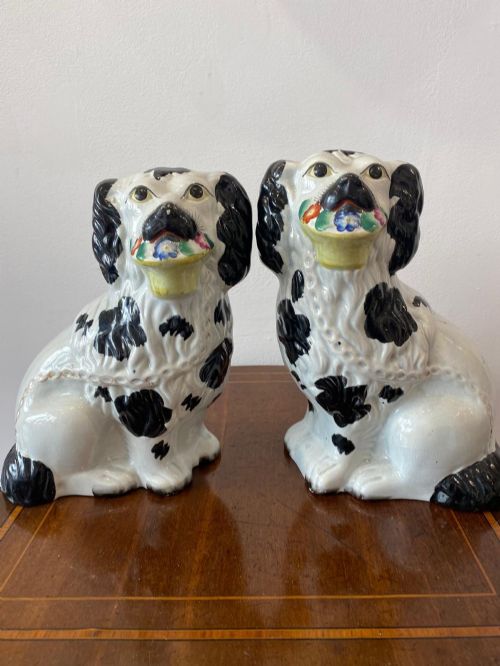
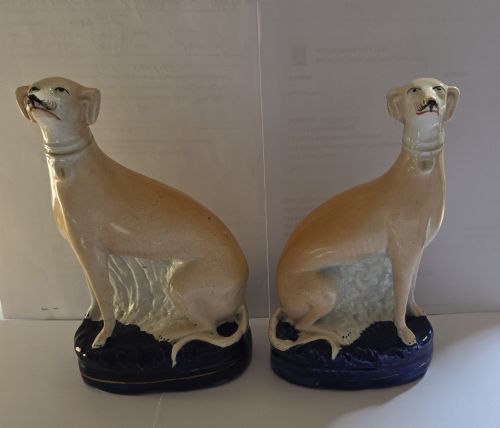
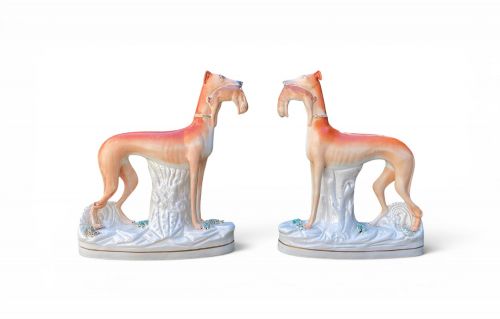
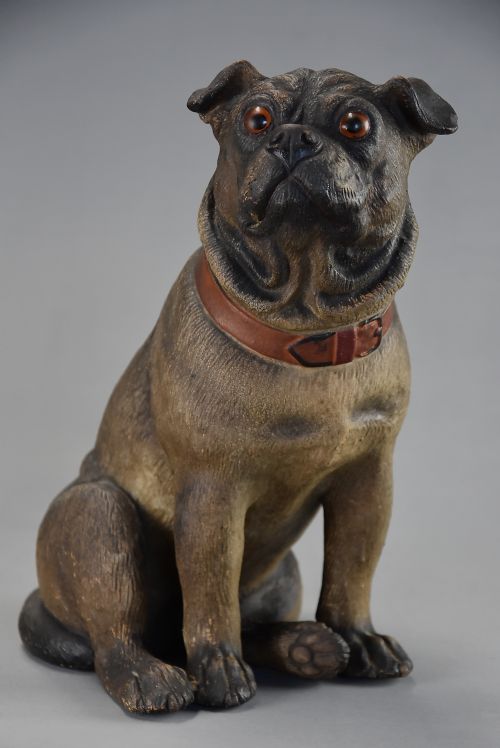
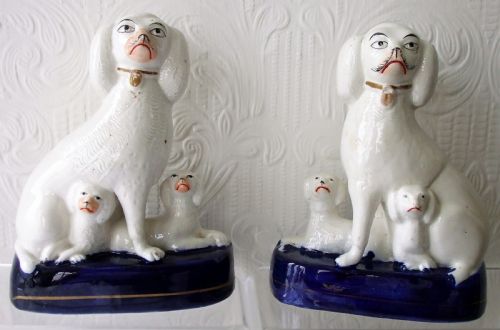
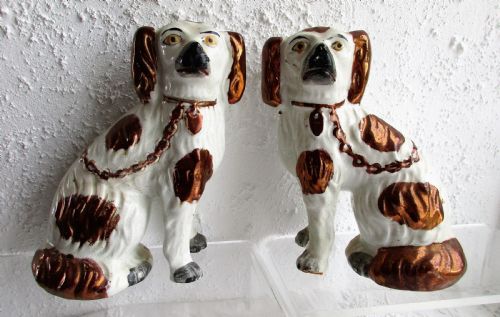
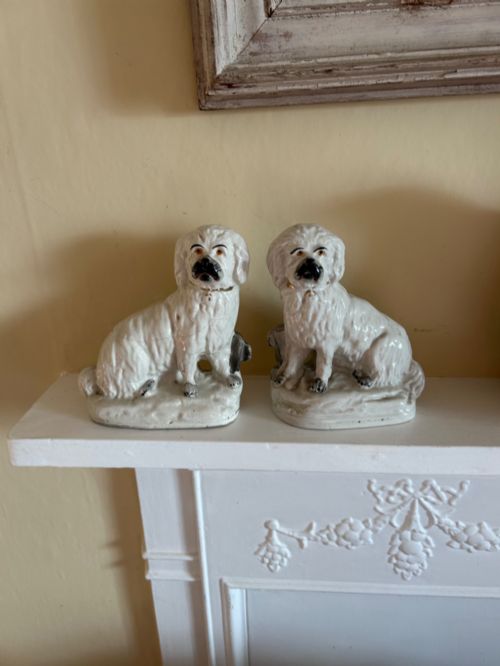
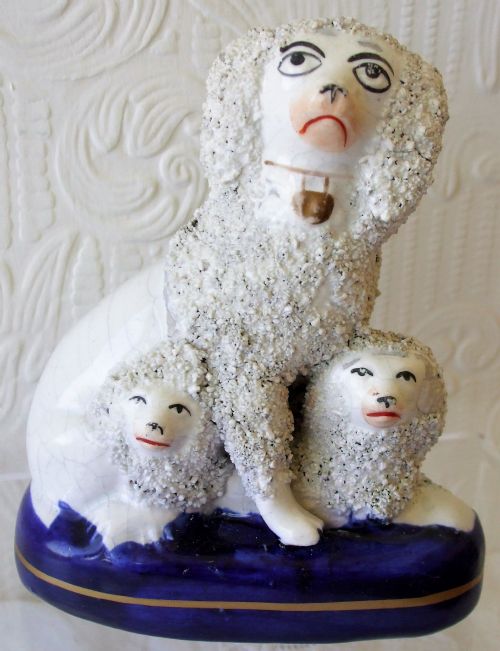
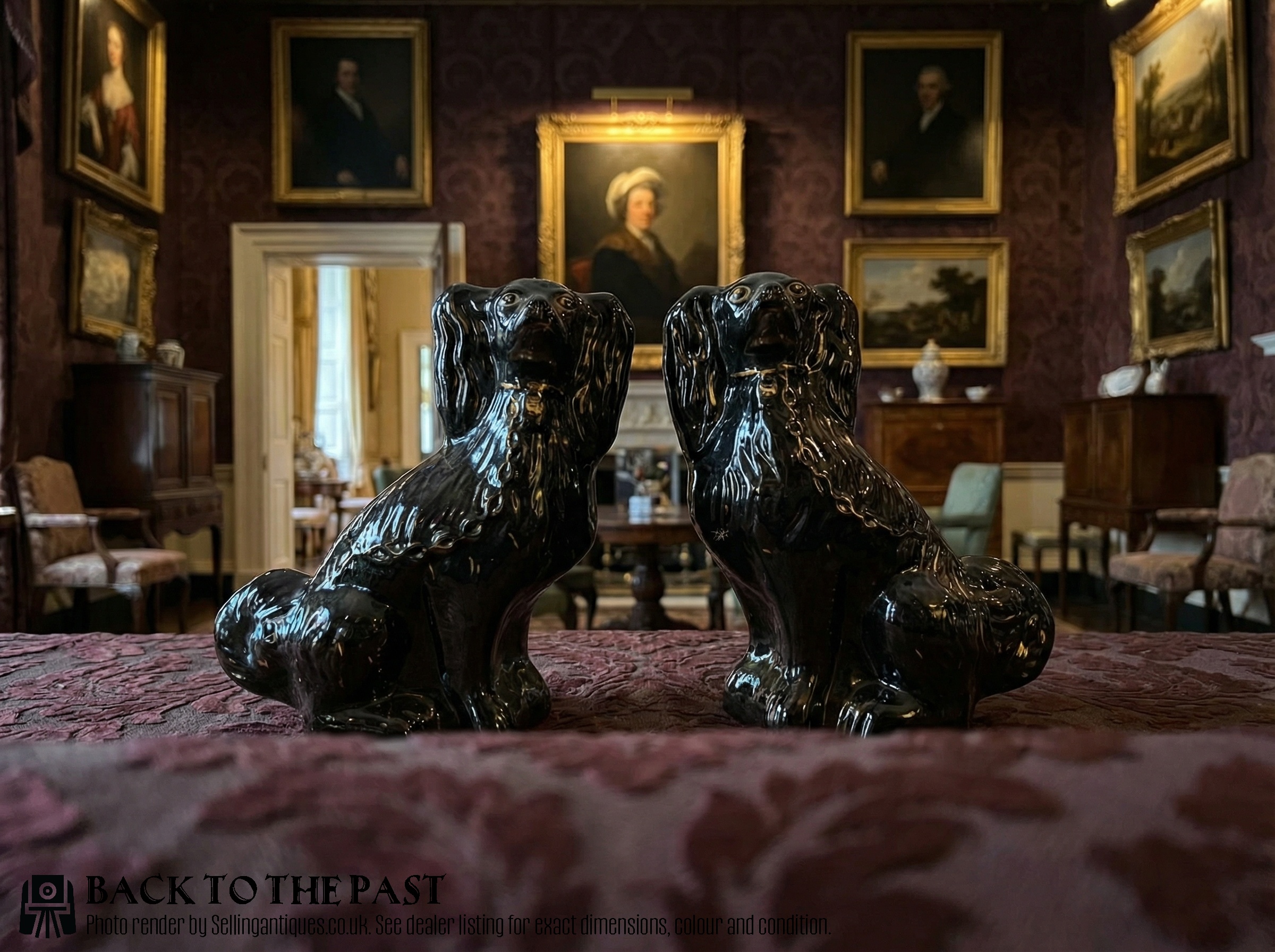
Antique ceramic dog ornaments are decorative figures modelled after faithful canine breeds, predominantly appearing here in matching pairs dating from the nineteenth century. These objects include seated Whippets and spaniels, reflecting the domestic tastes of the Victorian era.
The pieces on this page span several decades of the late nineteenth century, ranging from the eighteen-sixties to the turn of the twentieth century. They are predominantly structured as decorative objects and figurines designed for display within period interiors.
How they were made
Details are frequently elevated with the application of gold leaf, gold paint, or gilt highlights to collar chains and lockets. This combination of glaze and metallic detailing defines the visual finish of the Victorian pieces.
Retail Price Guide 2026
Typical UK retail prices for ceramic dog ornaments, calculated from the Sellingantiques database of over a million retail prices indexed since 2003. This retail price guide relies exclusively on Sellingantiques data; no external sources or auction records are used, so the figures do not describe the wider market.
The material record for these ornaments consists entirely of earthenware, glaze, enamel paint, gold leaf, and gilt.
What varies in quality
Quality in these ornaments rests upon the precision of the hand-painting and the crispness of the moulded form, separating robust artisan work from simpler output. The finesse applied to facial expressions and the neatness of the gilt or gold leaf detailing distinguish finer examples.
The presence of a matched pair rather than a single survivor elevates the integrity of the grouping. Consistency in the glaze application across both figures indicates careful studio production during the Victorian period.
The Antique Ceramic Dog Ornaments Glossary
- Earthenware
- A porous pottery body fired at lower temperatures, commonly used for nineteenth-century figures before being glazed. It forms the core material of these canine ornaments.
- Gilt
- A thin layer of gold or gold paint applied to surface details such as collars and chains. This technique brightens the ceramic surface.
- Enamel paint
- A hard, glossy paint used to add coloured details over the glaze. It provides durable contrast for eyes, noses, and markings.
- Figurine
- A small modelled statuette representing a human or animal form. These decorative objects are intended strictly for display.
Frequently Asked Questions
What breeds do these ceramic dogs represent?
The available listings feature Staffordshire spaniels and seated Whippet dogs. These breeds reflect popular household pets of the Victorian era.
Such animals were frequently modelled in pairs to sit symmetrically on either side of a fireplace or on a mantelpiece.
How old are these ceramic dog ornaments?
The pieces originate from the nineteenth century, with specific dates spanning from eighteen-sixty to nineteen-hundred. This places them firmly within the Victorian period.
Production techniques and stylistic traits align with the broader decorative arts of this era.
Are these ceramic dogs sold as pairs?
Many examples on this page are matched pairs rather than individual figures. Pairs were originally intended to create a balanced display on household furniture.
Checking the listings will confirm whether a specific set includes two corresponding animals.