


Antique Ceramic Cheese Dome
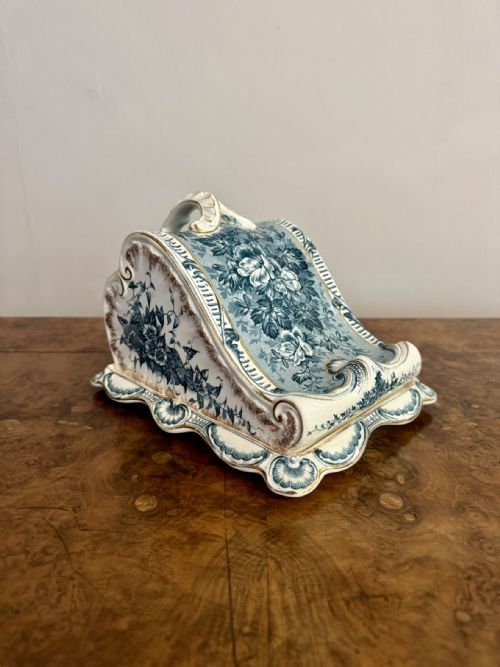
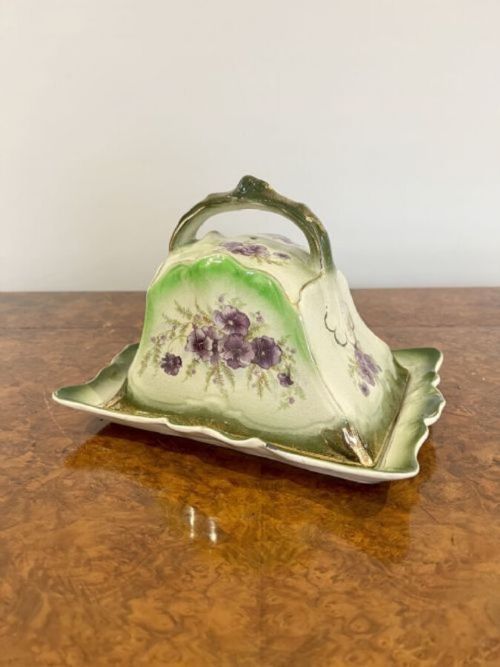
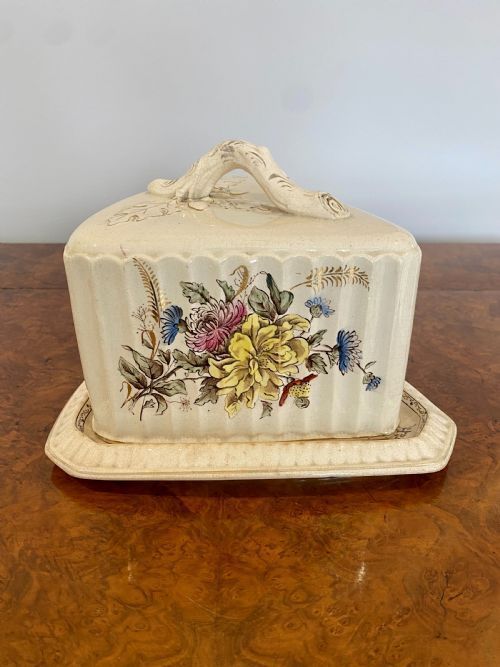
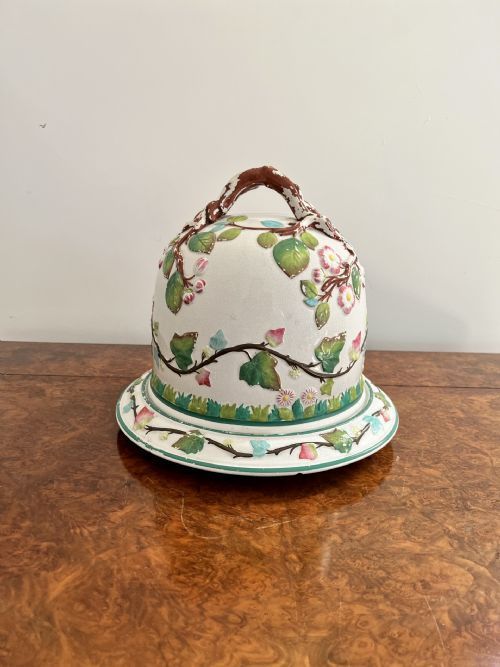
These antique ceramic cheese dome pieces are practical table covers designed to keep cheese fresh, combining utility with decorative Victorian ceramic art.
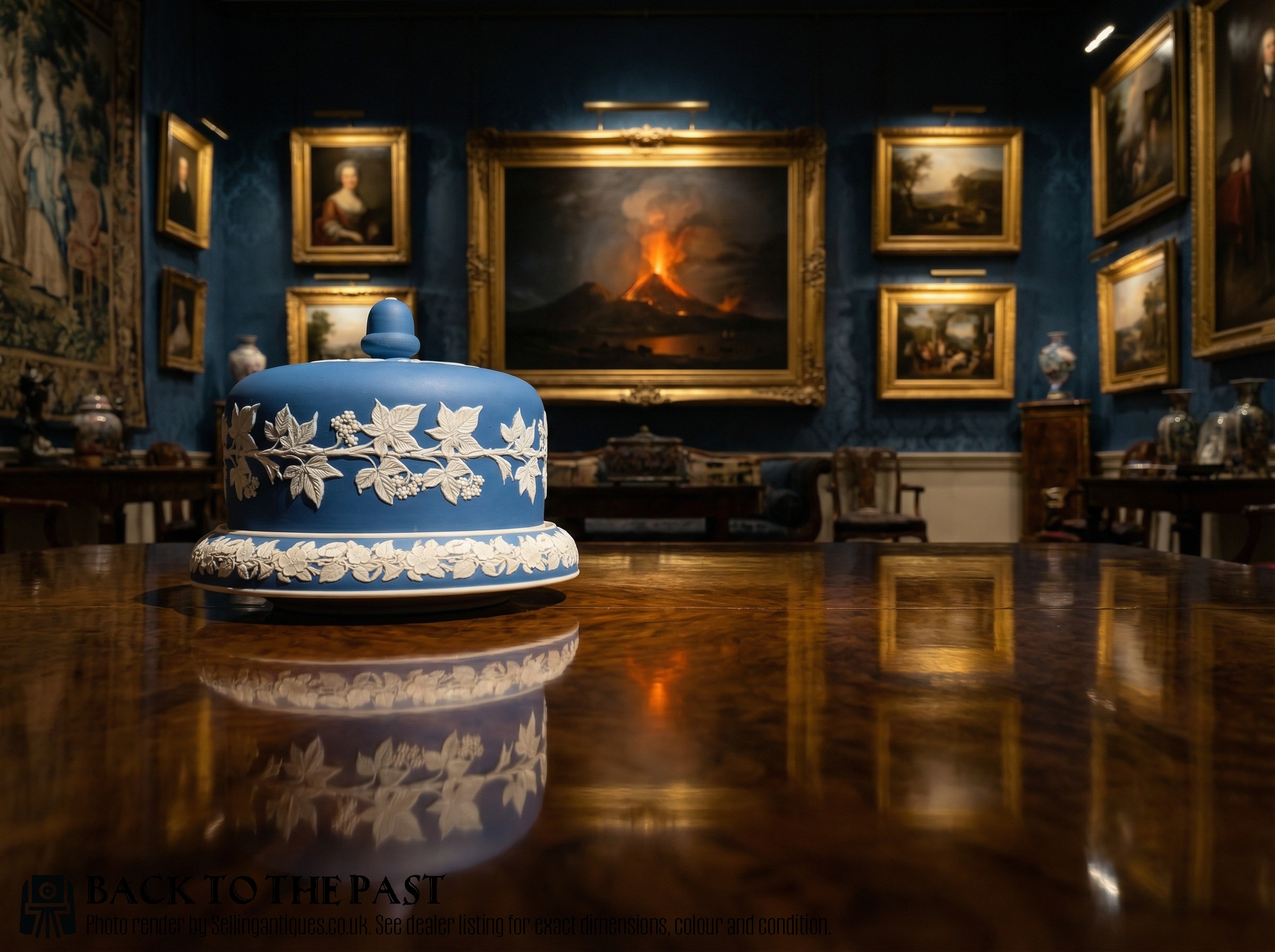
Antique Ceramic Cheese Dome
When searching for an antique ceramic cheese dome, a buyer encounters substantial serving vessels designed to cover and preserve cheese on the dining table. These items typically comprise a fitted domed cover paired with a matching base stand.
The versions most commonly met on this page originate from the Victorian period, spanning the nineteenth century up to nineteen hundred. Examples take the form of cheese dishes, cheese bells, and tall Stilton covers intended for large communal gatherings.
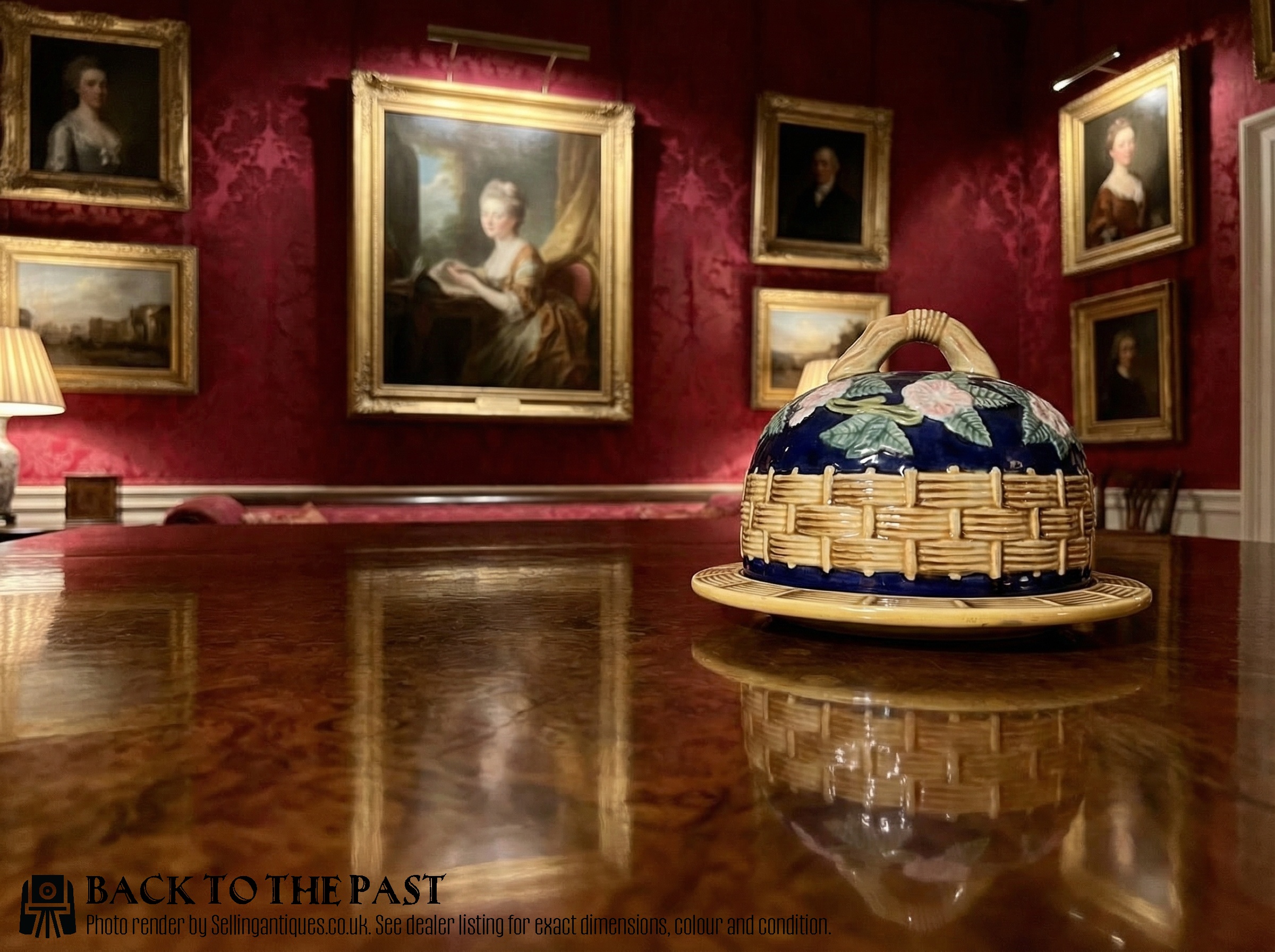
Materials and construction
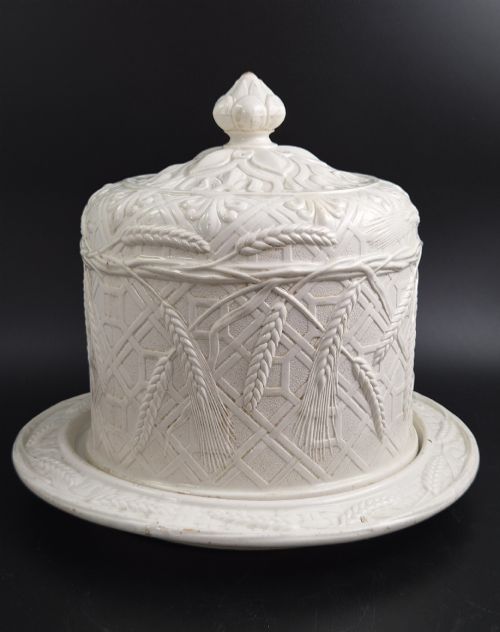
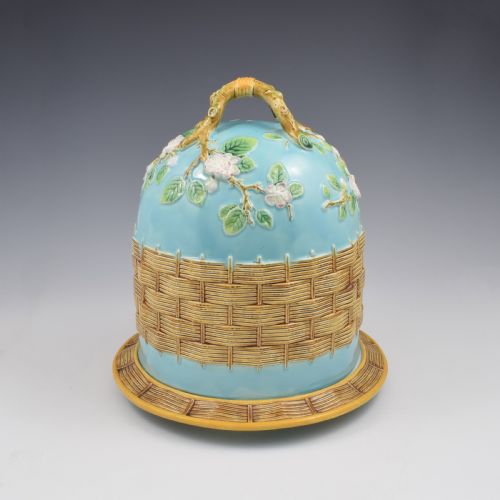
Potters utilised earthenware, ironstone, and stoneware as foundational bodies, shaping them into large domed covers and circular trays. Many pieces received thick lead glazes or coloured majolica enamels to provide a glossy, impermeable surface suitable for food storage.
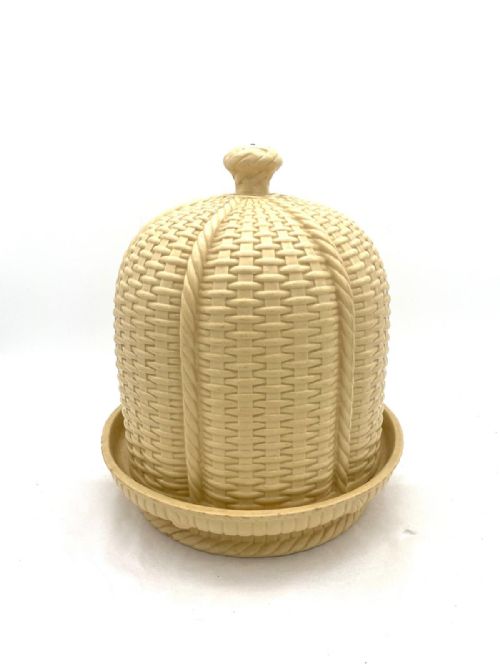
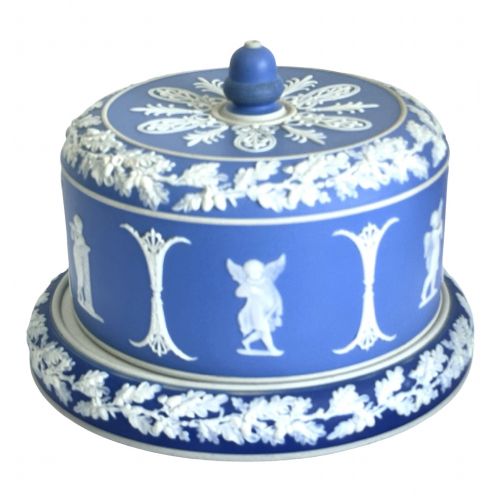
Moulding techniques allowed makers to produce intricate low relief decorations such as basket weave, wheat and lattice patterns, or apple blossom motifs directly into the ceramic body. Certain factories applied contrasting sprigged reliefs in the manner of jasperware to decorate the curved exterior walls.
Antique Ceramic Cheese Dome Retail Price Guide 2026
Typical asking prices for ceramic cheese dome among the pieces listed under this phrase on Sellingantiques today, from the lower quarter to the upper quarter. They describe what is for sale here now, not the wider market.
Listings feature nineteenth century earthenware and ironstone, spanning Victorian styles from plain white utility wares to colourful majolica and jasperware.
Variations in quality
Superior examples display crispness in moulded surface details such as basket weaves and botanical motifs, whereas lower tiers show softer, blurred relief lines from worn production moulds. The depth and vibrancy of coloured majolica glazes also separate standard factory output from finer artistic works.
The presence of a matching original stand adds significantly to the integrity of a piece, as many covers survived decades of domestic use separated from their base plates. Clean glaze application without excessive firing blemishes marks the higher end of the range.
George Jones·Wedgwood·James Dudson·Copeland·Masons
The Antique Ceramic Cheese Dome Glossary
- Cheese dome
- A domed ceramic cover designed to fit over a base plate to keep cheese moist and contain odours. These covers often feature a top knob or handle for lifting.
- Ironstone
- A dense, durable type of earthenware patented in the nineteenth century for heavy domestic utility. It provided a strong white body well suited to large serving dishes.
- Majolica
- A colourful Victorian lead-glazed earthenware noted for rich green, brown, and purple tones. This technique created glossy, highly textured surfaces imitating natural forms.
- Jasperware
- A fine-grained unglazed stoneware developed with contrasting applied white ceramic reliefs. It appears frequently on nineteenth century decorative tablewares.
- Stilton dome
- A tall cylindrical cheese cover specifically proportioned to house large format British cheeses. These tall vessels often accommodate blue cheeses requiring enclosed storage.
Antique Ceramic Cheese Dome: Frequently Asked Questions
What was a cheese dome used for?
Victorian households utilised these ceramic covers to protect cheese from dust and drying out between meals. They sat on the dining table or sideboard as both a practical food store and a decorative centrepiece.
During breakfast and dinner services, guests lifted the dome to serve themselves directly from the board. The heavy ceramic helped maintain a stable interior environment for the cheese.
How do I date a Victorian cheese dish?
Dating relies on observing registration marks, material types, and stylistic indicators recorded across nineteenth century production. Ironstone bodies and majolica glazes point predominantly to the Victorian era between eighteen sixty and nineteen hundred.
Comparing decorative motifs such as basket weave or pagoda patterns against known factory periods helps narrow the decade of manufacture. Unmarked pieces are usually attributed through stylistic comparison with documented maker examples.
Can I still use an antique cheese dome?
These ceramic covers remain functional for storing hard cheeses at room temperature today. Their original purpose as protective food covers translates directly to modern kitchen use.
Care must be taken with historic majolica and ironstone glazes during cleaning to preserve the antique finish. Hand washing protects the ceramic body from thermal shock and modern detergent damage.
Why do some domes have matching stands?
Many nineteenth century sets included an integrated base plate to catch crumbs and keep the table surface clean. The matching stand often shares the same moulded relief pattern or glaze colour as the dome.
Finding a dome with its original matching stand is less common due to accidental breakages over the decades. Complete sets are valued for maintaining their original factory pairing.