


Antique Ceramic Character Jug
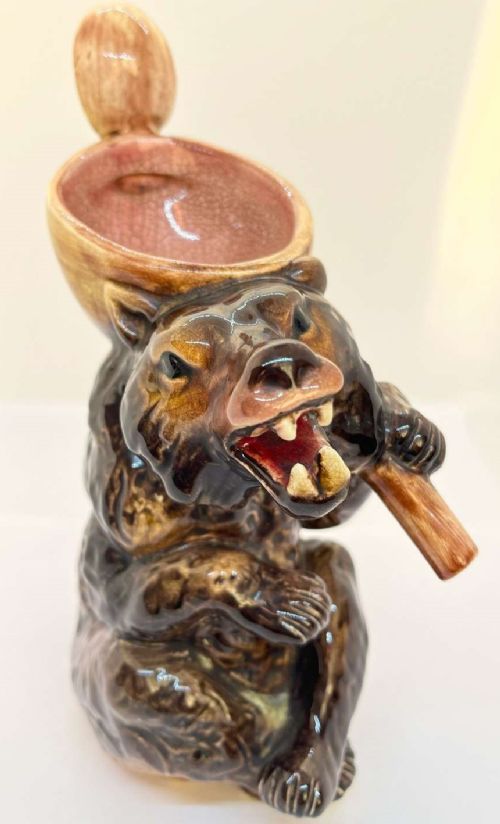
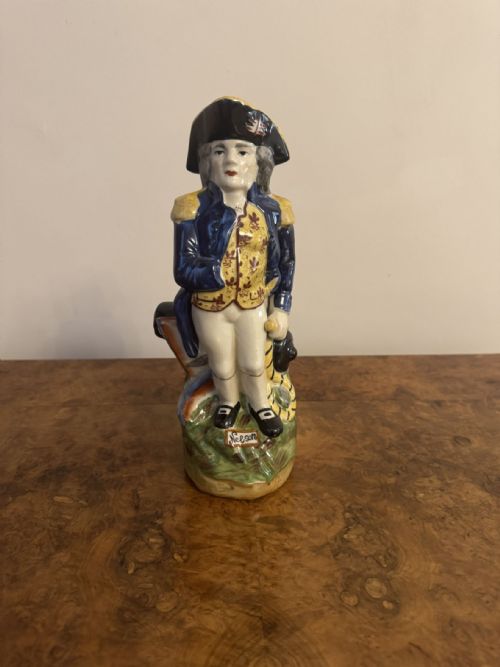
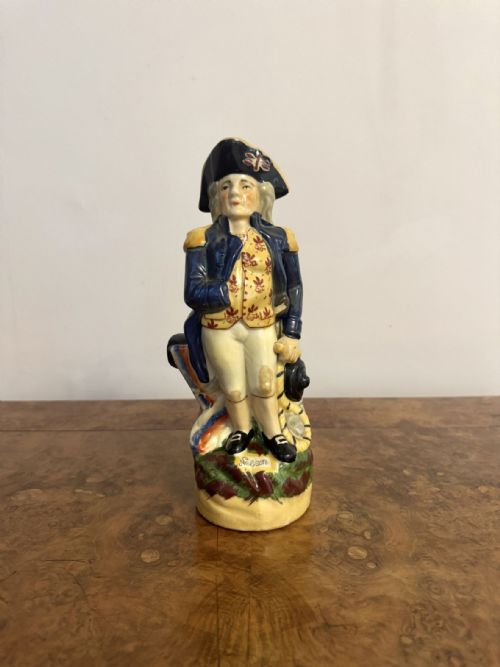
An antique ceramic character jug brings personality to a shelf, taking the form of historic figures, animals, and rustic characters.

Antique Ceramic Character Jug
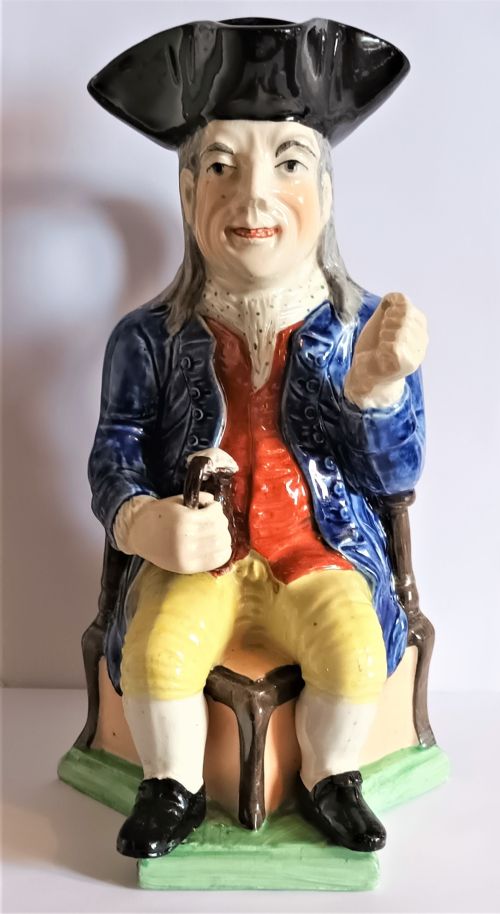
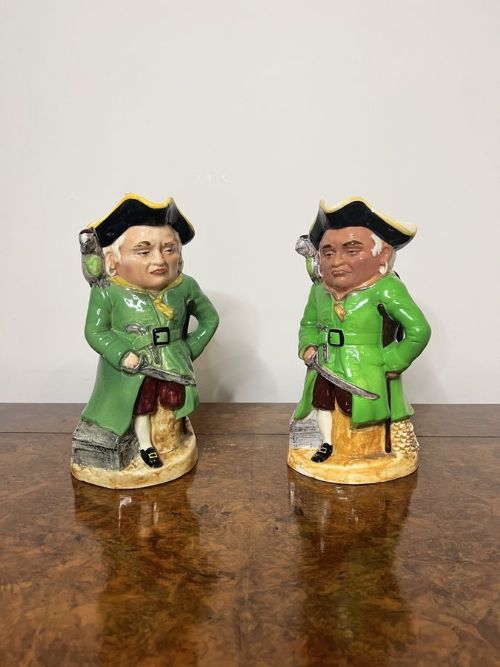
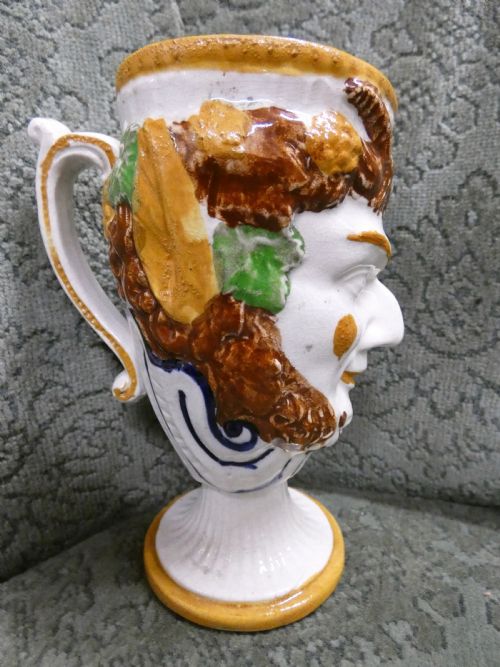
An antique ceramic character jug depicts human figures, historical personages, or animals modelled in three dimensions to serve as functional vessels or decorative displays. These pieces include traditional Toby jugs, character jugs, decorative jugs, mugs, and pitchers that embody centuries of pottery traditions.
The versions most likely to be met on this page belong to the Victorian era and the nineteenth century, alongside Georgian examples and Staffordshire pottery pieces. Common subjects range from Admiral Lord Nelson and Lord Kitchener to fictional or allegorical figures such as Mr Snuff, the Squire, and Bacchus.
Makers utilised various regional styles, spanning English pottery, Victorian Staffordshire, Dutch Delftware, Victorian Majolica, and Derby porcelain. These objects capture the cultural and historical interests of their respective periods through distinct sculptural forms.
How they were made
Potters constructed these vessels primarily from earthenware, ceramic, and porcelain, shaping them through moulding and hand-modelling techniques. Workshops then applied glazes, lead glaze, or enamel paint to achieve durable surfaces and coloured finishes.
Antique Ceramic Character Jug Retail Price Guide 2026
Typical asking prices for ceramic character jug among the pieces listed under this phrase on Sellingantiques today, from the lower quarter to the upper quarter. They describe what is for sale here now, not the wider market.
Listings feature earthenware, porcelain, and ceramic materials shaped into Toby jugs, character jugs, and frog mugs from the Georgian and Victorian periods.
What varies in quality
The application of glaze and enamel colouration also marks a distinction in quality. Vibrant, carefully controlled polychrome decoration and even lead glazes elevate a piece above flat or carelessly brushed finishes.
Holdcroft·Duesbury & Kean·Stevenson & Hancock
The Antique Ceramic Character Jug Glossary
- Toby Jug
- A pottery jug modelled in the shape of a seated, stout person, usually wearing eighteenth-century attire and a tricorn hat. This form serves as the primary archetype for character jugs.
- Earthenware
- A porous pottery body fired at lower temperatures, requiring a glaze to render it waterproof. It provides the heavy base for the majority of Staffordshire figures.
- Lead Glaze
- A glossy coating containing lead oxide applied to pottery before firing. It gives earthenware a smooth, shiny finish that deepens the appearance of underlying colours.
- Staffordshire Pottery
- Ceramics produced in the Staffordshire region of England, known for utilitarian wares and figural earthenware. This tradition produced the bulk of nineteenth-century character jugs.
- Polychrome
- Decoration utilising multiple colours painted onto the ceramic surface. Artisans apply these pigments beneath or over the glaze before the final firing.
Antique Ceramic Character Jug: Frequently Asked Questions
What is a character jug?
A character jug is a ceramic vessel modelled to represent the head or full figure of a specific person, fictional character, or animal. They combine sculpture with a functional pouring spout and handle.
Potters designed these items to serve as drinking vessels, such as beer mugs or water pitchers, as well as decorative mantel ornaments.
How do I tell a Toby jug from a character jug?
A traditional Toby jug specifically depicts a full-bodied, seated character holding a mug of beer or a pipe, typically wearing a tricorn hat. Character jugs more broadly can depict just the head and shoulders of a historical or fictional figure.
Both forms share similar earthenware and porcelain materials, but the Toby jug adheres to a strict seated template.
Were these jugs used for drinking?
Many of these vessels functioned as everyday tableware or tavern items for serving beer, ale, or water. Larger examples acted as pitchers, while smaller ones functioned as individual drinking mugs or pepperpots.
Over time, collectors transitioned them from functional pantry items to display pieces showcased on shelves and cabinets.
How do I identify a Victorian piece?
Victorian pieces often feature robust earthenware bodies, rich lead glazes, and subjects reflecting nineteenth-century popular culture, literature, or military heroes like Lord Nelson. Stafforshire potteries produced significant quantities during this era using moulded construction.
Checking the style of the clothing, the type of earthenware, and the glaze characteristics helps distinguish nineteenth-century examples from later editions.