


Antique Ceramic Animal Statues
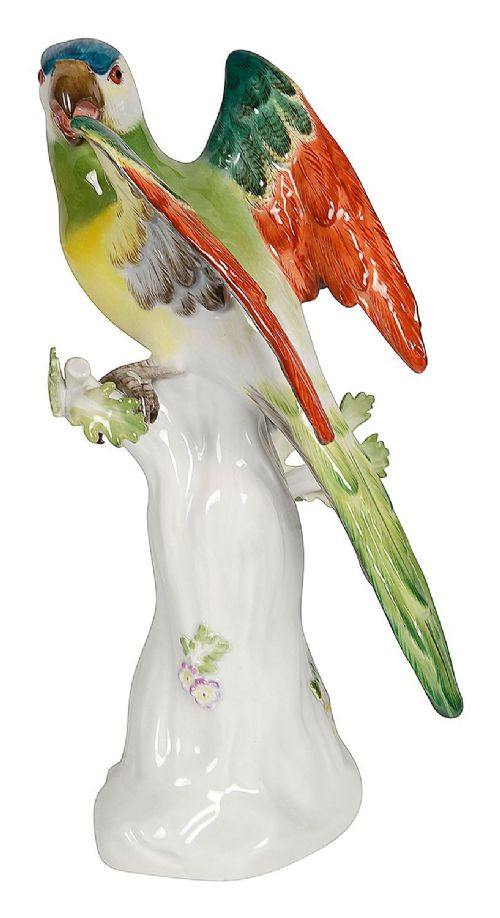
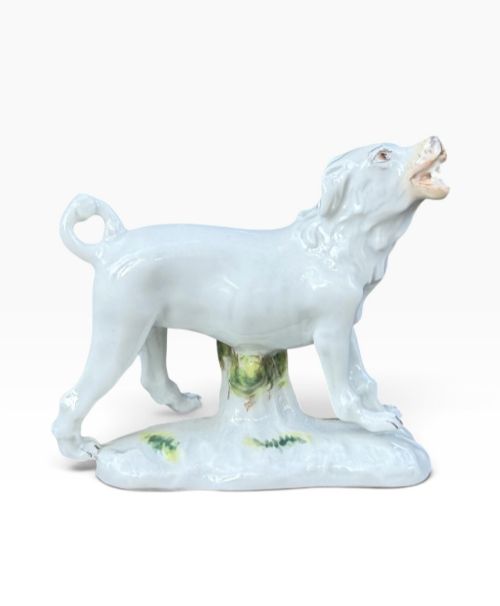
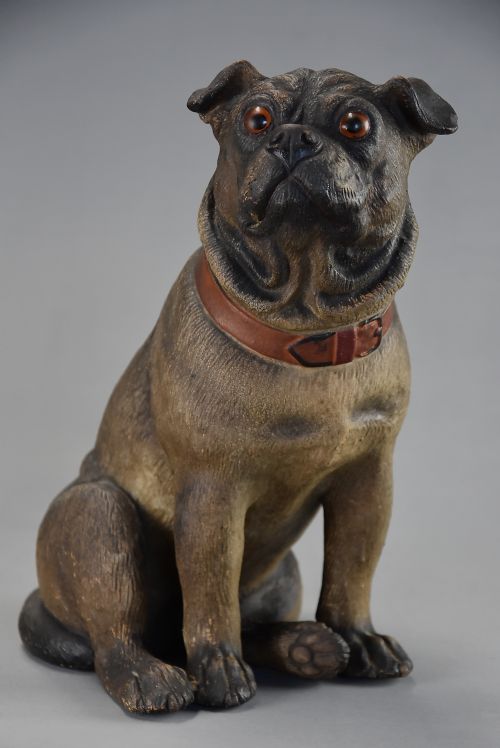
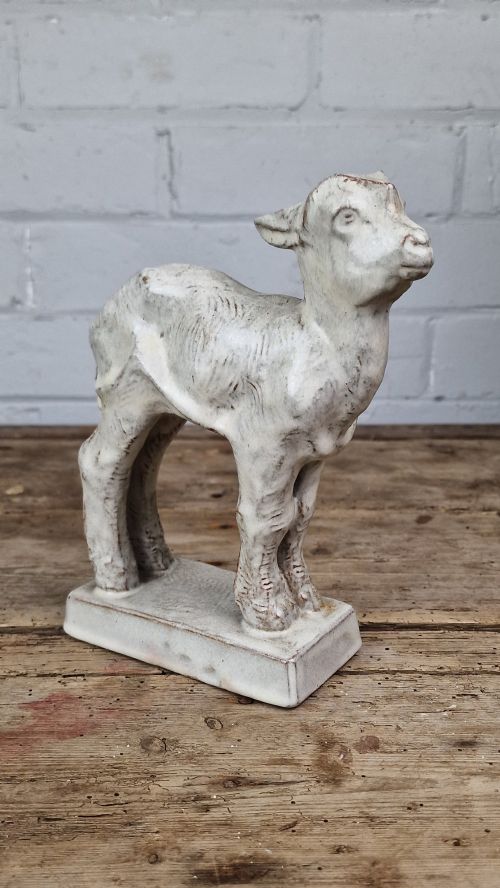
These antique ceramic animal statues bring the character of menagerie and farm into the room, cast in porcelain, earthenware, and terracotta.
Antique Ceramic Animal Statues
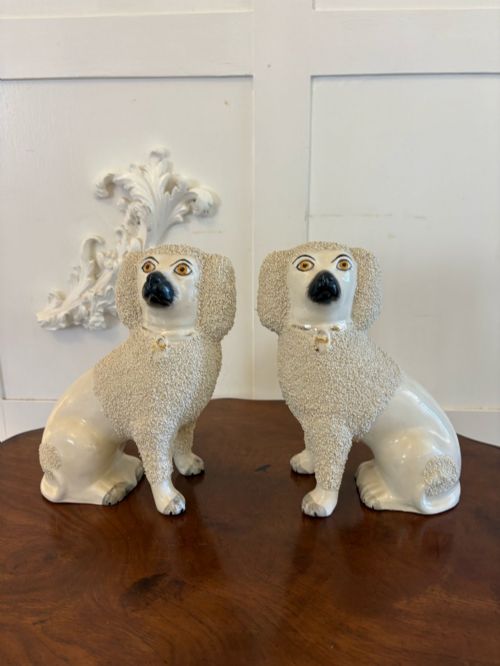
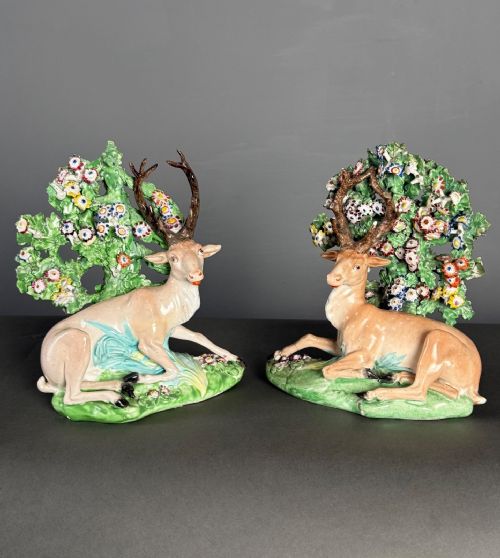
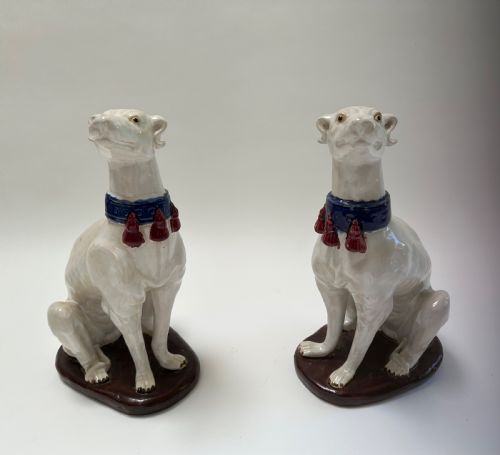
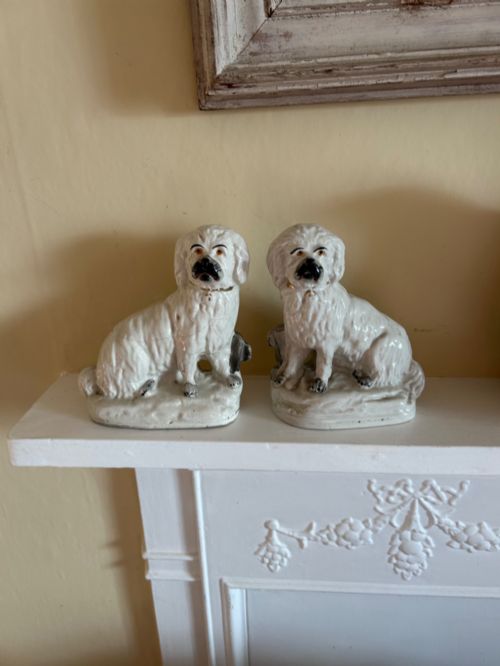
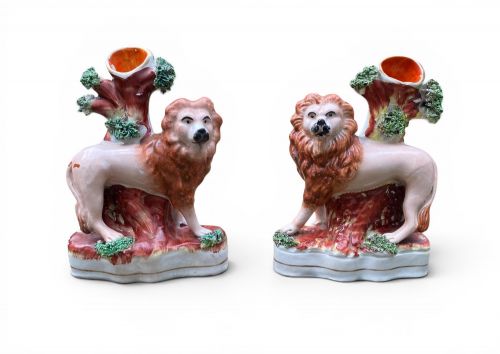
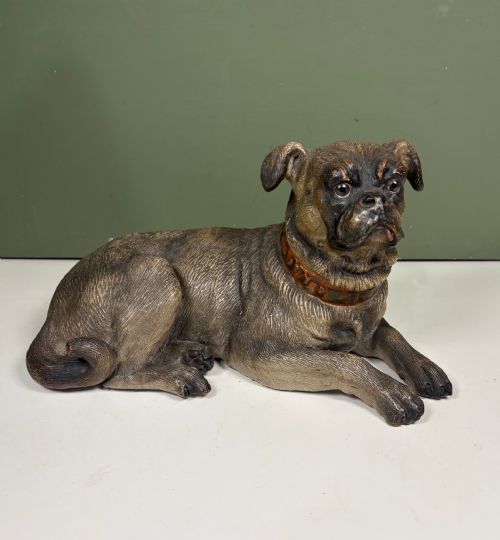
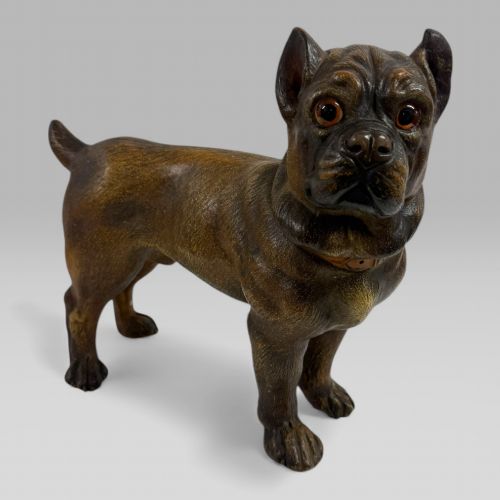
When you search for antique ceramic animal statues, you look at figures spanning domestic pets, farm animals, and exotic beasts rendered in clay and porcelain. The selection here leans heavily toward Victorian Staffordshire poodles and lions, Georgian porcelain stags and boars, and continental terracotta dogs and cats.
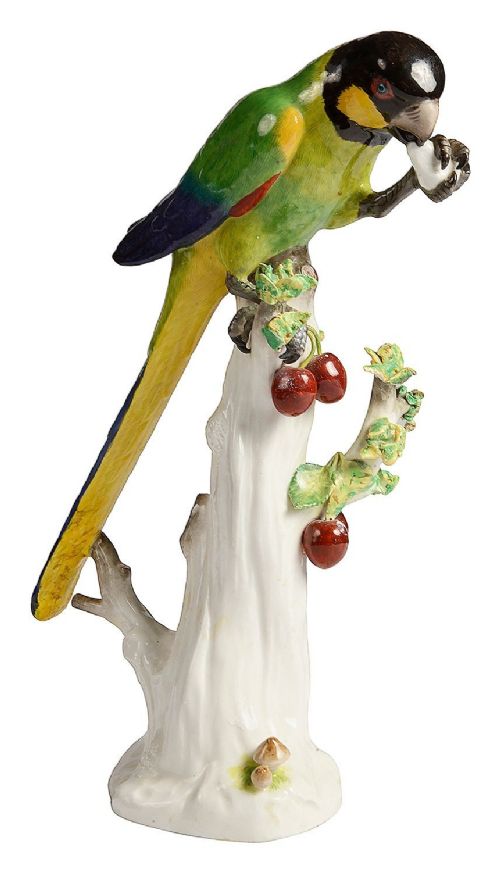
Makers shaped these objects as mantel ornaments, spill vases, and bookends, capturing everything from playful pugs to fierce mythological lions. English Staffordshire potteries and German porcelain works like Meissen dominate the offerings, alongside French and Italian terracotta studies.
Materials and construction
Potters built these pieces using earthenware, pearlware, and hard-paste porcelain, often applying rich lead glazes or enamel colours to the surface. Terracotta versions relied on modelled clay fired at lower temperatures, sometimes finished with a lustrous copper glaze or left with natural matte textures.
Many figures required intricate moulding and hand-modelling, particularly when adding fine details like glass eyes or textured fur. Artisans painted details by hand before a final glaze firing fixed the pigments permanently onto the ceramic body.
Listings feature hard-paste porcelain, earthenware, and terracotta across the eighteenth, nineteenth, and early twentieth centuries.
What separates the grades
The weight of the material and the preservation of the original glaze or enamel finish dictate the standing of a piece. Finer examples retain their original painted highlights without extensive restoration or rubbing to the surface decoration.
Meissen·Royal Dux·Nymphenburg·Guido Cacciapuoti
The Antique Ceramic Animal Statues Glossary
- Pearlware
- A fine earthenware developed in the eighteenth century featuring a subtle bluish glaze that pooled in recesses. It provided a whiter surface than traditional creamware to mimic Chinese porcelain.
- Spill vase
- A hollow vertical tube attached to a figure designed to hold wooden spills for lighting pipes and fires. These functional elements often doubled as tree trunks or structural supports behind animal figures.
- Terracotta
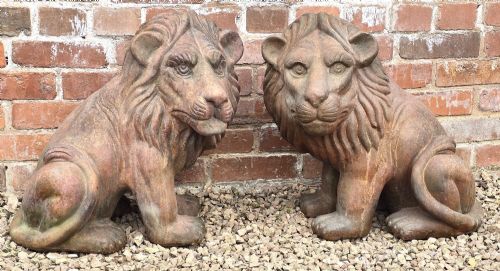
- Fired unglazed clay ranging in colour from pale buff to deep reddish-brown. Sculptors used this porous material for life-size or large-scale animal figures.
- Blanc de Chine
- A white porcelain produced in Chinese kilns, notably at Dehua, featuring a smooth milky glaze. The term translates simply from French as white from China.
- Enamel
- Opaque glass-like pigments fused to the surface of fired porcelain or pottery during a secondary kiln firing. These vibrant colours allowed makers to depict realistic coats and patterns on animals.
Antique Ceramic Animal Statues: Frequently Asked Questions
How do I clean antique ceramic animals?
Dust these figures gently with a soft dry brush to prevent dirt accumulation in crevices and painted details.
Avoid using water or chemical cleaners on antique earthenware and terracotta, as moisture can penetrate porous unglazed bodies.
Were Staffordshire pugs made in pairs?
Staffordshire pugs and spaniels frequently turn up as matched left and right facing pairs for mantelpiece display.
Potters cast them facing one another to anchor the ends of a fireplace or shelf symmetrically.
How do I spot a reproduction?
Examine the base for signs of age, kiln marks, and the nature of the crazing within the glaze.
Modern copies often lack the hand-painted depth and crisp modelled detail found in nineteenth-century earthenware and porcelain.