


Antique Ceramic Animal Ornament
These antique ceramic animal ornaments range from earthenware poodles to porcelain stags, capturing centuries of domestic and exotic creatures in clay and glaze.
Antique Ceramic Animal Ornament
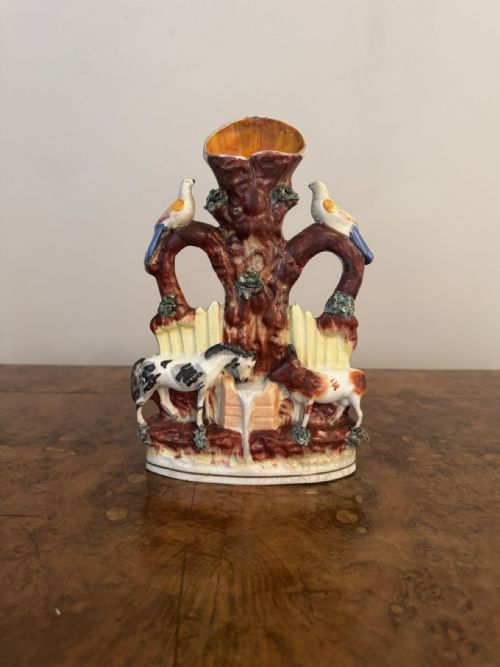
An antique ceramic animal ornament is a sculptural figure rendered in earthenware, stoneware, or porcelain, often shaped as dogs, lions, stags, and birds. These figures functioned as mantel ornaments, spill vases for matches, or simply decorative objects in homes across Europe and Asia.
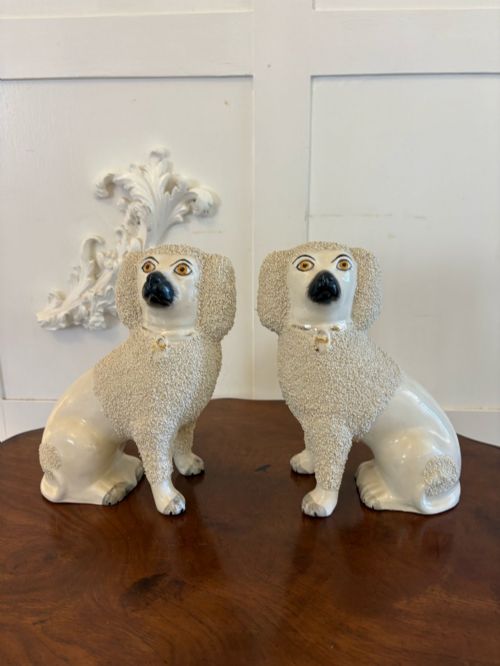
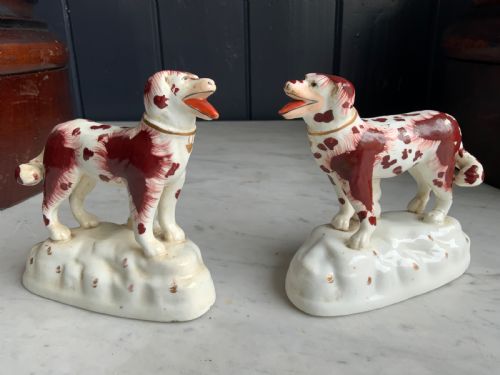
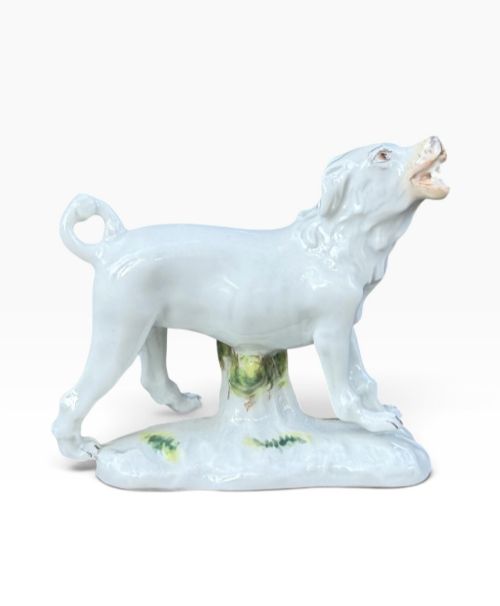
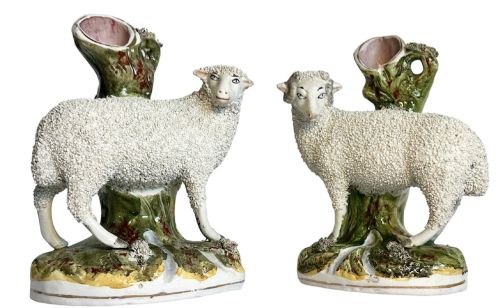
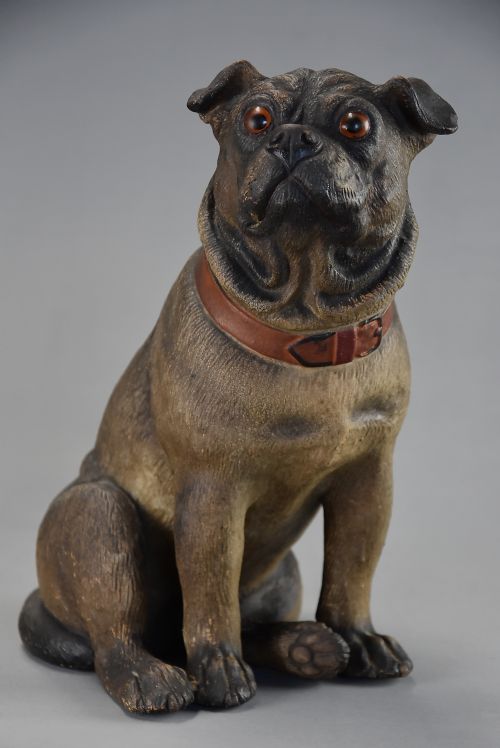
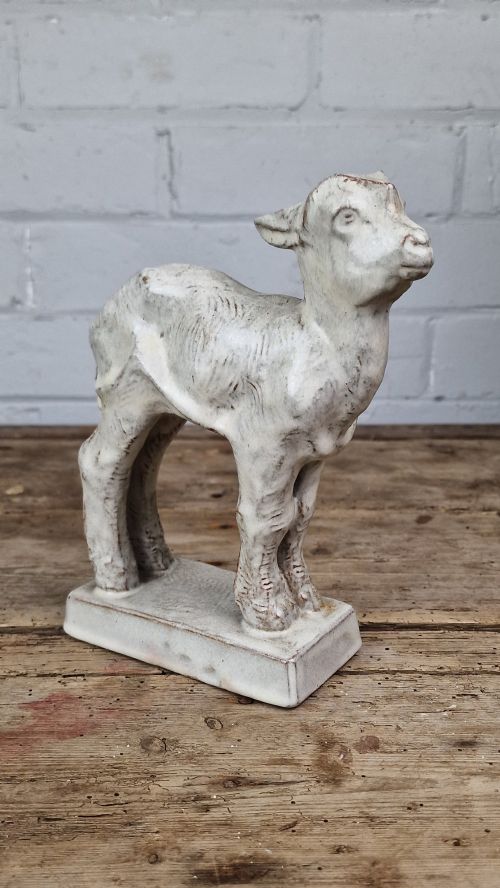
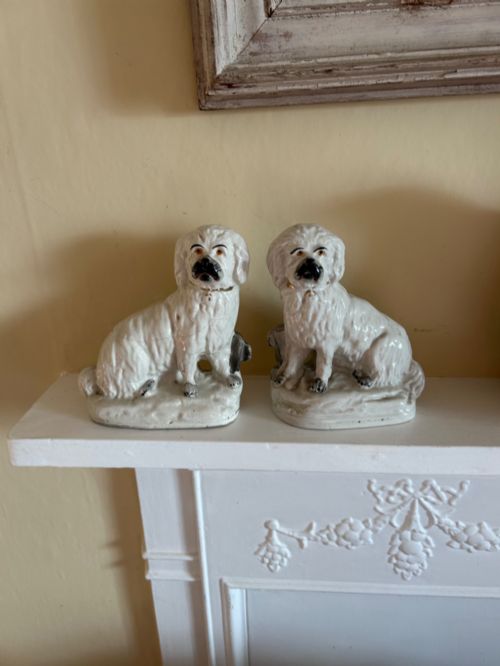
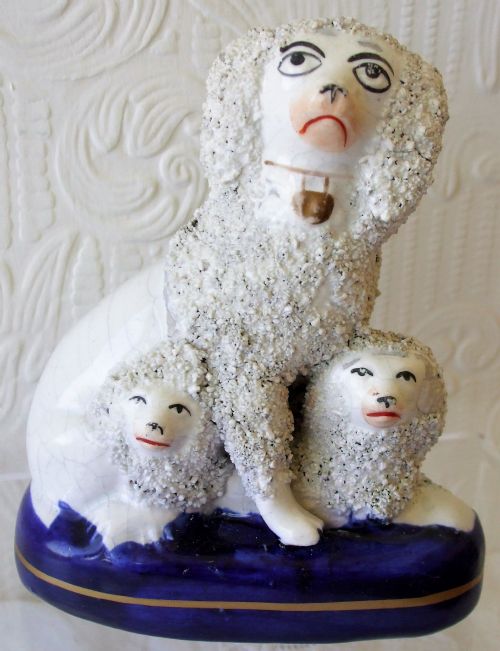
The Victorian Staffordshire dog dominates the selection on this page, alongside earlier Georgian porcelain figures and continental European animal sculptures. Buyers encounter pairs of poodles, lions, and sheep alongside single parrots, pugs, and cats modelled with varying degrees of naturalism.
How they were made
Potters shaped these figures using slip-casting, press-moulding, or hand-modelling in terracotta, earthenware, and porcelain pastes. Earthenware examples typically received a tin or lead glaze, sometimes enriched with enamel colours or copper lustre.
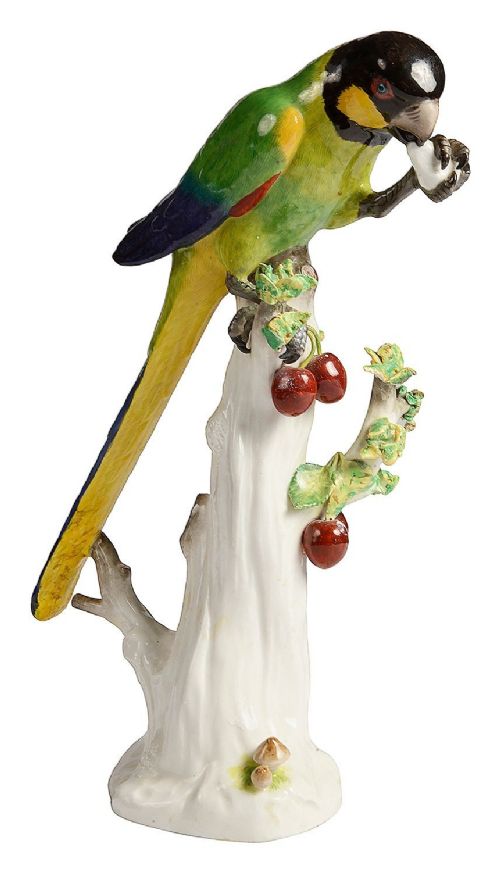
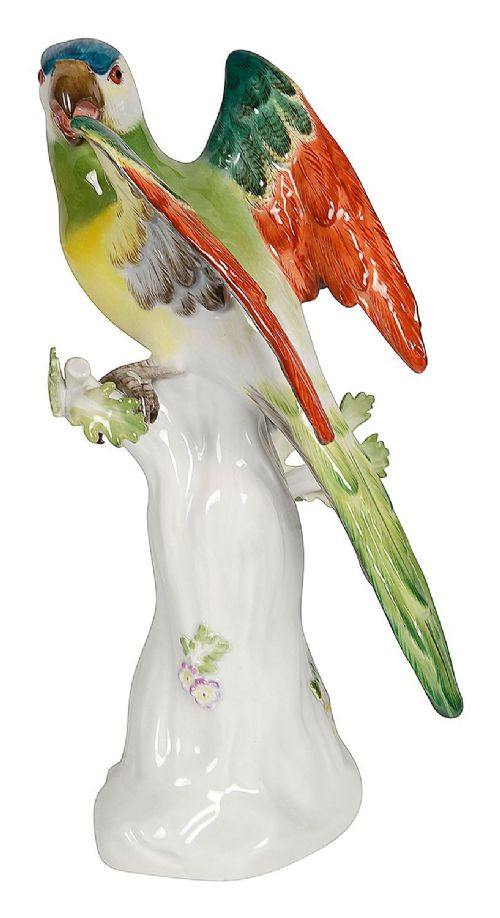
Porcelain figures required high-temperature firing in kilns, followed by delicate overglaze enamel painting and gilding. Terracotta pieces often relied on surface texture and slip finishes rather than glossy transparent glazes to define the animal forms.
Some cats gaze out through actual glass eyes inserted into their ceramic skulls.
What varies in quality
Quality rests primarily in the sharpness of the modelling and the sensitivity of the hand-painting. Better figures display crisp fur texture, realistic anatomical proportions, and cleanly applied enamels that do not blur or pool excessively.
Nymphenburg·Meissen·Royal Dux·Rosenthal
The Antique Ceramic Animal Ornament Glossary
- Earthenware
- A porous pottery body fired at lower temperatures, requiring a glaze to achieve impermeability to liquids.
- Porcelain
- A vitrified ceramic material made from kaolin and petuntse, fired at high temperatures to produce a hard, white, translucent body.
- Spill vase
- A hollow vertical tube attached to a figure, designed to hold wooden spills used for lighting candles or pipes.
- Bocage
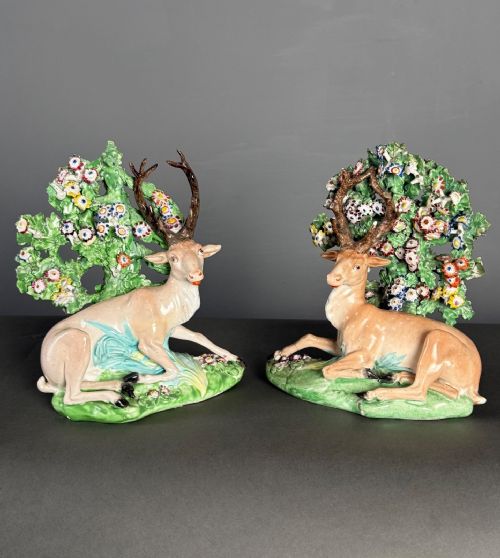
- An applied background of leaves, branches, and flowers made from porcelain or clay, commonly found behind 18th-century figures.
- Terracotta
- Unglazed or slip-coated fired reddish-brown clay, valued for its warm earthy tones and suitability for detailed sculptural modelling.
Antique Ceramic Animal Ornament: Frequently Asked Questions
What is a spill vase figure?
A spill vase figure incorporates a cylindrical holder beside or behind the main animal sculpture. These objects served a practical household purpose on mantelpieces before the invention of safety matches.
Collectors prize these dual-purpose pieces for their domestic utility and charm. The vase portion should match the glaze and wear pattern of the animal figure beside it.
How do porcelain and earthenware differ?
Porcelain is fired at high temperatures until vitrified, resulting in a hard, non-porous, and sometimes translucent body. Earthenware is softer, fired at lower temperatures, and requires a glaze to seal the porous clay underneath.
Older earthenware figures often show crazing in the glaze as the piece ages. Porcelain maintains a smoother, glassier surface over centuries.
Are these figures glazed by hand?
Most antique ceramic animals received hand-applied lead glazes, tin glazes, or overglaze enamel painting. Artisans brushed or dipped the pieces before placing them into the kiln for firing.
Variations in brushstrokes and glaze thickness indicate individual hand craftsmanship. This variation separates antique production from mass-manufactured modern ceramics.