
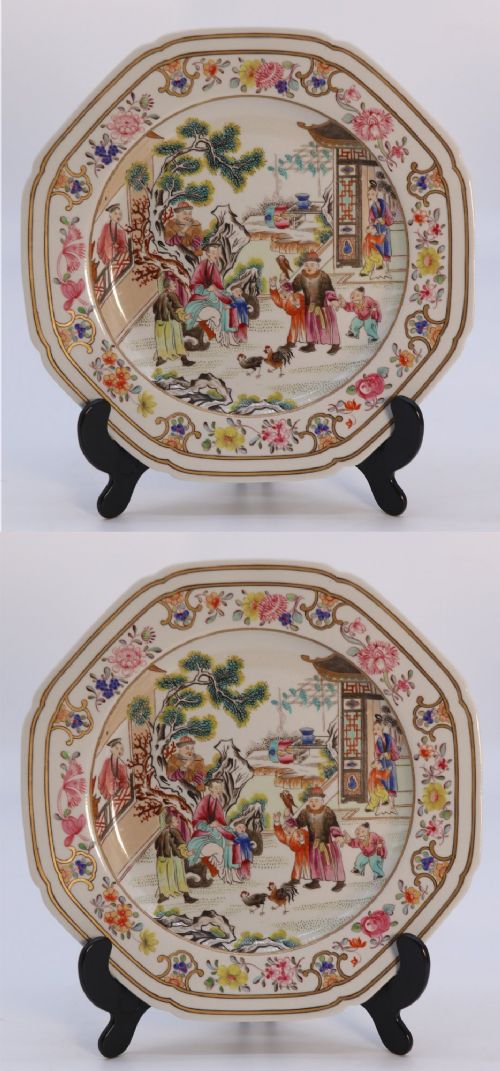
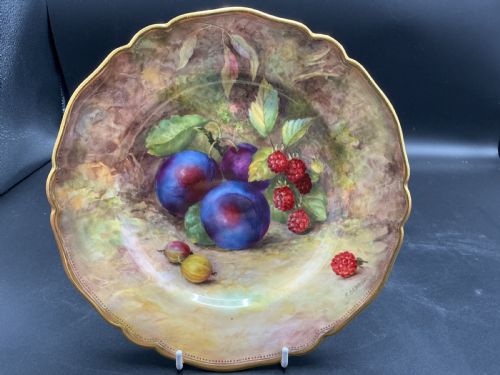
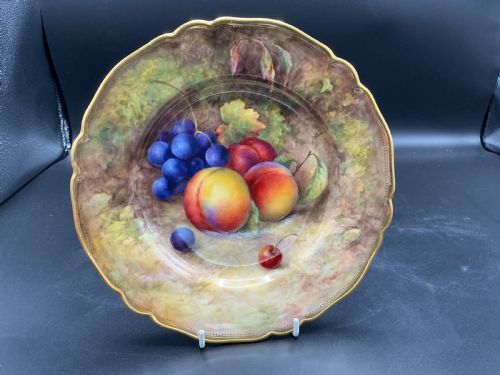
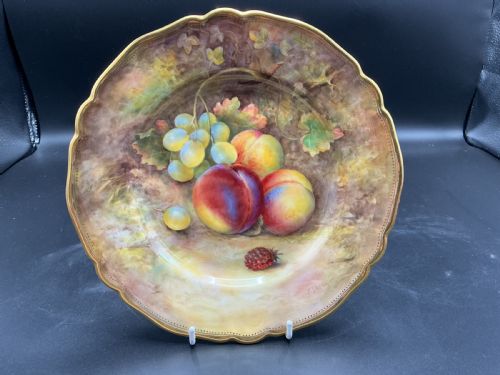
Antique Cabinet Display Plate
An antique cabinet display plate transforms plain walls or sideboards into galleries of fine porcelain and ceramic artistry.
Antique Cabinet Display Plate
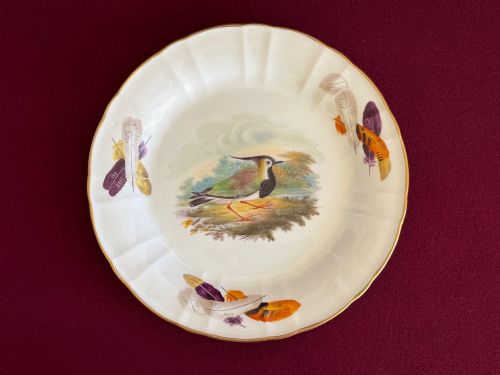
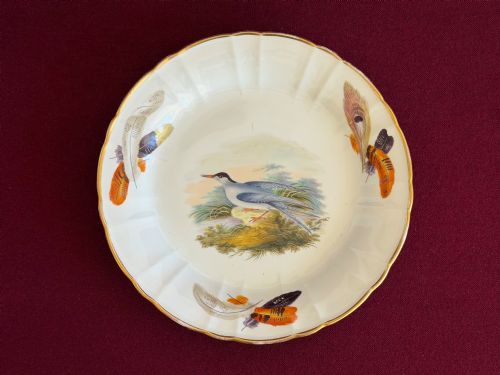
An antique cabinet display plate is a decorative ceramic piece intended primarily for visual exhibition rather than everyday dining. When you search for this phrase, you encounter finely painted porcelain, bone china, and stone china items from the eighteenth, nineteenth, and twentieth centuries. These pieces originate from notable factories and periods spanning the Georgian, Victorian, and Edwardian eras, often featuring hand-painted botanical, ornithological, or figural scenes.
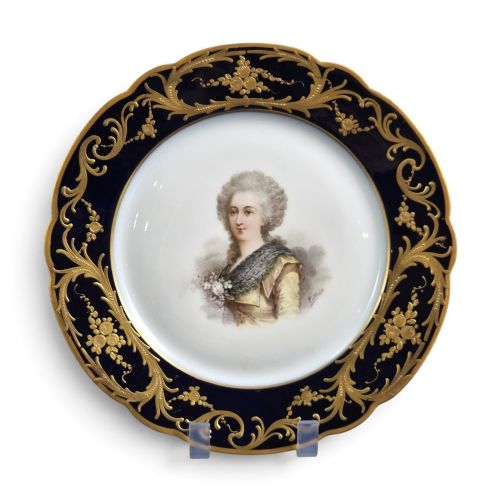
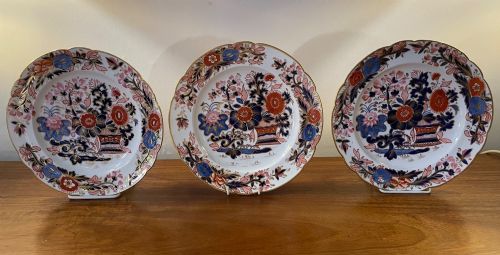
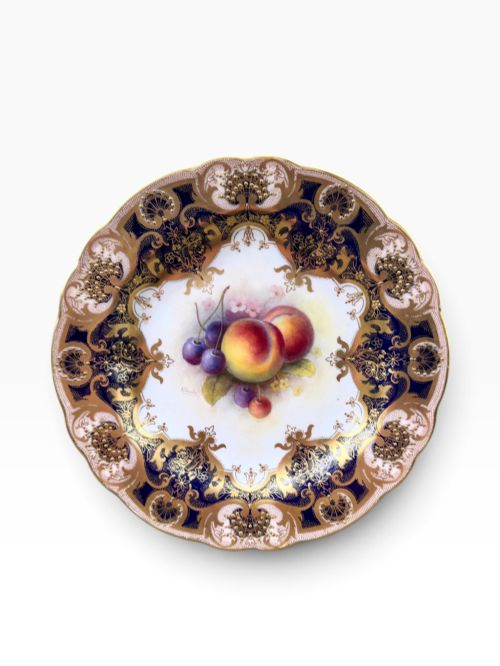
The versions most common on this page are porcelain and bone china plates from Victorian and Edwardian manufacturers, alongside mid-nineteenth-century factory wares. Many examples display rich gilding, enamel details, or cobalt grounds designed to catch the light within a cabinet or on a dresser rack. Makers ranging from Royal Worcester to Spode dominate the selection, bringing detailed artistry to a domestic format.
Materials and technique
Potters shaped these cabinet pieces using high-fired porcelain, bone china, or ironstone, creating sturdy yet refined surfaces capable of holding complex mineral pigments and heavy gilding. Artisans applied hand-painted motifs directly onto the ceramic body before glazing and firing, ensuring the longevity of delicate subjects like birds, fruit, and flowers.
Many items incorporate raised gold leaf, enamel highlights, and printed or painted borders that required multiple kiln firings to achieve their distinct sheen. Factories utilised specialised artists for central pictorial panels, signing or marking the reverse to denote individual authorship and factory origin.
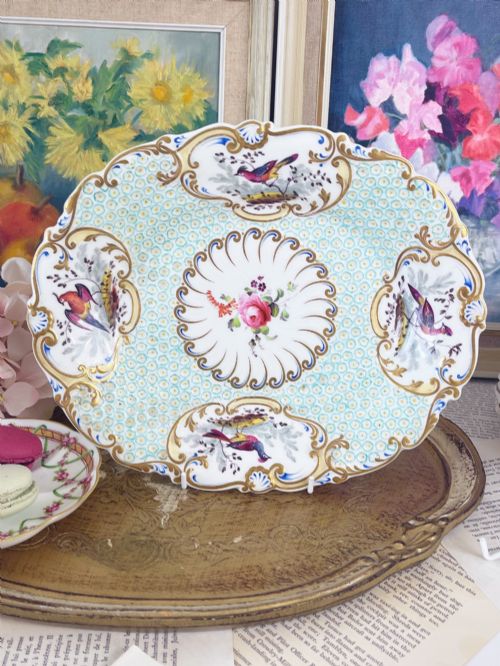
Ornithological and botanical hand-painted motifs dominate the nineteenth-century ceramic plates on this page.
Judging the range
Quality in these display items rests largely on the skill of the artist and the crispness of the porcelain body. Hand-painted panels executed by recognised factory artists command greater attention than simple transfer-printed designs, exhibiting subtle shading and precise brushwork.
The application of gilding and enamel also dictates the grade of the piece, with heavily burnished gold leaf and complex moulded or pierced borders marking out superior examples from standard factory output.
Royal Crown Derby·H & R Daniel·Wedgwood·Bow Porcelain·Royal Worcester·Spode·Meissen·Minton·Edmé Samson & Cie·Royal Doulton·Copeland Pottery
The Antique Cabinet Display Plate Glossary
- Bone china
- A type of porcelain containing bone ash, noted for its high strength, opacity, and milky white appearance. This material allowed makers to produce thinner, more refined plates.
- Cabinet plate
- A decorative ceramic dish created for visual display inside a cabinet rather than functional use at the table. These pieces usually feature elaborate painted scenes or gilt borders.
- Gilding
- The application of gold leaf or gold paint to the rim and borders of a ceramic piece. Burnished gilding reflects light effectively in display settings.
- Imari palette
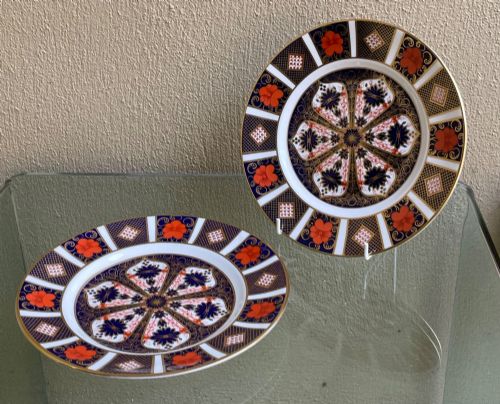
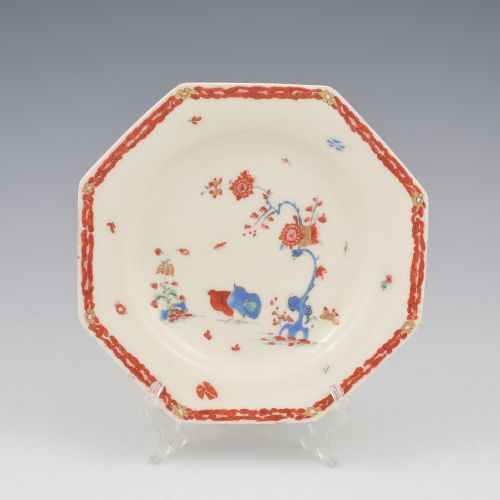
- A decorative colour scheme featuring underglaze cobalt blue, iron red, and gold, inspired by Japanese export porcelains. English factories frequently adopted this palette during the eighteenth and nineteenth centuries.
- Ironstone
- A heavy, durable ceramic invented in the nineteenth century as a robust alternative to porcelain. It takes enamel colours and transfers with great clarity.
Antique Cabinet Display Plate: Frequently Asked Questions
How were cabinet plates displayed originally?
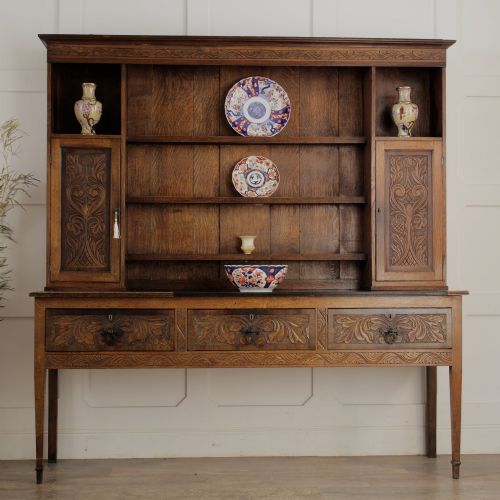
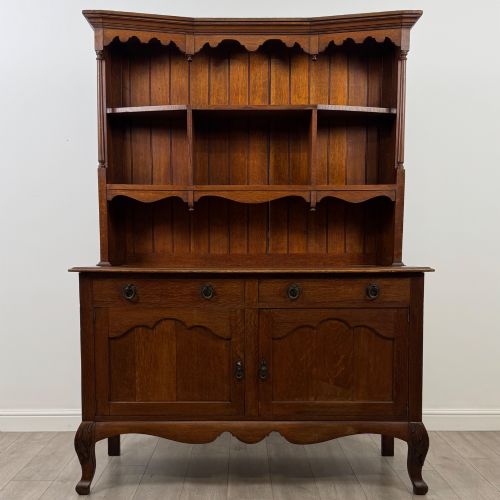
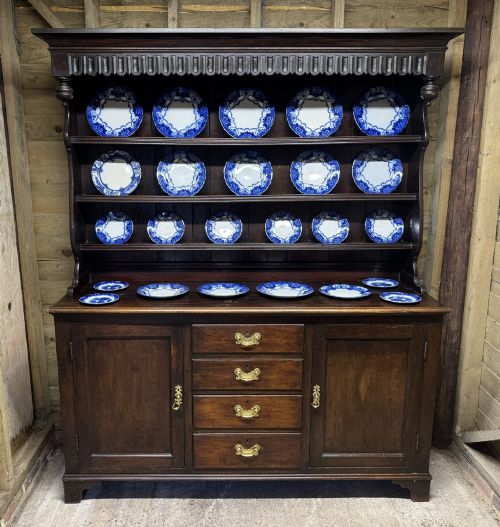
Owners placed these decorative items in glazed display cabinets, on sideboards, or mounted them on walls using specialised wire hangers. They served as focal points in drawing rooms and dining parlours to showcase household refinement.
Cabinet plates were rarely used for serving food, remaining protected behind glass or positioned high on dresser racks to prevent accidental damage.
What subjects appear on these plates?
Painted motifs include British birds, botanical studies, hand-rendered fruit, and mythological or portrait scenes. Many nineteenth-century examples feature named landscapes or specific ornithological illustrations.
Factories often employed specialist artists who signed their miniature paintings on the front or back of the ceramic surface.
How do I care for antique porcelain?
Dust these items gently with a soft, dry brush and avoid washing them in automated dishwashers or using harsh cleaning agents. Hand washing in lukewarm water with mild soap is sufficient when cleaning is strictly necessary.
Keep display pieces away from direct, prolonged sunlight to prevent any fading of delicate enamel colours or hand-painted details.
How do I identify the maker?
Inspect the underside for factory stamps, painted pattern numbers, or impressed marks unique to nineteenth- and twentieth-century potteries. Many manufacturers changed their backstamps across different decades, helping to narrow down the production period.
Artist signatures, when present, usually appear near the edge of the central painted scene rather than on the reverse.