




White Bone China Plate
A white bone china plate brings fine Regency and Victorian craftsmanship directly to the table.
White Bone China Plate
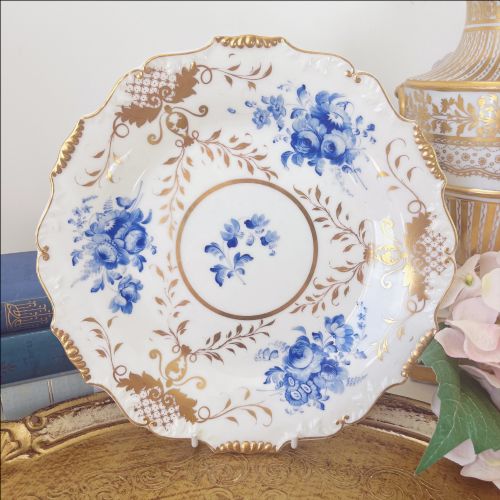
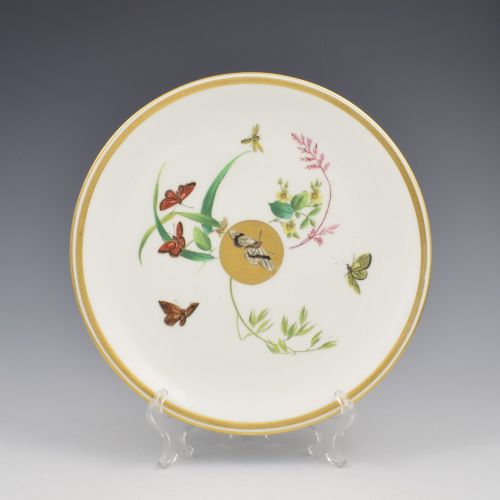
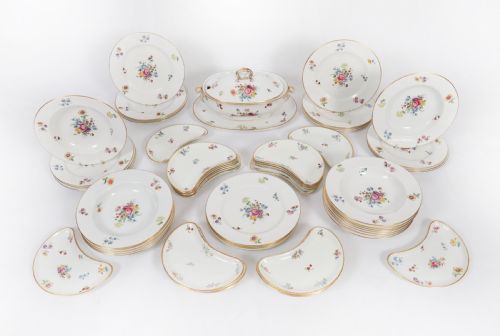
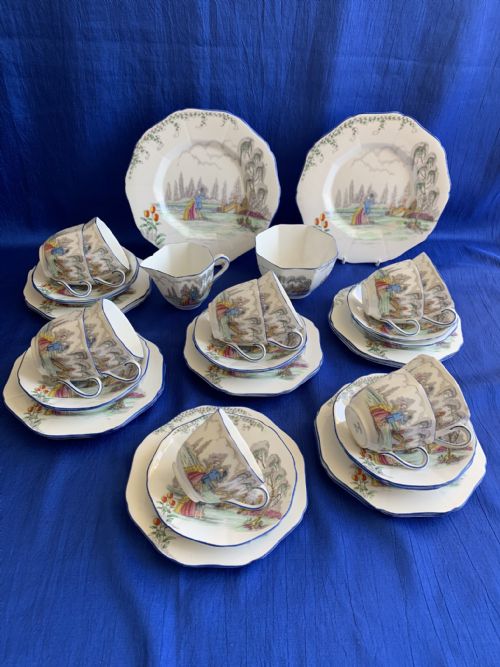
A white bone china plate represents the pinnacle of historic tableware, originating from periods spanning the Regency era through to the mid-twentieth century. Buyers searching for a white bone china plate will encounter varied forms ranging from delicate dessert plates and cabinet plates to components of extensive dinner services.
Materials and construction
These items utilise fine bone china and porcelain, fired to achieve a durable yet translucent body that defines the best English ceramic traditions. Artisans applied enamel glazes, gold leaf, and gilt highlights to enrich the surface texture and visual depth.
Techniques such as hand-painting and pate-sur-pate decoration required exceptional skill, resulting in raised relief work and precise pictorial scenes that remain remarkably crisp.
Decorations span hand-painted florals, Japanese-style motifs, and intricate basketweave mouldings.
Measures of quality
Quality rests in the precision of the hand-painting and the crispness of moulded details like basketweave borders or Newcastle shapes. Finer examples display meticulous brushwork, secure gilding, and distinct factory marks that verify their provenance.
Pieces featuring specialised techniques such as pate-sur-pate or complex transfer designs separate standard utilitarian wares from superior artistic productions intended for display.
Wedgwood·Minton·Copeland Spode·Coalport·Flight Barr And Barr·Rockingham·Royal Crown Derby
The White Bone China Plate Glossary
- Bone china
- A type of soft-paste porcelain incorporating bone ash, known for high strength, chip resistance, and a warm white translucency. It allowed makers to produce thinner, more refined vessels.
- Pate-sur-pate
- A ceramic decoration technique where liquid clay is applied layer upon layer to form a raised cameo-like relief before firing. This intricate method was mastered by top-tier Victorian factories.
- Gilt
- Application of gold or a gold-coloured material to the surface of ceramics, typically highlighting rims and decorative motifs. High-quality gilding retains its brilliance and thickness.
- Cabinet plate
- A decorative plate intended for display in a cabinet or on a wall rather than for practical dining use. These often feature elaborate artwork or commemorative themes.
White Bone China Plate: Frequently Asked Questions
How do I care for antique plates?
Wash historic plates gently by hand using mild detergent and warm water, avoiding abrasive sponges or modern dishwashers. Dry them immediately with a soft cloth to protect delicate gilt edges and painted surfaces.
Store them securely using felt dividers between pieces if stacked, or mount them safely in designated display cabinets to prevent accidental chipping.
Can I use these for daily dining?
While these items were originally created for functional use, age and delicate hand-painted decoration mean many are now better suited for occasional use or display. Items with extensive gold leaf or fragile enamel work require particular caution.
Assess the condition of the glaze and body before serving food, as older ceramics can develop hairline cracks over prolonged periods of modern use.
How are different periods identified?
Dating relies heavily on maker marks stamped or painted on the reverse, alongside stylistic clues like Aesthetic Movement motifs or Regency shapes. Comparing factory patterns and registration numbers helps narrow down the decade of production.
Material composition also offers guidance, as nineteenth-century porcelain differs subtly in weight and translucency from twentieth-century bone china.
What makes a service complete?
A complete service typically includes matching dinner plates, dessert plates, and supporting teaware displaying identical patterns and factory marks. Many historic sets survive only in part due to breakage over generations.
Assembling or finding a matching part-service requires close attention to border designs, colours, and backstamps to ensure visual harmony across the table.