





Royal Vienna Display Plate
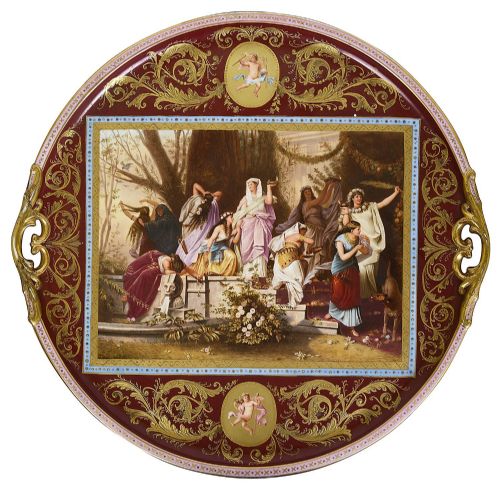
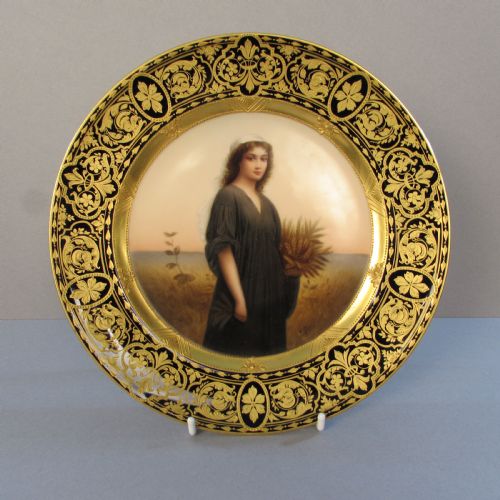
These porcelain royal vienna display plate examples offer intricate mythological and classical scenes framed in rich cobalt blue and gold leaf.
Royal Vienna Display Plate
A royal vienna display plate is a decorative ceramic piece designed for cabinet exhibition rather than dining use. When buyers search for this phrase, they encounter elaborate porcelain cabinet plates, chargers, and decorative trays originating from the nineteenth century.
The pieces on this page span several decades from the mid nineteenth century to nineteen twenty, featuring neoclassical motifs, grand regency influences, and nineteenth century historicism. Most examples showcase detailed hand painted figural subjects surrounded by ornate gilt borders.
Common forms include large chargers and pierced porcelain cabinet plates depicting classical narratives such as Cupid and Psyche, Venus, and mythological scenes. These items reflect the high artistic standards of European porcelain production during the Victorian era.
How They Were Made
Makers utilised fine porcelain as the primary base material, shaping it into large chargers, trays, and pierced cabinet plates. Skilled artisans then applied detailed enamel painting to depict complex figural narratives across the surface.
Gilding played a central role in the decoration, incorporating gold leaf and gold gilt to highlight borders and intricate patterns. Cobalt blue backgrounds frequently appear alongside this extensive gilding to create high visual contrast.
Listings feature items produced across the nineteenth century and into nineteen twenty, utilising porcelain, enamel, gold leaf, and cobalt blue.
What Varies in Quality
The skill of the hand painting determines the upper tier of these pieces, particularly in the rendering of facial expressions and classical drapery in subjects like Esther or the Birth of Adonis. Signed works by specific artists carry distinct artistic attribution that elevates the piece beyond standard factory output.
The complexity of the surrounding ornamentation, such as intricate piercing in the porcelain rim and the depth of the gold gilt work, separates standard plates from exceptional chargers. Preserved cobalt blue grounds and intact gilding reflect superior original firing and handling.
S. Stanley·Sibl·Wagner
The Royal Vienna Display Plate Glossary
- Cabinet plate
- A decorative ceramic dish intended for display in a cabinet or on a wall rather than for table service. These items usually feature detailed painted scenes and ornate borders.
- Charger
- A large decorative plate or tray exceeding standard dining dimensions. In nineteenth century porcelain, these served as focal points for display.
- Gilt
- A thin layer of gold applied to the porcelain surface for decorative effect. Gilding often frames the central painted narrative and highlights pierced porcelain edges.
- Cobalt blue
- A deep blue metallic oxide pigment used underglaze to create rich background colour. This shade frequently contrasts with gold leaf and white porcelain figures.
- Pierced porcelain
- Ceramic work featuring openwork patterns cut into the rim before firing. This technique adds lightness and intricate detail to large cabinet plates.
Royal Vienna Display Plate: Frequently Asked Questions
Were these plates used for dining?
These items were created strictly for exhibition in cabinets or on walls rather than for serving food. Their delicate pierced rims and extensive gilding make them unsuitable for practical table use.
Collectors historically showcased them on specialised stands or hung them to display the painted mythological narratives and cobalt blue borders.
What subjects appear on these plates?
Painted scenes draw heavily from classical mythology, history, and religious narratives. Popular themes include depictions of Venus, Cupid and Psyche, Esther, and classical allegories.
Artists rendered these subjects with detailed enamel work, often framing the central figures within elaborate gold gilt and cobalt blue borders.
How do I date these pieces?
Dating relies on stylistic markers, painter signatures, and period characteristics ranging from eighteen fifty through nineteen twenty. Nineteenth century examples often display nineteenth century historicism and neoclassical revival traits.
Consulting the specific painted details and comparing them with recorded works from artists like Wagner helps narrow the timeline of production.
What is a charger?
A charger is a substantially larger decorative plate or tray designed to dominate a display grouping. In this category, chargers often measure forty centimetres in diameter and feature complex figural scenes.
Their increased scale allowed artists to paint intricate multi-figure compositions such as King Tristan's Death or the Birth of Adonis.