





Vienna Porcelain Plate
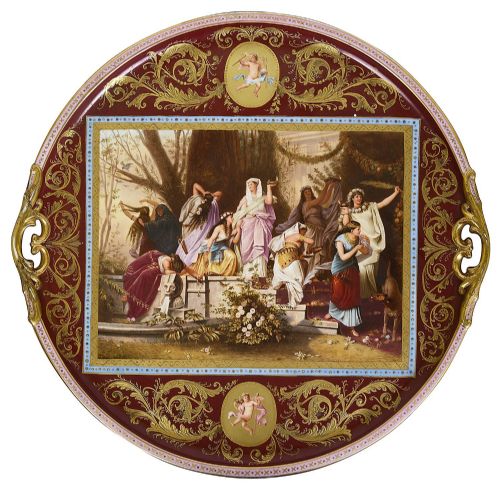
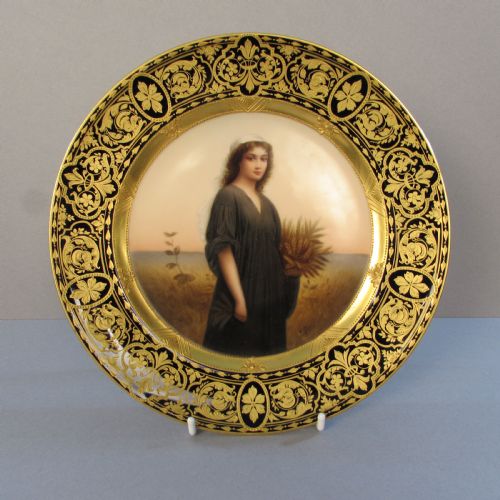
These vienna porcelain plate pieces are hand-painted cabinet plates and large chargers bearing mythological and classical scenes, prized by collectors for their intricate figurative work.
Vienna Porcelain Plate
When you search for a vienna porcelain plate, you encounter decorative porcelain items produced in various periods from the nineteenth century into the early twentieth century. These objects include cabinet plates, chargers, and decorative trays designed primarily for display rather than domestic dining.
The pieces most frequently met on this page span the nineteenth century, including works from eighteen-fifty, eighteen-ninety, and nineteen-twenty. They often feature named classical, mythological, or literary subjects painted centrally across the porcelain surface.
How they were made
These items are constructed from porcelain and decorated with enamel paint to render detailed figurative scenes. Artisans applied cobalt glaze alongside gold leaf, gold gilt, and simple gilding to frame and highlight the painted compositions.
The manufacture relies on careful firing of the porcelain body followed by meticulous brushwork for subjects such as portraits and narrative histories. Many examples incorporate pierced porcelain borders or gilt ornamentation around the central painted well.
Listings feature porcelain, enamel, gold leaf, and cobalt glaze across nineteenth-century and early twentieth-century periods.
What varies in quality
Quality in a vienna porcelain plate rests primarily upon the skill of the painting and the complexity of the figurative scene. Finer examples display carefully rendered anatomy and expressive faces, often signed by the artist who executed the work.
The richness and preservation of the surrounding gilding, cobalt glaze, and enamel colours also determine the distinction of a piece. Subtlety in the border design and the inclusion of specific marks contribute to the standing of individual chargers and plates.
S. Stanley·Sibl·Wagner·F. Geller·Bidenschild
The Vienna Porcelain Plate Glossary
- Cabinet plate
- A decorative ceramic plate intended for display in a cabinet or on a wall rather than for practical table use. These pieces usually feature elaborate painted scenes.
- Charger
- A large decorative plate or tray used historically for display or service. In this context, chargers provide a wide expanse for elaborate mythological paintings.
- Cobalt glaze
- A deep blue metallic colouring applied under or over the glaze during manufacture. It frequently forms a rich background border on nineteenth-century pieces.
- Gilding
- The application of gold leaf or powdered gold to ceramic surfaces. It accentuates rims, borders, and painted panels.
- Neoclassical revival
- An artistic movement drawing inspiration from classical Greek and Roman art. It heavily influences the subject matter found on these plates.
Vienna Porcelain Plate: Frequently Asked Questions
How were these decorative plates displayed?
These items were typically exhibited in glass-fronted cabinets or hung upon walls within formal reception rooms. Their primary function was visual decoration rather than domestic service.
Larger chargers and trays were often showcased on dedicated stands or integrated into decorative architectural settings to highlight their intricate painted narratives.
What subjects appear on these plates?
The painted scenes draw heavily from classical mythology, literature, and biblical stories. Common themes depict figures such as Venus, Adonis, Jupiter, and historical or allegorical narratives.
Artists also rendered named portraits and romantic or dramatic episodes across the porcelain surface, framed by ornate gilt borders.
How do I identify nineteenth-century pieces?
Dating relies on stylistic markers, painting techniques, and associated factory or decorator marks found on the reverse of the porcelain. Nineteenth-century examples often exhibit historicism and neoclassical revival traits.
Examining the depth of the cobalt blue glaze, the application of gold leaf, and the fineness of the enamel brushwork helps distinguish the period.
Are these plates signed by artists?
Many fine cabinet plates and chargers bear signatures or initials of the painters who executed the central figurative compositions. Signatures by named artists add specific attribution to individual works.
Unsigned pieces remain common, often relying on the overall quality of the enamel painting and decorative gilding to denote their origin.