





Porcelain Wall Plate Display
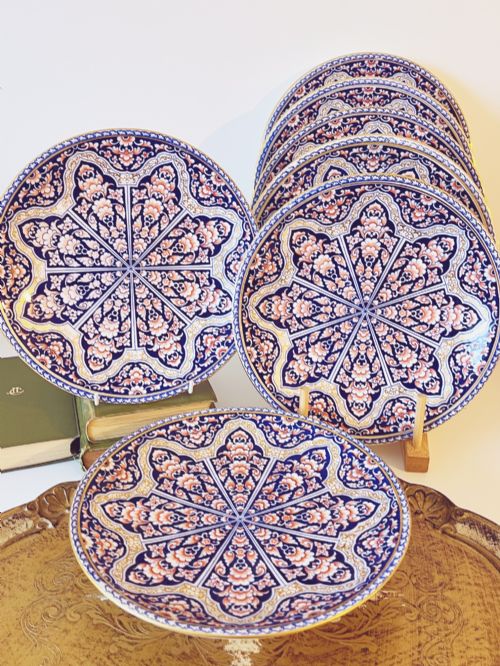
Porcelain wall plate display brings together decorative dishes, chargers and cabinet plates chosen to hang on a wall or rest on a surface.
Porcelain Wall Plate Display
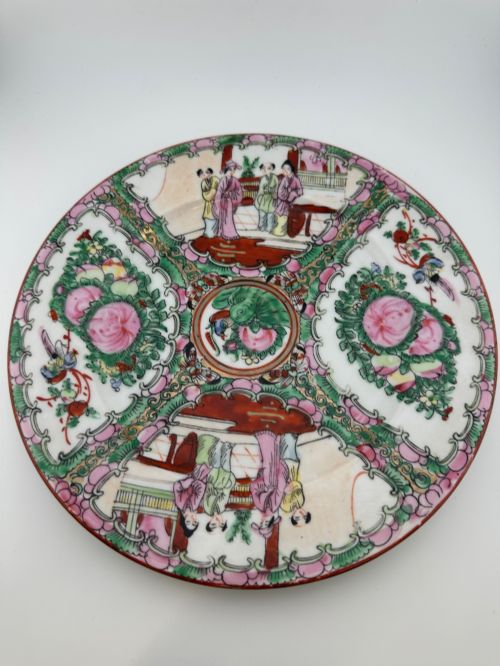
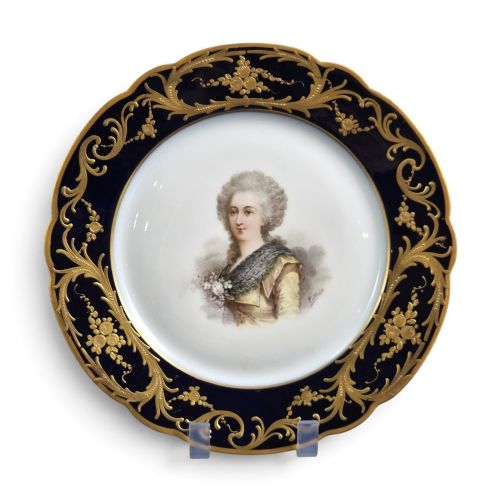
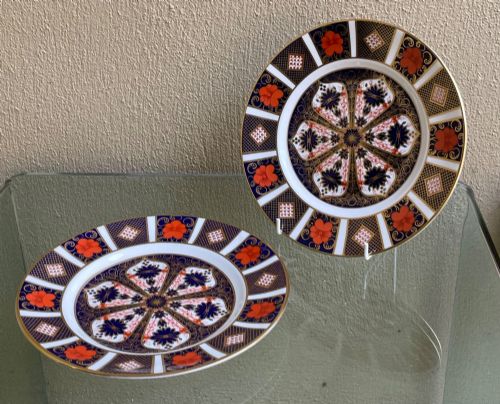
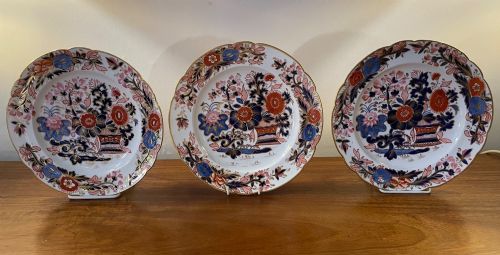
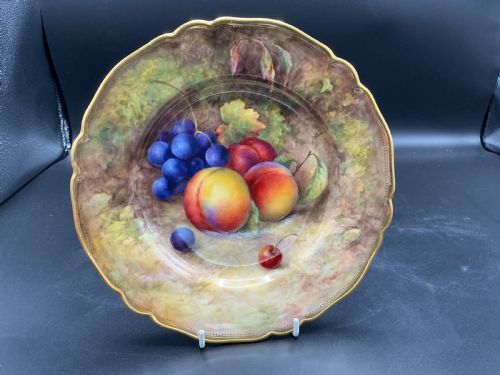
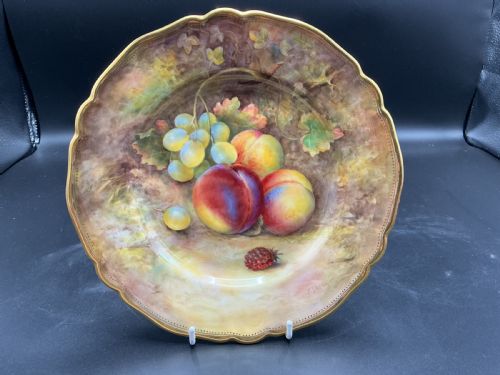
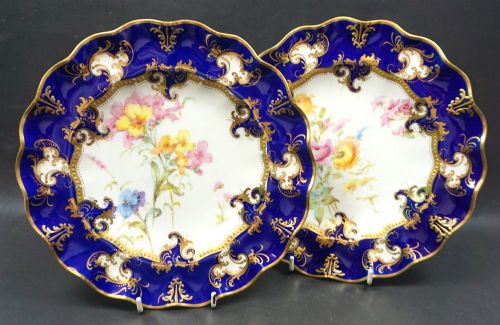
Porcelain wall plate display centres on decorative plates, cabinet plates and large chargers originating from various periods including the 18th century, Victorian era and early 20th century. You will encounter English, European and Japanese works, from Japanese Imari chargers to Royal Worcester painted fruit cabinet plates.
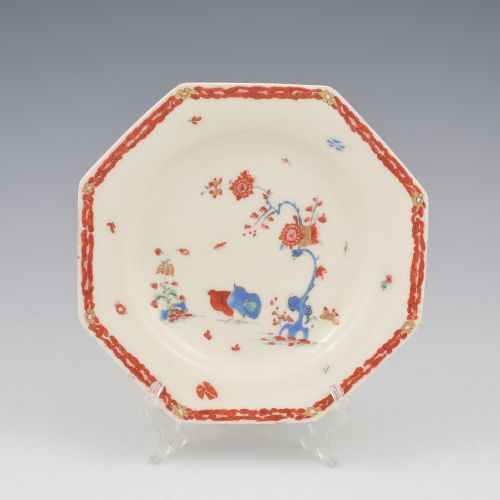
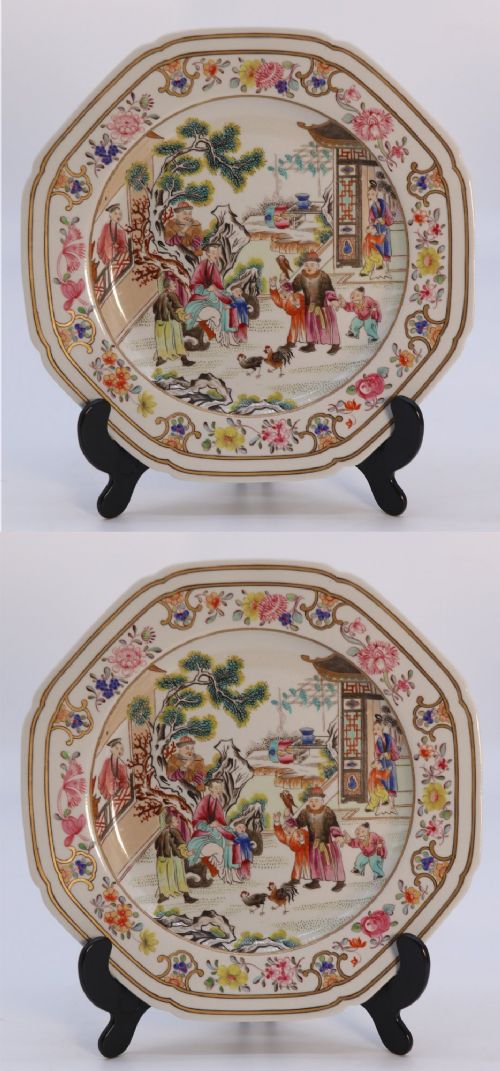
The selection ranges from Dutch Delft and Chinese Export Qianlong porcelain to English bone china and earthenware. Forms span octagonal plates, lobed dishes, square shapes and large circular chargers meant to be seen.
How they were made
Potters shaped porcelain, bone china, ironstone and earthenware, often applying glazes and hand-painted details. Many pieces incorporate enamel, gold leaf, and gilding to accentuate the painted motifs.
Techniques include transfer printing, blue and white underglaze painting, and detailed overglaze enamel work as seen in Imari palettes and painted fruit scenes.
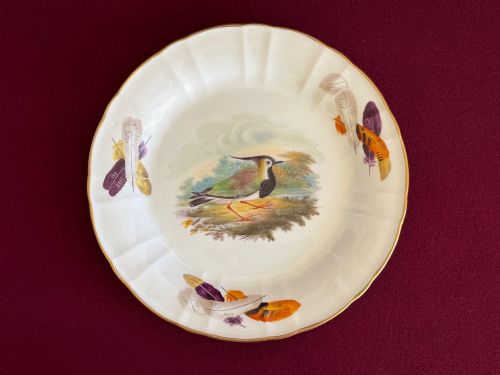
Several plates depict exotic birds and one records the dramatic historical moment of the death of a bear.
What varies in quality
The distinction in quality rests upon the crispness of the hand-painted brushwork, the richness of the glaze and gilding, and the depth of the porcelain body. Maker attribution, such as works from Sèvres, Meissen or specific Royal Worcester artists, elevates the standing of a piece.
Execution of complex patterns, such as detailed ornithological subjects or intricate Japanese Imari designs, separates standard production items from masterworks.
Royal Crown Derby·Royal Worcester·Edmé Samson And Cie·Meissen·Spode
The Porcelain Wall Plate Display Glossary
- Charger
- A large decorative plate traditionally used for service or display. These items often feature broad borders and central painted motifs.
- Cabinet plate
- A fine decorative plate made for display in a cabinet or on a wall rather than for everyday dining. They typically showcase high artistic effort.
- Imari
- A style of Japanese porcelain featuring a palette of underglaze blue, iron red, and gold. European factories frequently copied these distinct patterns.
- Chinoiserie
- European decorative designs influenced by Chinese artistic styles and motifs. This aesthetic appears frequently on Delft and earthenware vessels.
Porcelain Wall Plate Display: Frequently Asked Questions
How do I hang a heavy charger safely?
Heavy chargers and plates require a purpose-built wall hanger with spring-loaded brass arms that grip the rim evenly. Ensure the fixture is anchored securely into the wall rather than plaster alone.
Distribute the weight properly and check the fitting periodically to keep the porcelain secure.
Are these plates meant for dining?
Cabinet plates and decorative chargers are created primarily for visual display rather than daily use. The delicate gilding and hand-painted enamels can wear down with food service and washing.
Use them on walls or display stands to preserve the painted surfaces.
How do I identify Japanese Imari?
Japanese Imari porcelain is recognised by a distinctive colour palette combining deep underglaze blue with rusty iron red and gold accents. The designs often feature floral and exotic bird motifs.
These pieces span the Edo period through the Meiji period and later.
What is the difference between earthenware and porcelain?
Porcelain is fired at a higher temperature, resulting in a dense, vitrified body that rings when tapped and is often translucent. Earthenware is more porous and opaque, requiring a glaze to remain watertight.
Both materials appear across the different historical periods represented here.