




Antique Bureau Top Bookcase
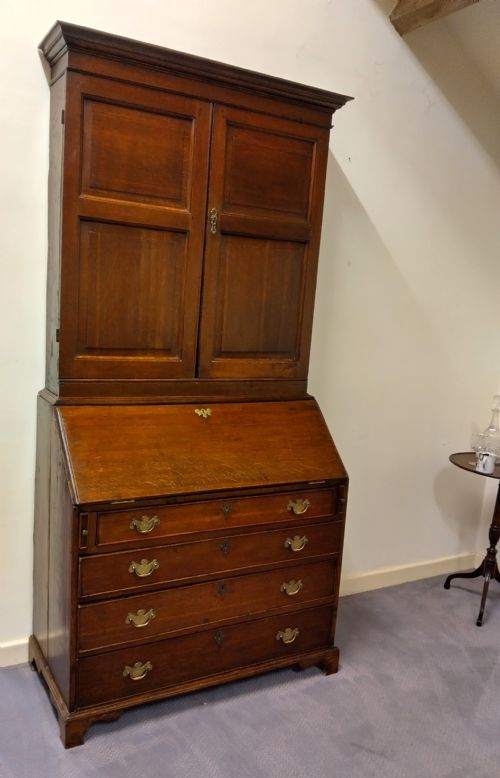
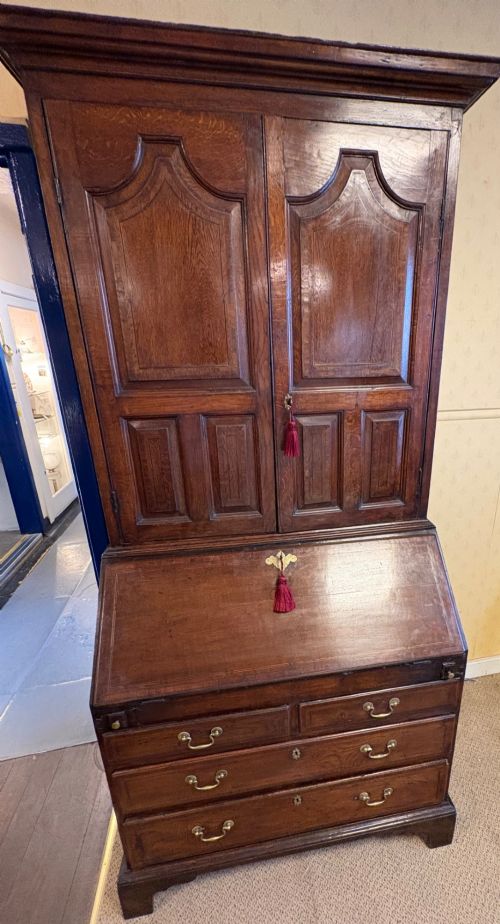
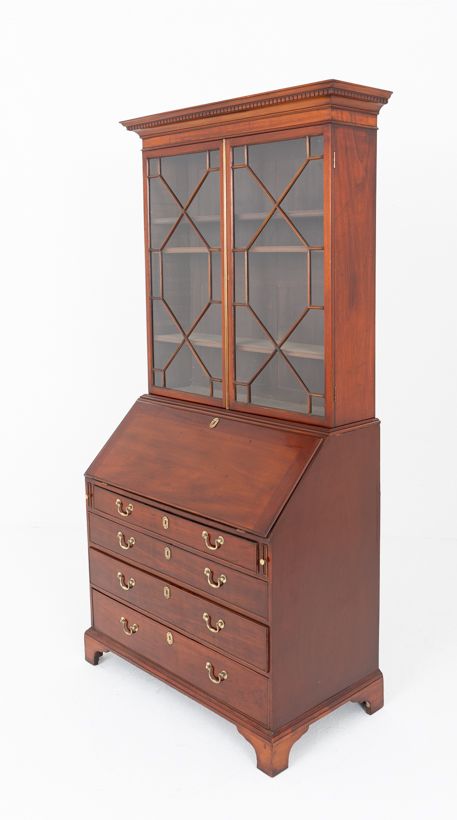
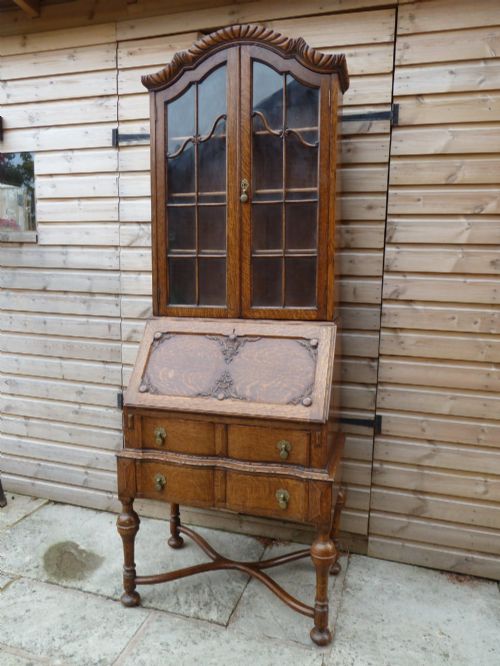
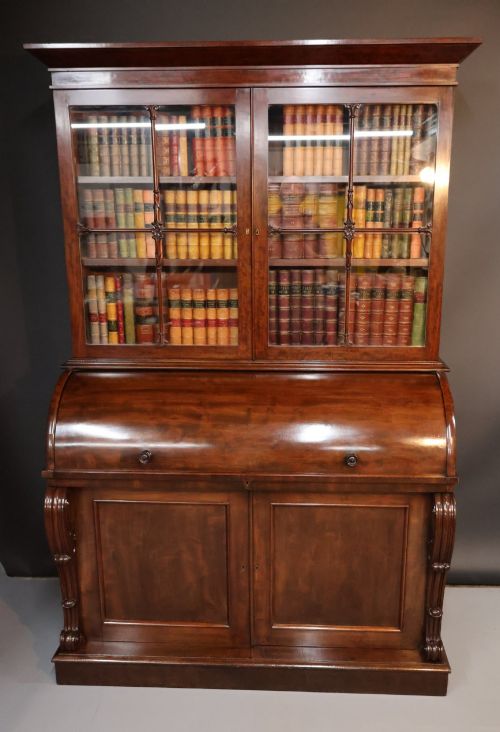
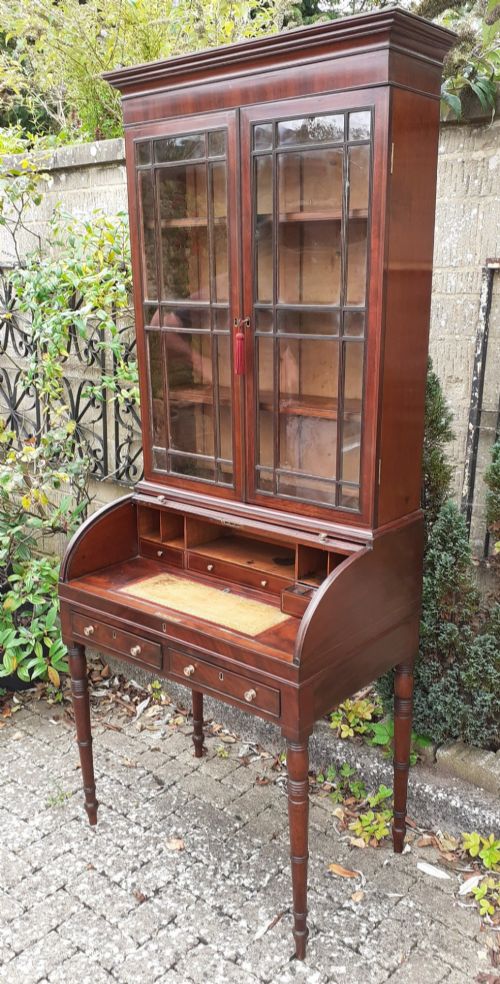
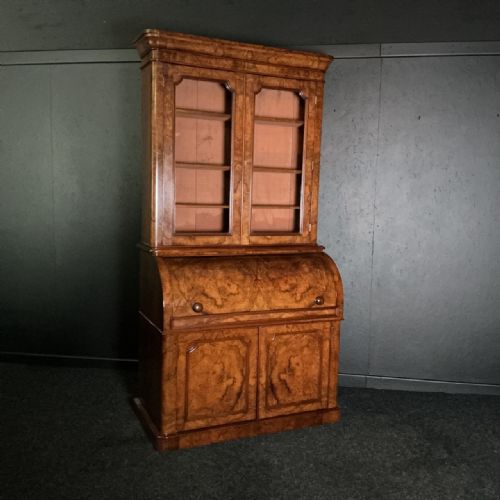
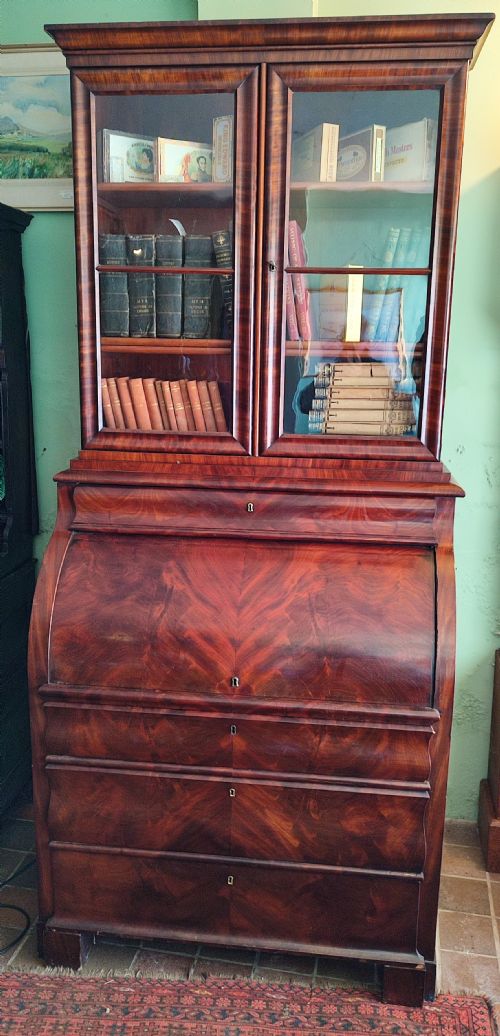
An antique bureau top bookcase combines a fitted writing desk and a shelved upper cabinet, offering dual storage for books and correspondence.
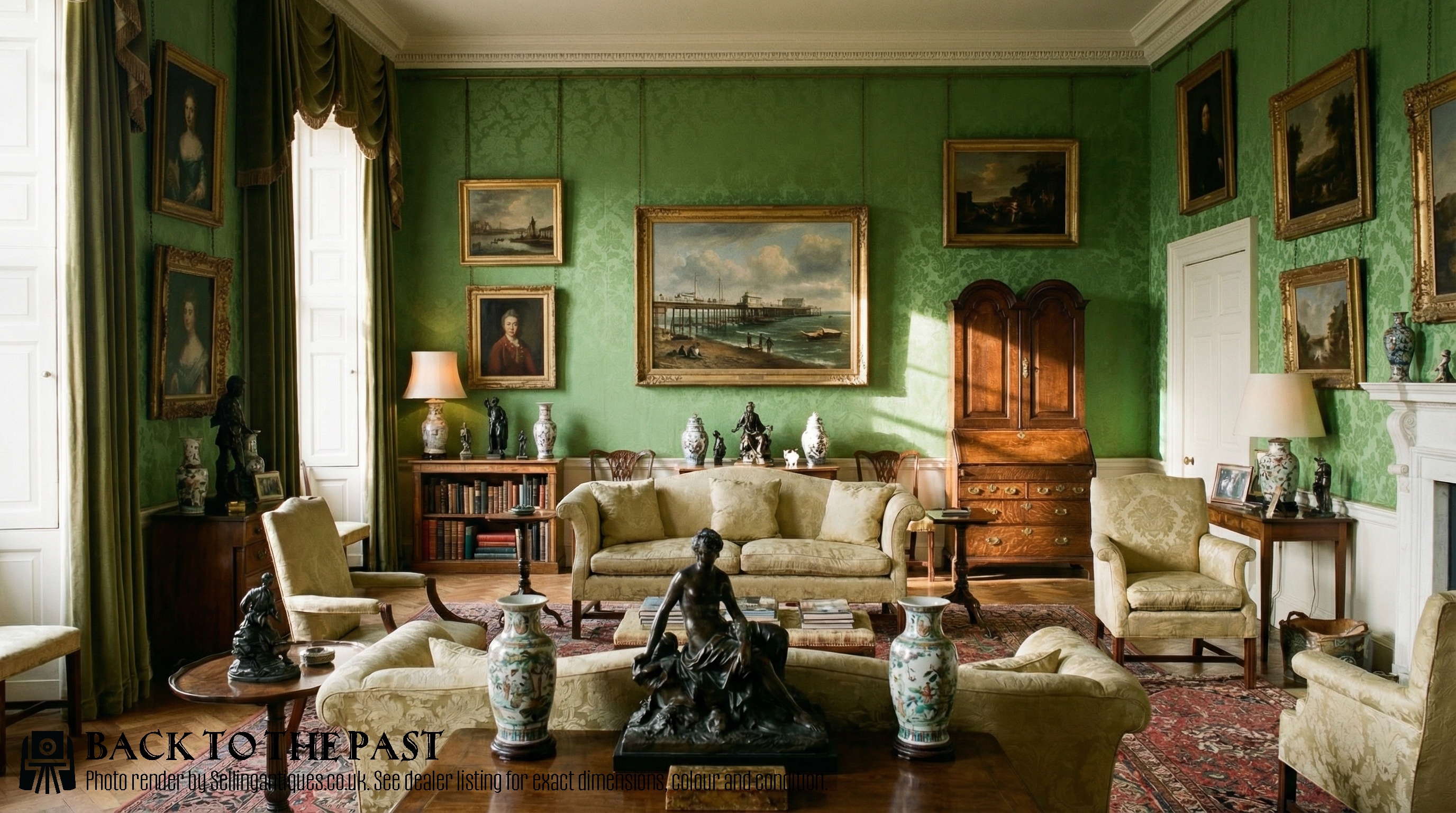
Antique Bureau Top Bookcase
An antique bureau top bookcase pairs a lower writing compartment with an upper shelved cabinet for books and papers. The form serves dual purposes, functioning as both a desk and a bookcase.
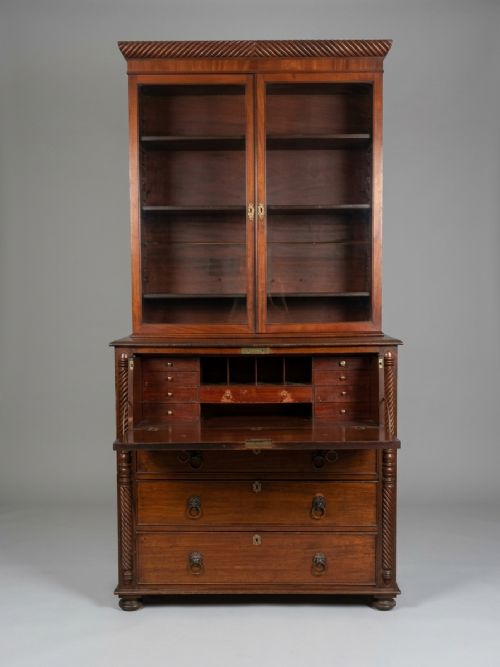
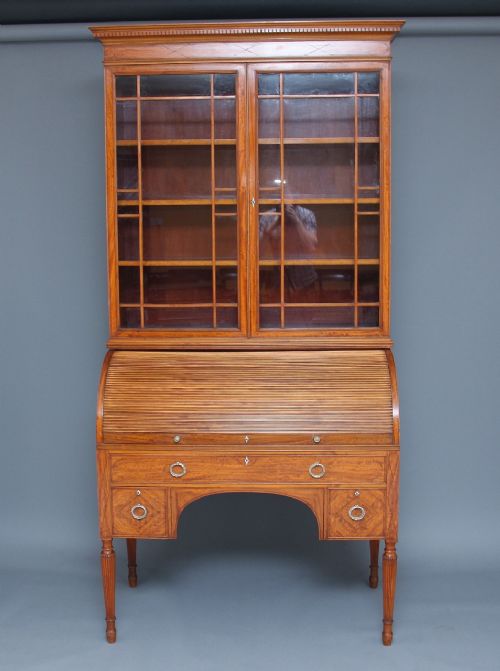
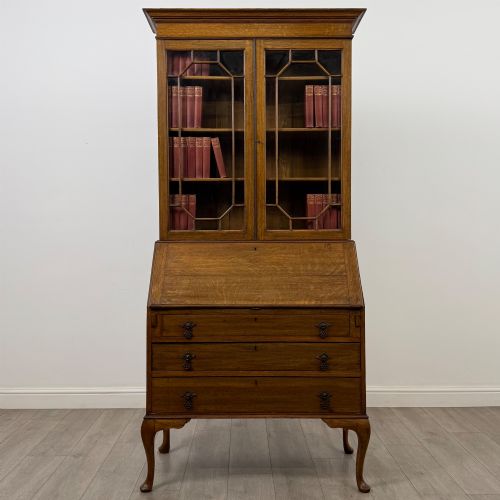
Examples on this page span the eighteenth century, nineteenth century, and Edwardian periods. Common formats include sloping flap desks, cylinder fronts, and tambour mechanisms combined with glazed or solid upper doors.
Materials and Construction
Cabinetmakers constructed these pieces primarily in timber, employing mahogany, oak, walnut, satinwood, and burr walnut. Finer versions often feature decorative veneers and inlay work.
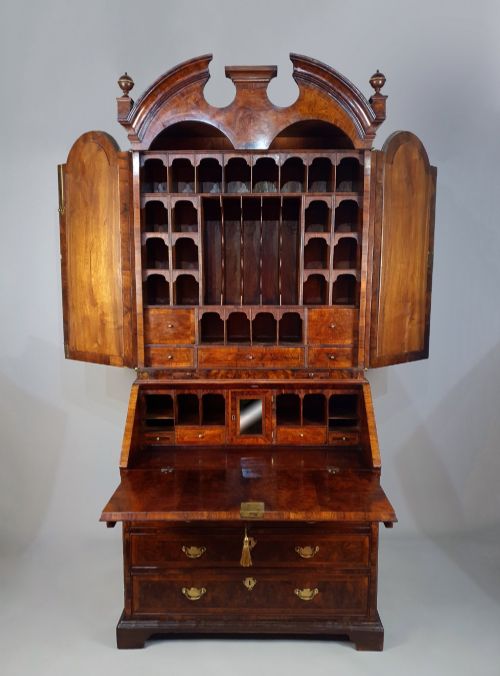
Glazed upper doors utilise glass panes set within timber framing, while internal compartments incorporate smaller drawers, pigeonholes, and occasionally candle slides or leather writing surfaces.
Early specimens occasionally hide secret compartments behind miniature drawers for safeguarding private documents.
Assessing Quality
Quality rests upon the selection of timber figures and the precision of the cabinetwork in the fitted interior. Selection of dense grain patterns and well-figured veneers distinguishes finer examples.
The integrity of the internal drawers, the smoothness of sliding mechanisms like cylinders and tambour shutters, and the retention of original brass hardware mark the distinction between standard and superior pieces.
Tudor and Burrey·Edwards and Roberts
The Antique Bureau Top Bookcase Glossary
- Secretaire
- A writing cabinet containing a pull-down or sliding desk surface that conceals internal pigeonholes and small drawers. It often appears integrated beneath a bookcase.
- Cylinder top
- A curved, quarter-circle wooden shutter that rolls back to reveal a sliding writing surface and internal stationery compartments. This mechanism requires precise joinery to operate smoothly.
- Candle slide
- A pull-out wooden shelf positioned beneath the upper bookcase doors to hold candlesticks for illumination while writing. These appear frequently on earlier eighteenth-century examples.
- Pigeonhole
- A small, open compartment within the fitted interior of a desk used for sorting letters and documents. They form part of the internal architecture hidden behind the main writing flap.
Antique Bureau Top Bookcase: Frequently Asked Questions
What is an antique bureau top bookcase?
It is a combined piece of furniture featuring a lower section configured for writing and an upper section fitted with shelves for books.
The lower desk component usually includes a folding flap, a cylinder roll, or a tambour shutter that conceals a fitted interior of small drawers.
How were these pieces used?
Owners used them for household administration, storing correspondence, and keeping ledgers alongside personal libraries.
The upper glass-fronted shelves displayed valued volumes, while the pull-down writing surface provided a private space for letter writing.
How do I date an antique bureau bookcase?
Dating relies on timber choices, construction methods, and stylistic details such as bracket feet, cornices, and hardware.
Eighteenth-century examples often display walnut or figured mahogany with candle slides, whereas Edwardian pieces frequently utilise lighter oak or inlaid satinwood.
How do I fit one into a room?
These tall pieces require adequate wall space and clearance for doors or flaps to open fully without obstruction.
Positioning them away from direct sunlight and heat sources protects the timber veneers and polished finishes from drying out.