



Antique Tallboy Bureau
An antique tallboy bureau unites high storage with a fitted writing surface, offering a commanding presence and practical workspace for the home.
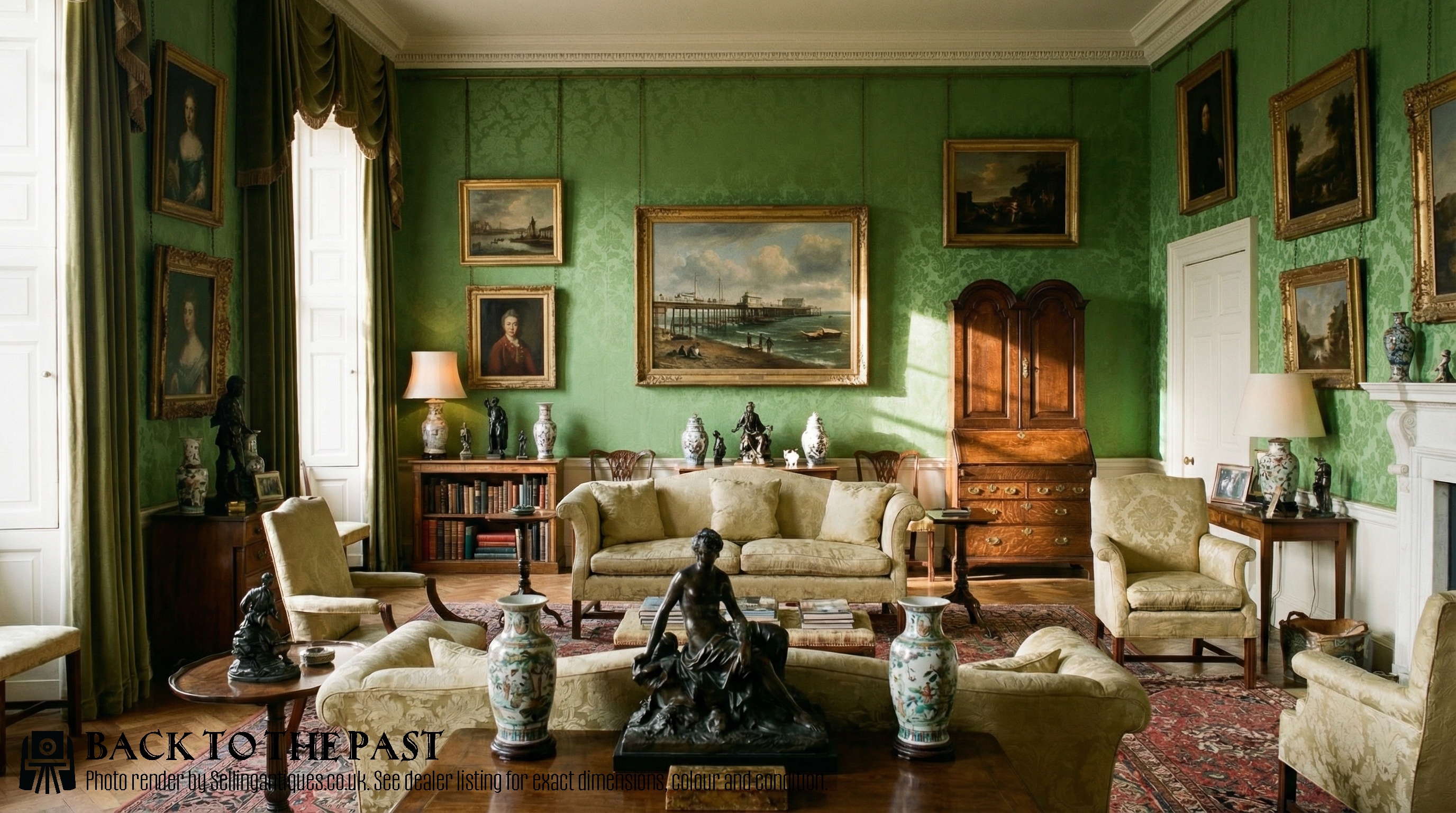
Antique Tallboy Bureau
When buyers search for an antique tallboy bureau, they encounter substantial case furniture designed to combine upright storage drawers with a dedicated writing compartment. The form descends from tall storage chests and writing cabinets, spanning periods from the late seventeenth century through the Georgian, Victorian and Edwardian eras.
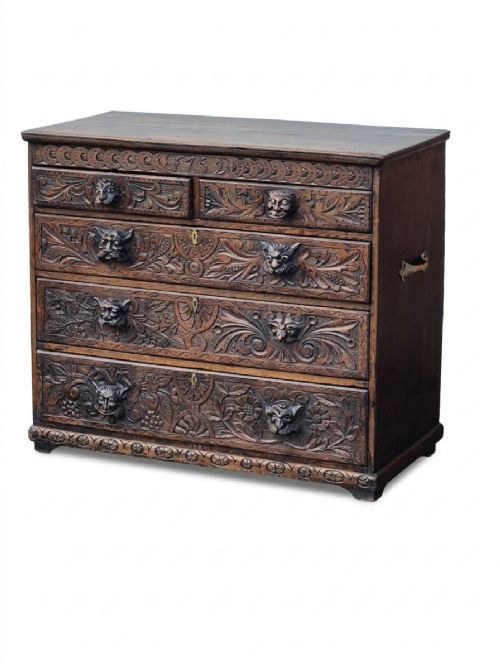
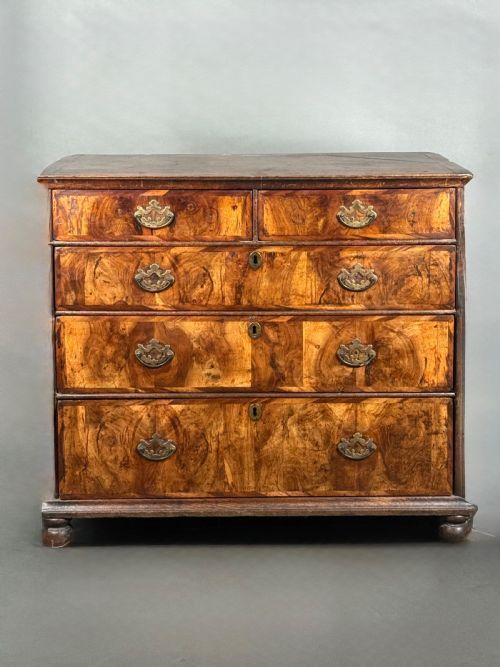
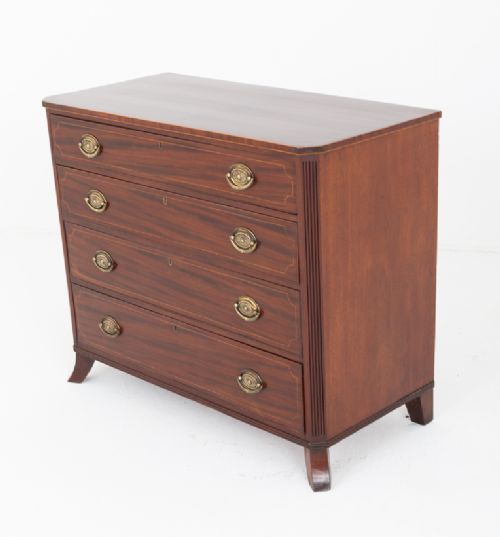
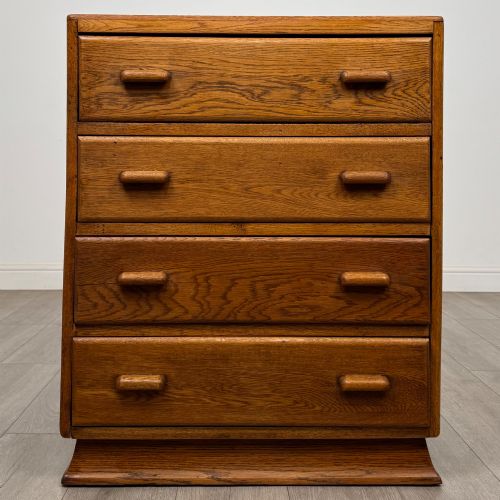
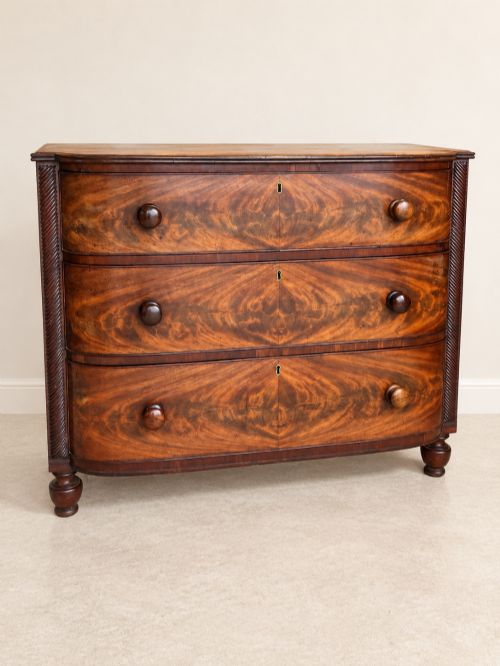
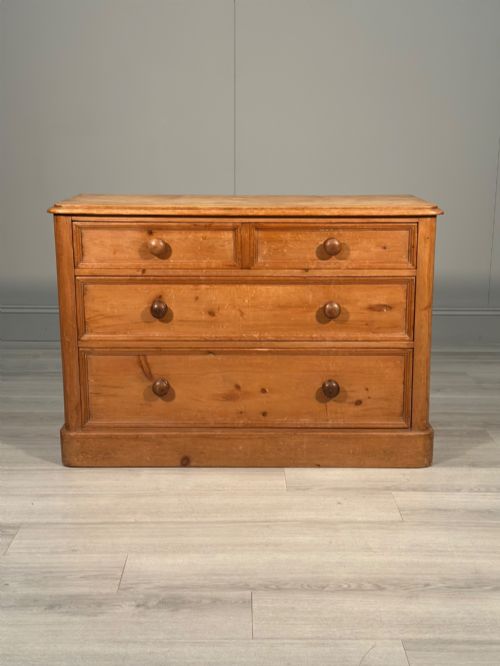
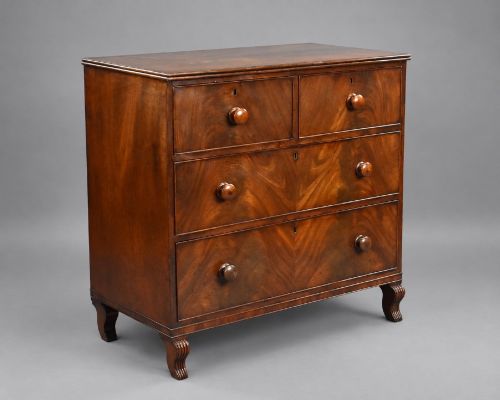
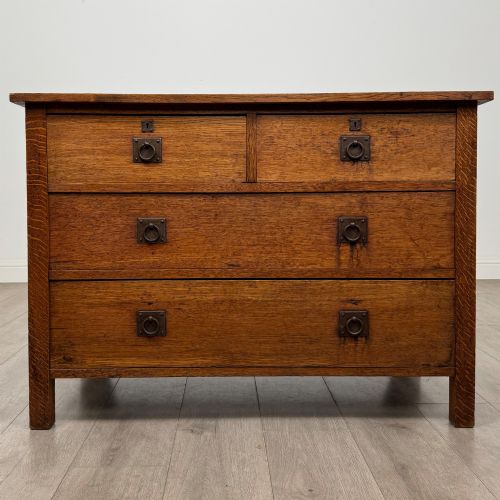
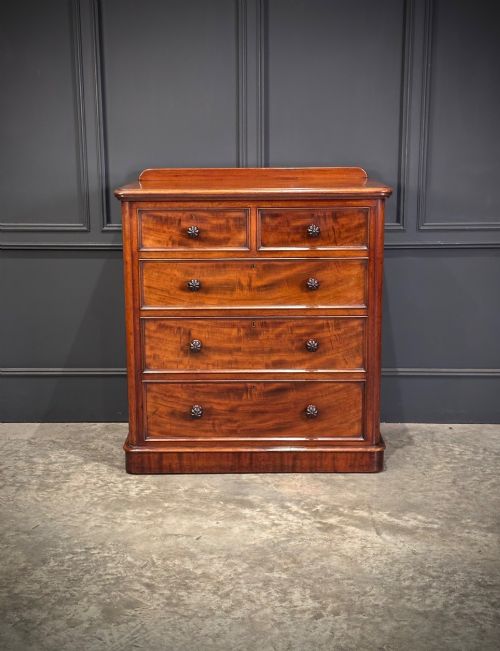
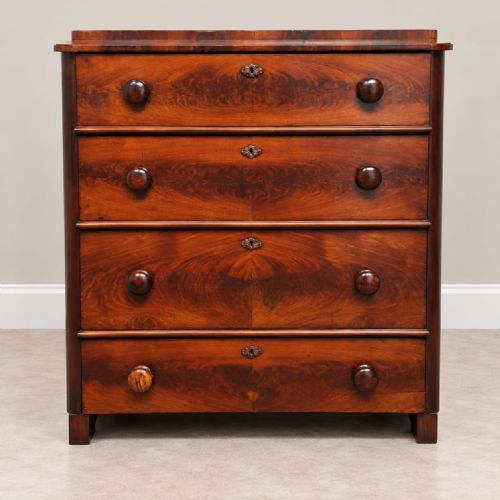
The version most commonly met on this page is constructed from mahogany, oak or walnut, often taking the form of a chest of drawers accompanied by writing elements like a brushing slide, secretaire drawer or fall-front writing cabinet. Pieces range from plain provincial oak examples to sophisticated flame mahogany and burr walnut creations.
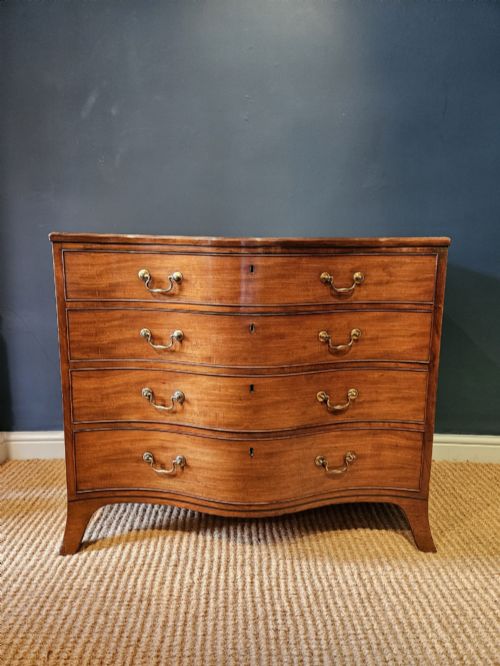
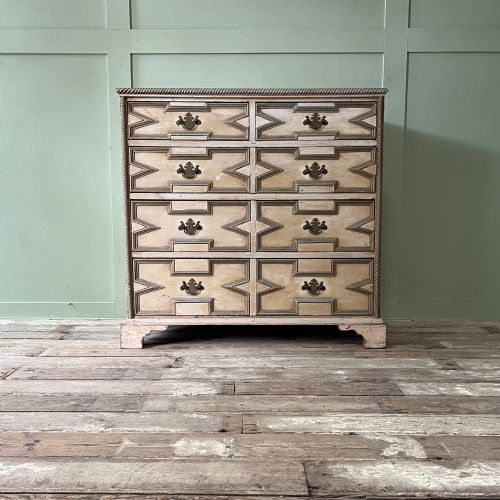
Makers and regional workshops produced these vertical writing pieces in various configurations, including William and Mary geometric designs, George III serpentine fronts, and nineteenth-century Wellington chests with writing compartments. The overarching characteristic is the elevation of storage and writing space into a single tall footprint.
How they were made
Cabinetmakers utilised solid timbers and selected veneers such as flame mahogany, burr walnut and satinwood over secondary woods like pine and oak. Construction relied on traditional joinery, dovetailing drawer carcases and applying geometric mouldings or crossbanding to enrich primary surfaces.
Hardware played an integral structural and decorative role, featuring cast brass handles and escutcheons secured to drawer fronts. Finishes were built up using traditional polishing methods that highlighted the natural grain and figuring of the timber.
The listings span from the late seventeenth century through the Edwardian period, recording materials including oak, mahogany, walnut, pine and brass.
What varies in quality
Quality rests in the selection of timber figures and the precision of the cabinetmaker's joinery. Superior examples display symmetrical veneer matching, finely cut dovetails, and crisp execution of decorative mouldings.
The integrity of the internal writing fittings, the survival of original brass hardware, and the harmony of proportions distinguish finer workshops from simpler provincial output.
Sir Clough Williams-Ellis·Harris Lebus of Tottenham
The Antique Tallboy Bureau Glossary
- Secretaire
- A drawer designed to pull down and reveal a writing surface fitted with small pigeonholes and internal compartments. It conceals writing duties within the exterior facade of a standard chest.
- Brushing slide
- A pull-out shelf integrated above the drawers to provide a temporary writing surface or resting place. It pushes flush into the carcase when not in use.
- Flame mahogany
- Timber veneer cut to reveal a distinctive undulating grain pattern resembling flickering flames. Cabinetmakers applied this decorative wood to drawer fronts for visual impact.
- Geometric moulded
- A decorative technique utilising applied mouldings on drawer fronts to create raised rectilinear patterns. It is frequently seen on seventeenth-century oak pieces.
- Serpentine front
- A cabinet front curved in a concave-convex-concave wave shape. It requires considerable woodworking skill to shape accurately.
Antique Tallboy Bureau: Frequently Asked Questions
What is an antique tallboy bureau?
An antique tallboy bureau is a tall piece of case furniture that merges vertical drawer storage with a dedicated writing space. These items evolved to provide practical workspace without occupying excessive floor area in historic homes.
They appear across multiple centuries in woods like mahogany, oak and walnut. The writing facility might take the form of a pull-out slide, a drop-front desk section or a fitted secretaire drawer.
How do I date an antique bureau?
Dating relies on observing the timber species, construction methods, hardware styles and overall aesthetic period. Early pieces from the seventeenth century often feature oak with geometric mouldings, while eighteenth-century examples frequently showcase figured mahogany and serpentine fronts.
Later Victorian and Edwardian variations incorporate different veneers and machine-assisted joinery alongside revival styles. Comparing the secondary woods inside the drawers provides further clues to the manufacturing era.
Where should I place a tallboy bureau?
These tall writing pieces suit studies, living rooms or bedrooms where vertical storage and a surface for correspondence are beneficial. Their substantial height draws the eye upward, making them effective focal points in rooms with high ceilings.
Ensure placement avoids direct sunlight and significant temperature fluctuations to protect historical wood surfaces and delicate veneers from drying out or warping.
What woods were used for tallboy bureaux?
Cabinetmakers primarily worked with native and imported hardwoods suited to structural stability and decorative finishing. Oak and walnut dominated earlier periods, while mahogany became the favoured timber during the Georgian and Regency eras.
Surfaces were frequently enhanced using figured veneers such as flame mahogany, burr walnut and satinwood. Secondary woods like pine were often utilised for internal drawer linings.