


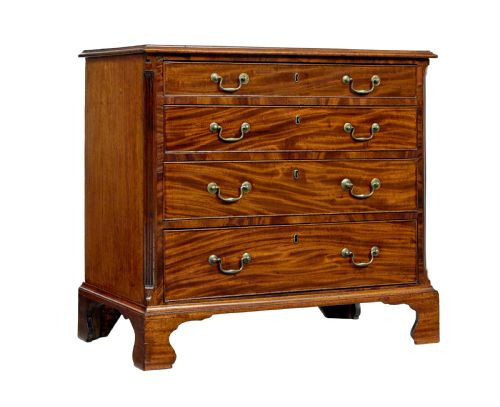
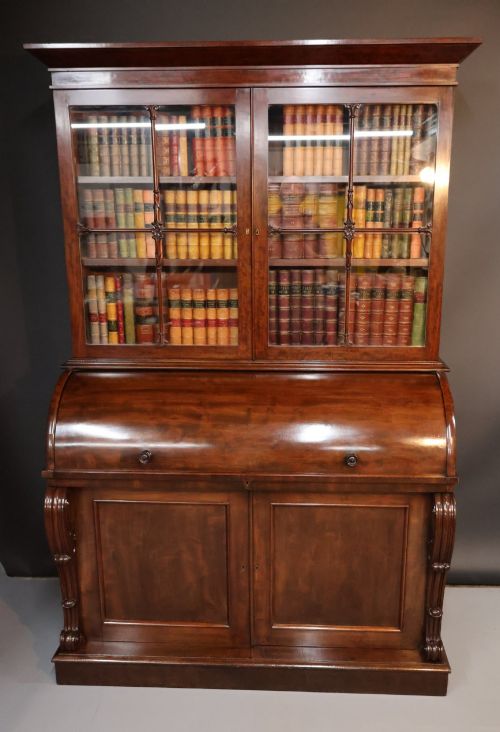
Brown Wood Bureau Cabinet
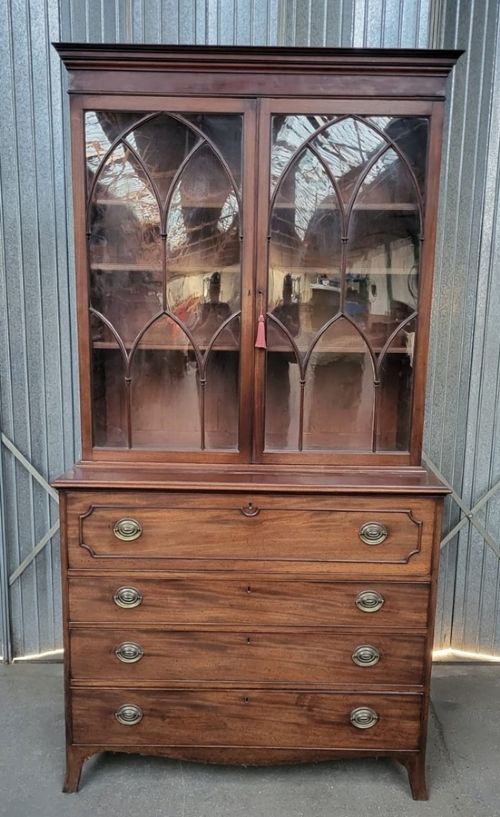
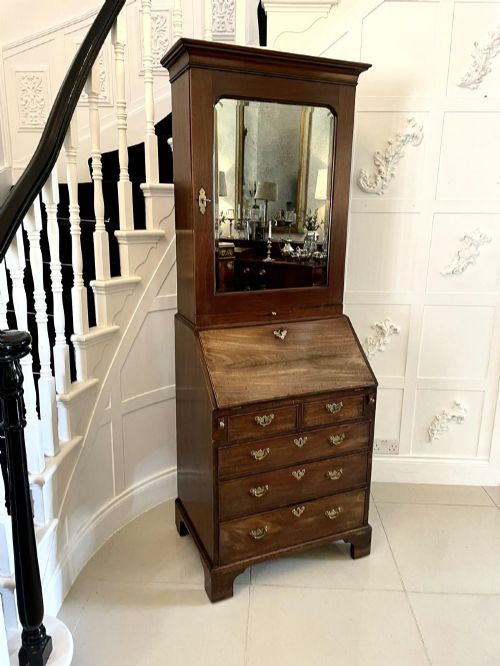
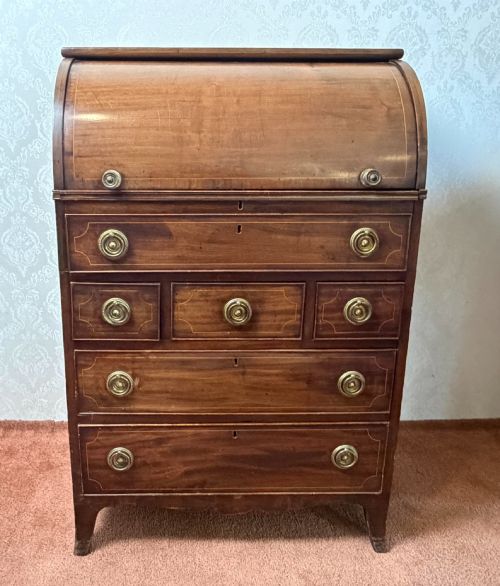
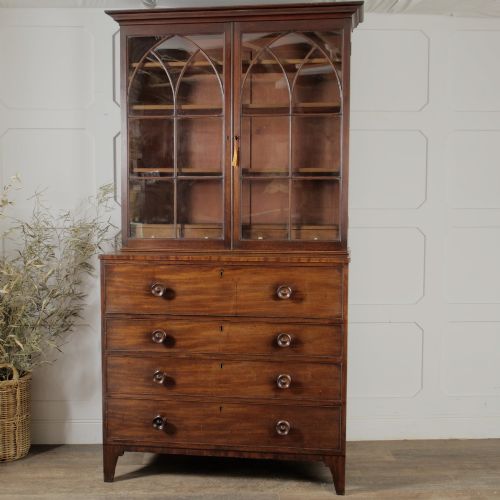
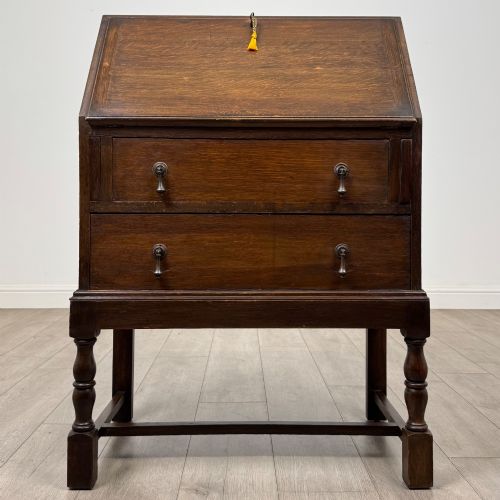
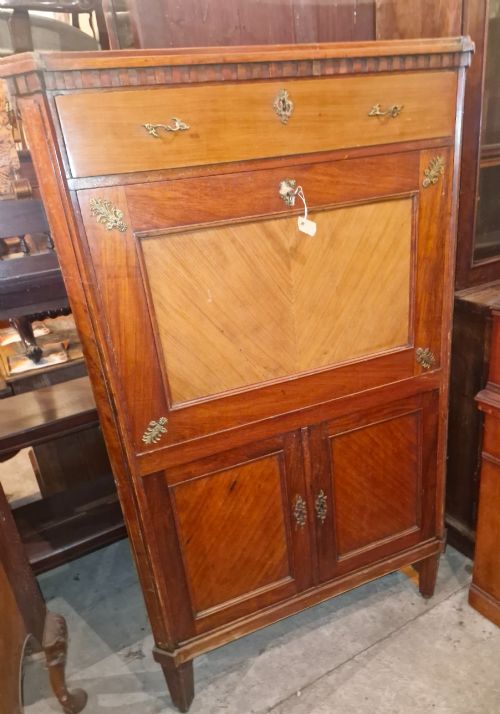
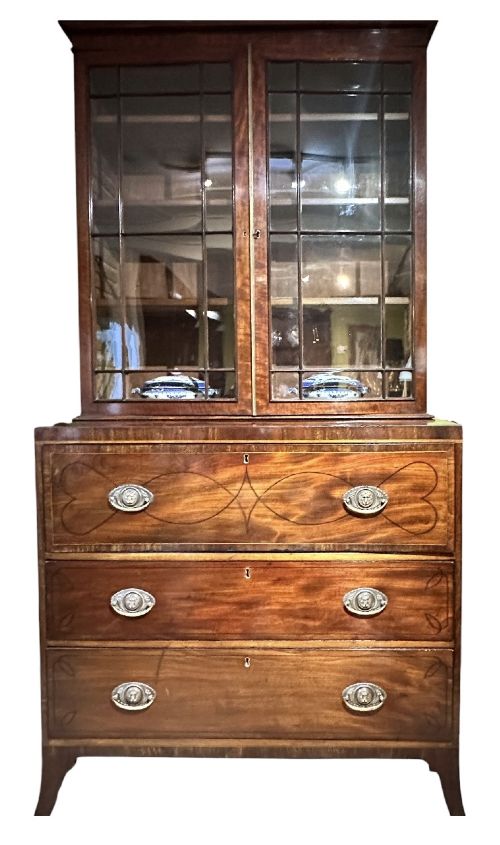
These brown wood bureau cabinet pieces combine a slant-front desk with upper shelving, offering a practical writing surface and storage built for daily use.
Brown Wood Bureau Cabinet
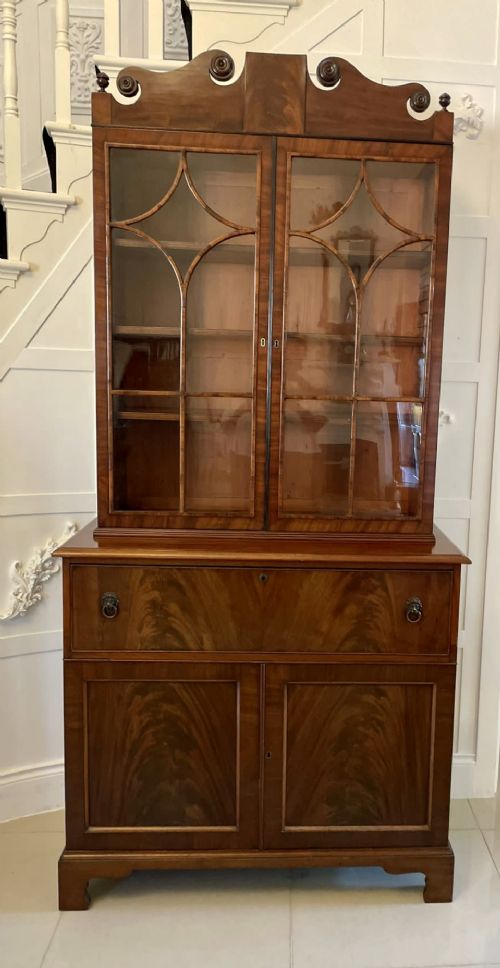
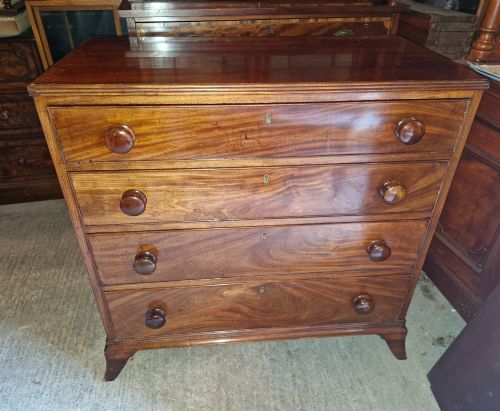
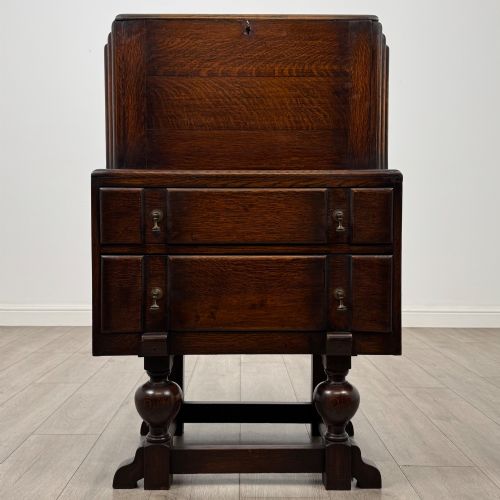
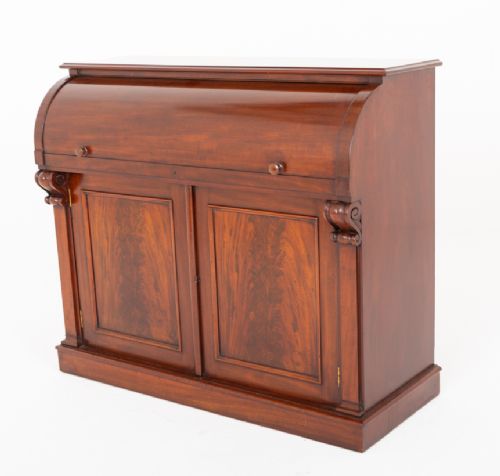
A brown wood bureau cabinet primarily takes the form of bureau bookcases, secretaire bookcases, and writing cabinets originating from the 18th century, 19th century, and Edwardian periods.
Makers designed these pieces with hinged fall-front writing surfaces that open to reveal internal compartments, paired with upper glazed or panelled bookcase sections.
The selection ranges from compact walnut and yew examples to large mahogany pieces built during the Georgian, Regency, and Edwardian eras.
Materials and construction
Cabinet makers utilised solid timbers alongside veneers, relying heavily on mahogany, walnut, and oak as the foundational materials for these writing units.
Details such as flame mahogany veneer, kingwood, and inlaid banding provide decorative contrast on the exterior surfaces of the cabinets.
Brass hardware, leather writing inserts, and glass door panels complete the construction of the bookcases and desks.
Brown Wood Bureau Cabinet Retail Price Guide 2026
Typical asking prices for brown wood bureau cabinet among the pieces listed under this phrase on Sellingantiques today, from the lower quarter to the upper quarter. They describe what is for sale here now, not the wider market.
Keep an eye out for the miniature apprentice sample piece built at one-quarter scale.
Assessing construction standards
Quality shows in the selection of timber figures, such as figured mahogany or burr walnut, and the precision of inlaid woodwork across the fall front.
Internal secondary timbers, drawer linings, and the smoothness of the fall-front action distinguish standard cabinet work from superior examples.
The Brown Wood Bureau Cabinet Glossary
- Bureau bookcase
- A combination of a slant-front desk and an upper shelving unit enclosed by doors. This form provides both writing space and display storage.
- Fall front
- A hinged writing flap that pulls down into a horizontal position for writing. It conceals internal drawers and compartments when closed.
- Bonheur du jour
- A light lady's writing desk originating in France, typically featuring a small cabinet or shelving superstructure on top.
- Veneer
- A thin layer of figured wood applied to a firmer timber base. This technique allows cabinet makers to display decorative grain patterns.
Brown Wood Bureau Cabinet: Frequently Asked Questions
How do I use a bureau cabinet?
Drop the hinged fall front to access the internal writing surface and pigeonholes for correspondence.
Store books and display items in the upper glazed shelving section while keeping papers organised below.
What woods were used for these?
Mahogany, walnut, and oak form the primary structural timbers for these cabinets across the 18th and 19th centuries.
Cabinet makers also incorporated flame mahogany veneer, kingwood, and yew wood for decorative exterior finishes.
Are these pieces from the Georgian era?
Many examples date from the Georgian and 18th-century periods, characterised by mahogany and walnut construction.
Later pieces also appear from the Regency, Victorian, and Edwardian eras in matching traditional styles.
What is a secretaire bookcase?
A secretaire bookcase integrates a dedicated writing drawer with a drop-front mechanism beneath an upper bookcase.
This hybrid form saves space by combining a library bookcase with a functional desk.