
Georgian Wooden Desk
A georgian wooden desk brings sturdy cabinetmaking and practical writing space into a room, spanning periods from the eighteenth century through the regency.
Georgian Wooden Desk
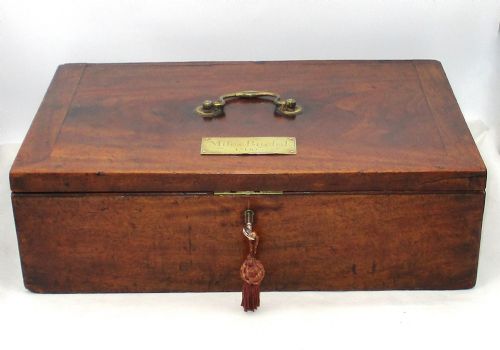
When hunting for a georgian wooden desk, buyers encounter forms ranging from fall-front writing bureaux and kneehole desks to compact writing slopes and secretaire bookcases. These pieces originate across the eighteenth and nineteenth centuries, including georgian, george iii, and regency periods.
The version most commonly met on this page is constructed from mahogany, oak, or elm, often taking the shape of a bureau with fitted interior drawers and pigeonholes for correspondence.
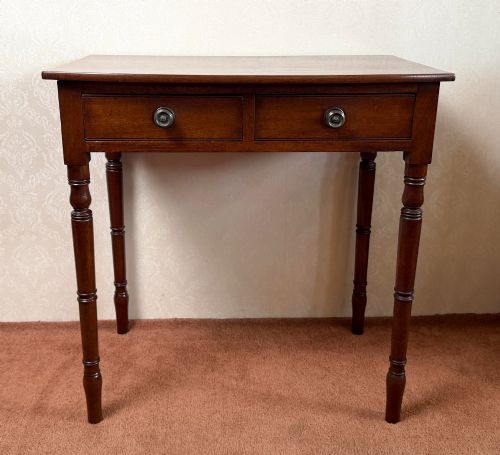
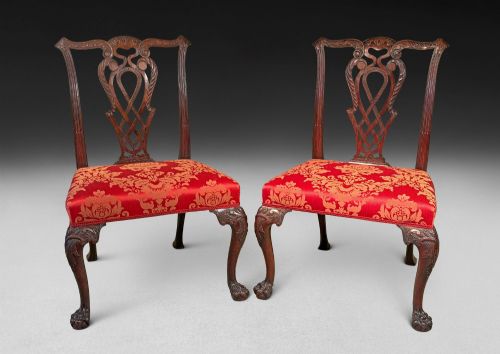
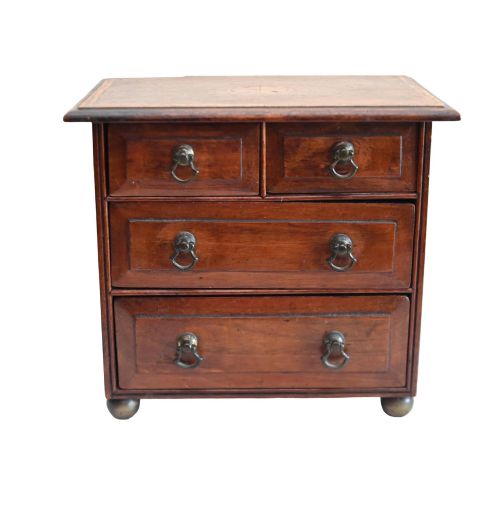
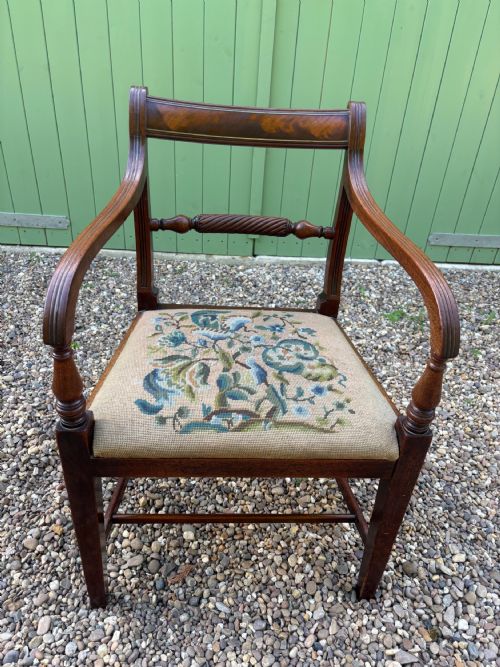
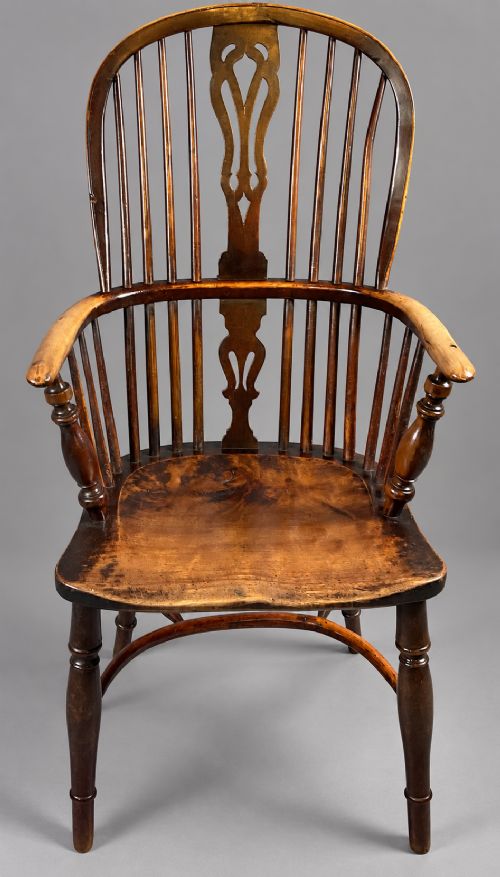
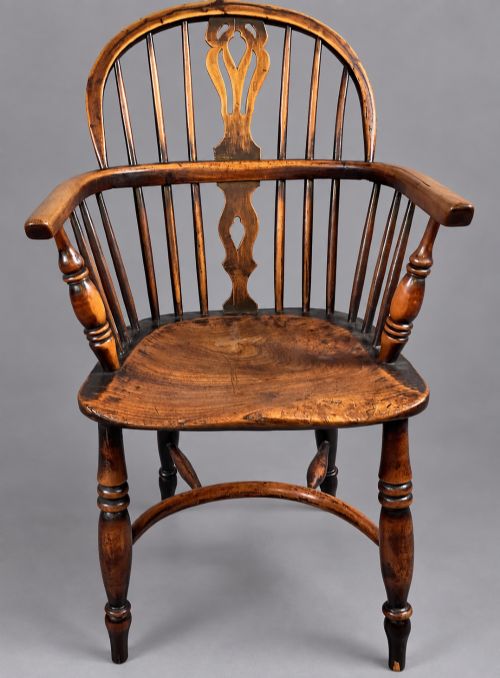
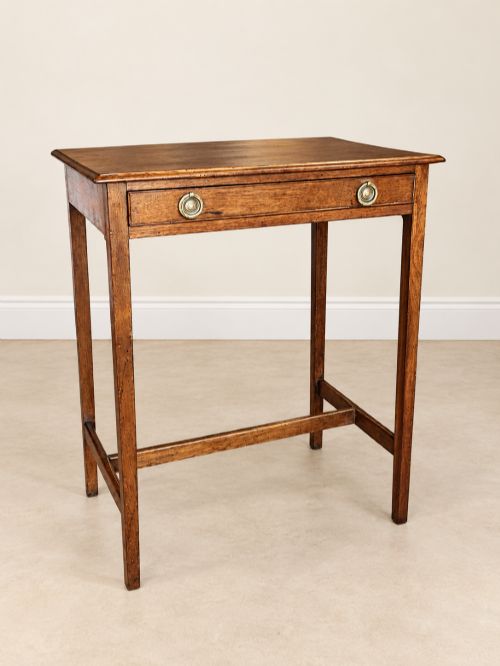
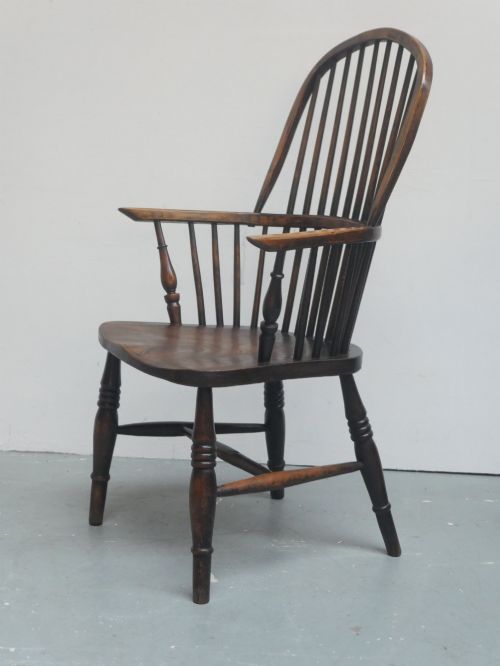
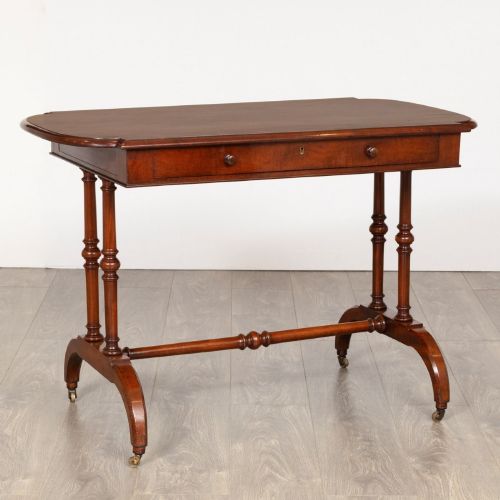
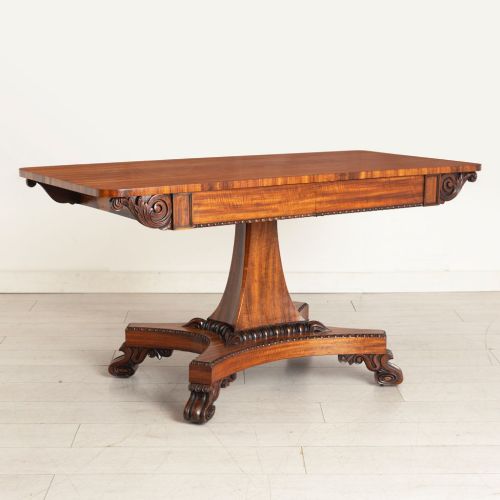
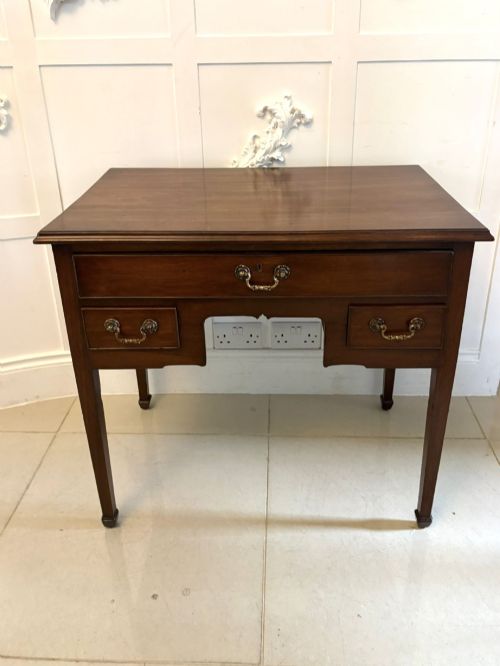
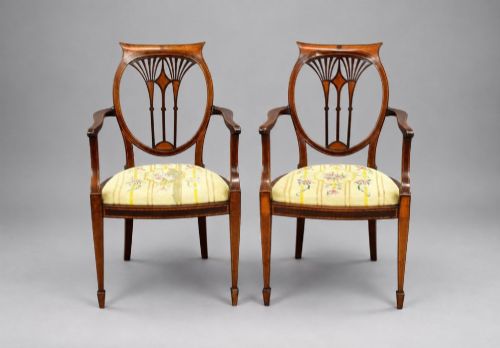
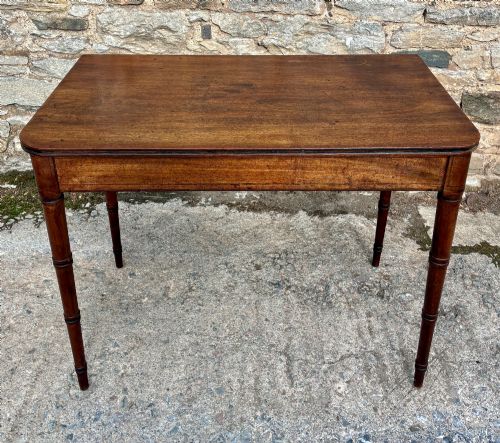
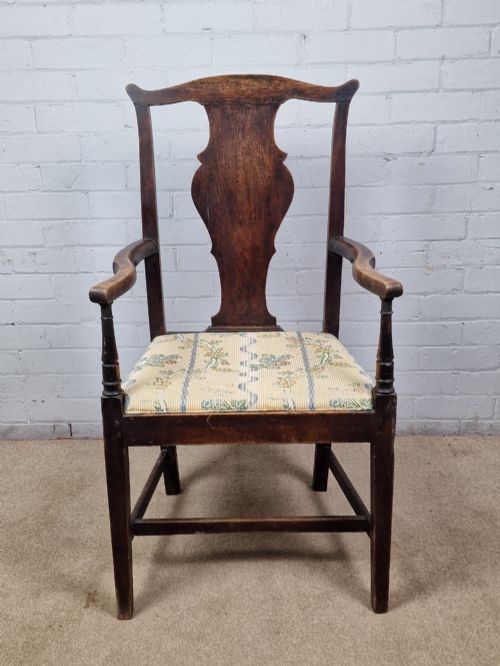
Alongside dedicated writing desks, the selection includes related seating and tables, such as Chippendale style armchairs, side tables, and lowboys, reflecting the domestic workspace of the period.
Materials and construction
Makers utilised solid timbers and selected veneers, employing mahogany, walnut, oak, elm, yew, birch, fruitwood, and satinwood depending on regional traditions and workshop preferences.
Surfaces frequently feature figured mahogany, flame mahogany, or burr walnut, paired with secondary woods and joined with traditional cabinetmaking techniques.
Brass hardware, including drop handles and escutcheons, secures fall fronts and drawer banks, while occasional pieces incorporate inlaid stringing or figural wood selections.
Listings span multiple centuries, incorporating oak, mahogany, walnut, and elm pieces from the seventeenth, eighteenth, and nineteenth centuries.
Judging the work
Quality in a georgian wooden desk rests upon the selection of timber figures, such as flame mahogany or burr elm, and the crispness of any inlaid details or carved mouldings.
Internal drawer construction reveals the hand of the maker through dovetailing and the choice of secondary timbers, separating utilitarian pieces from finer urban furniture.
Proportion and structural integrity define the better examples, where secondary woods match the period and surfaces retain a rich, patinated finish rather than over-restored gloss.
James Mein of Kelso
The Georgian Wooden Desk Glossary
- Bureau
- A writing cabinet featuring a sloping fall-front that opens to reveal a fitted interior of small drawers and pigeonholes.
- Kneehole desk
- A freestanding desk with a central recess for the sitter's legs, flanked by pedestals of drawers.
- Writing slope
- A portable or table-standing box with an angled lid designed to hold paper and provide a writing surface.
- Secretaire bookcase
- A tall cabinet combining a shelved upper bookcase with a fitted pull-out writing drawer or desk compartment below.
- Lowboy
- A small side table with one or more rows of drawers beneath the top, often used as a dressing or writing table in earlier periods.
- Stringing
- Thin lines of contrasting wood inlaid into the surface of furniture to create geometric borders and decorative panels.
Georgian Wooden Desk: Frequently Asked Questions
What is the difference between a bureau and a desk?
A bureau traditionally refers to a writing cabinet with a sloping fall front that conceals internal compartments. Other forms of writing desks might feature flat tops or pull-out writing slides.
Both serve the same primary function of providing a designated workspace, but their internal architecture and external silhouettes differ significantly.
How do I identify a George III desk?
Pieces from the George III period often display characteristic mahogany or walnut veneers, sometimes enhanced with subtle inlay or stringing. The proportions tend to be balanced and classical, reflecting the dominant design idioms of the later eighteenth century.
Drawer construction uses hand-cut dovetails and timber linings appropriate to the era, helping to distinguish them from later nineteenth-century revivals.
Were these desks used for daily writing?
These pieces formed the administrative centre of a household, used for writing letters, managing estate accounts, and keeping journals. The fitted pigeonholes and small drawers inside fall fronts were specifically organised for stationery, inkwells, and correspondence.
Owners sat at them using matching elbow chairs or library chairs designed to fit beneath the writing height.
How should I care for a antique wooden desk?
Keep wooden surfaces away from direct heat sources and strong sunlight to prevent the timber and veneer from drying out or splitting. Gentle dusting with a dry cloth and occasional application of appropriate wax maintains the lustre of the finish.
Avoid excessive moisture and heavy chemical polishes, which can degrade the historic polish and patination accumulated over centuries.