


Sheraton Cabinet Desk
A sheraton cabinet desk combines refined writing surfaces with concealed compartments, offering timeless elegance and practical organisation for the home.
Sheraton Cabinet Desk
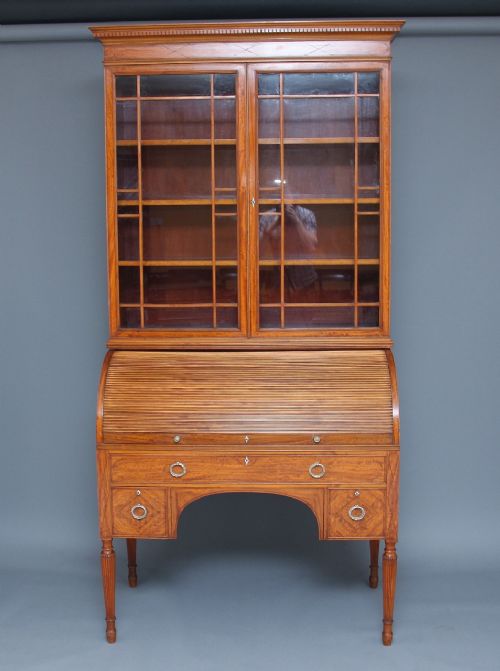
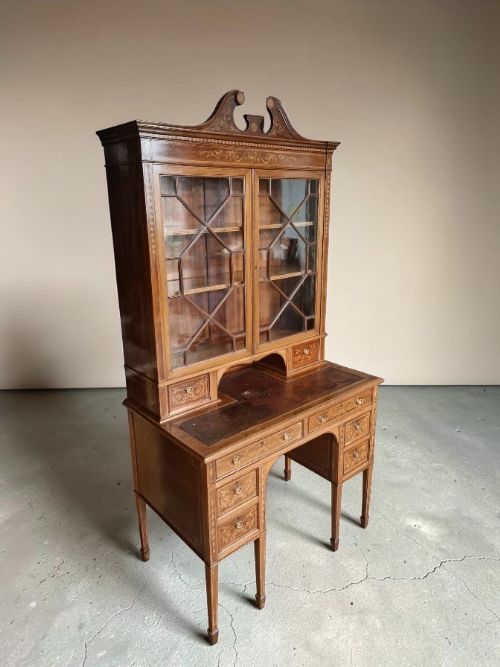
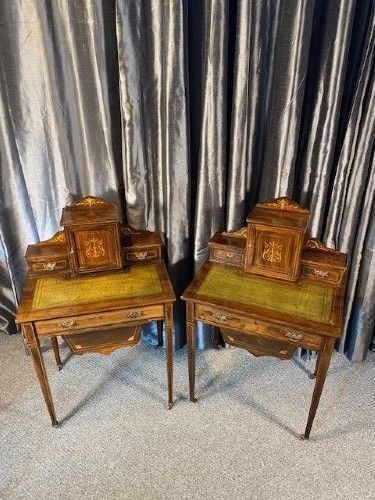
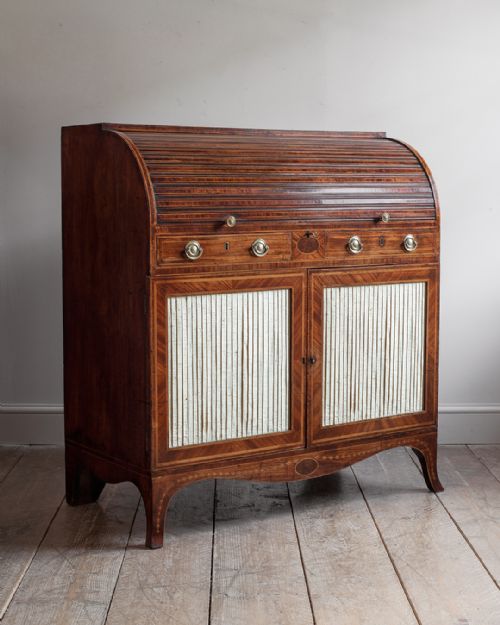
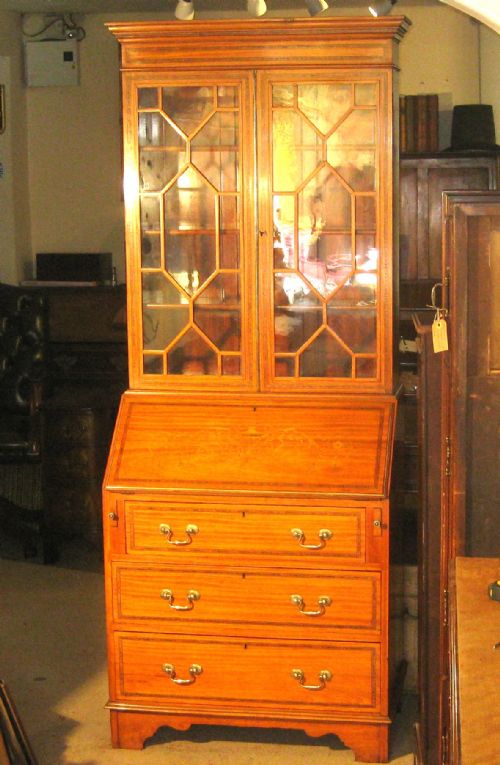
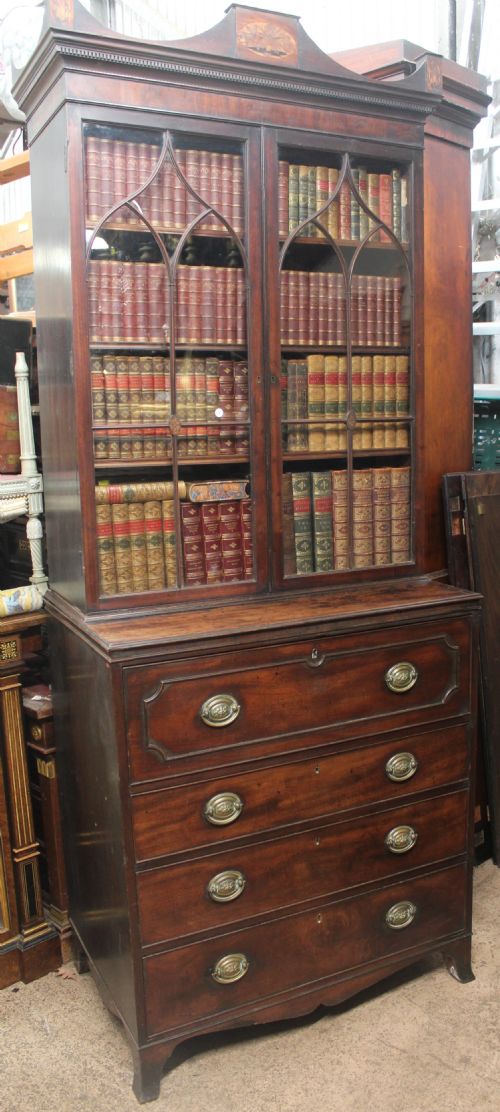
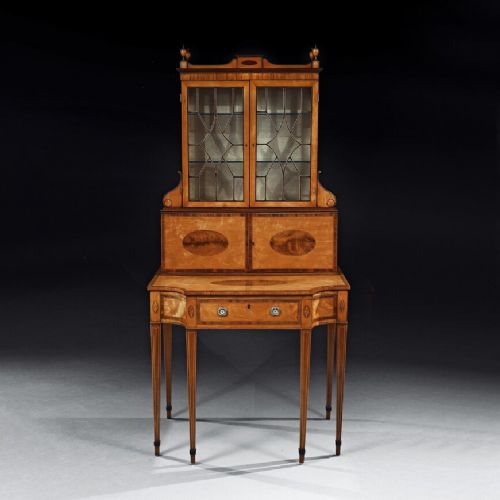
A sheraton cabinet desk brings together compact writing furniture and architectural cabinetry, taking forms such as bureau bookcases, cylinder desks, and bonheur du jour tables. You will encounter pieces spanning the 18th century through the Georgian and Edwardian periods, reflecting both original Sheraton design and later revival movements.
The layout typically incorporates a fall front or cylinder mechanism that conceals internal drawers and pigeonholes above lower storage. These pieces served as private writing stations for ladies and gentlemen in period drawing rooms and libraries.
Materials and construction
Cabinetmakers utilised dense timbers like mahogany and exotic veneers including satinwood and rosewood, often enhanced with contrasting boxwood stringing and delicate inlay. Brass hardware provides functional closure and accentuation on drawers and doors.
Cylinder fronts and tambour mechanisms required precise joinery to ensure smooth movement, while glass panels featured in upper bookcase sections. Leather inserts frequently lined the pull-out writing surfaces for a durable writing plane.
Some miniature cylinder desks were made just to test an apprentice's skill before tackling full-sized furniture.
Assessing quality
The standard of timber selection and complexity of marquetry separate exceptional items from simpler commercial output, with finely figured veneers and balanced proportions marking superior craftsmanship. Maker attribution also influences distinction among similar forms.
The precision of mechanical actions within cylinder desks and secretaire drawers indicates the skill invested during construction. Intricate hand-painted decoration or detailed brass mounts further elevate the status of individual pieces.
Edwards & Roberts·Shoolbred of London
The Sheraton Cabinet Desk Glossary
- Satinwood
- A light-coloured tropical timber prized for its lustrous sheen and smooth grain. It forms the primary surface on many fine George III and revival pieces.
- Cylinder desk
- A writing table featuring a quarter-circle rotating wooden cylinder that covers the desk interior. When pushed back, it simultaneously reveals the writing slide.
- Bonheur du jour
- A small, light ladies writing desk fitted with a cabinet or shelves on the upper surface. This French form gained popularity during the Georgian and Edwardian eras.
- Secretaire bookcase
- A tall cabinet combining a pull-out writing drawer with a bookcase upper section enclosed by glass doors. It maximises vertical storage in domestic interiors.
- Marquetry
- Decorative patterns formed by fitting together contrasting pieces of veneer onto a solid ground. Cabinetmakers employed floral and geometric motifs to adorn drawer fronts and tabletops.
Sheraton Cabinet Desk: Frequently Asked Questions
How do I use a cylinder desk?
The curved wooden cylinder rolls back into the body of the desk to uncover the fitted interior and writing surface. Pulling the writing slide forward often activates the mechanism automatically.
Items left on the writing bed must be cleared before closing the cylinder to prevent jamming. This keeps private correspondence and writing implements securely enclosed when not in use.
Where should I place a bonheur du jour?
These compact writing tables suit sitting rooms or bedrooms where larger desks would overwhelm the floor space. Placing them near natural light enhances the painted decoration and satinwood grain.
Because many feature finished backs, they can stand away from walls in the centre of a room. Avoid direct sunlight to protect delicate veneers and leather inserts from fading.
What is the difference between Georgian and revival pieces?
Georgian pieces date from the 18th and early 19th centuries, displaying original period construction and contemporary wear. Craftsmen built them for active daily use in period households.
Sheraton revival pieces date from the Edwardian era and 1900s, reinterpreting earlier neoclassical designs with modern manufacturing techniques. They often feature brighter satinwood and extensive machine-sawn inlay.
How do I care for satinwood surfaces?
Dust regularly with a soft, dry cloth to prevent abrasive particle buildup on the polished finish. Avoid silicone-based sprays that can penetrate the grain and damage antique polishes.
Maintain stable room humidity to prevent the underlying timber from shrinking or warping the delicate veneers. Apply high-quality beeswax sparingly when the wood appears dry to nourish the finish.